Artwork
Architecture of the Middle Ages: In St. Jacques, Dieppe, East End, Interior
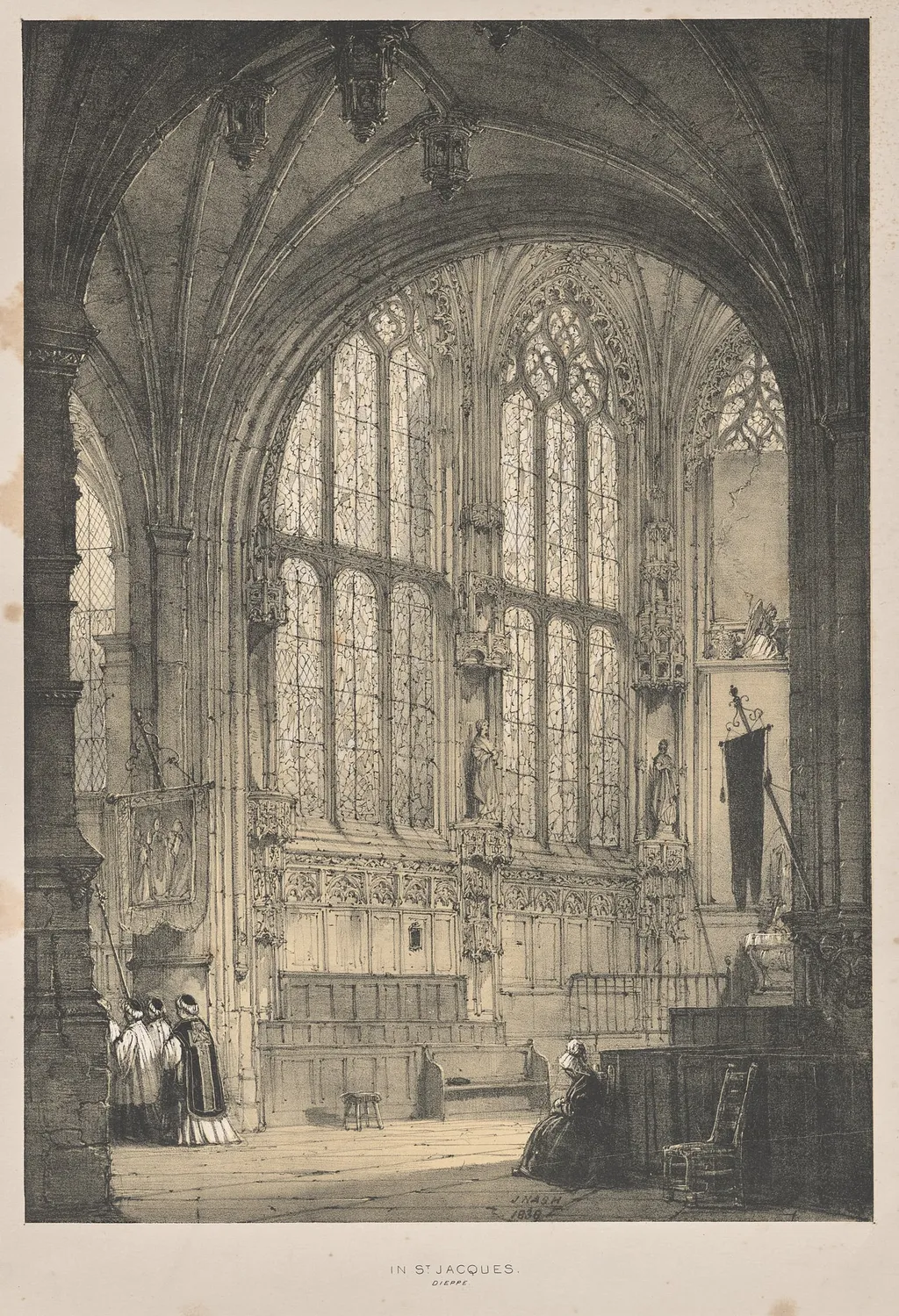
Architecture of the Middle Ages: In St. Jacques, Dieppe, East End, Interior is a print by the Romanticist artist Joseph Nash. It dates from 1838 and is held in the collection of the Cleveland Museum of Art.
About this work
This painting shows a dimly lit church interior with tall pillars and arches.
It's an old church in Dieppe, a town in France, but the artist was British.
The artist likely visited this place and was inspired by its architecture, which is a common theme in his work.
You can learn more about similar scenes by looking at the work of artist: Joseph Nash (British, 1808–1878).
Overview
Created in 1838 by British artist Joseph Nash, this lithograph captures the interior of the east end of Saint-Jacques Church in Dieppe, France.
Created in 1838 by British artist Joseph Nash, this lithograph captures the interior of the east end of Saint-Jacques Church in Dieppe, France. Nash, trained in watercolor and lithography, dedicated much of his career to documenting medieval architecture across Europe. This print is one of many studies that informed his later four-volume series on historic English residences, reflecting his sustained interest in structural heritage.
Subject & Meaning
The image presents a quiet, dimly lit nave with soaring stone pillars and pointed arches characteristic of Gothic design. Rather than emphasizing religious ritual, Nash focuses on the spatial harmony and structural integrity of the building. His choice of viewpoint invites contemplation of the architecture itself, treating the church as a monument of craftsmanship rather than a site of worship.
Technique & Style
Nash employed precise lithographic techniques to render fine architectural details—carved capitals, ribbed vaults, and the play of light across stone surfaces. His use of muted tones and careful shading conveys the atmosphere of an ancient interior without romantic embellishment. The composition is methodical, prioritizing accuracy over dramatic effect, consistent with his documentary approach to historical buildings.
History & Provenance
The print was produced during Nash’s early period of architectural study, before the publication of his major work on English mansions. It was likely made after a visit to Dieppe, where he observed and sketched medieval structures. The Cleveland Museum of Art acquired the work as part of its collection of 19th-century architectural prints, preserving it as an example of topographical art from the period.
Context
In the 1830s, interest in medieval architecture was growing across Europe, fueled by antiquarianism and the Gothic Revival. British artists like Nash traveled to France and other continental sites to record structures that were often neglected or deteriorating. His work contributed to a broader cultural movement that valued historical preservation through visual documentation.
Legacy
Nash’s detailed depictions of medieval interiors helped shape public understanding of historic architecture in the 19th century. Though less celebrated than his later works on English country houses, this print exemplifies his commitment to factual representation. His approach influenced subsequent generations of architectural illustrators who sought to record heritage buildings before they were altered or lost.
Artist & collection
Artist
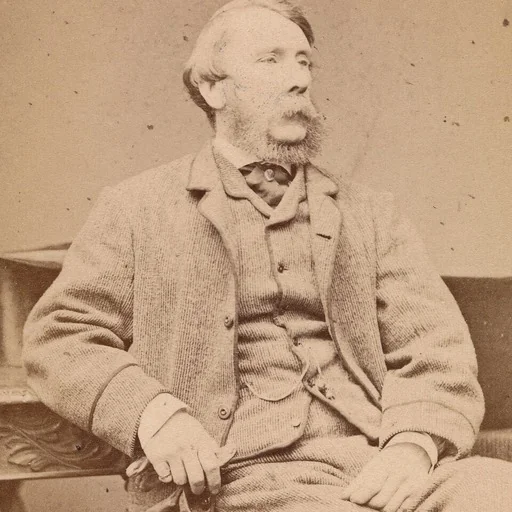
Joseph Nash (17 December 1809 – 19 December 1878) was an English watercolour painter and lithographer, specialising in historical buildings. His major work was the 4-volume Mansions of England in the Olden Time, published from 1839–49.

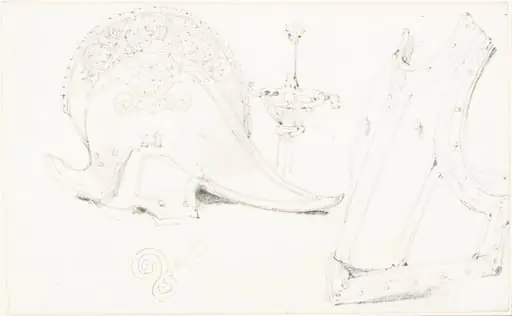 Study of a Helmet, Breastplate, and Rapier
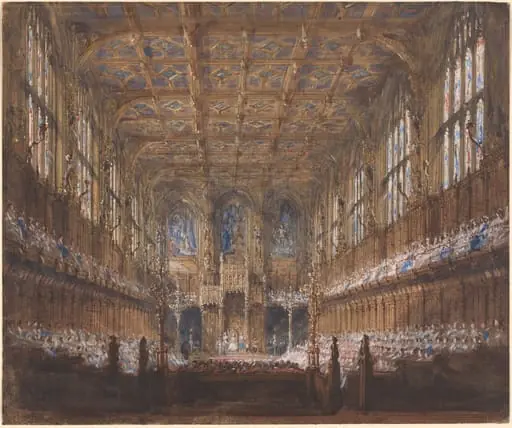 The State Opening of Parliament in the Rebuilt House of Lords
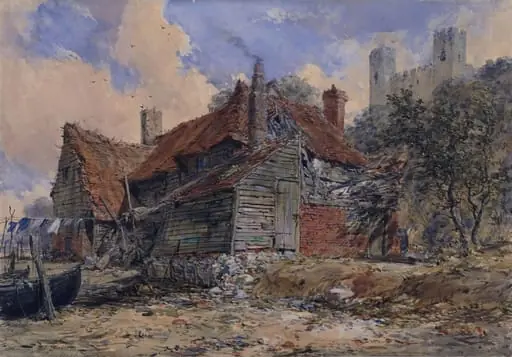 Rochester
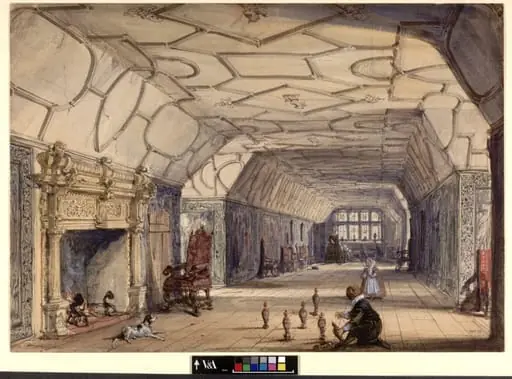 The gallery at Knole House, near Sevenoaks
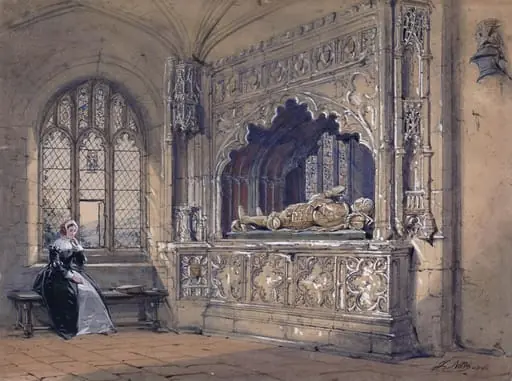 The supposed tomb of Thomas Fiennes, in Herstmonceux Church, Sussex, looking south-east from the North Chapel
 Speke Hall, Lancashire
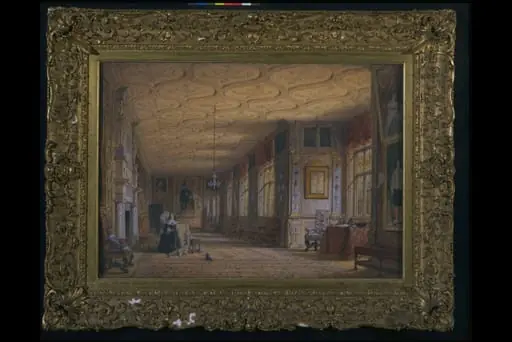 The Cartoon Gallery at Knole
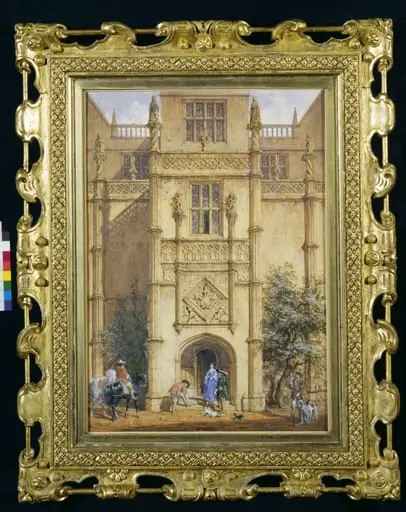 The Porch at Montacute House, Somerset
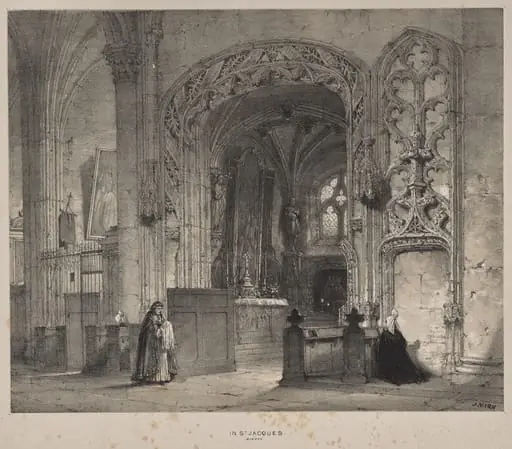 Architecture of the Middle Ages: Chapel in St. Jacques, Dieppe
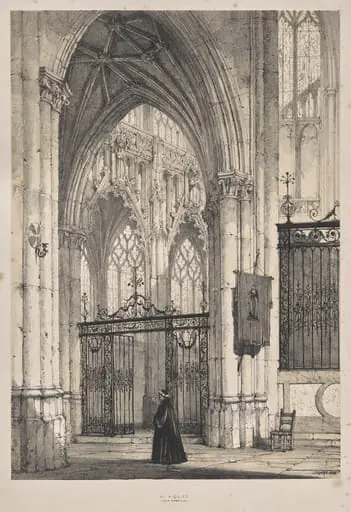 Architecture of the Middle Ages: Church of St. Riquier, near Abbeville
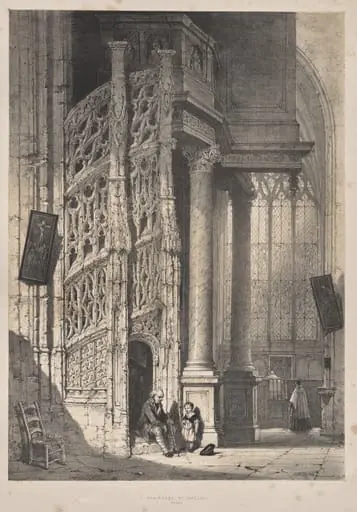 Architecture of the Middle Ages: Staircase, St. Maclou, Rouen
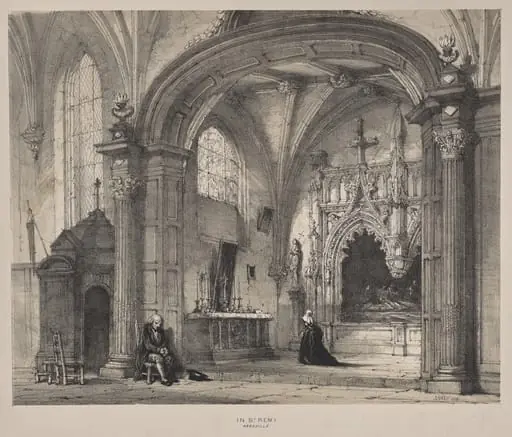 Architecture of the Middle Ages: In St. Remi, Abbeville
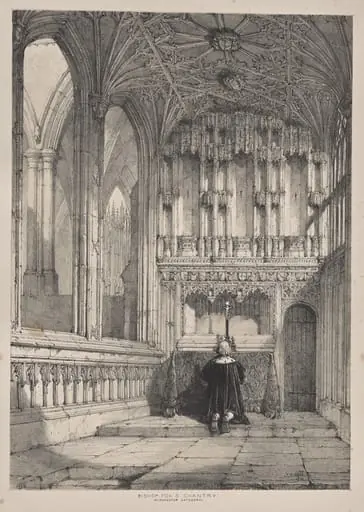 Architecture of the Middle Ages: Bishop Fox's Chantry, Winchester Cathedral
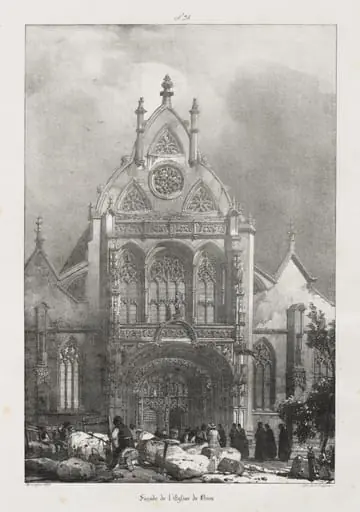 Voyages pittoresques et romantiques dans l'ancienne France, Franche-Comté: Façade de l'église de Brou
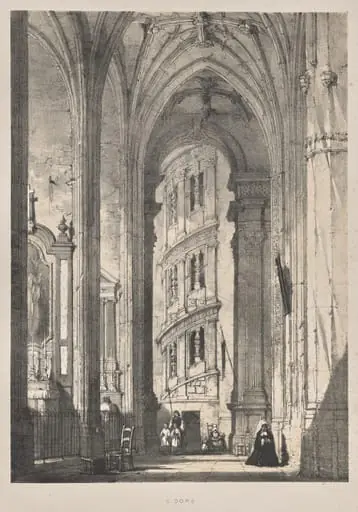 Architecture of the Middle Ages: Church of St. Gisors, Interior
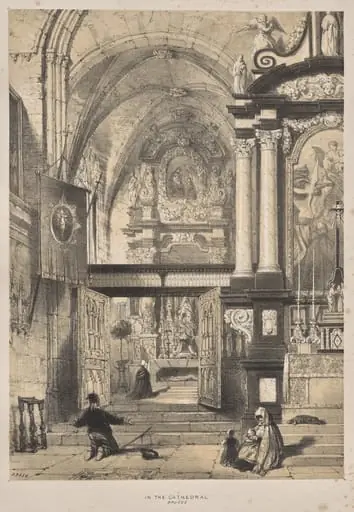 Architecture of the Middle Ages: In the Cathedral, Bruges
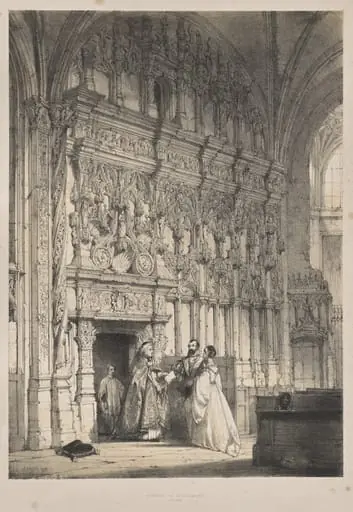 Architecture of the Middle Ages: Screen in St. Jacques, Dieppe
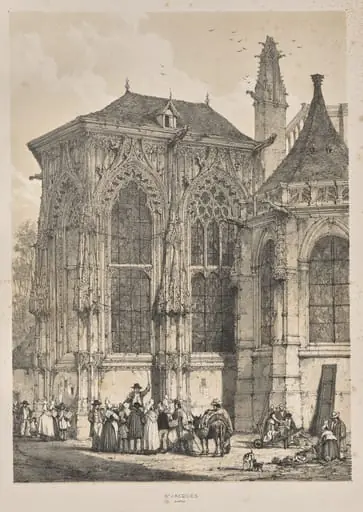 Architecture of the Middle Ages: St. Jacques, Dieppe, East End, Exterior
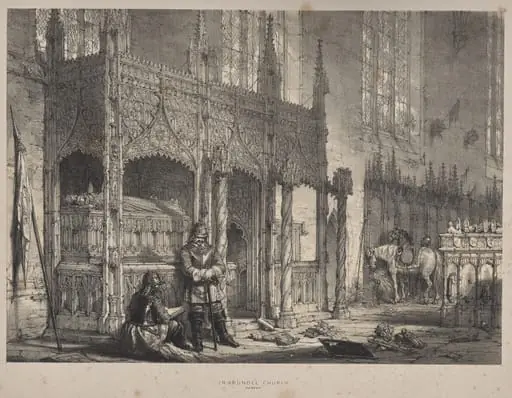 Architecture of the Middle Ages: In Arundel Church, Sussex
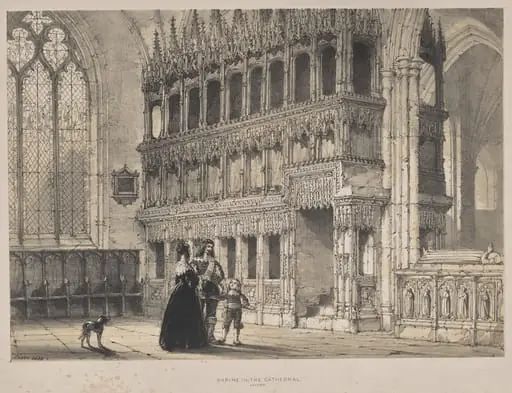 Architecture of the Middle Ages: Shrine of St. Fridswode, Cathedral, Oxford