Artwork
A Troubadour
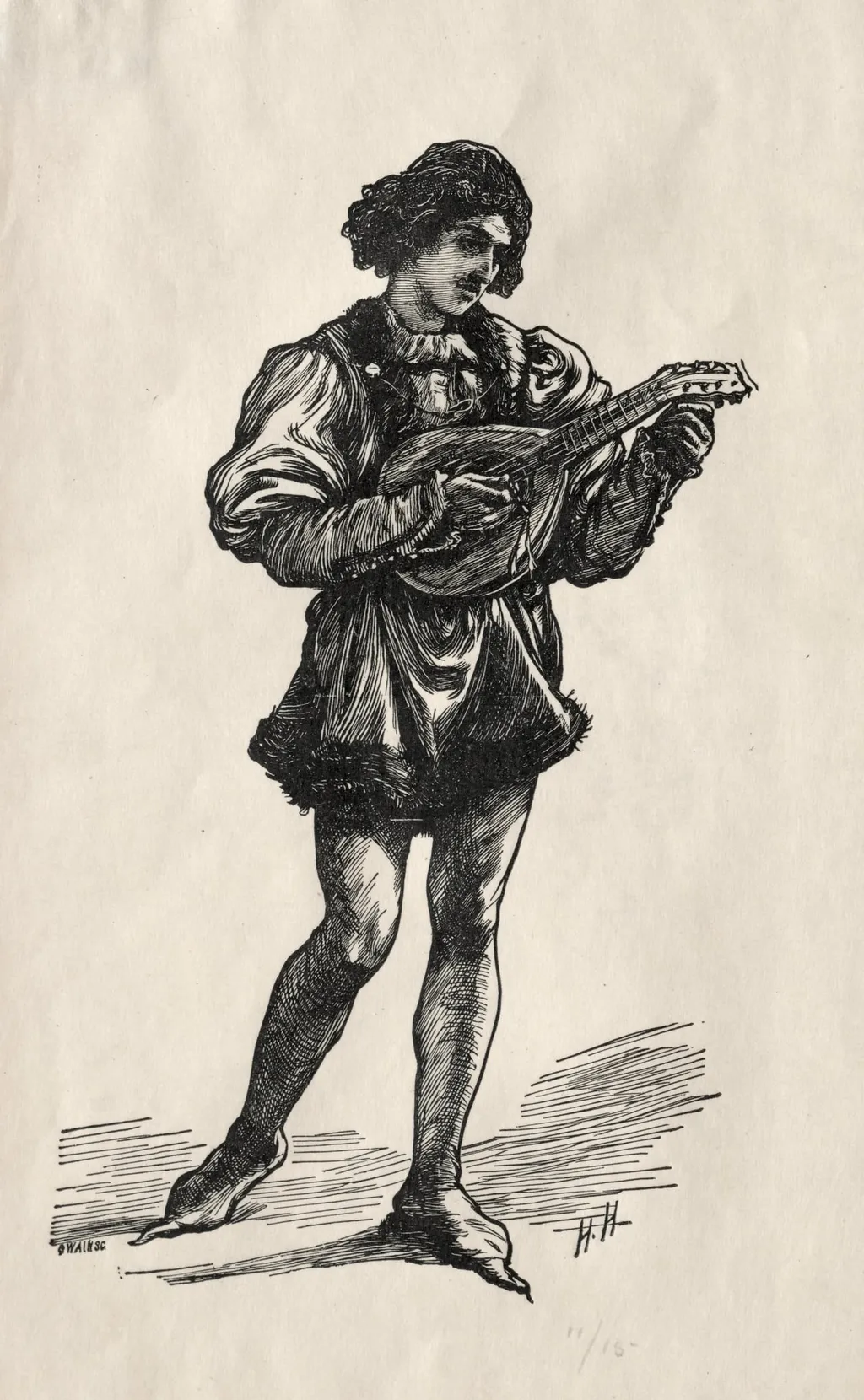
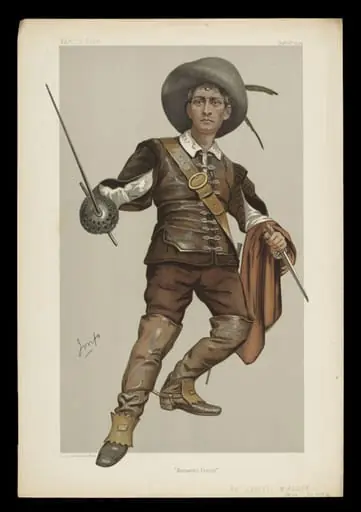
A Troubadour is a print by the Impressionist artist Joseph Swain. It dates from 1886 and is held in the collection of the Cleveland Museum of Art.
About this work
Overview
Joseph Swain’s 1886 wood-engraving *A Troubadour* is a finely detailed illustration created during the height of print-based visual culture in Britain.
Joseph Swain’s 1886 wood-engraving *A Troubadour* is a finely detailed illustration created during the height of print-based visual culture in Britain. Known for his contributions to *Punch* magazine and his collaboration with Sir John Tenniel, Swain employed the precision of wood engraving to capture a solitary figure in a contemplative moment. The work reflects the era’s fascination with medieval themes as a counterpoint to industrial modernity.
Subject & Meaning
The figure is a solitary troubadour, seated in a modest interior, gently plucking a lute. Surrounded by stacked books and scattered papers, he appears absorbed in quiet reflection rather than performance. The scene evokes an idealized medieval past, where art and scholarship coexisted in solitude. The absence of audience or grandeur suggests introspection, framing the troubadour not as a performer but as a keeper of memory and verse.
Technique & Style
Swain used the fine-line technique of wood engraving, carving intricate details into the end grain of hardwood to achieve sharp contrasts and delicate textures. The rendering of fabric, parchment, and wood grain relies on controlled hatching and cross-hatching, not tonal gradation. This method, common in 19th-century book illustration, prioritizes clarity and precision over atmospheric effects, distinguishing it from painterly approaches like sfumato.
History & Provenance
Created in 1886, the print emerged from Swain’s established career as a commercial engraver for periodicals. Though not widely exhibited as fine art, it circulated in illustrated publications and private collections. Its survival in institutional archives suggests it was valued for its technical execution and thematic resonance, rather than as a standalone artwork. No record of early ownership beyond Swain’s circle is documented.
Context
In late Victorian Britain, medievalism flourished as a cultural refuge from rapid industrialization. Artists and writers turned to chivalric and literary pasts for moral and aesthetic inspiration. Swain’s troubadour aligns with this trend, echoing the romanticized figures of Pre-Raphaelite circles and the growing interest in historical revivalism within domestic interiors and illustrated literature.
Legacy
While Swain’s work remains less known than his contemporaries, *A Troubadour* exemplifies the quiet dignity achievable in commercial printmaking. It stands as a testament to the skill of wood engravers who shaped visual culture before photography dominated illustration. The piece continues to be studied for its technical discipline and its subtle commentary on solitude, memory, and the enduring appeal of the past.
Artist & collection
Artist
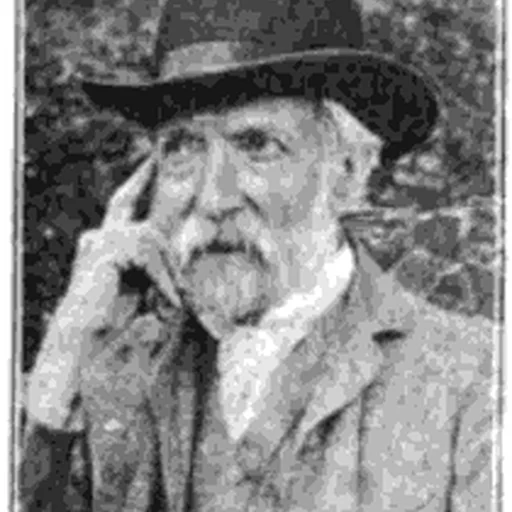
Joseph Swain (29 February 1820 in Oxford – 25 February 1909 in London) was an English wood-engraver. He is best known from his wood-engravings in Punch magazine of cartoons by Sir John Tenniel.

 H Beard Print Collection
 The Improvisatore in Prison
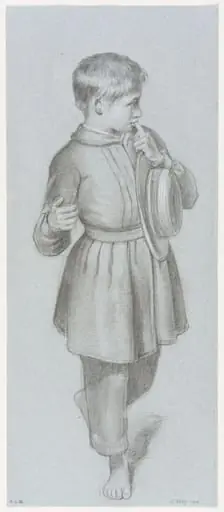 Study of the boy with his finger in his mouth for <i>Sunday Morning: Walk from Church</i>
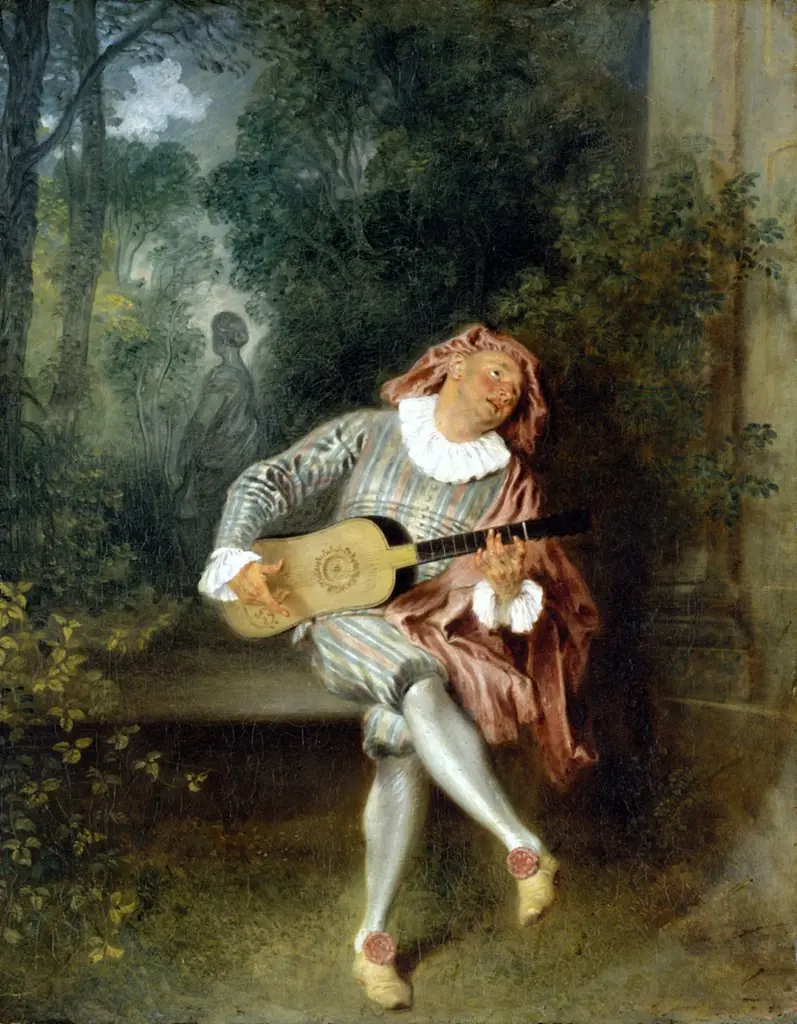 Mezzetin
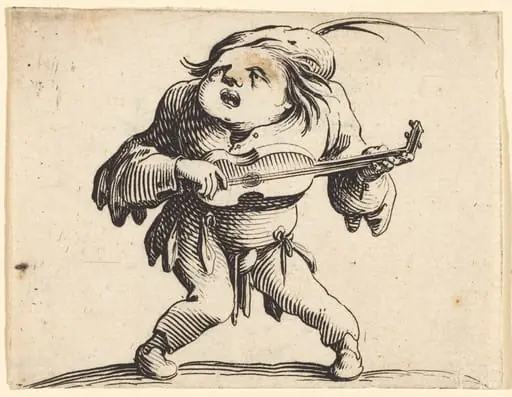 The Guitar Player
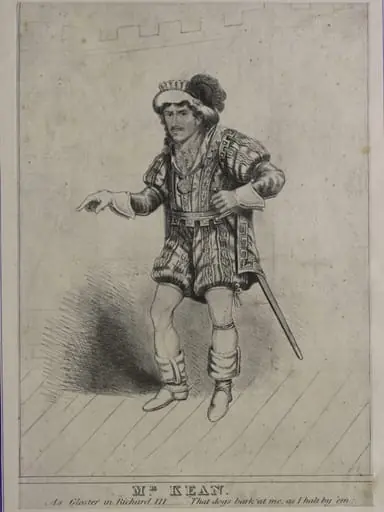 H Beard Print Collection
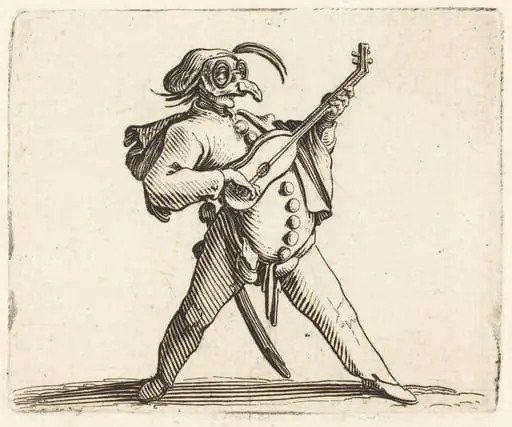 The Masked Comedian Playing a Guitar
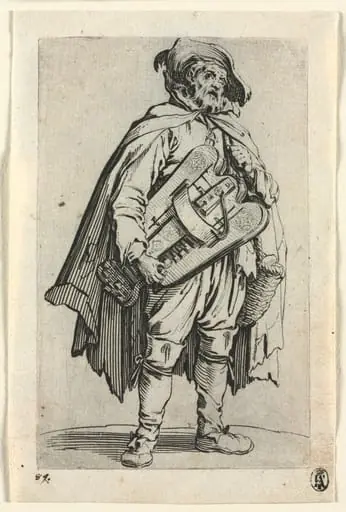 The Beggars: The Hurdy-Gurdy Player
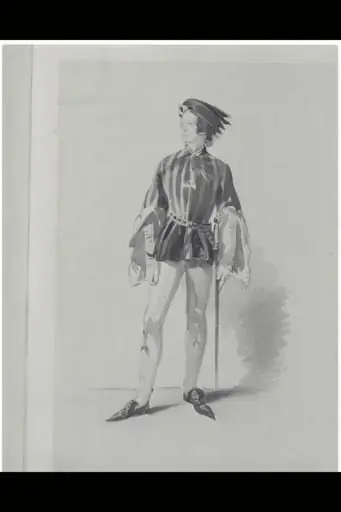 Captain the Hon. Arthur Duncombe, R.N., as a nobleman of the 14th century
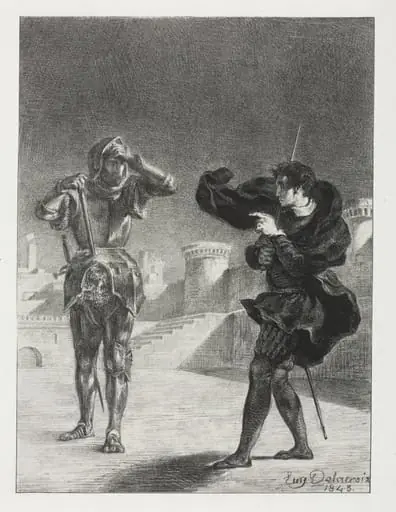 Hamlet: The Phantom on the Terrace
 H Beard Print Collection
 Violinist