Artwork
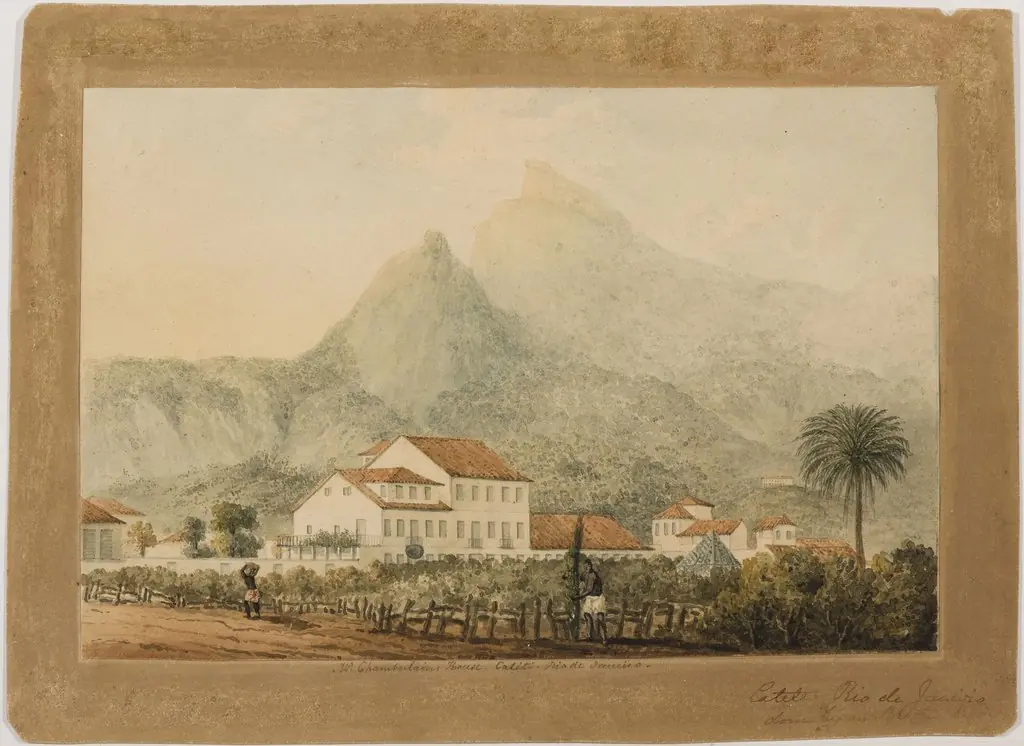
M. Chamberlains House. Catete. Rio de Janeiro
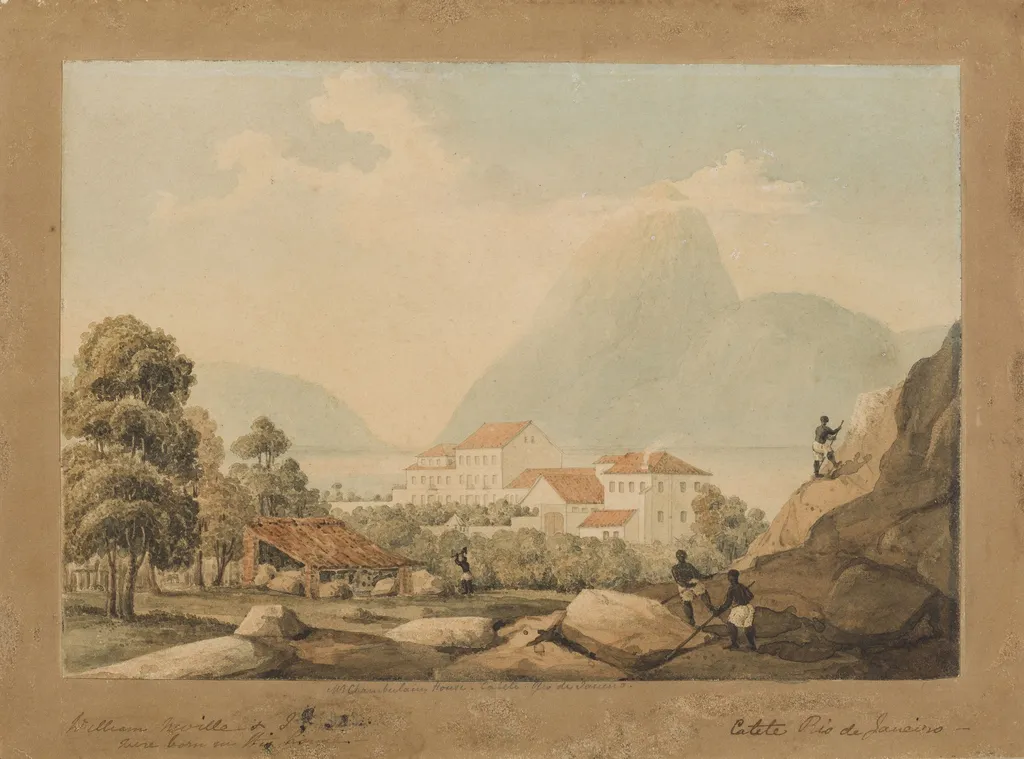
M. Chamberlains House. Catete. Rio de Janeiro is a graphite painting by 2nd Baronet Sir Henry Chamberlain. It dates from 1820 and is held in the collection of the Pinacoteca de São Paulo.
About this work
Overview
Executed during his brief military posting in Brazil, the work is part of a small series of topographical sketches made while he traveled through the region.
Created in 1820, this graphite drawing by Sir Henry Chamberlain captures a residential property in Catete, a neighborhood then on the outskirts of Rio de Janeiro. Executed during his brief military posting in Brazil, the work is part of a small series of topographical sketches made while he traveled through the region. The medium’s subtle tonal range lends a quiet, observational quality to the scene.
Subject & Meaning
The drawing centers on a white, two-story house with a red-tiled roof, set against a backdrop of rolling hills and dense vegetation. Figures in the foreground, including one standing on a rock with a staff, suggest human activity within the landscape. The composition reflects neither grandeur nor decay, but rather a calm documentation of colonial-era domestic life in a tropical setting, emphasizing harmony between architecture and nature.
Technique & Style
Chamberlain employed graphite with delicate hatching and light washes to model form and depth. The soft gray tones unify the scene, allowing the structure of the house to emerge clearly while the surrounding foliage and terrain remain softly rendered. His approach avoids dramatic contrast, favoring a restrained, topographical precision typical of military survey drawings of the period.
History & Provenance
Sir Henry Chamberlain, son of a British diplomat and an officer in the Royal Artillery, produced this work during his 1819–20 stay in Brazil. The drawing remained in private hands until entering the collection of the Pinacoteca do Estado de São Paulo, where it is preserved as part of a broader archive of early 19th-century Brazilian visual records. Its provenance traces directly to the artist’s personal sketchbook.
Context
At the time of its creation, Rio de Janeiro was the capital of the Portuguese Empire in the Americas. British officers like Chamberlain were present as part of military alliances and diplomatic missions. His sketches, including this one, offer rare non-Portuguese perspectives of Brazilian domestic architecture and landscape during a transitional period before independence.
Legacy
Chamberlain’s drawings serve as historical documents rather than artistic statements. They provide insight into the appearance of colonial-era residences and the integration of European-style buildings within Brazil’s natural environment. Though not widely exhibited, they remain valuable for scholars studying early visual records of Rio de Janeiro’s urban and rural margins.
Artist & collection
Artist
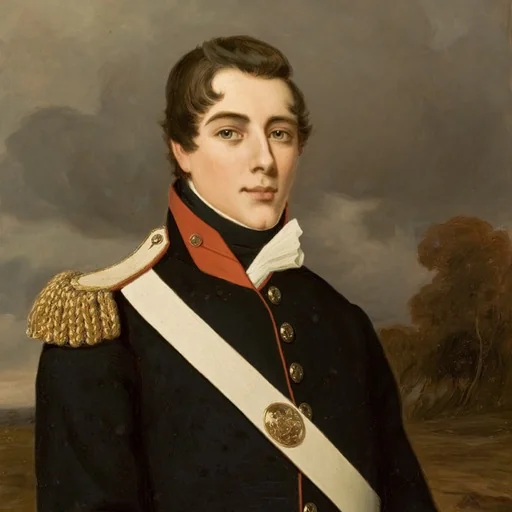
2nd Baronet Sir Henry Chamberlain
Captain Sir Henry Chamberlain, 2nd Baronet (2 October 1796 – 8 September 1843) was a British Army officer of the Royal Artillery and an artist whose series of drawings of Brazil were well known in his time.

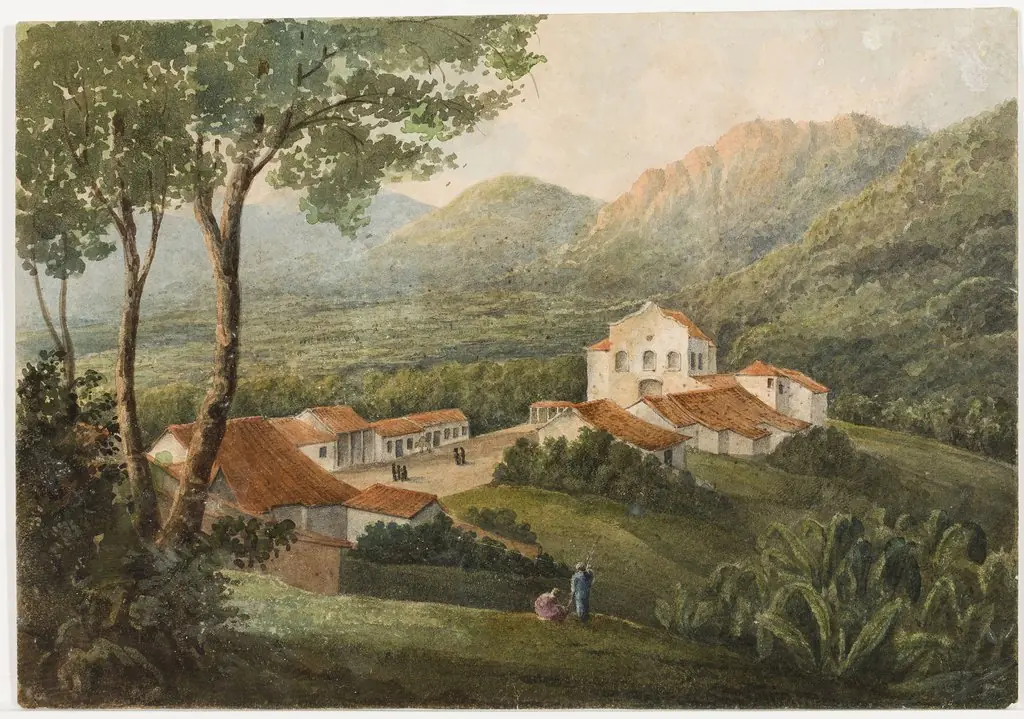 Vila rural e serra (atribuído)
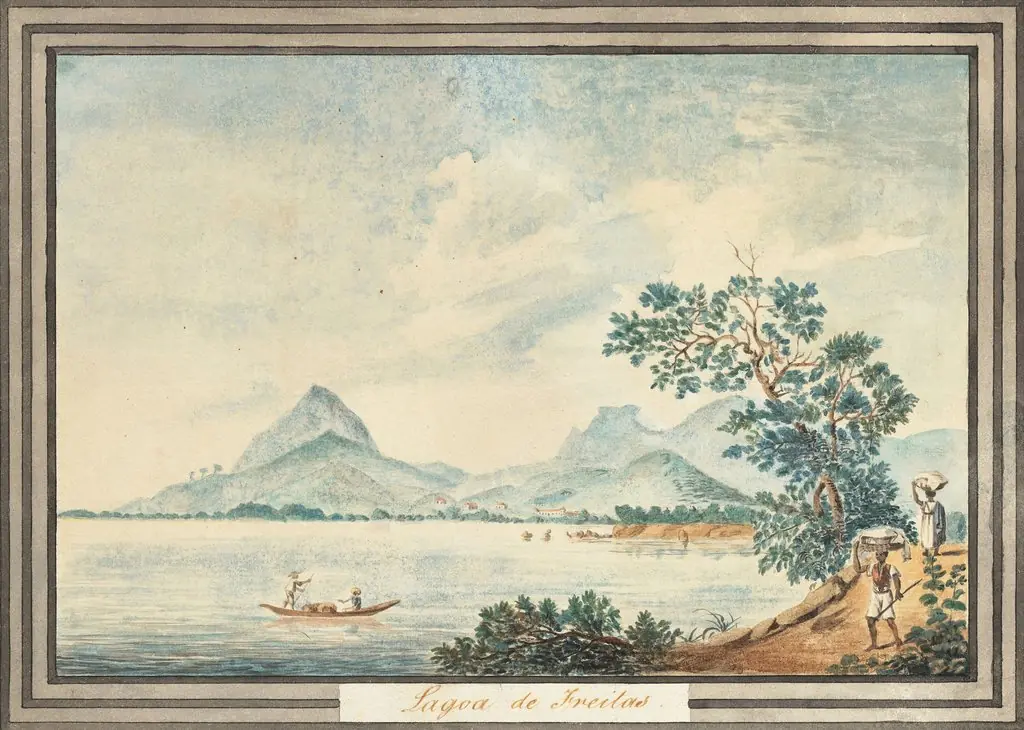 Lagoa de Freitas
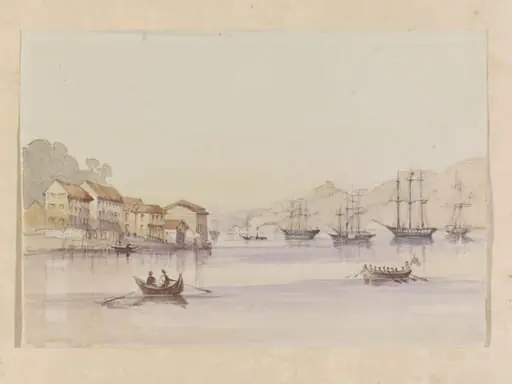 View of the Bosphorus with warships
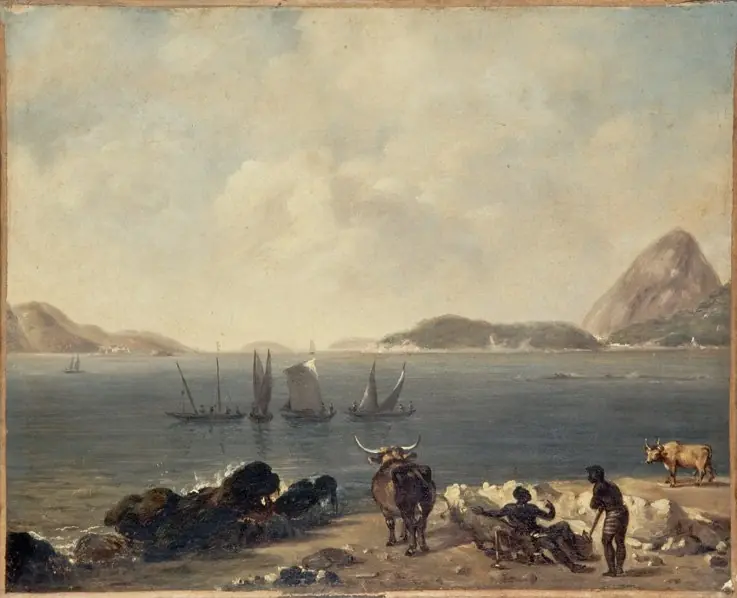
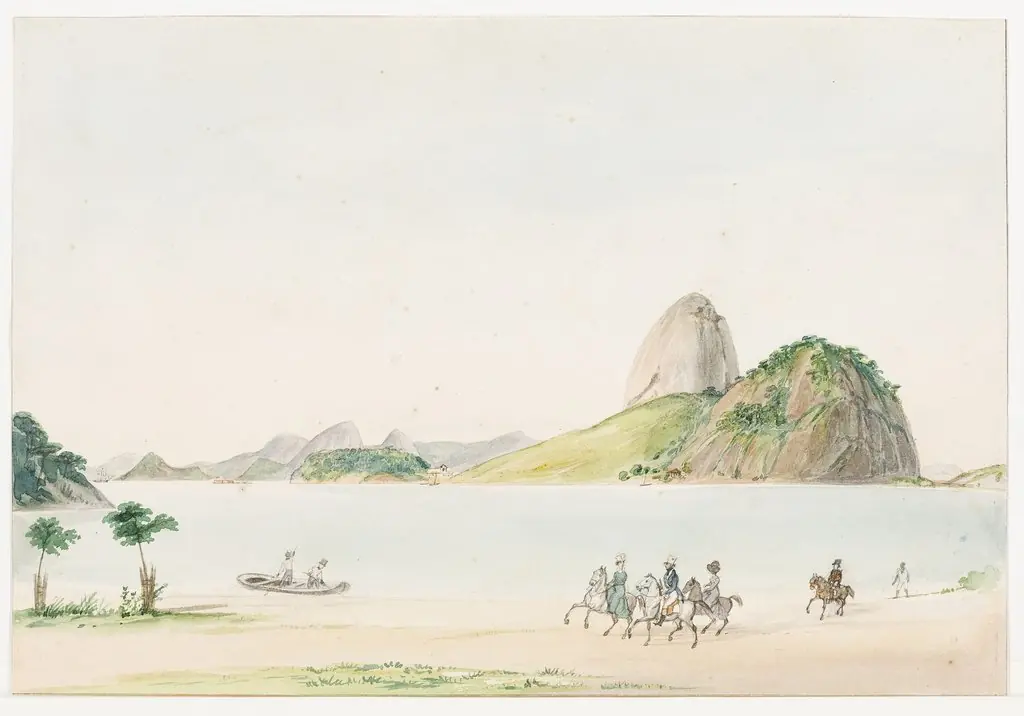 Praia de Botafogo com Pão de Açúcar (atribuído)
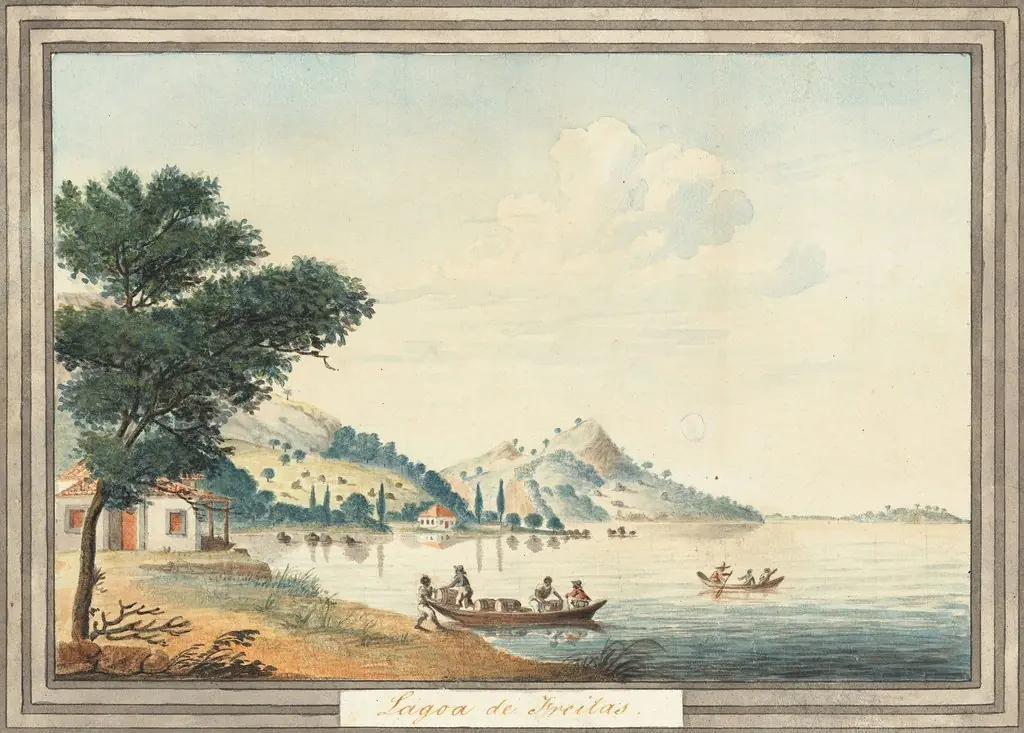 Lagoa de Freitas
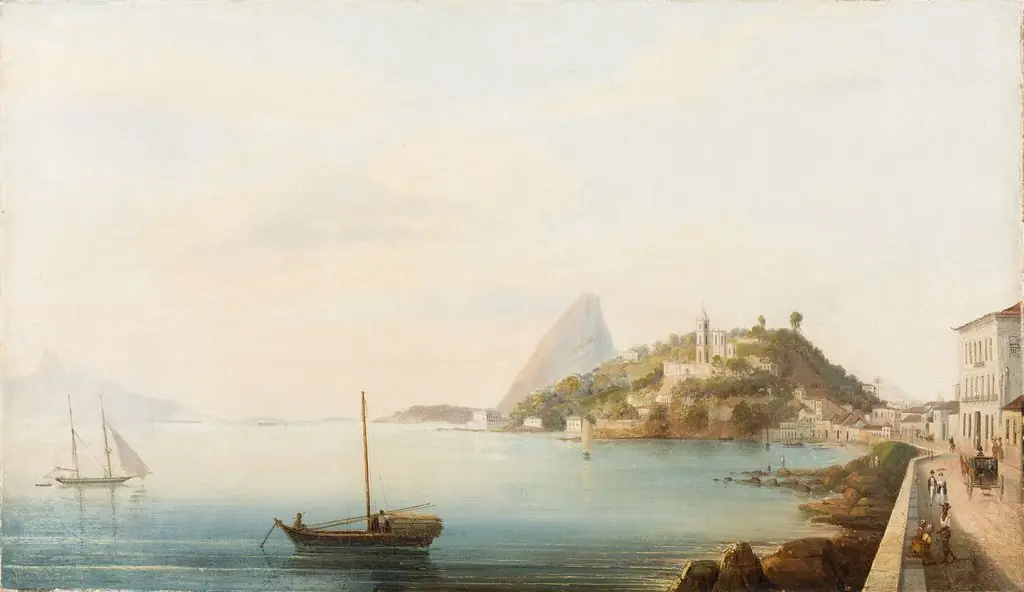 Outeiro da Glória (atribuído)
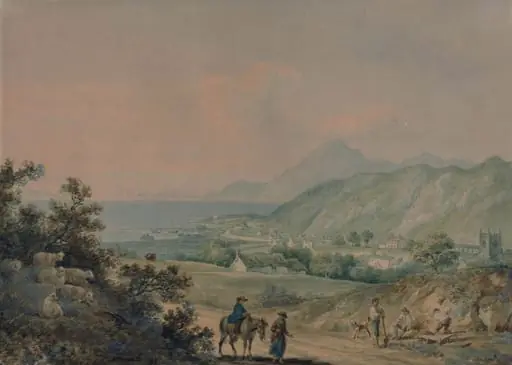 Bangor, with Penmaenmawr in the distance
 Fort St. lago, Madeira
 Praia de Botafogo com Dois Irmãos, Gávea e Corcovado ao fundo (atribuído)