Artwork
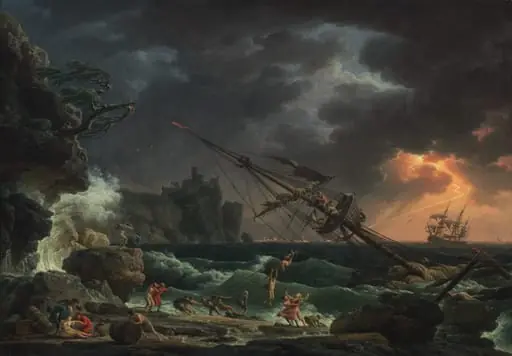
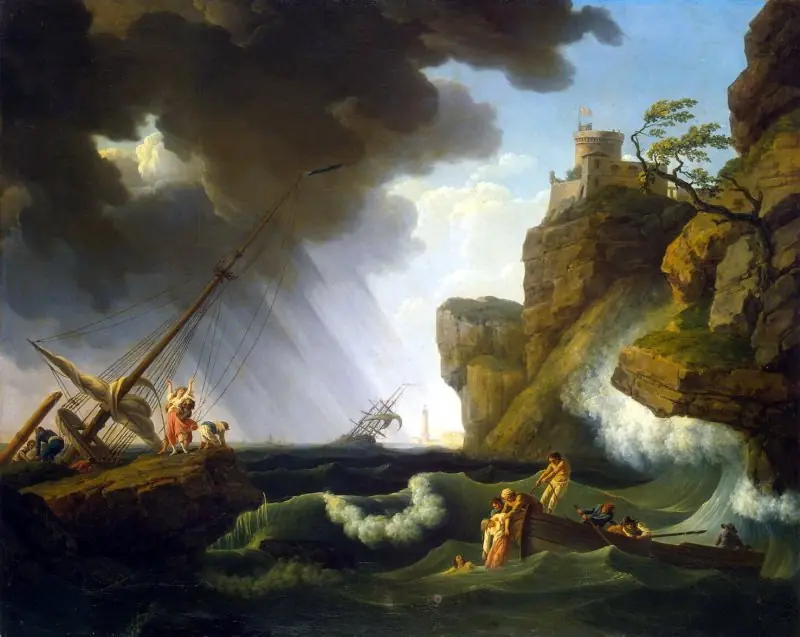
Castaways during a sea storm
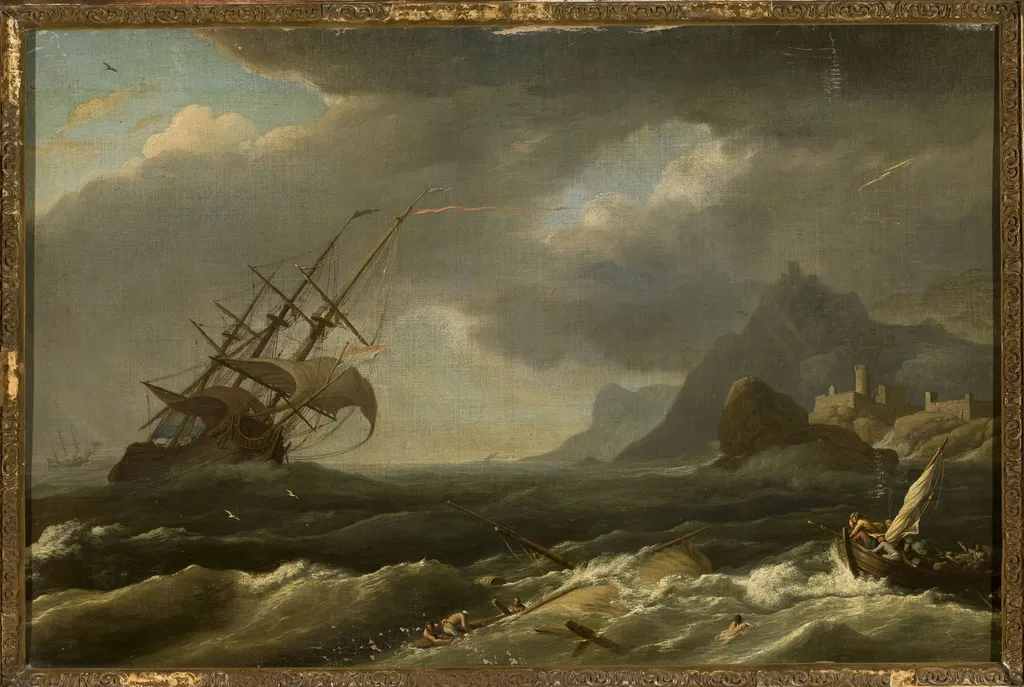
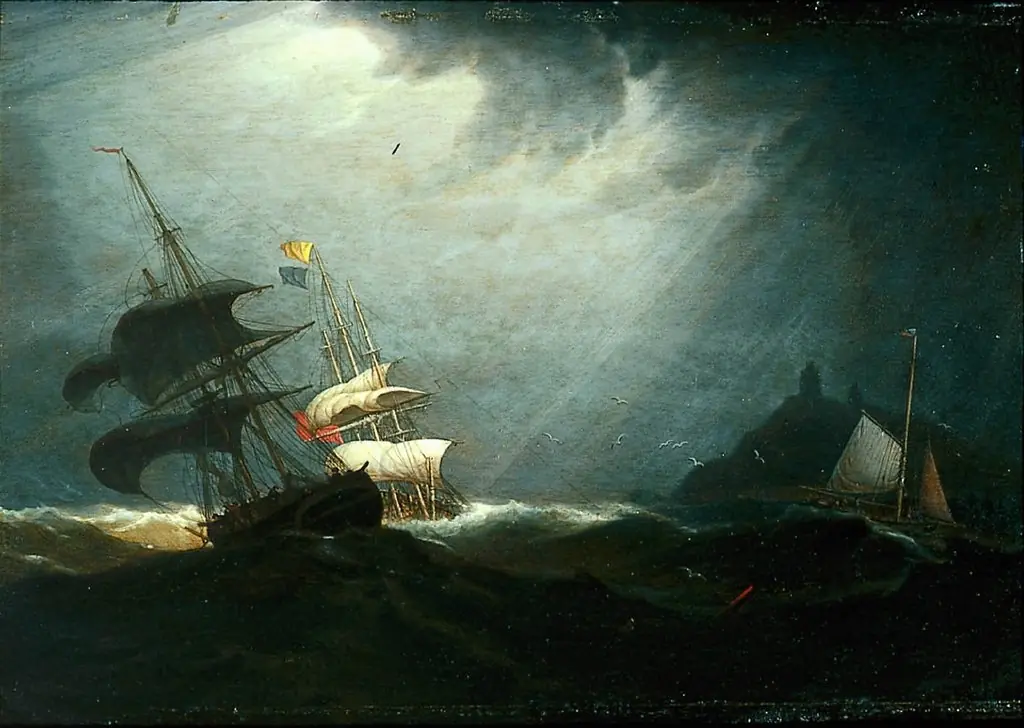
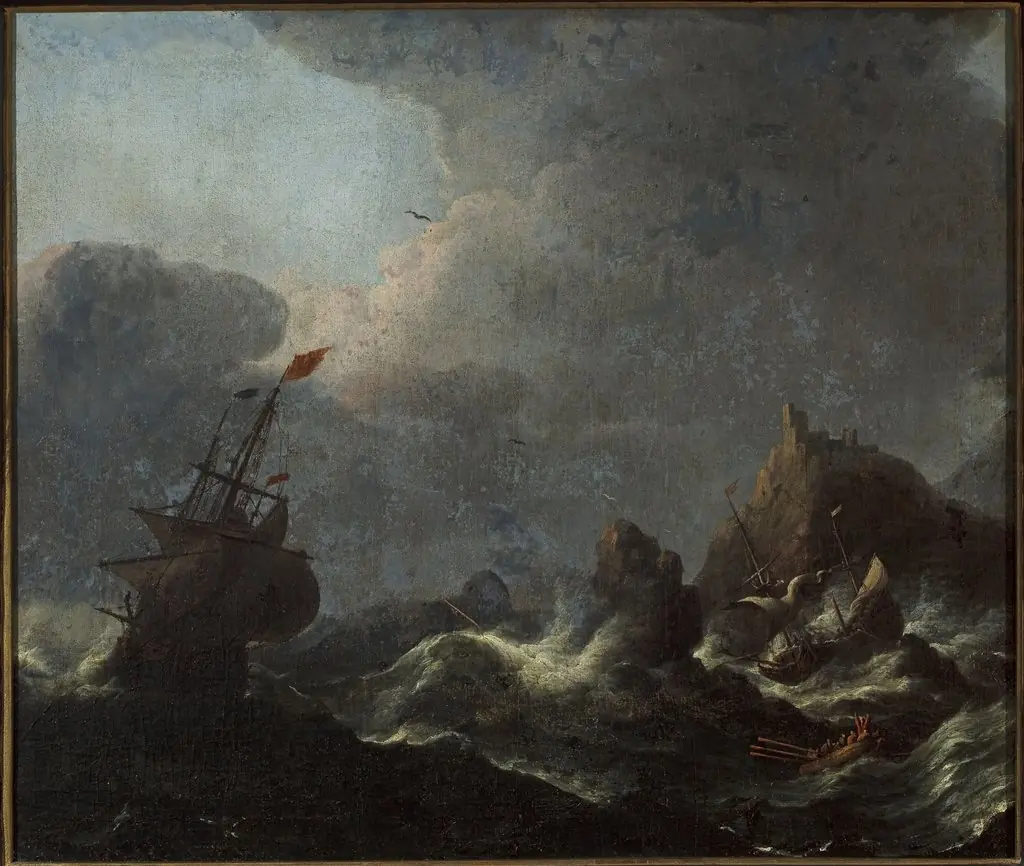
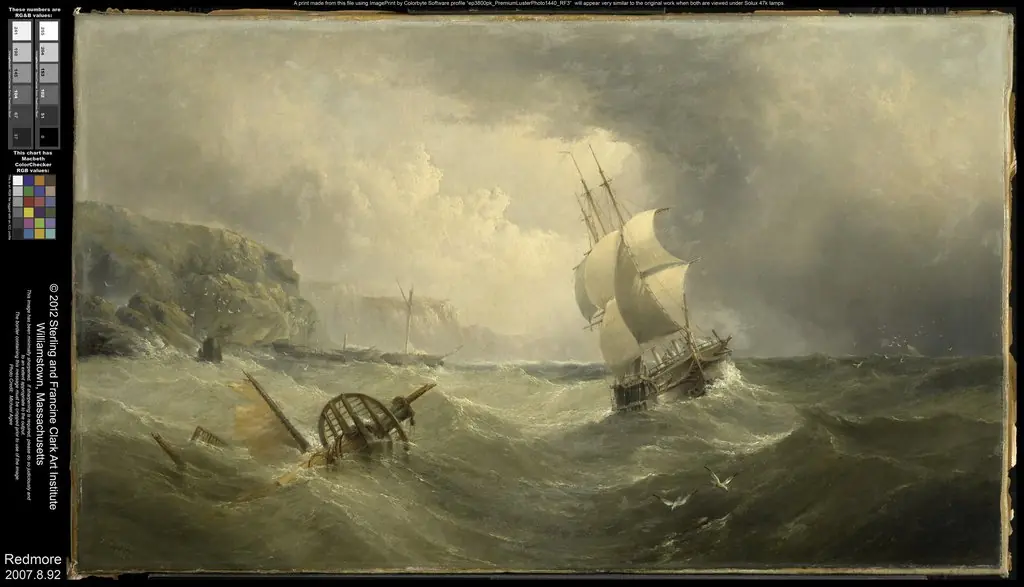
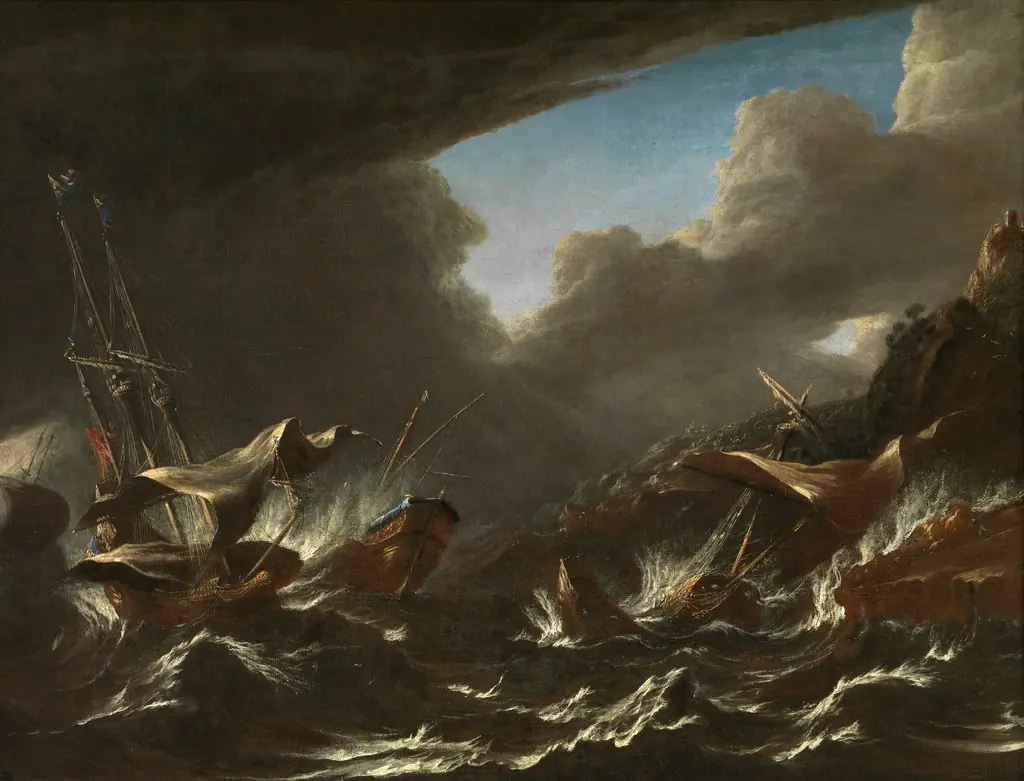
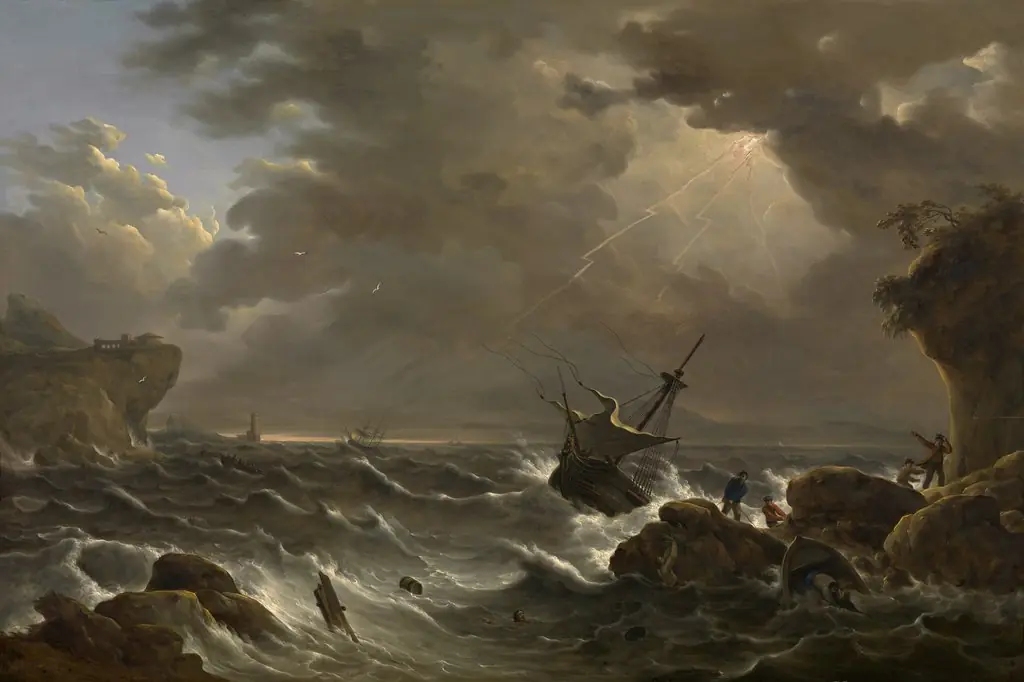
Castaways during a sea storm is an oil painting by Claude-Joseph Vernet. It is held in the collection of the National Museum in Warsaw. Joseph Vernet, an 18th-century French artist, specialized in marine subjects, and this oil painting captures a violent storm at sea.
About this work
Overview
Vernet’s interest in natural forces and maritime drama is evident here, reflecting his broader body of work focused on the sea’s unpredictability.
Joseph Vernet, an 18th-century French artist, specialized in marine subjects, and this oil painting captures a violent storm at sea. The scene portrays a vessel in ruins amid towering waves, with figures struggling in the water. It is part of the National Museum in Warsaw’s collection. Vernet’s interest in natural forces and maritime drama is evident here, reflecting his broader body of work focused on the sea’s unpredictability.
Subject & Meaning
The painting illustrates human vulnerability against the raw power of nature. Survivors cling to wreckage or flail in the churning sea, while a distant castle on a rocky shore suggests the proximity of safety that remains out of reach. The storm’s intensity, rendered without moralizing, emphasizes the indifference of the natural world to human suffering, a theme common in Enlightenment-era maritime art.
Technique & Style
Vernet employed dynamic brushwork and contrasting tones to simulate the storm’s chaos. Dark, swirling clouds and flashes of lightning cut through the scene, creating a chiaroscuro effect that heightens tension. The water is rendered with thick, textured strokes, while the distant coastline is softened to suggest depth. His use of color—deep blues, ashen grays, and sudden white highlights—enhances the sense of imminent danger.
History & Provenance
The painting entered the National Museum in Warsaw’s holdings in the 19th century, likely through European art acquisitions. Vernet’s reputation as a marine painter ensured his works circulated widely among collectors. His children, Carle and Marguerite Émilie Chalgrin, followed in his artistic footsteps, though none achieved the same level of recognition in maritime subjects.
Context
Created during a period when European art increasingly engaged with nature’s sublime forces, the painting aligns with broader trends in landscape and marine painting. Vernet’s work responded to scientific interest in weather and oceanography, as well as public fascination with naval disasters. Unlike mythological seascapes, this scene presents a plausible, unidealized catastrophe grounded in contemporary maritime experience.
Legacy
Vernet’s depiction of storm-tossed ships influenced later marine painters who sought realism over romanticism. While not widely exhibited today, the work remains a documented example of 18th-century French marine art. Its preservation in Warsaw underscores the transnational movement of artworks during the Enlightenment and Napoleonic eras, reflecting shifting cultural collections across Europe.
Artist & collection
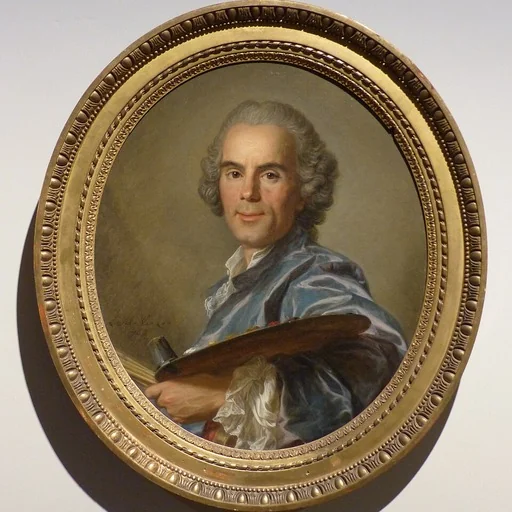
Artist
Claude-Joseph Vernet (French pronunciation: ; 14 August 1714 – 3 December 1789) was a French painter. His son Carle Vernet and daughter Marguerite Émilie Chalgrin were also painters.