Artwork
View on the Arno
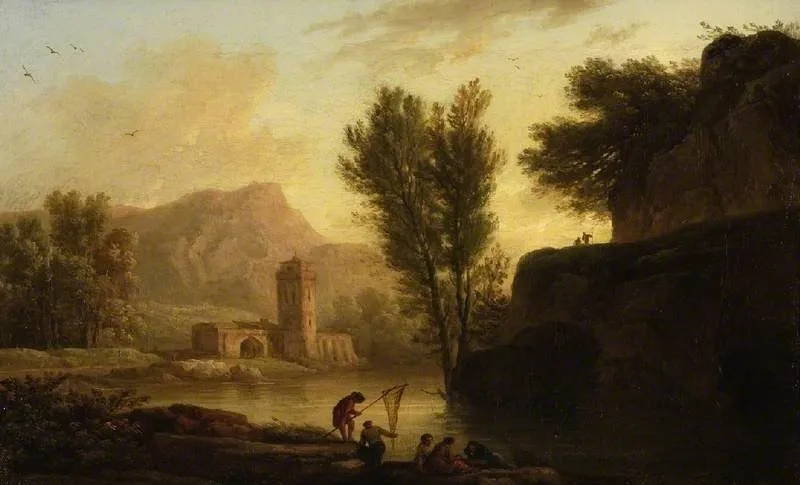
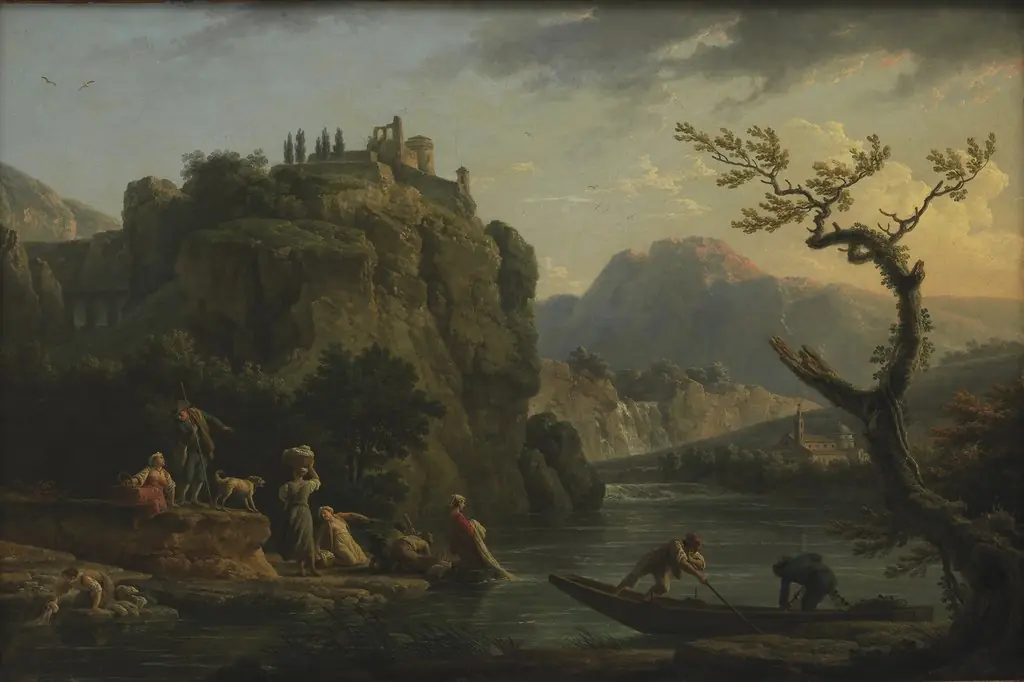
View on the Arno is an oil painting by the Rococo painting artist Claude-Joseph Vernet. It dates from 1747 and is held in the collection of the Fitzwilliam Museum. Painted in 1747, Joseph Vernet’s oil on canvas captures a quiet stretch of the Arno River in Tuscany.
About this work
Overview
The work belongs to a series of Italian landscapes Vernet produced during his years in Rome, where he studied natural light and topography.
Painted in 1747, Joseph Vernet’s oil on canvas captures a quiet stretch of the Arno River in Tuscany. The work belongs to a series of Italian landscapes Vernet produced during his years in Rome, where he studied natural light and topography. Unlike dramatic historical scenes common in his time, this piece focuses on the subtle rhythms of everyday life and the environment, reflecting a growing 18th-century interest in observed reality over idealized narrative.
Subject & Meaning
The painting portrays a tranquil riverside scene with figures engaged in mundane activities—washing, resting, or observing the water. The Arno, central to the composition, serves as both a geographical marker and a reflective surface that ties the landscape together. There is no overt symbolism; instead, the work conveys a sense of harmony between human presence and the natural world, aligning with Enlightenment-era values of observation and quiet contemplation.
Technique & Style
Vernet employed soft, layered brushwork to render atmospheric perspective, with distant hills rendered in muted blues and greens that recede gently. Warm earth tones in the foreground contrast with the cool reflections of the river, enhancing spatial depth. Light is carefully modulated to suggest late afternoon, casting long shadows and glancing highlights across surfaces. His approach avoids theatricality, favoring a restrained, observational realism rooted in direct study of nature.
History & Provenance
Vernet painted this work during his stay in Italy, where he was commissioned by French patrons to document scenic locations. The painting likely entered private collections in France soon after completion. Its documented history includes early 19th-century acquisitions by French aristocrats and later institutional holdings, though its exact path through private hands remains partially untraced. It has remained in European collections since its creation.
Context
Created during the height of the Grand Tour, the painting reflects a European elite’s fascination with Italian landscapes as sites of cultural and aesthetic pilgrimage. Vernet’s focus on unidealized, lived-in scenery diverged from the mythological landscapes of earlier generations. His work contributed to a shift in taste toward topographical accuracy and emotional restraint, influencing later landscape traditions in both France and England.
Legacy
Vernet’s Arno view exemplifies a transitional moment in landscape painting—between idealized composition and empirical observation. While not widely exhibited today, it remains a representative example of 18th-century French artists engaging with Italian scenery. Its quiet realism helped pave the way for the more naturalistic approaches of the 19th century, particularly among the Barbizon painters who valued direct study of light and terrain.
Artist & collection
Artist
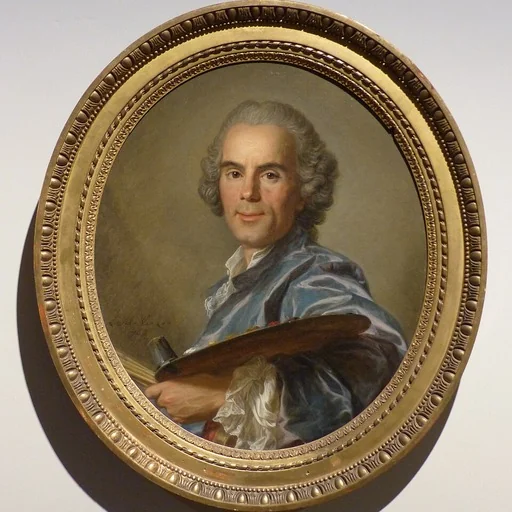
Claude-Joseph Vernet (French pronunciation: ; 14 August 1714 – 3 December 1789) was a French painter. His son Carle Vernet and daughter Marguerite Émilie Chalgrin were also painters.

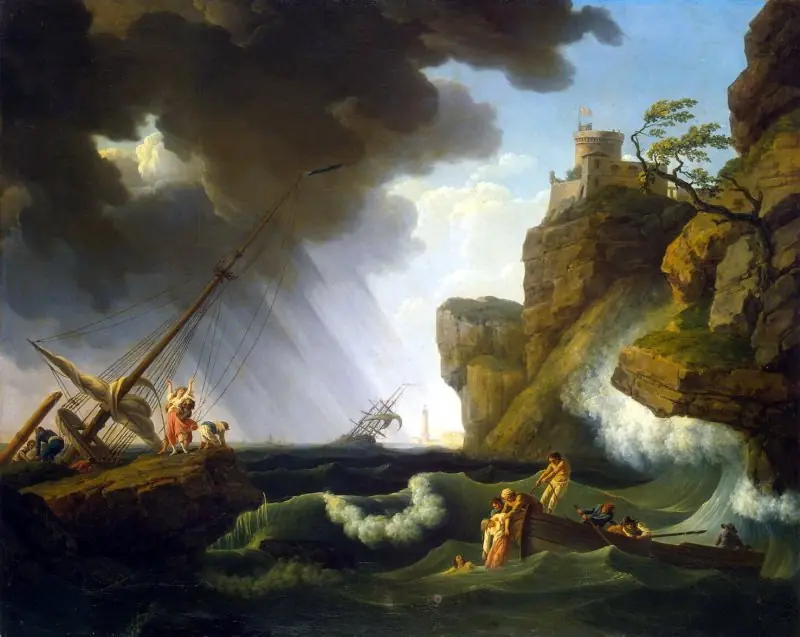
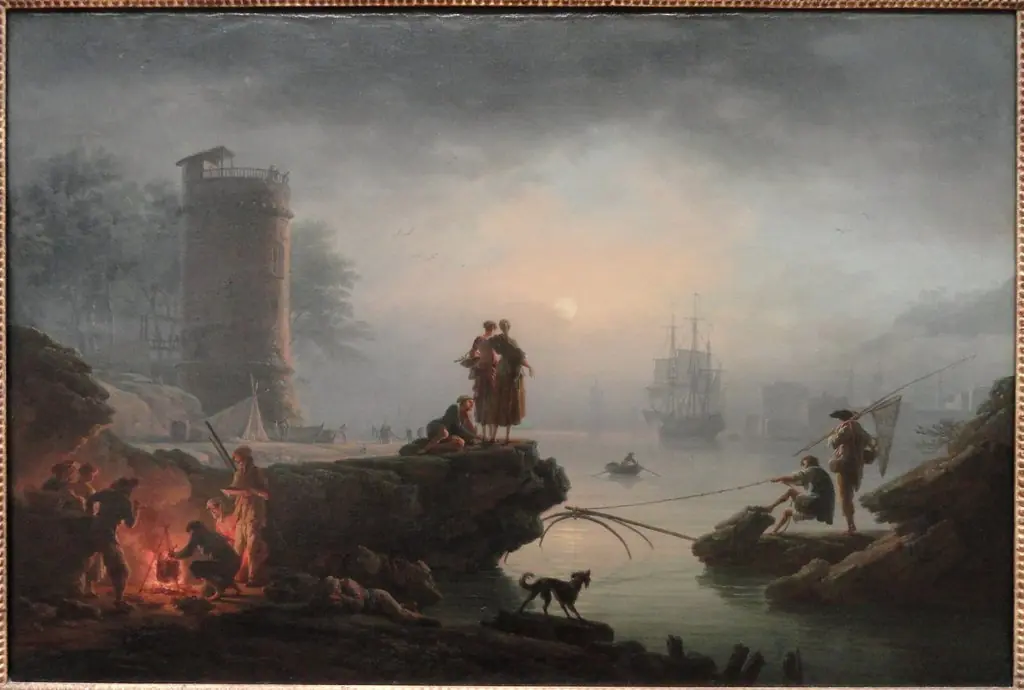
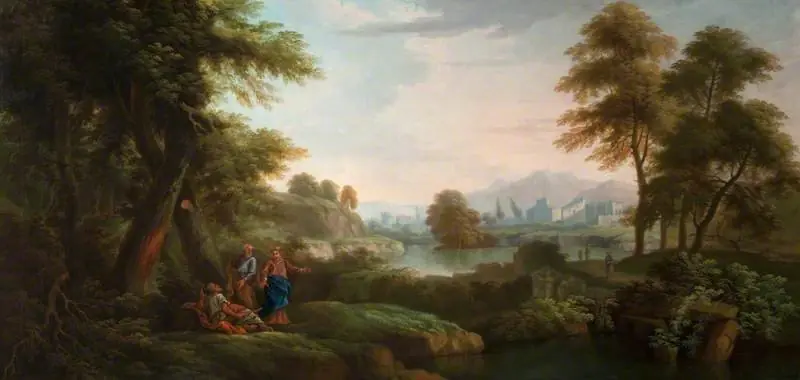 Classical Landscape with Trees and a Lake
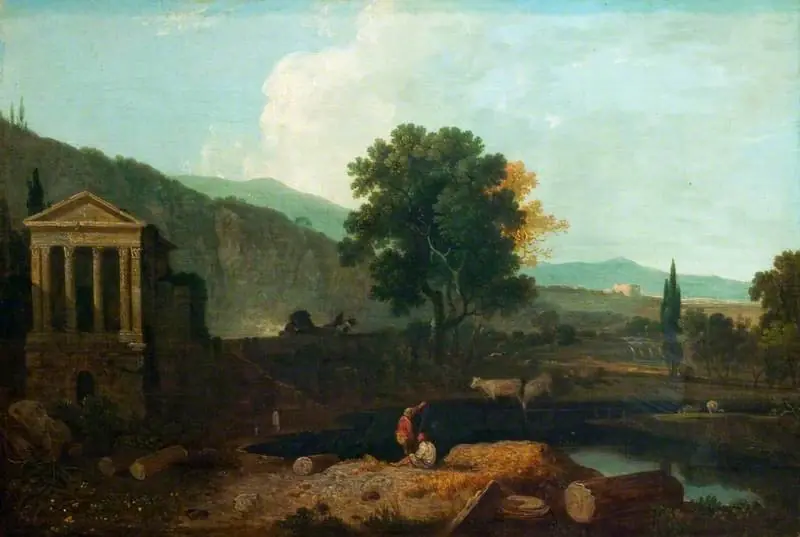 Landscape with the Temple of Clitumnus, near Spoleto
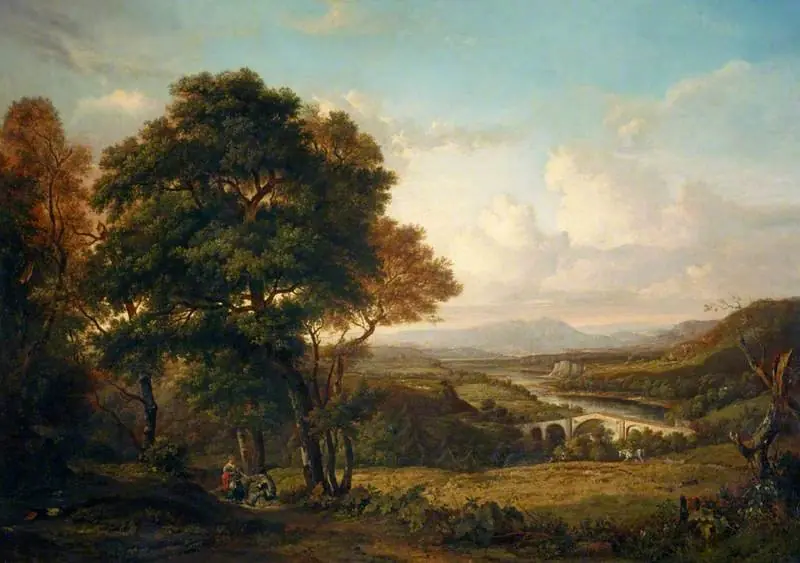 The Valley of the Tweed
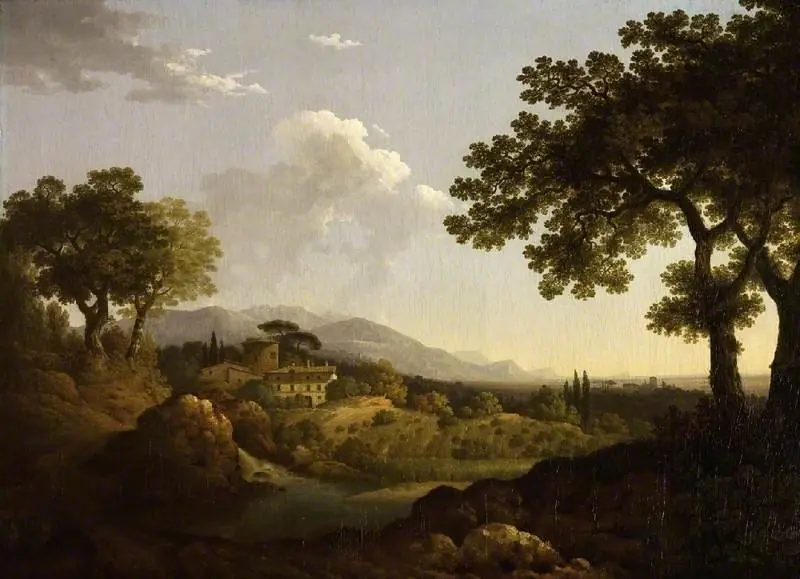 View near Naples
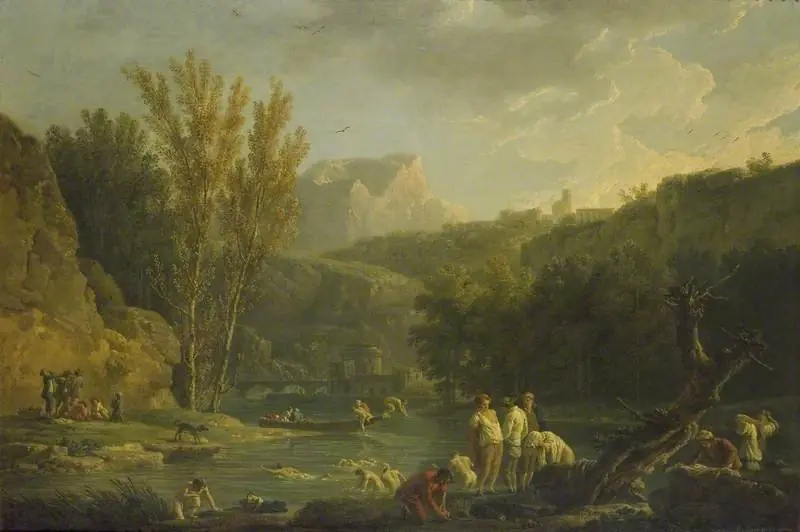 River Scene with Bathers
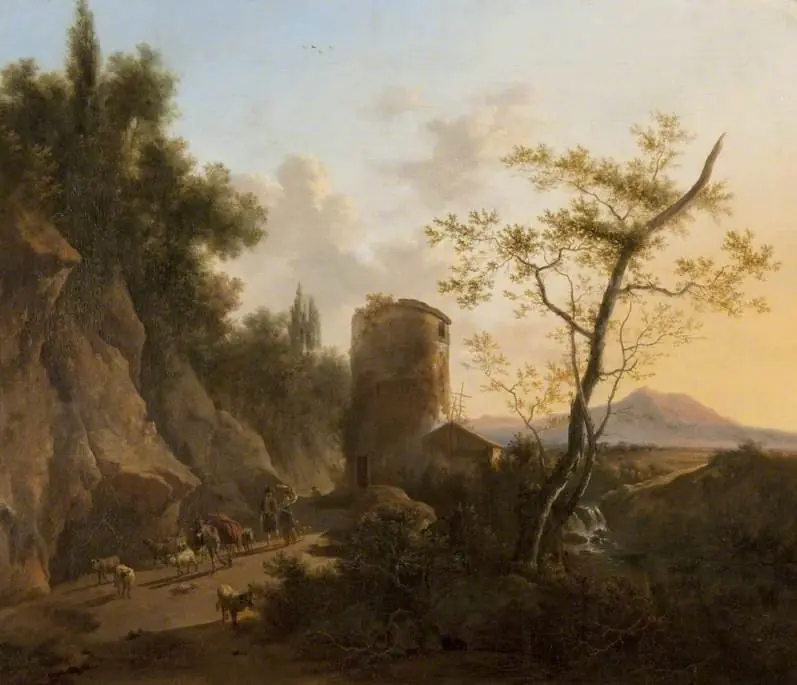 Landscape with a Ruined Tower and Figures
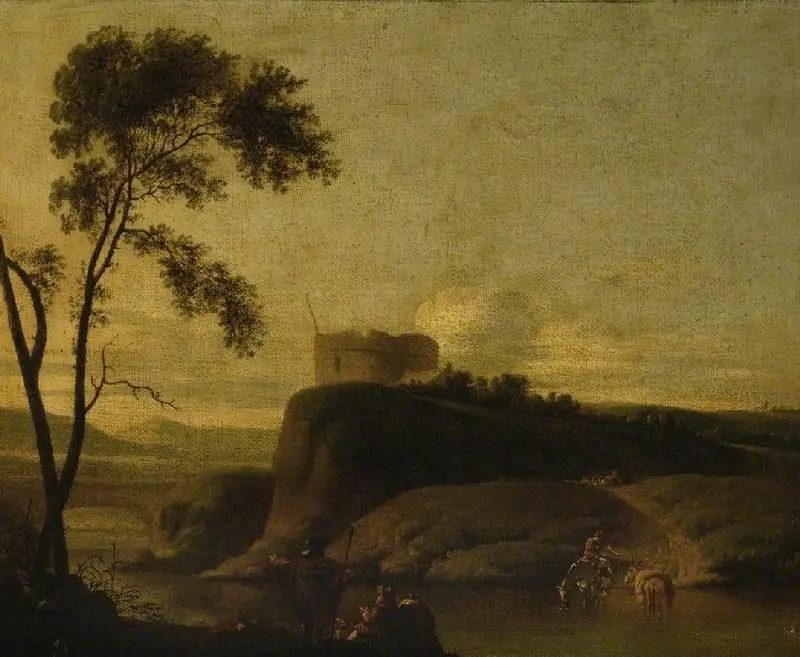 Italian landscape
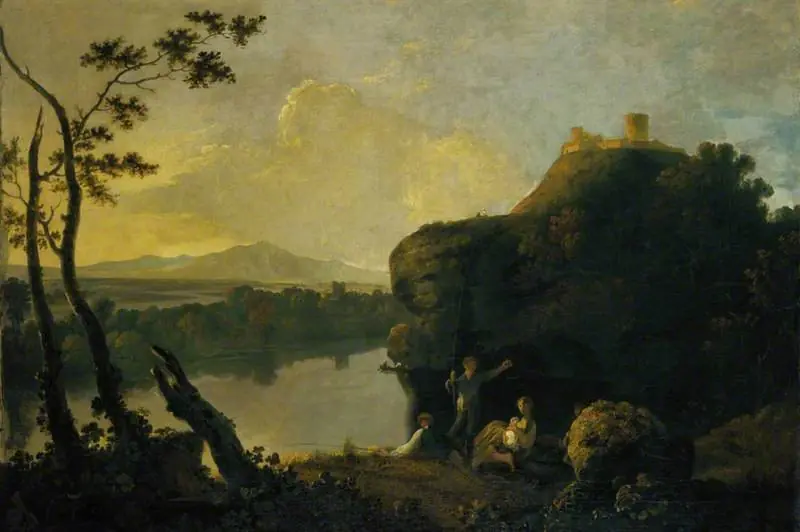 A River Scene with a Castle and Figures
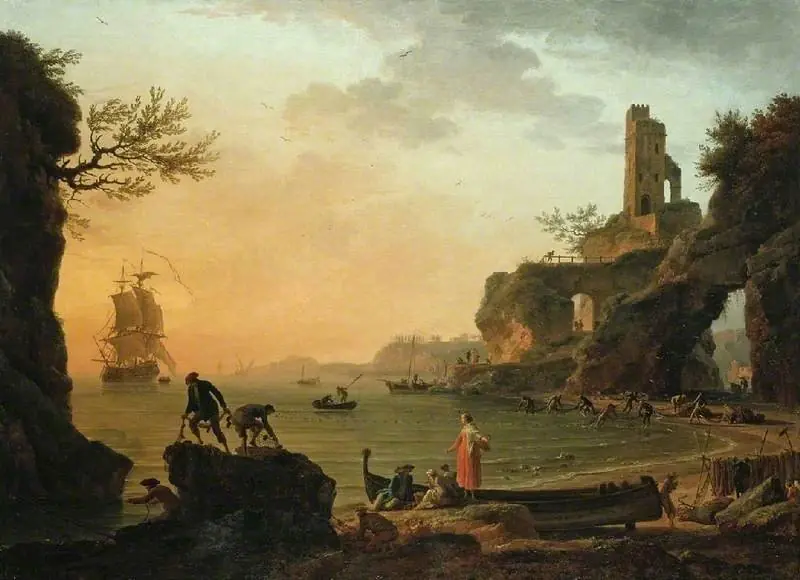 Sunset
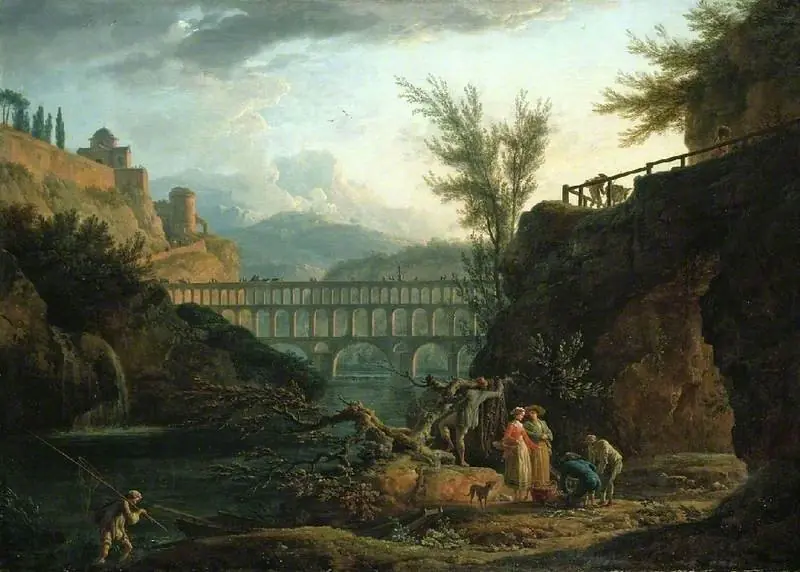 Noon
Noon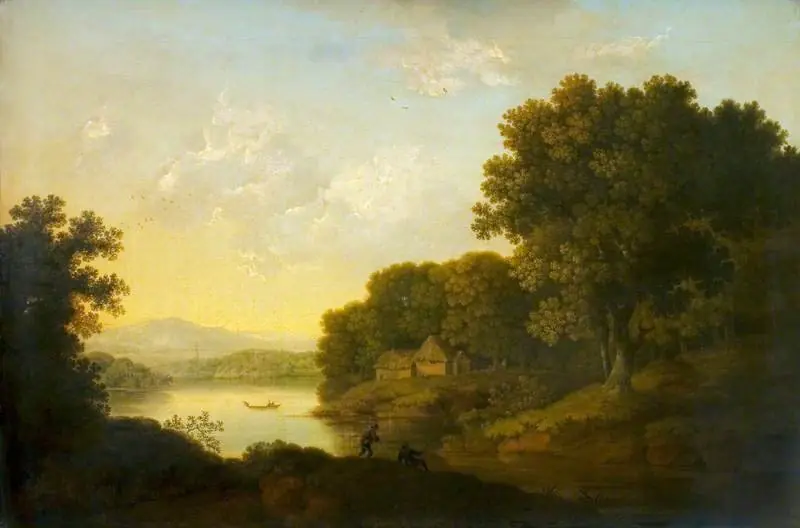 Lake Scene with a Boat and Anglers
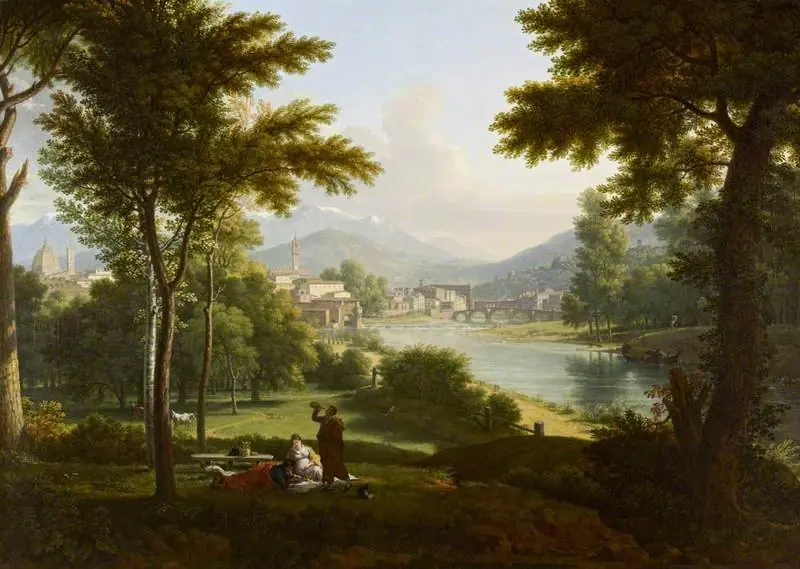 A View of Florence from the North Bank of the Arno