Artwork
An Iron Forge
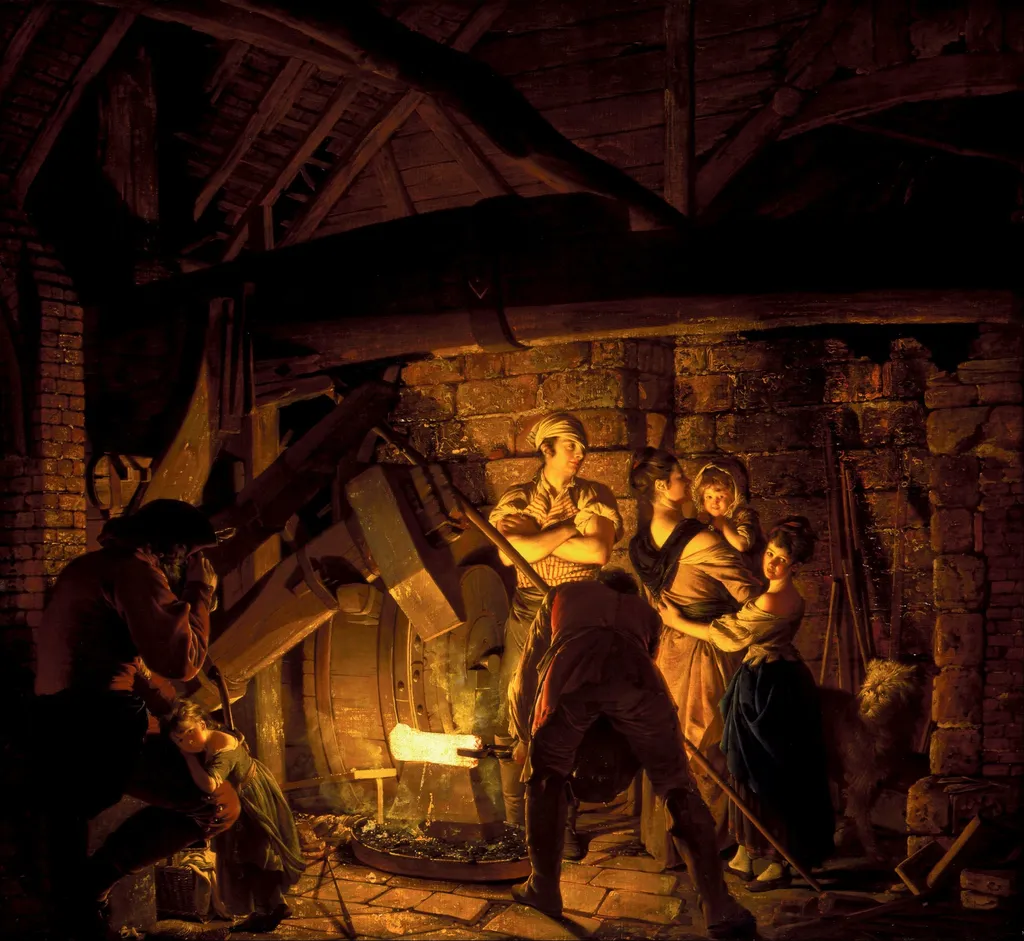
An Iron Forge is an oil painting by the Rococo painting artist Joseph Wright of Derby. It dates from 1772 and is held in the collection of the Tate Britain.
About this work
This is a genre painting called An Iron Forge. It was made by Joseph Wright of Derby in 1772.
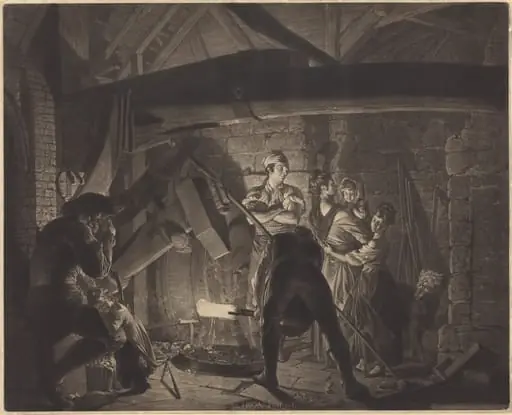
The painting is part of a series of five paintings featuring a blacksmith's shop. It focuses on a traditional form of smaller blacksmith, but also includes modern devices like a water-powered trip hammer.
You can learn more about the artist's use of techniques like glazing at the Tate Britain.
Overview
An Iron Forge, painted in 1772 by Joseph Wright of Derby, is one of five works depicting blacksmithing environments created between 1771 and 1773.
An Iron Forge, painted in 1772 by Joseph Wright of Derby, is one of five works depicting blacksmithing environments created between 1771 and 1773. Executed in oil on canvas, the painting captures a modest forge rather than a large industrial site. It was exhibited at the Society of Artists of Great Britain in London the year it was completed and is now held by Tate Britain, having entered the collection in 1992.
Subject & Meaning
The scene portrays a quiet, labor-intensive workshop where traditional hand-forging coexists with emerging mechanization. A water-powered trip hammer operates in the background, suggesting technological transition. The figures, engaged in focused work under dramatic lighting, convey dignity in manual labor without overt romanticism or industrial glorification.
Technique & Style
Wright employs chiaroscuro to model forms and direct attention, a hallmark of his approach to nocturnal and interior scenes. The forge’s glow illuminates faces and tools with precision, while the surrounding shadows deepen the sense of enclosure. Glazing techniques enhance the warmth of metallic surfaces and the texture of soot and smoke, grounding the scene in tangible realism.
History & Provenance
The painting was first shown in 1772 at the Society of Artists in the Strand, London. An engraving by Richard Earlom followed in 1773, extending its reach. It remained in private hands for over two centuries before being acquired by Tate Britain in 1992, where it now resides as part of the national collection of British art.
Context
While Wright is often associated with Enlightenment-era industrial themes, this work reflects a transitional moment: small-scale forges still operated alongside emerging mechanized factories. The inclusion of the trip hammer signals technological change, yet the intimate scale and human-centered composition emphasize continuity with pre-industrial craft traditions.
Legacy
An Iron Forge contributes to a broader 18th-century interest in depicting labor with psychological depth. Its balance of observation and atmosphere influenced later realist painters. Though not widely reproduced in its time, its presence in Tate Britain ensures its role in discussions of British art’s engagement with work, technology, and light.
Own this work as a print
Artist & collection
Artist
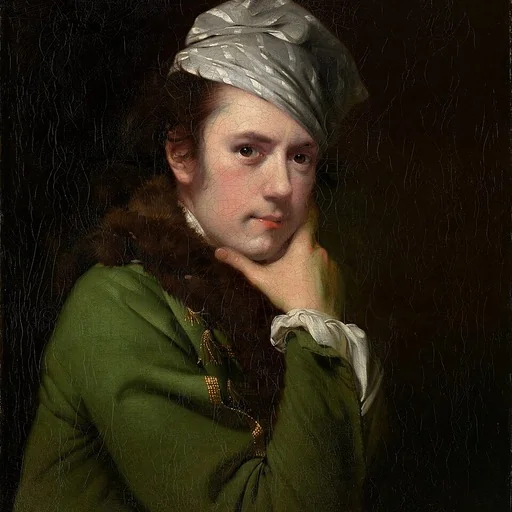
Joseph Wright (3 September 1734 – 29 August 1797), styled Joseph Wright of Derby, was an English painter who specialised in portrait painting and landscape art.

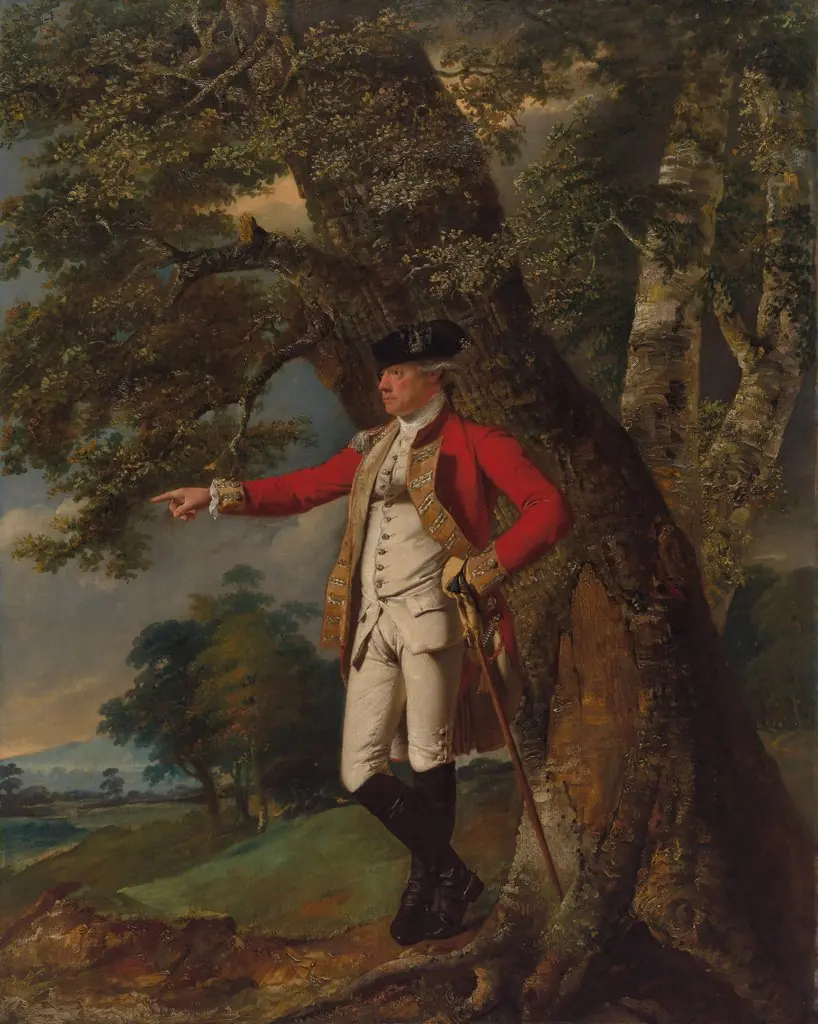 Portrait of Colonel Charles Heathcote
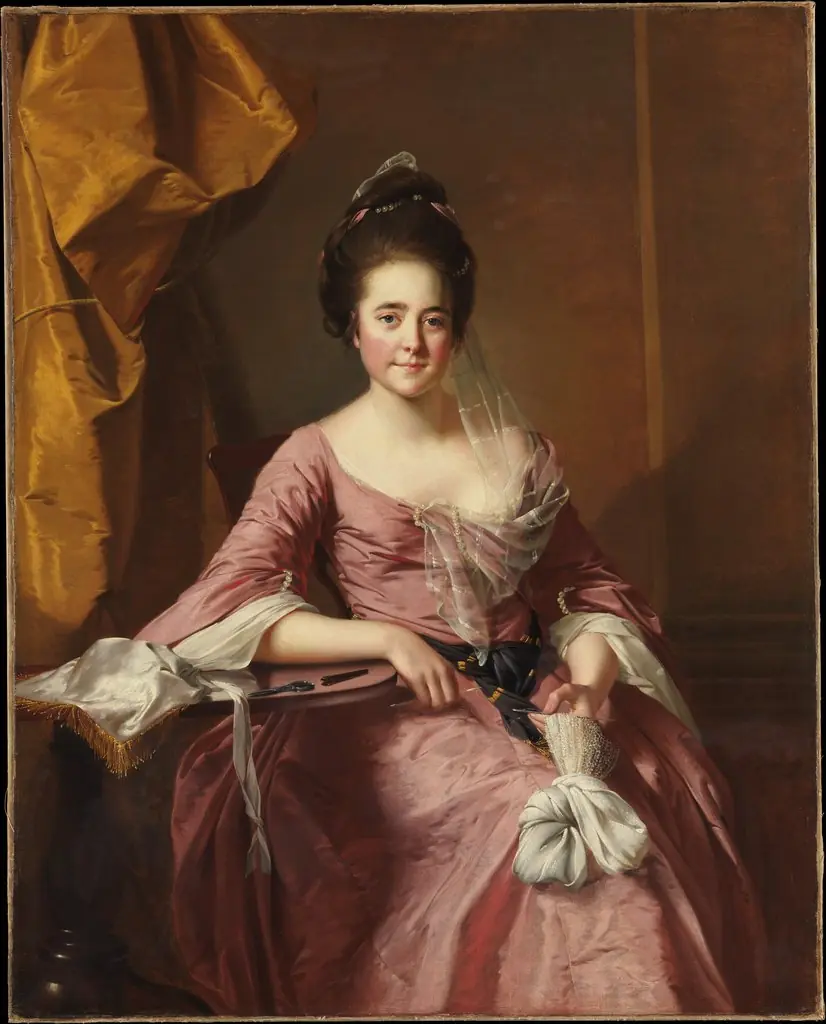 Portrait of a Woman
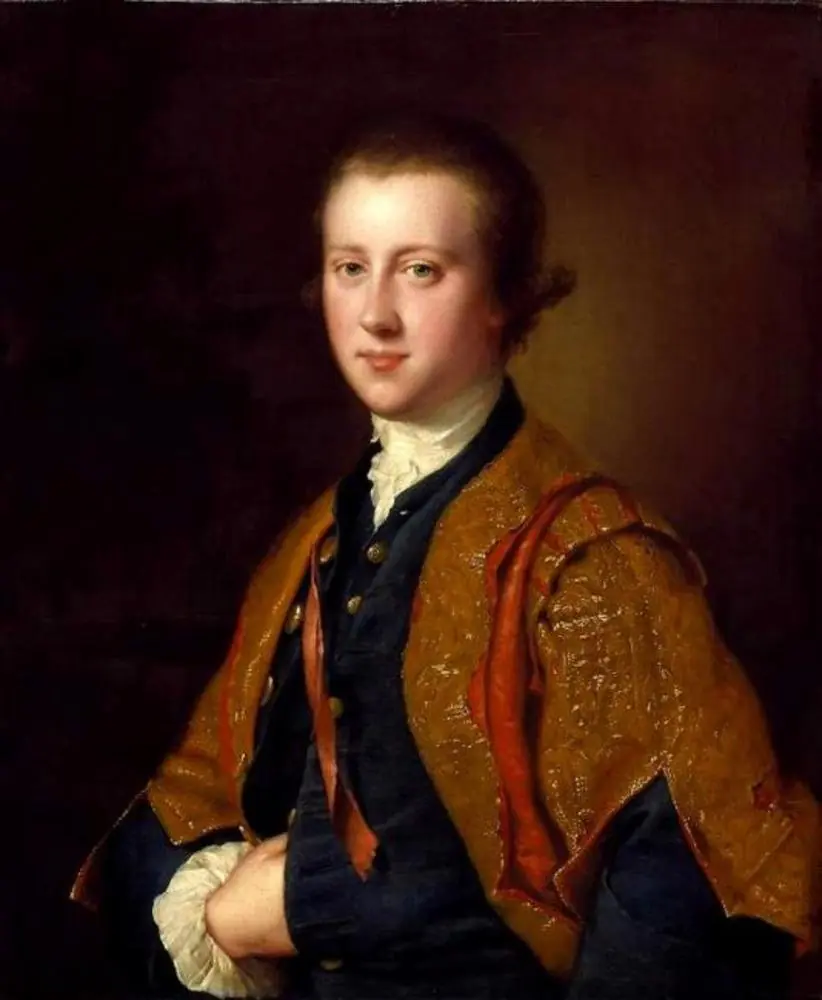 The Hon. Richard Fitzwilliam, 7th Viscount Fitzwilliam of Merrion
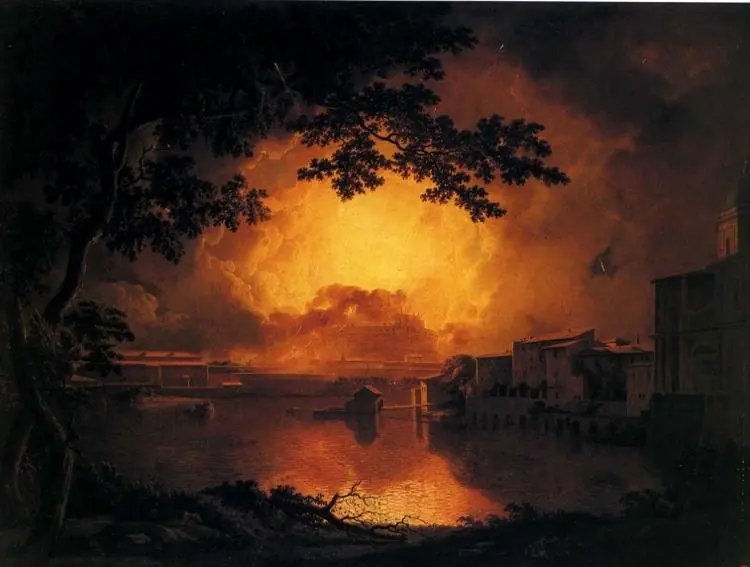 The Girandola at the Castel Sant'Angelo in Rome
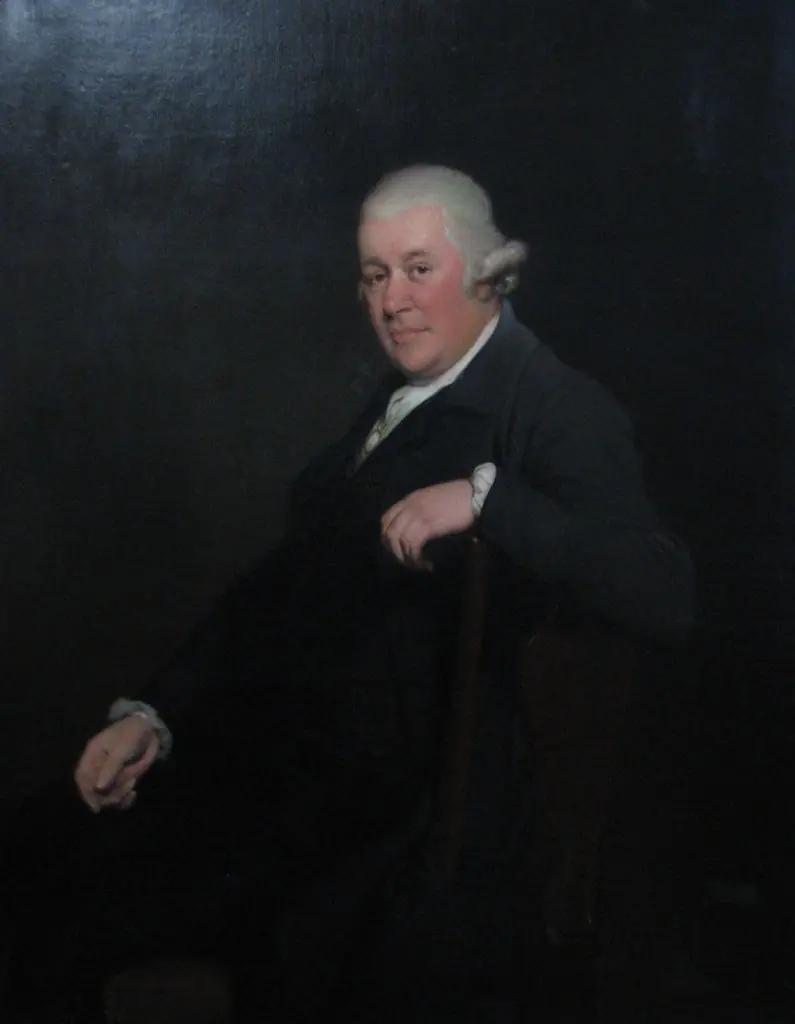 Reverend Basil Bury Beridge
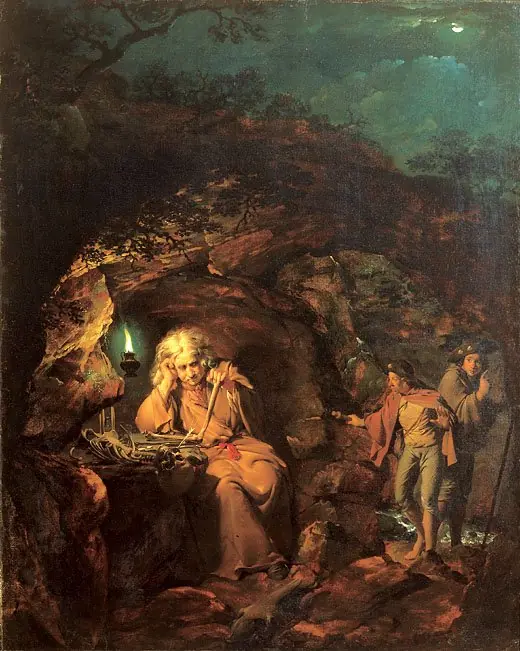 A Philosopher by Lamplight
 Portrait of Alexander B. Fock (1763-1825)
 Portrait of Fyodor A. Lindfors (1760-1813)