Artwork
Portrait of Robert Henley, 2nd Earl of Northington (1747-1786), Lord Lieutenant of Ireland
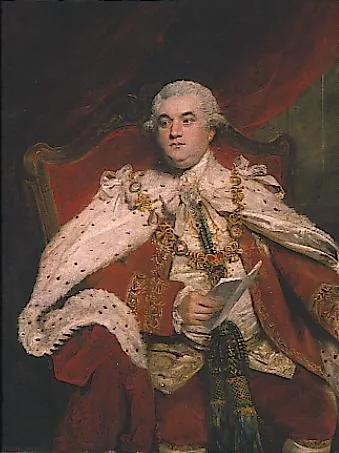
Portrait of Robert Henley, 2nd Earl of Northington (1747-1786), Lord Lieutenant of Ireland is an oil painting by the Rococo painting artist Joshua Reynolds. It dates from 1792 and is held in the collection of the National Gallery of Ireland.
About this work
Overview
Painted in 1792 by Sir Joshua Reynolds, this oil portrait captures Robert Henley, the 2nd Earl of Northington, during his tenure as Lord Lieutenant of Ireland.
Painted in 1792 by Sir Joshua Reynolds, this oil portrait captures Robert Henley, the 2nd Earl of Northington, during his tenure as Lord Lieutenant of Ireland. Reynolds, a leading figure in British portraiture and the first president of the Royal Academy, employed his signature Grand Style to convey authority and refinement. The work is part of the National Gallery of Ireland’s collection, reflecting its significance in the nation’s artistic heritage.
Subject & Meaning
Robert Henley is depicted in the full regalia of his official role, his posture and attire signaling political stature. The paper in his hand suggests engagement with state affairs, while the cane implies both dignity and physical presence. The elaborate robes and powdered wig align with aristocratic conventions of the time, reinforcing his status. The composition avoids overt drama, favoring a composed, dignified bearing that reflects Enlightenment ideals of leadership.
Technique & Style
Reynolds used thick applications of oil paint—impasto—to render the gold embroidery on Henley’s robes, creating a luminous, tactile effect that catches the light. The rich red velvet chair and deep background curtain add depth, while the contrast between the textured fabric and smooth skin tones enhances realism. His brushwork balances precision with a sense of spontaneity, characteristic of his Grand Style, which fused classical ideals with observed detail.
History & Provenance
Commissioned during Henley’s service in Ireland, the portrait was likely intended to affirm his authority in a politically sensitive role. It entered the National Gallery of Ireland’s collection in the 19th century, possibly through donation or acquisition from the Henley family. Its preservation reflects its importance as a record of aristocratic representation in late 18th-century Britain and Ireland.
Context
Painted near the end of Reynolds’s career, this work aligns with his broader project of elevating portraiture to the status of history painting. Henley’s position as Lord Lieutenant placed him at the center of British rule in Ireland, a role fraught with tension. The portrait’s formal elegance contrasts with the political instability of the era, offering a curated image of stability and order.
Legacy
The portrait stands as a testament to Reynolds’s influence on British portraiture and his ability to merge social status with artistic sophistication. It remains a key example of how elite identity was visually constructed in the late 18th century. Its continued display in Dublin underscores its role in shaping historical narratives of British-Irish governance and aristocratic culture.
Artist & collection
Artist
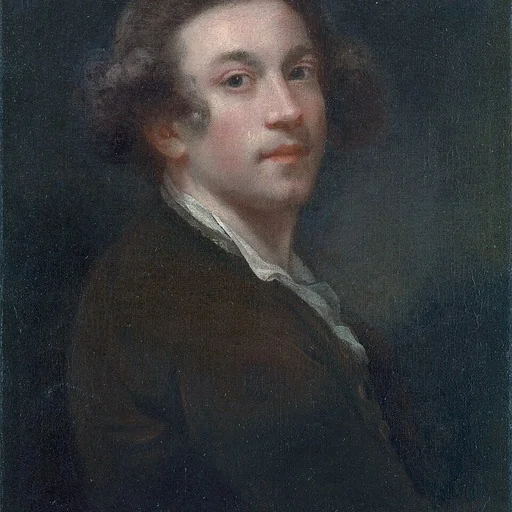
Sir Joshua Reynolds (16 July 1723 – 23 February 1792) was an English painter who specialised in portraits.

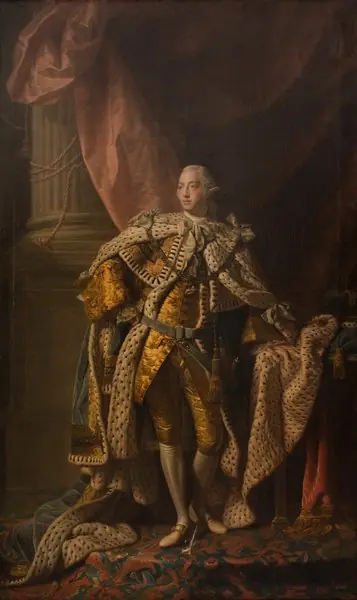 George III of England
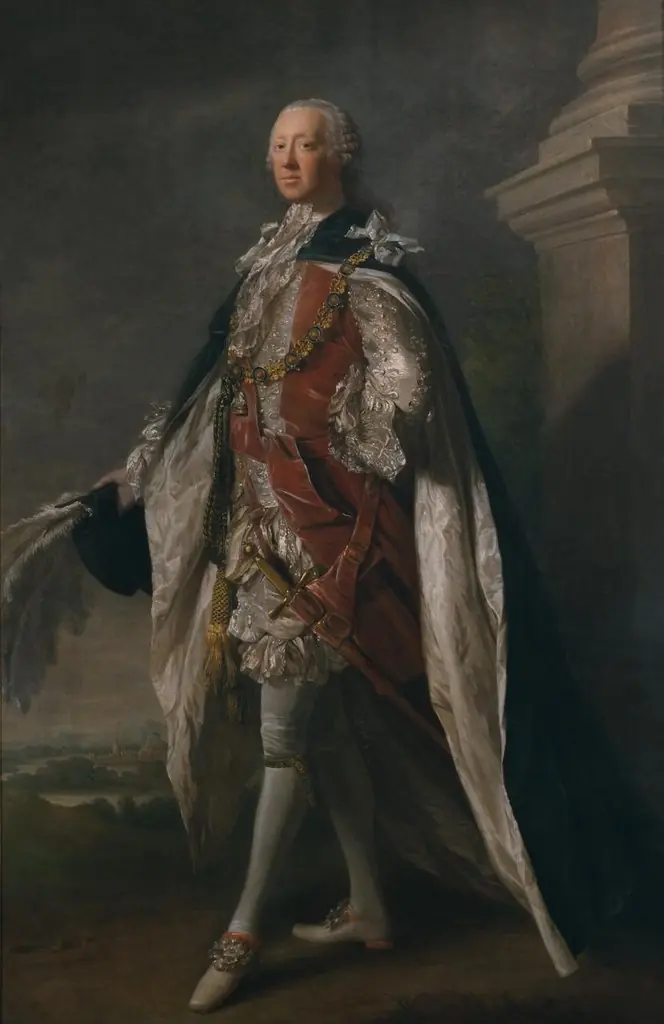 Richard Grenville, 2nd Earl Temple
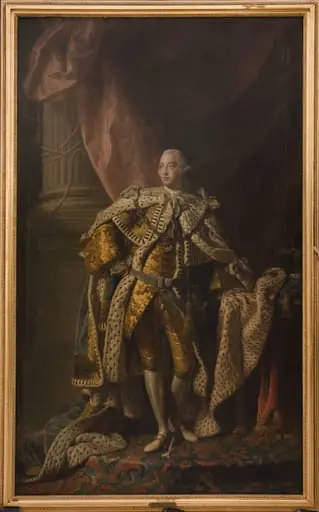 George III of England
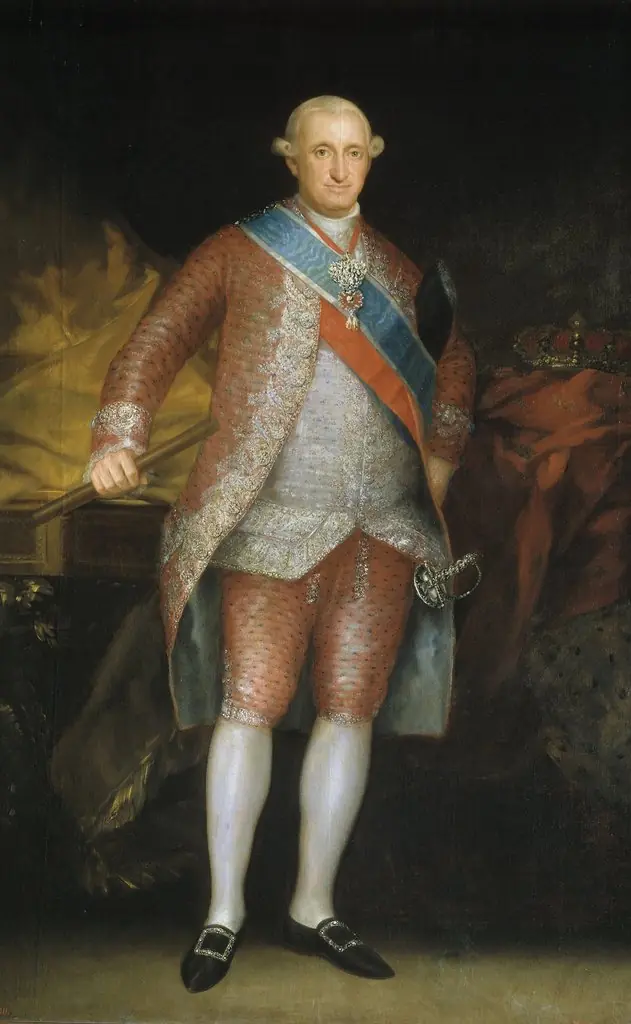 Charles IV in Court Dress
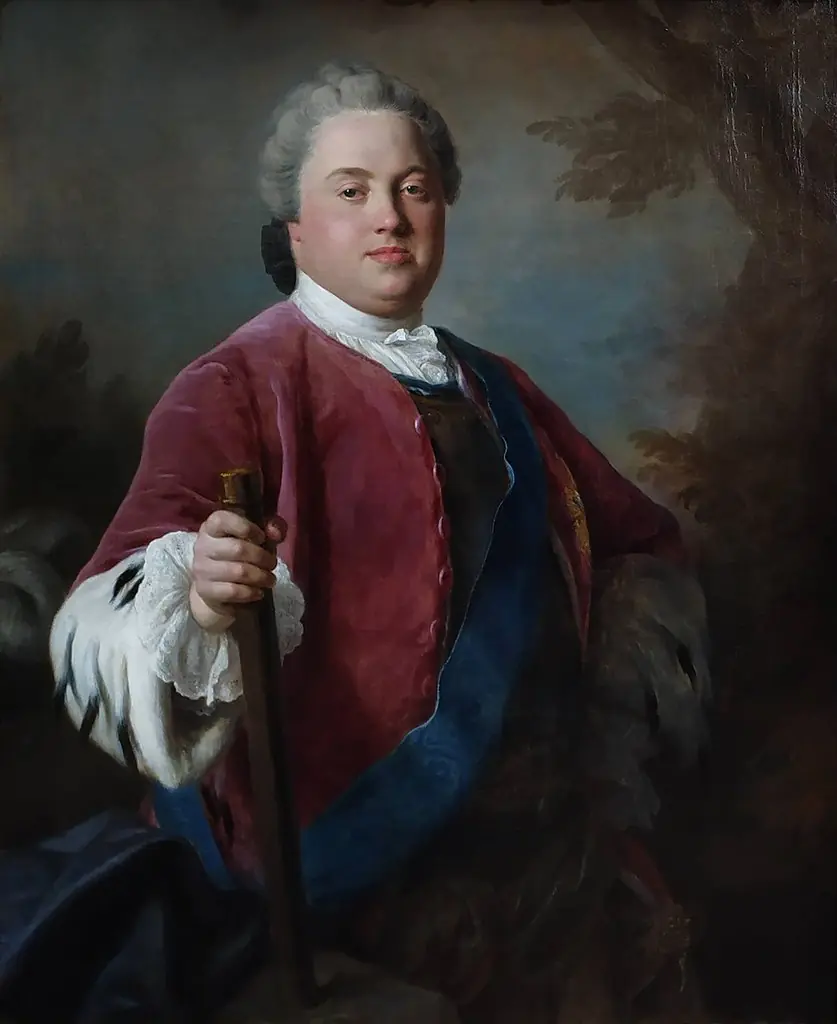 Elector Frederick Christian of Saxony (1722-1763)
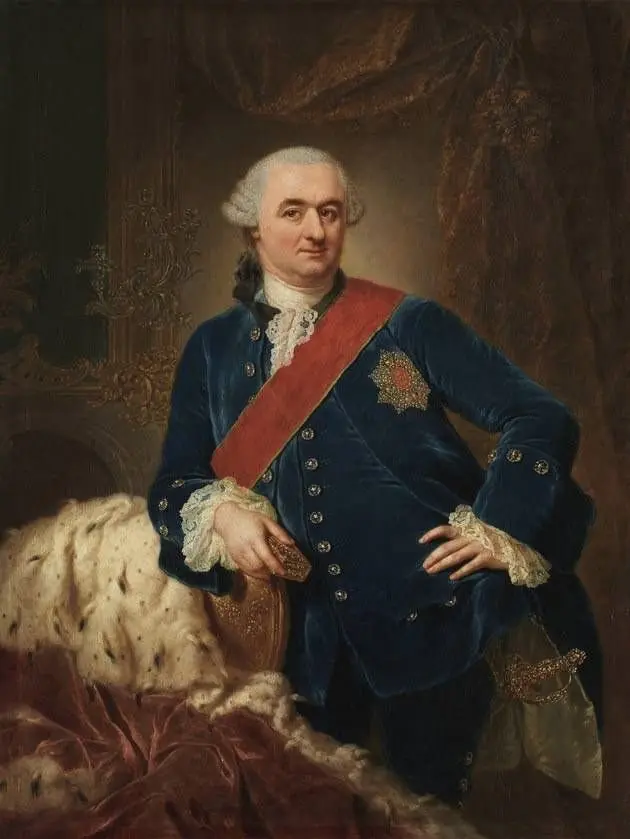 Bildnis des Kurfürsten Karl Theodor von der Pfalz und Bayern (1724-1799) im blauen Samtanzug
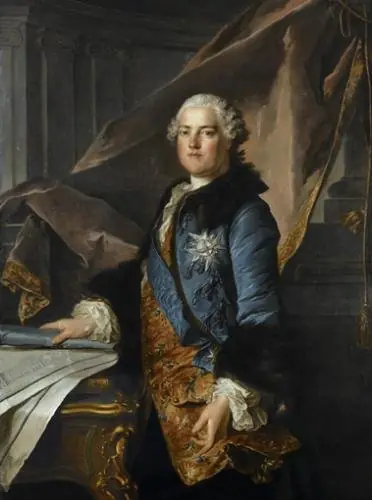 portrait of Marquês de Marigny (1728-1781)
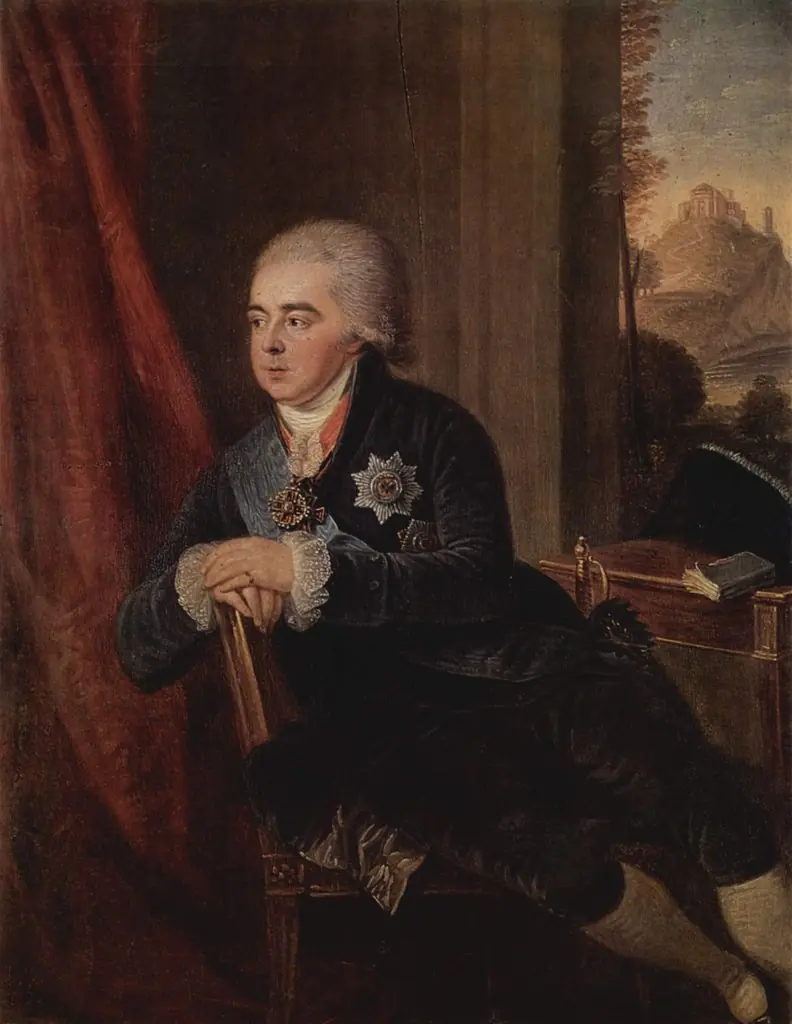 Portrait of Prince Alexander B. Kurakin