Artwork
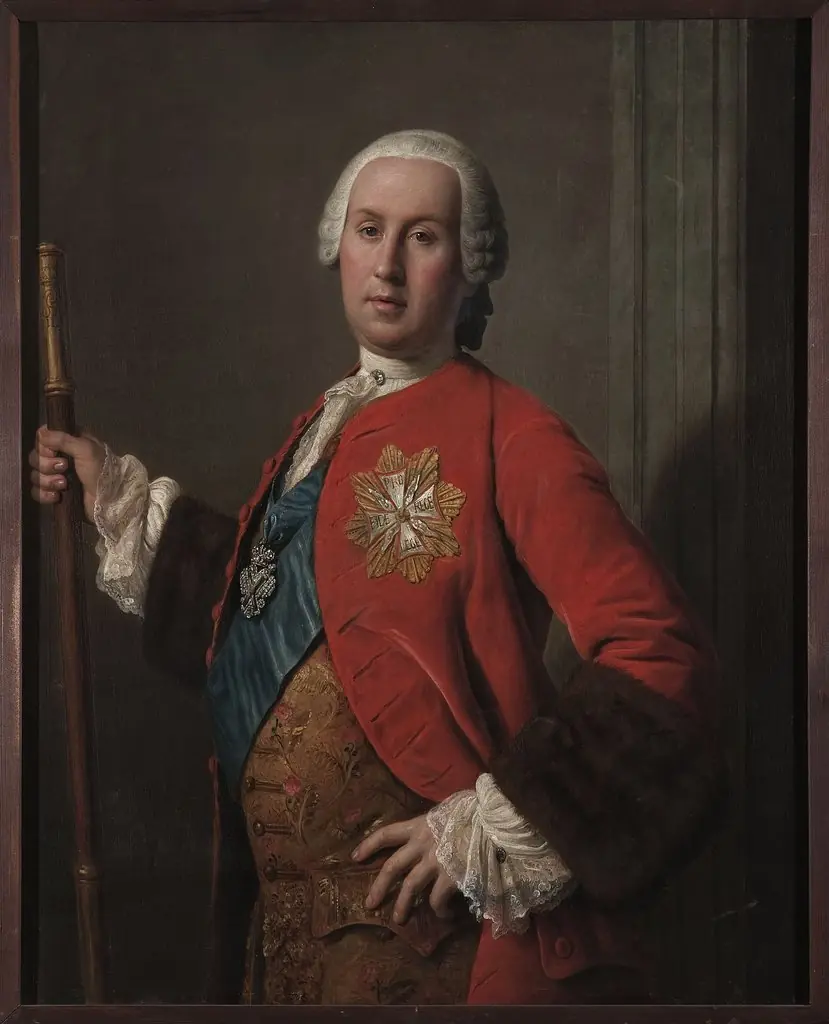
Elector Frederick Christian of Saxony (1722-1763)
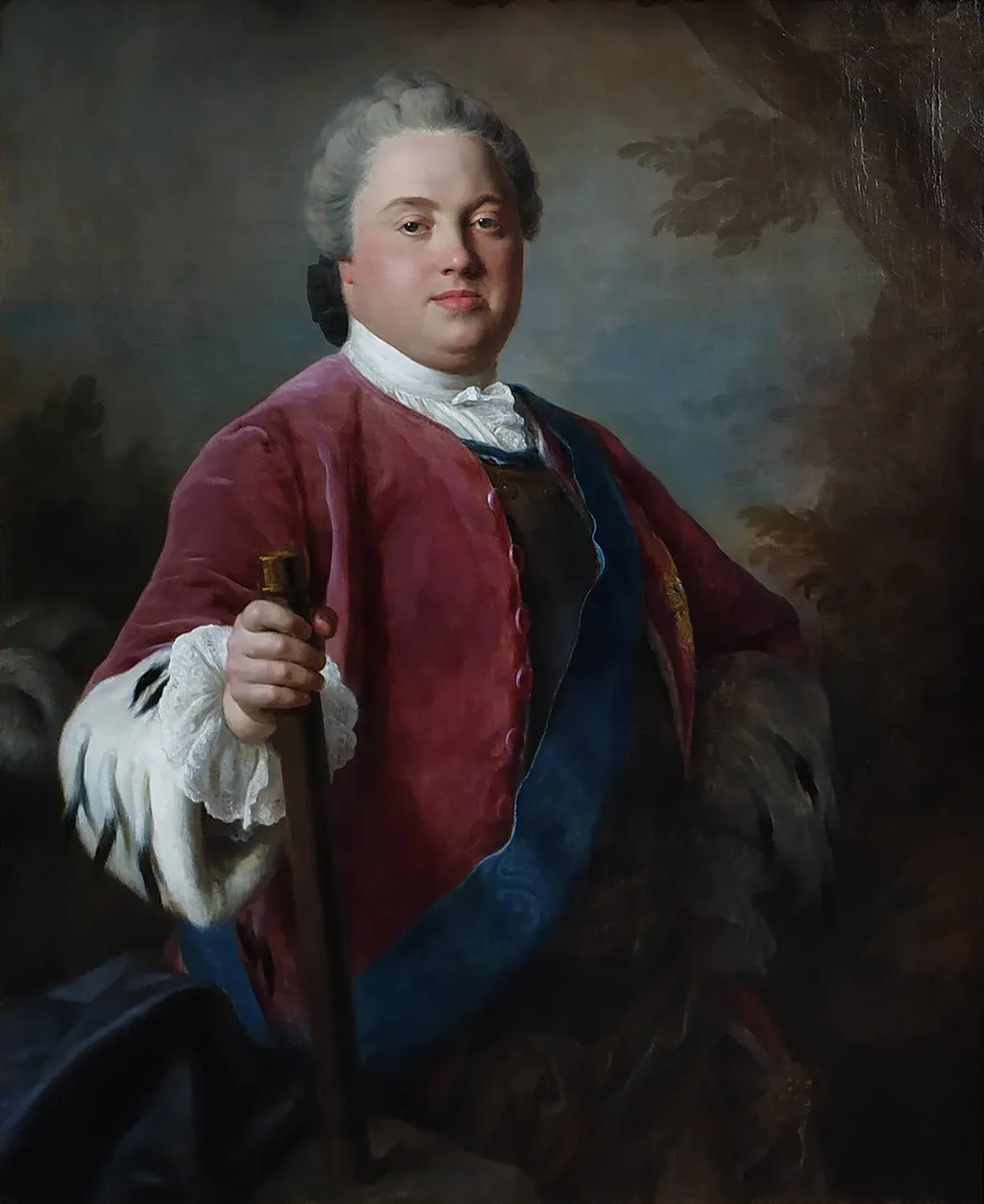
Elector Frederick Christian of Saxony (1722-1763) is an oil painting by the Rococo painting artist Pietro Rotari. It dates from 1755 and is held in the collection of the Gemäldegalerie Alte Meister.
About this work
Overview
It portrays Frederick Christian I, Elector of Saxony, and is part of a broader series of aristocratic portraits Rotari produced across European courts.
Pietro Rotari, an Italian painter from Verona, completed this oil-on-canvas portrait in 1755 during his tenure as a court artist. It portrays Frederick Christian I, Elector of Saxony, and is part of a broader series of aristocratic portraits Rotari produced across European courts. The work resides today in the Gemäldegalerie Alte Meister in Dresden, reflecting its historical significance within the Saxon collection.
Subject & Meaning
The portrait captures Frederick Christian I in ceremonial attire, emphasizing his status as a ruling prince. His red robe, blue sash, and ornate lace cuffs denote rank and courtly tradition, while the staff in his hand suggests authority. The composed, dignified posture and direct gaze convey a sense of solemn responsibility, aligning with the expectations of noble representation in mid-18th-century Europe.
Technique & Style
Rotari employed fine brushwork and layered oil paint to achieve subtle textures in fabric and skin. The Rococo influence is evident in the delicate rendering of lace and the soft modeling of light across the figure’s face and garments. The muted, indistinct background focuses attention on the subject, enhancing the portrait’s intimacy without distracting detail.
History & Provenance
Commissioned during Frederick Christian’s brief reign, the painting remained within Saxon royal collections after his death in 1763. Rotari, who worked for courts in Vienna, St. Petersburg, and Dresden, was known for his ability to adapt his style to regional tastes. The painting’s presence in the Gemäldegalerie Alte Meister confirms its continuous institutional custody since at least the 19th century.
Context
In the mid-1700s, European courts relied on portraiture to project legitimacy and cultural refinement. Rotari’s work reflects the transnational nature of artistic patronage, with Italian artists frequently employed by German and Russian nobility. This portrait aligns with a broader trend of using visual imagery to reinforce dynastic continuity amid shifting political landscapes.
Legacy
Rotari’s portraits, including this one, are valued for their technical precision and psychological restraint. Though less celebrated than some contemporaries, his output contributed to the visual language of 18th-century aristocracy. The painting remains a key example of how courtly identity was constructed through controlled, elegant representation in the Rococo era.
Own this work as a print
Artist & collection
Artist
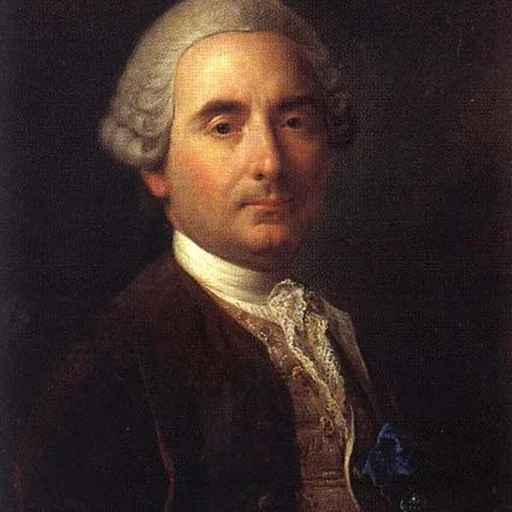
Pietro Antonio Rotari (30 September 1707 – 31 August 1762) was an Italian painter of the Baroque period.

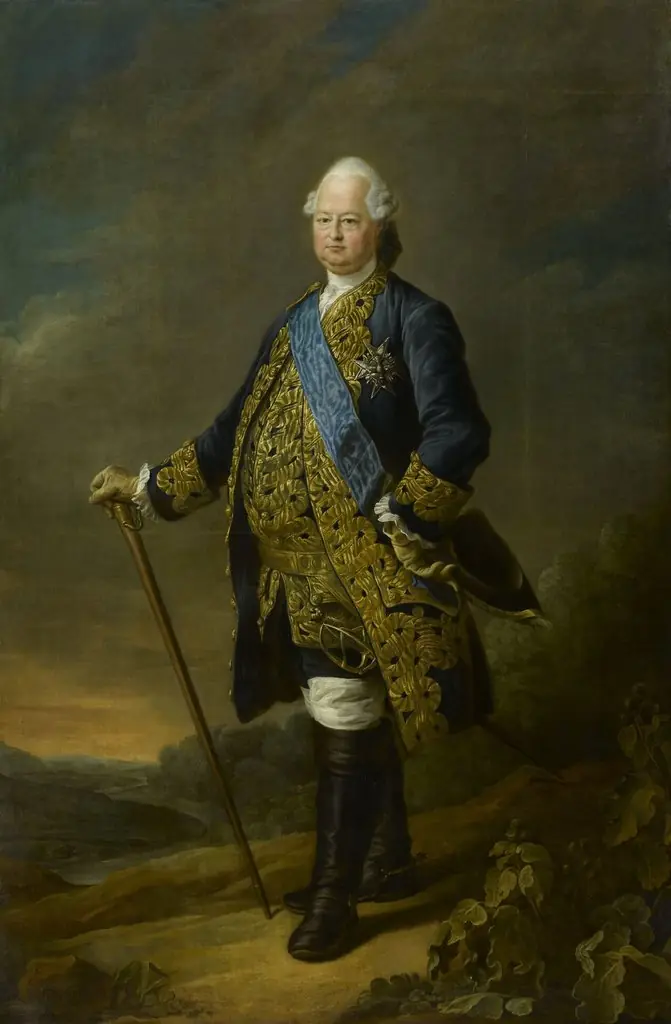 Louis de Bourbon-Condé, Count of Clermont (1709-1771)
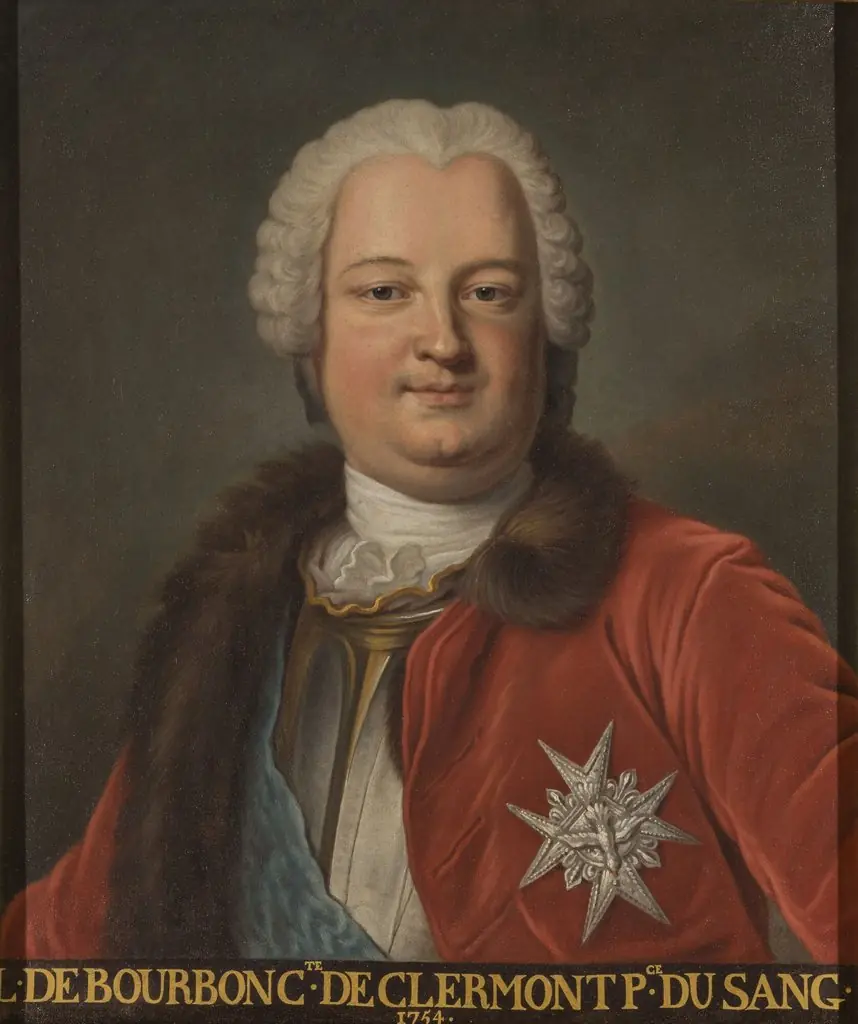 Louis de Bourbon-Condé, Count of Clermont
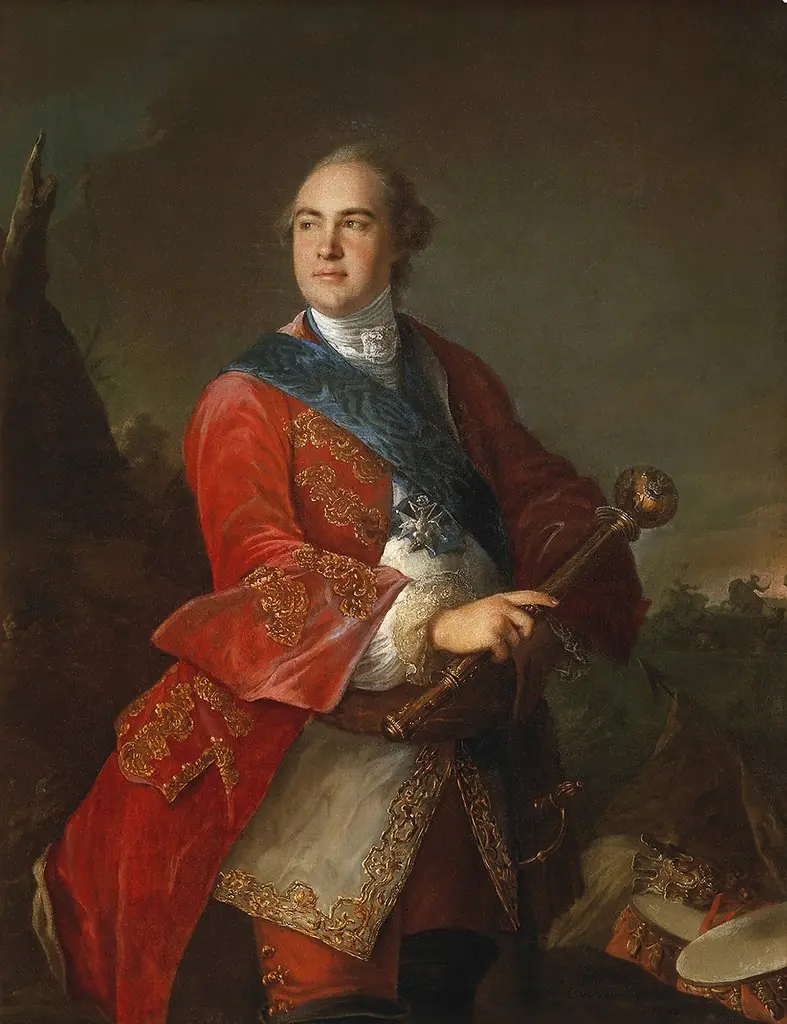 Portrait of Kyrylo Rozumovsky
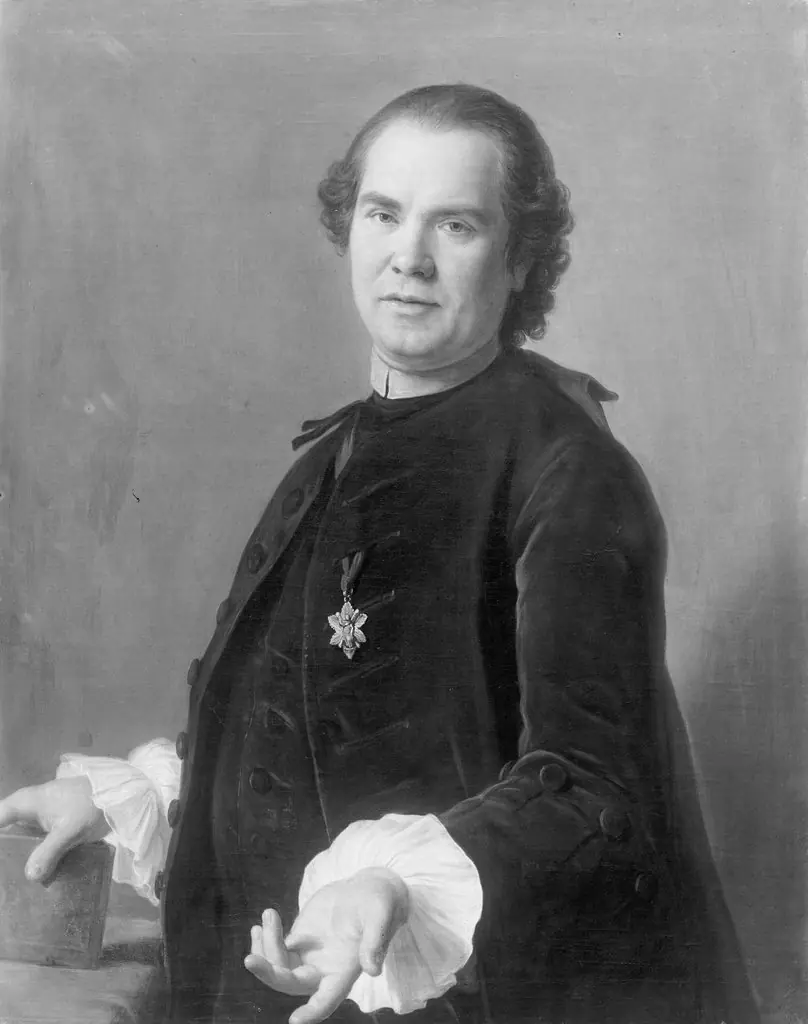
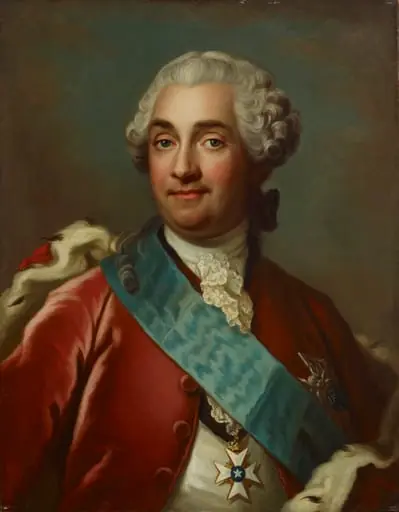 Valtakunnanneuvos Ulrik Scheffer
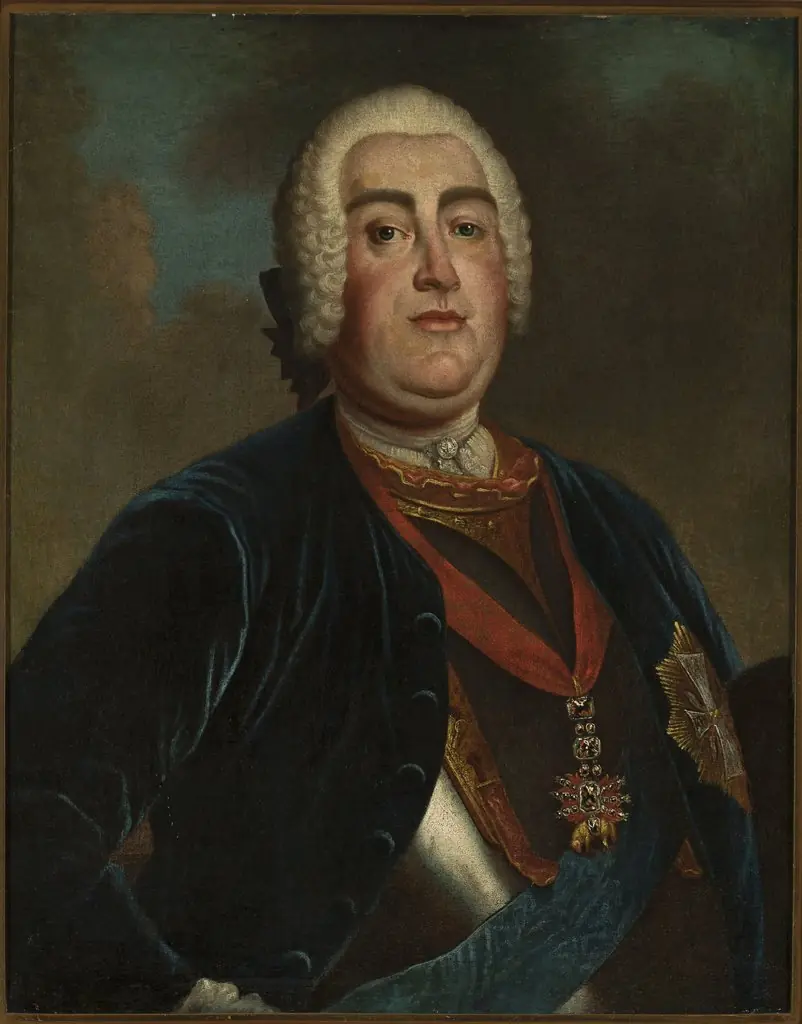 Portrait of Augustus III
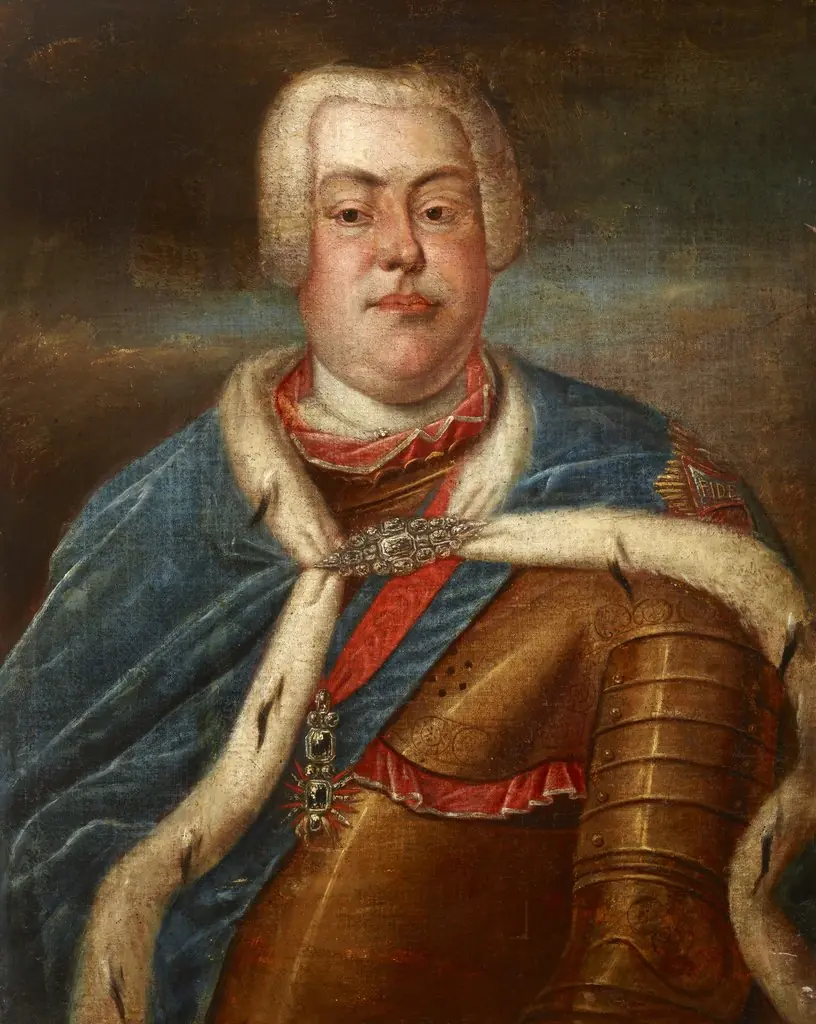 Portrait of Augustus III of Saxony (1696–1763), King of Poland in 1733–1763
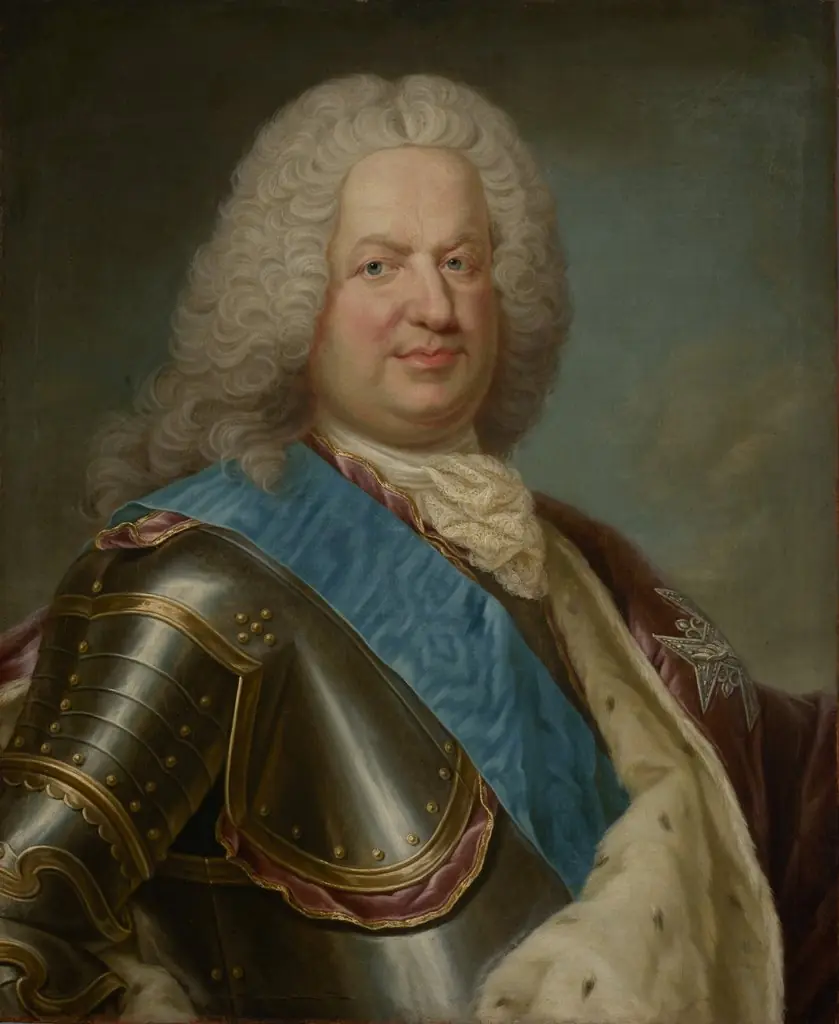 Portrait of Stanislaus Leszczyński (1677–1766))
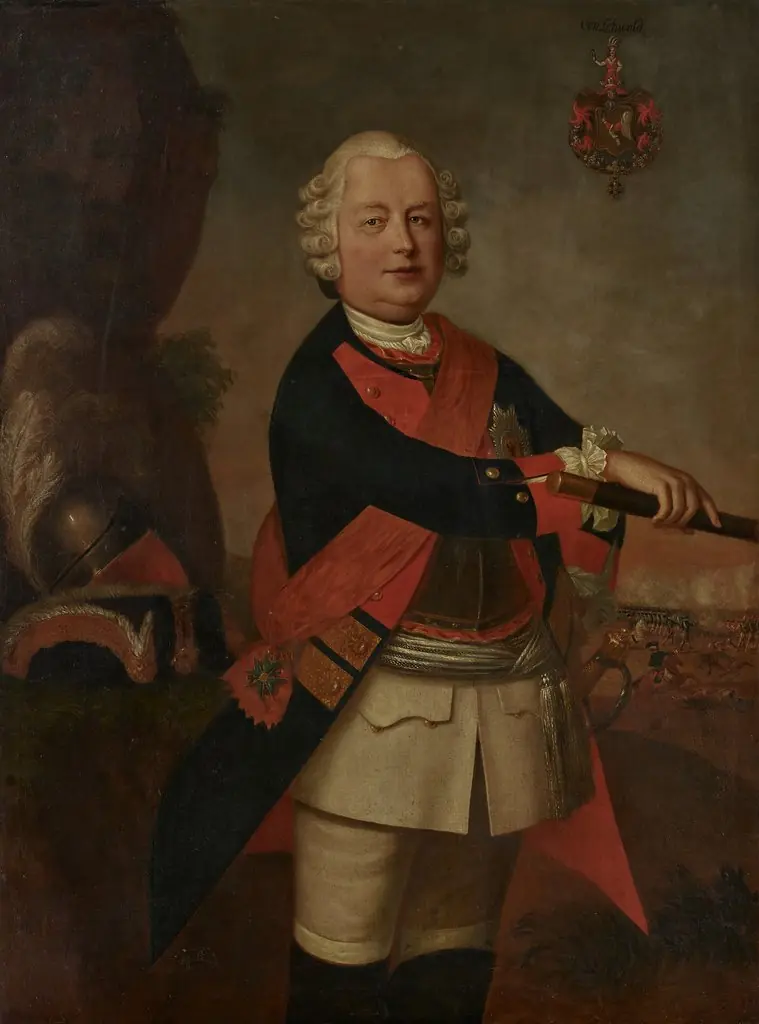 Lieutenant General Johann (Hans) von Lehwald
 Portrait of Frederik Wilhelm of Prussia
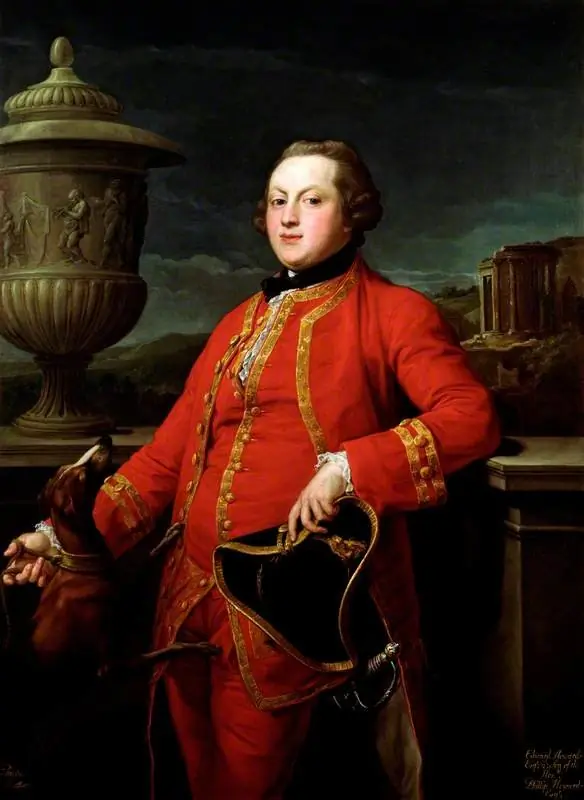 Edward Howard (1744–1767)