Artwork
Portrait of a Young Girl
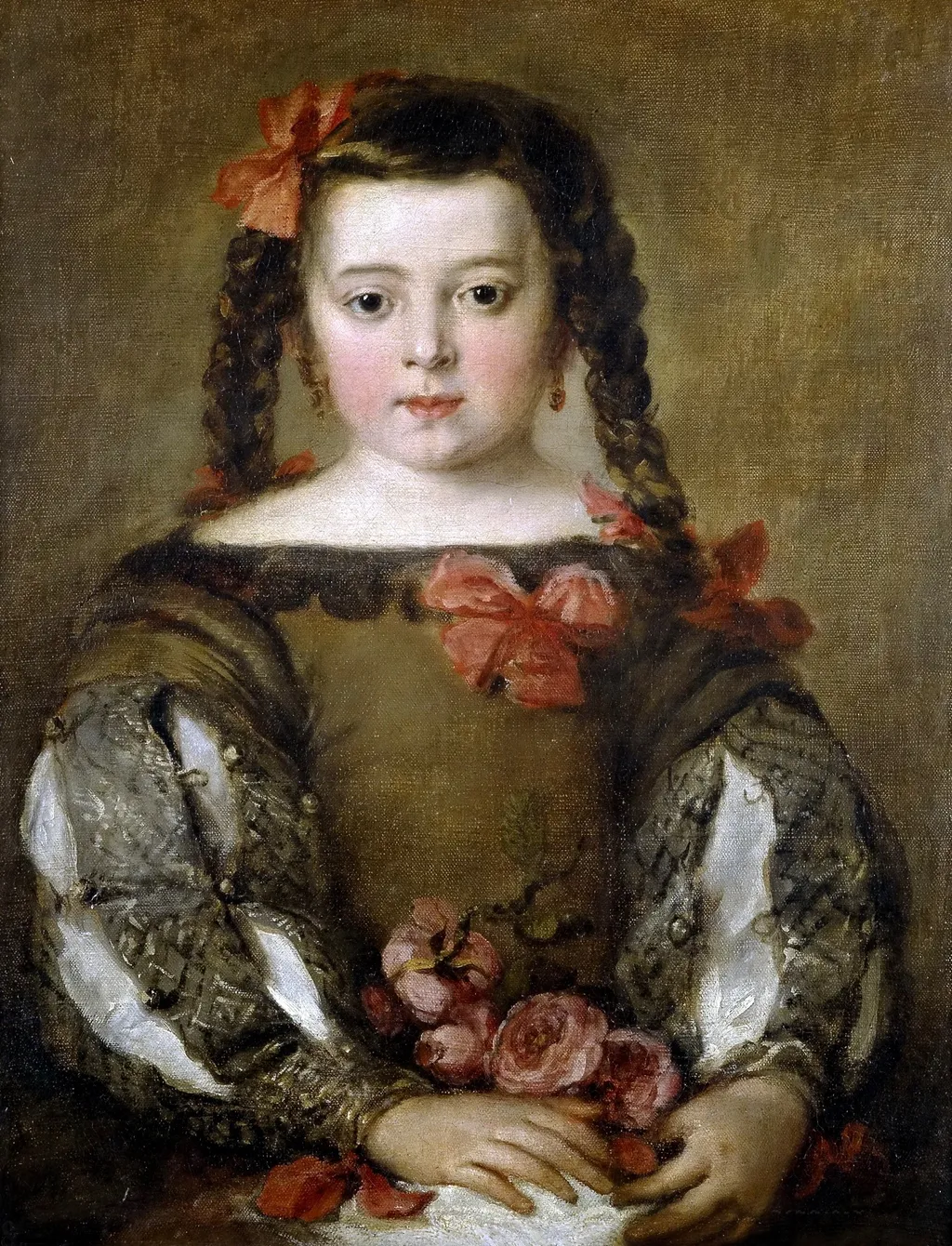
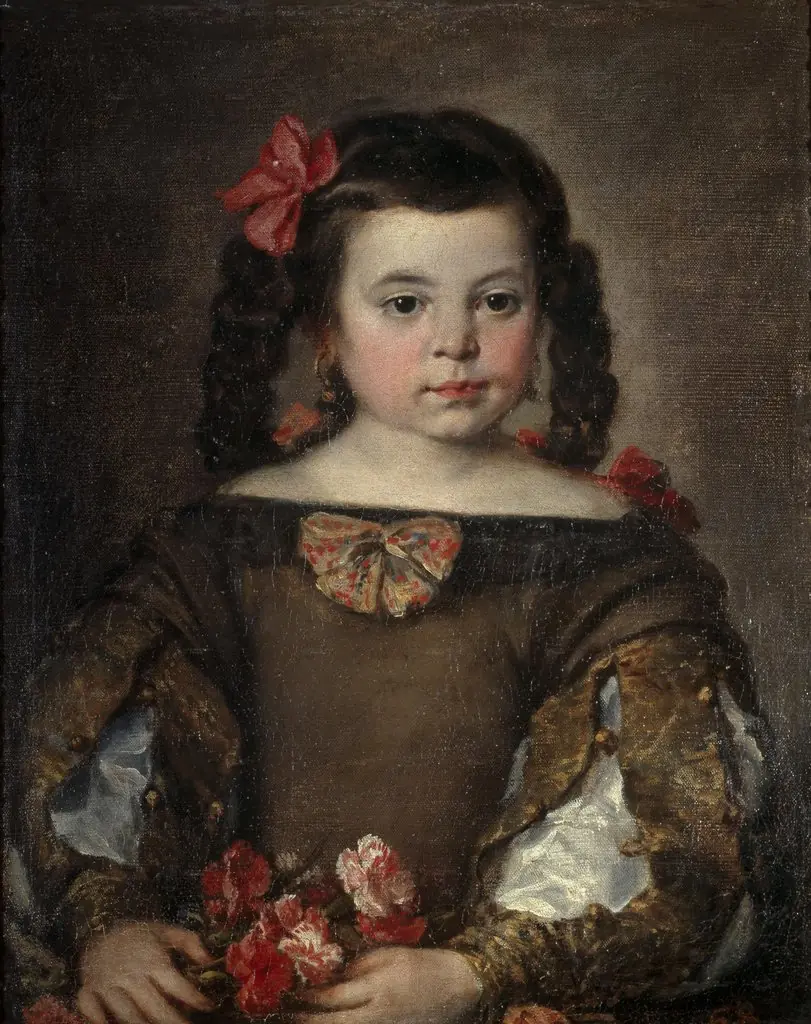
Portrait of a Young Girl is an oil painting by the Early Baroque Italian artist Juan Bautista Martínez del Mazo. It dates from 1660 and is held in the collection of the Museo del Prado.
About this work
Overview
Portrait of a Young Girl is a 1660 oil painting by Spanish Baroque artist Juan Bautista Martínez del Mazo, characterized by its focus on a solitary, youthful subject rendered in the early Baroque Italian style.
Subject & Meaning
The painting portrays a young girl with light brown hair tied in red ribbons, wearing a simple dark dress with a white collar and a soft, rich fur collar. Her hands rest on the fur, and red flowers adorn her sleeves. The subject's quiet demeanor and the absence of elaborate attire suggest a portrayal of innocence and youthful simplicity.
Technique & Style
Mazo employed soft brushstrokes to achieve smooth skin textures, particularly on the girl's cheeks and forehead. The fur collar is rendered with a textured, nearly three-dimensional effect. The plain background emphasizes the subject, while the interplay of light and shadow (chiaroscuro) adds depth to the portrait.
History & Provenance
Created in 1660, the painting is now part of the Museo del Prado's collection. As a follower of Diego Velázquez, Mazo's work reflects the influence of his mentor's techniques.
Context
Within the broader context of 17th-century Spanish Baroque, this portrait exemplifies Mazo's specialization in portraiture, balancing simplicity with the subtle use of color and texture to convey the subject's personality.
Legacy
While specific lasting impacts of *Portrait of a Young Girl* on the art world are not widely documented, it remains a notable example of Mazo's contribution to Spanish Baroque portraiture, reflecting the enduring influence of Velázquez's school.
Own this work as a print
Artist & collection
Artist
Juan Bautista Martínez del Mazo
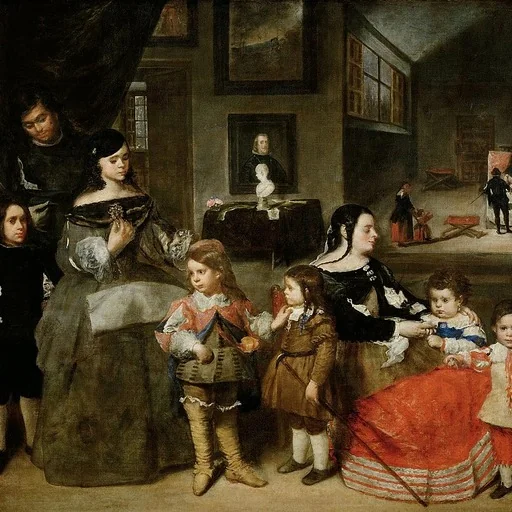
Juan Bautista Martínez del Mazo (c.1612 – February 10, 1667) was a Spanish Baroque portrait and landscape painter, the most distinguished of the followers of his father-in-law Velázquez, whose style he imitated more closely than did any…

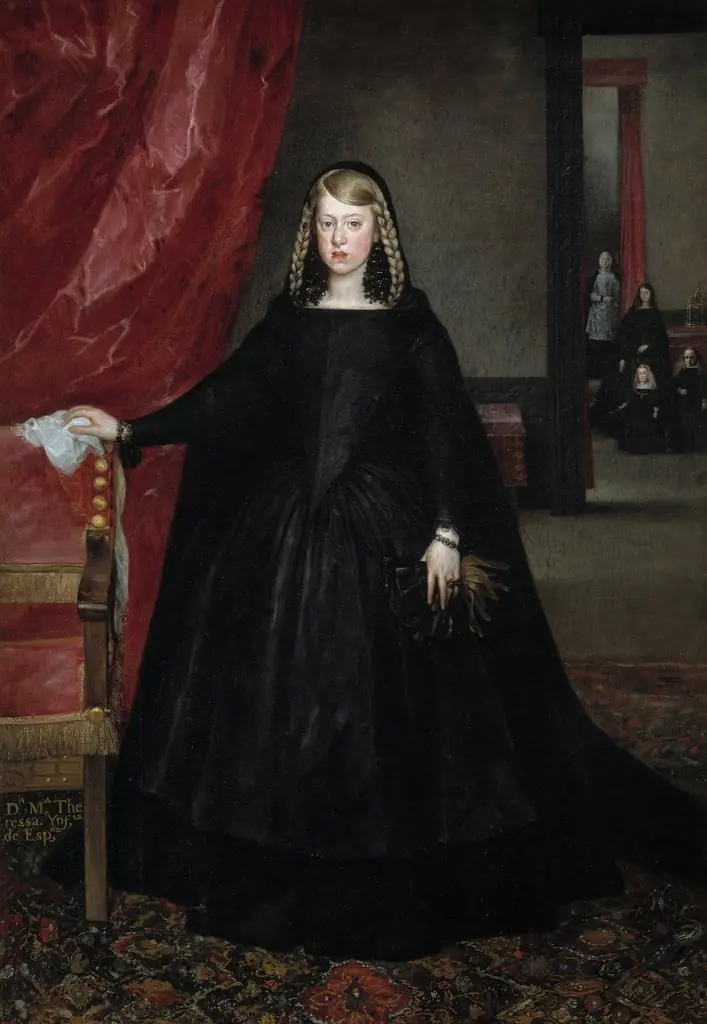
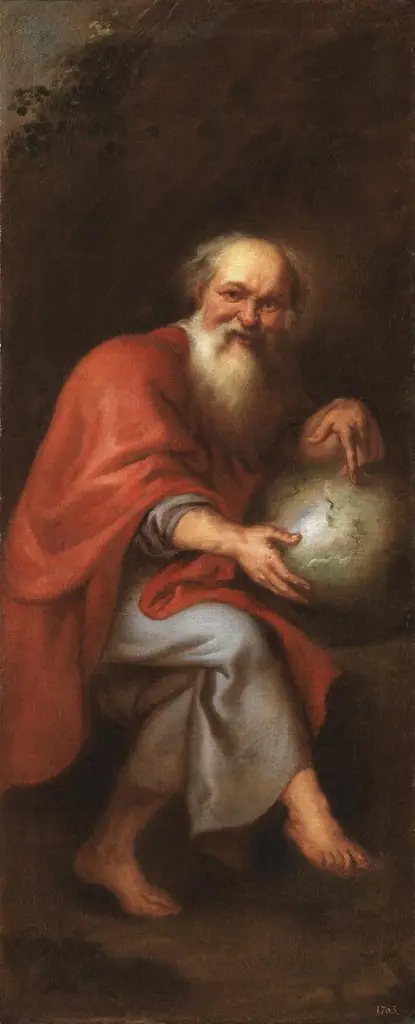
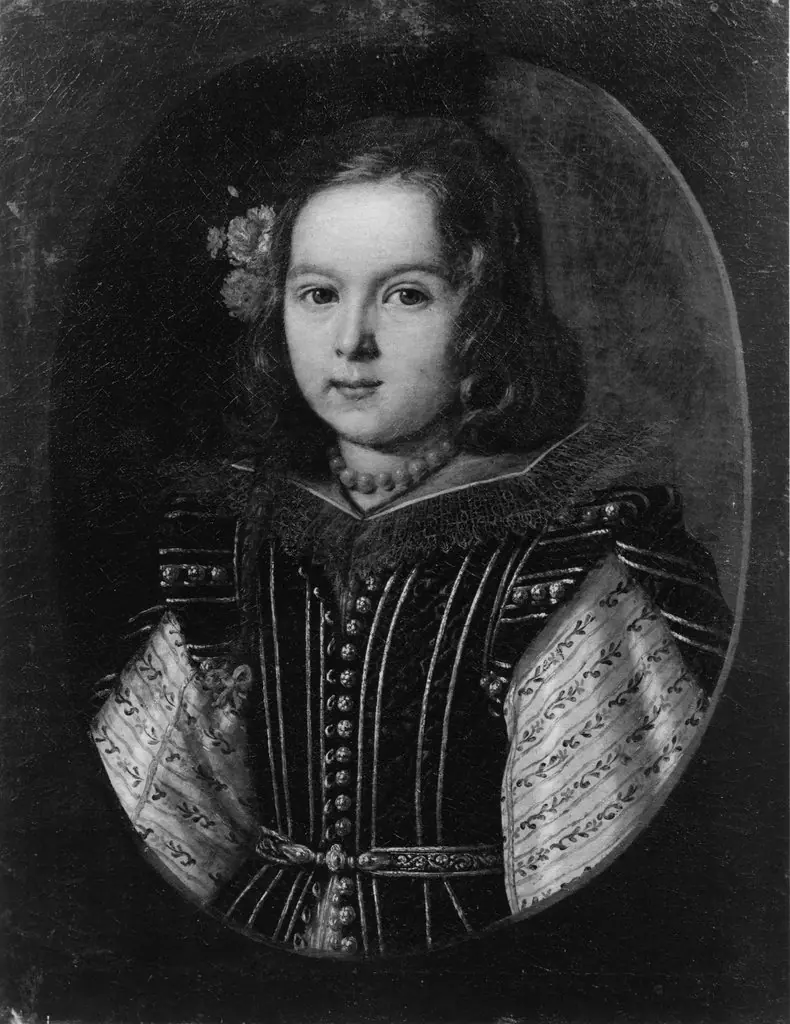 Portrait of a Girl
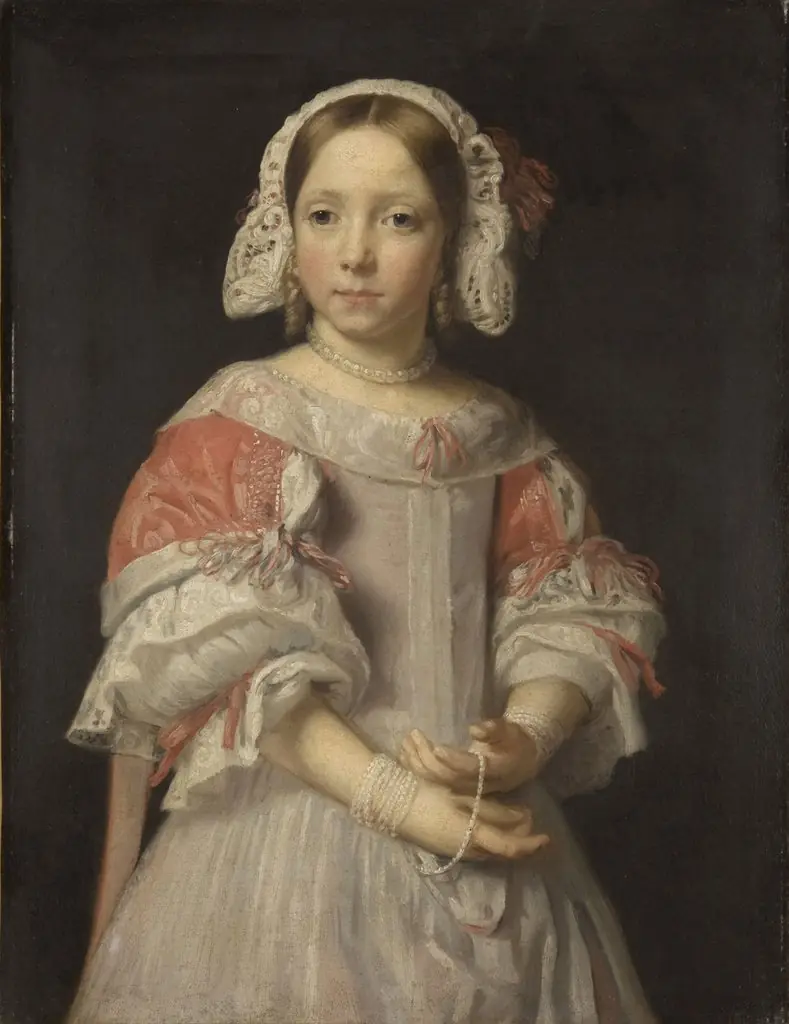 Portrait of a Girl
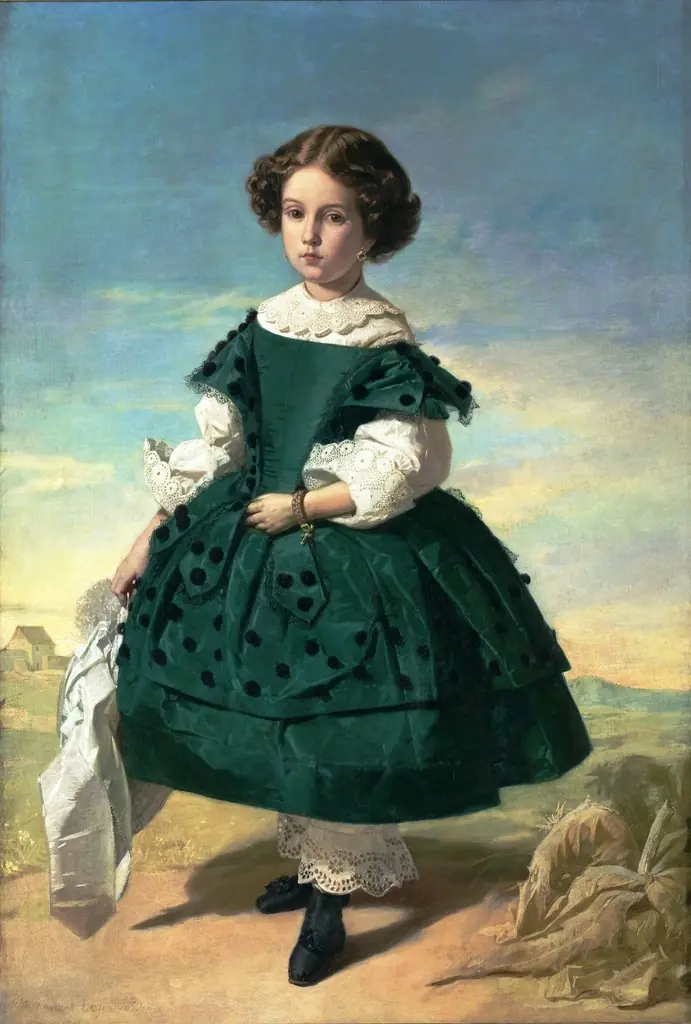 Portrait of a girl
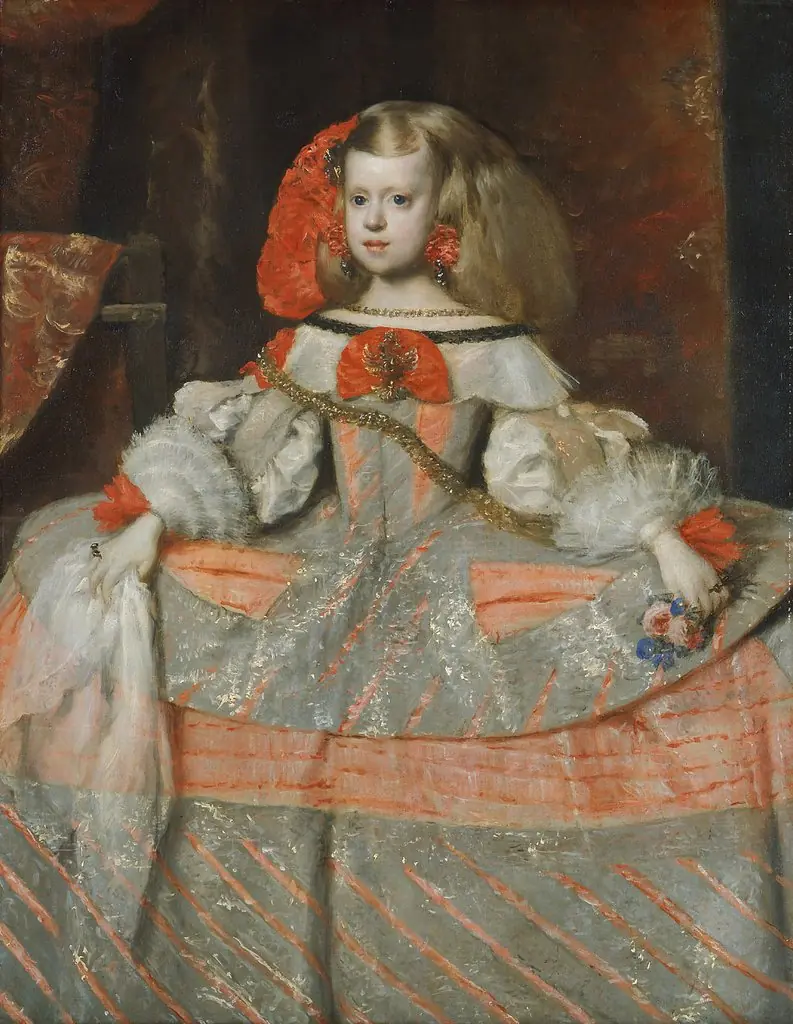 Infanta Margarita Teresa (1651-1673)
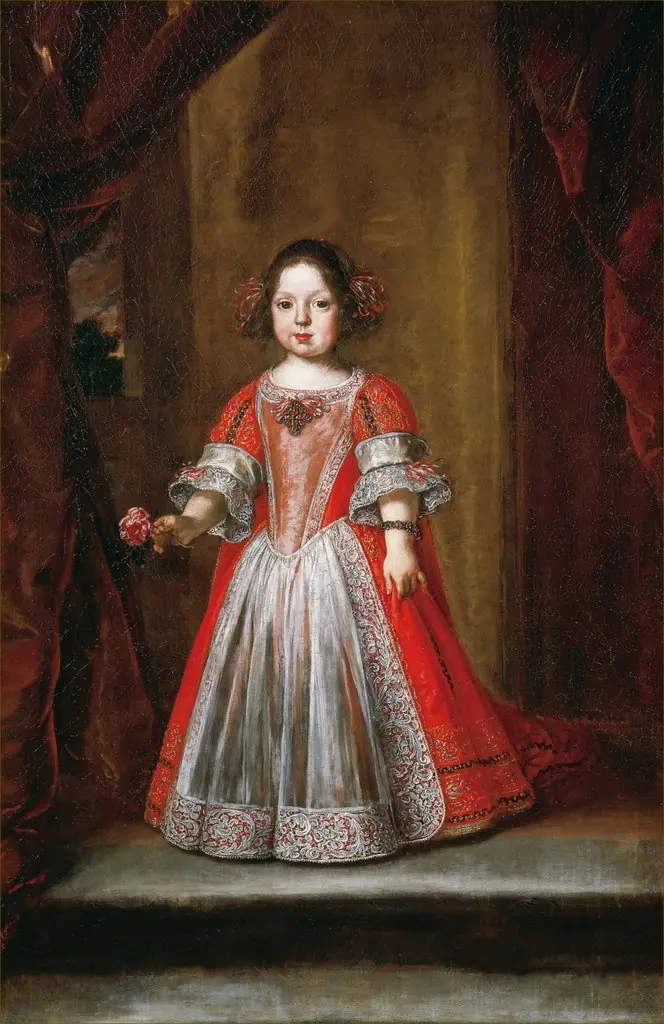 Anna Maria Louisa de' Medici as a Girl
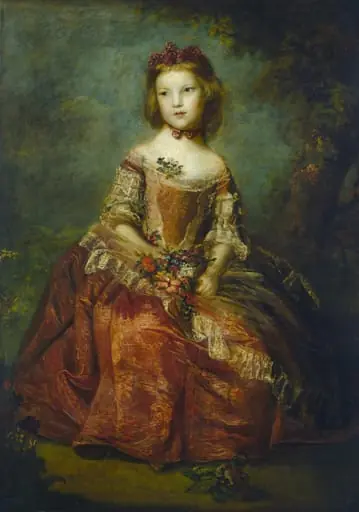 Lady Elizabeth Hamilton
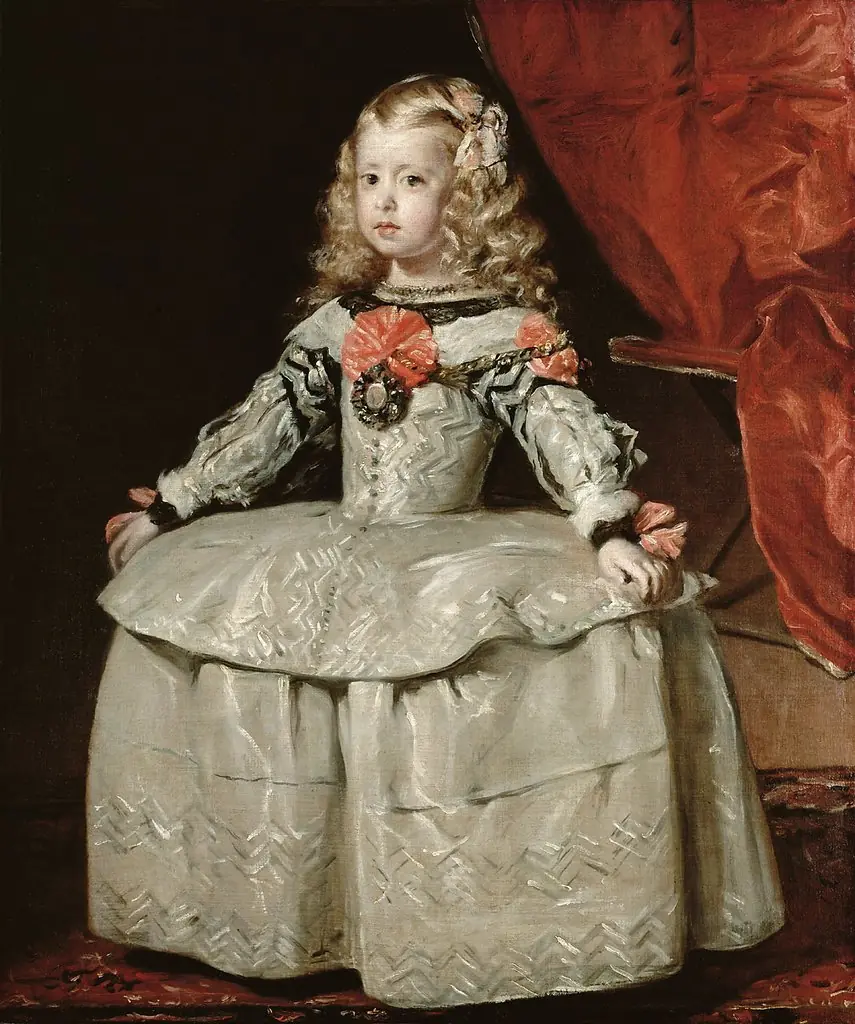 Infanta Margaret Theresa in a White and Silver Dress
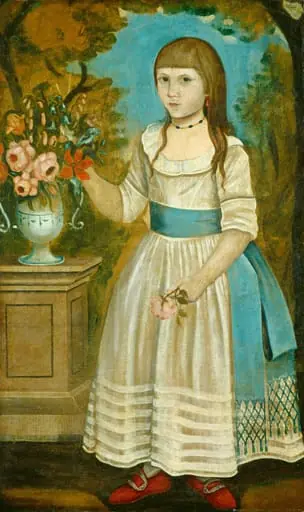 Catherine Brower
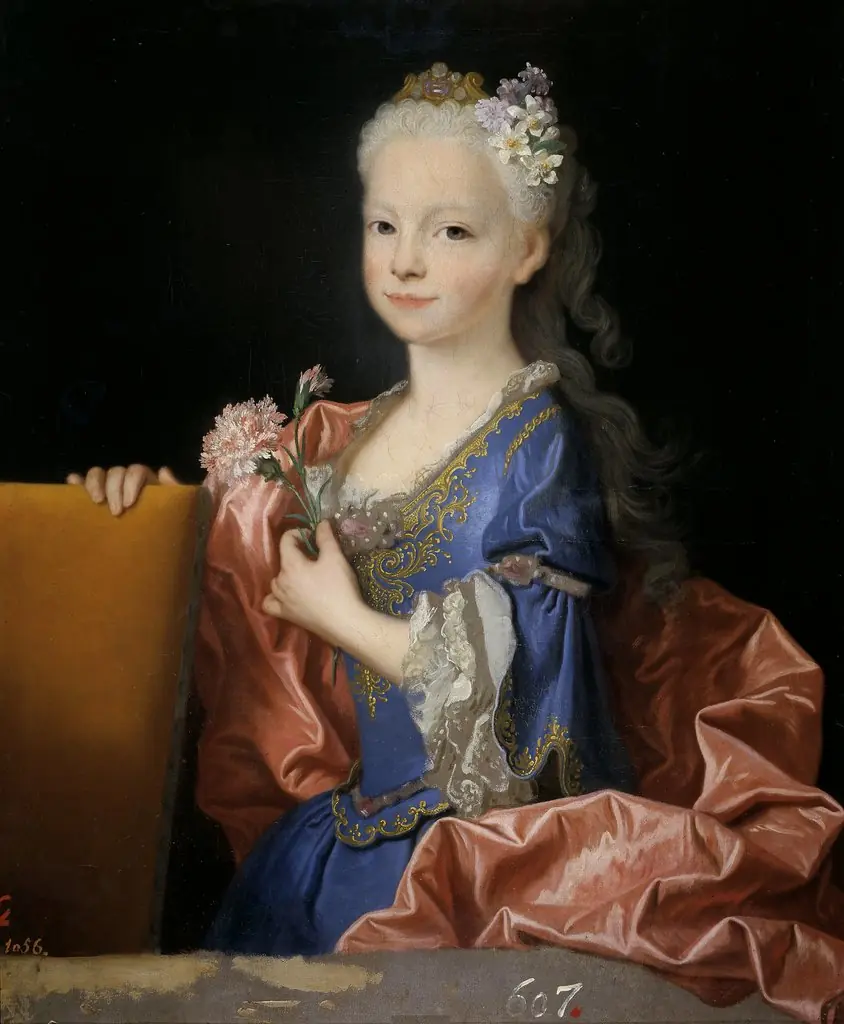 Maria Ana Victoria of Bourbon (Future Queen of Portugal) as a Child
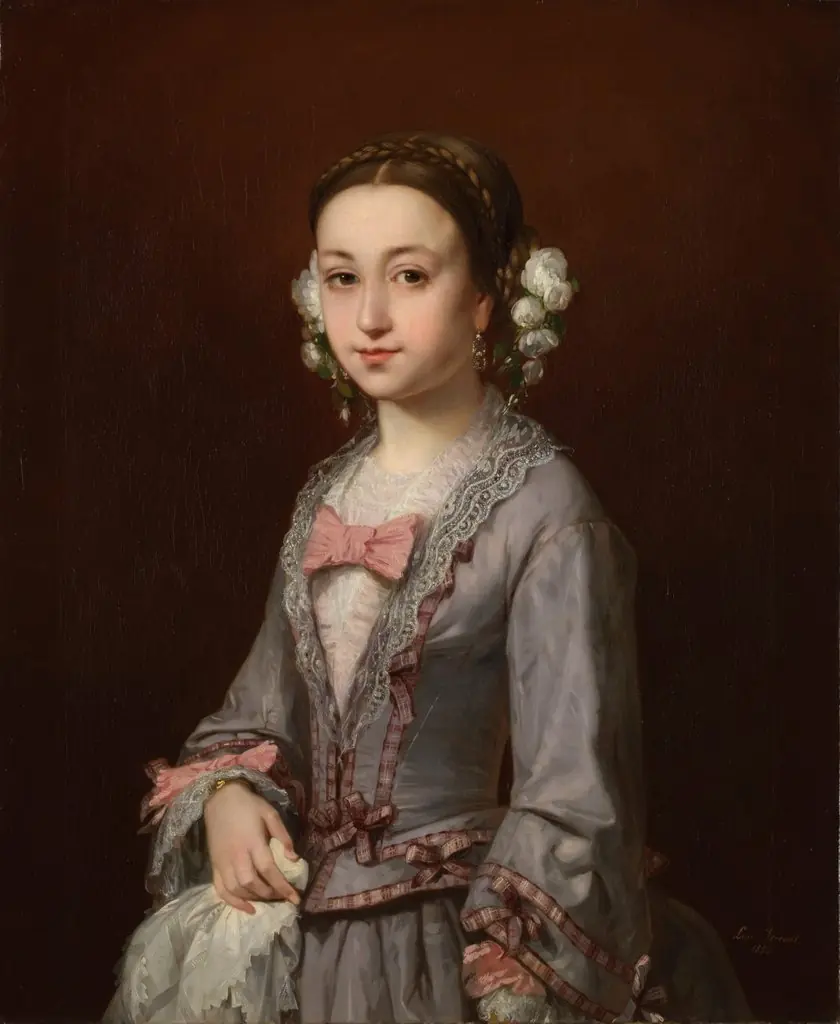 Isabel Aragón
 Portrait of a Young Girl