Artwork
Democritus
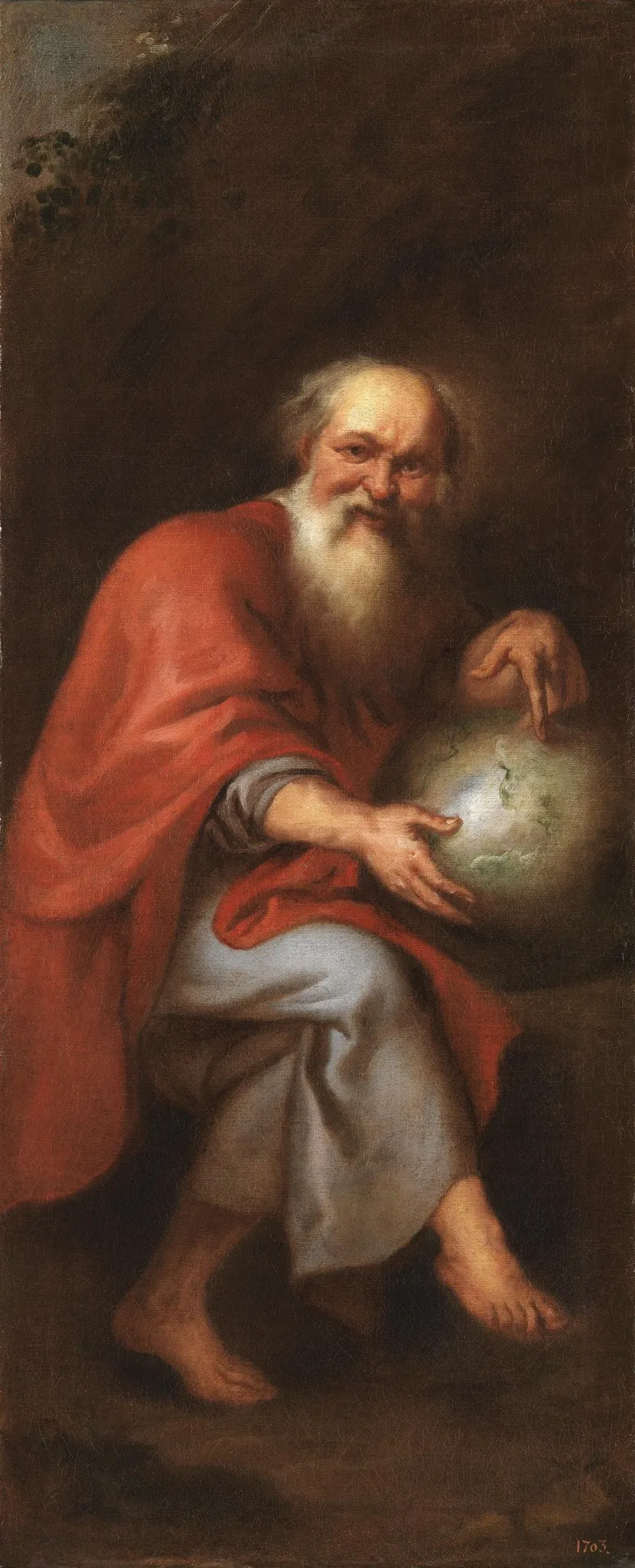
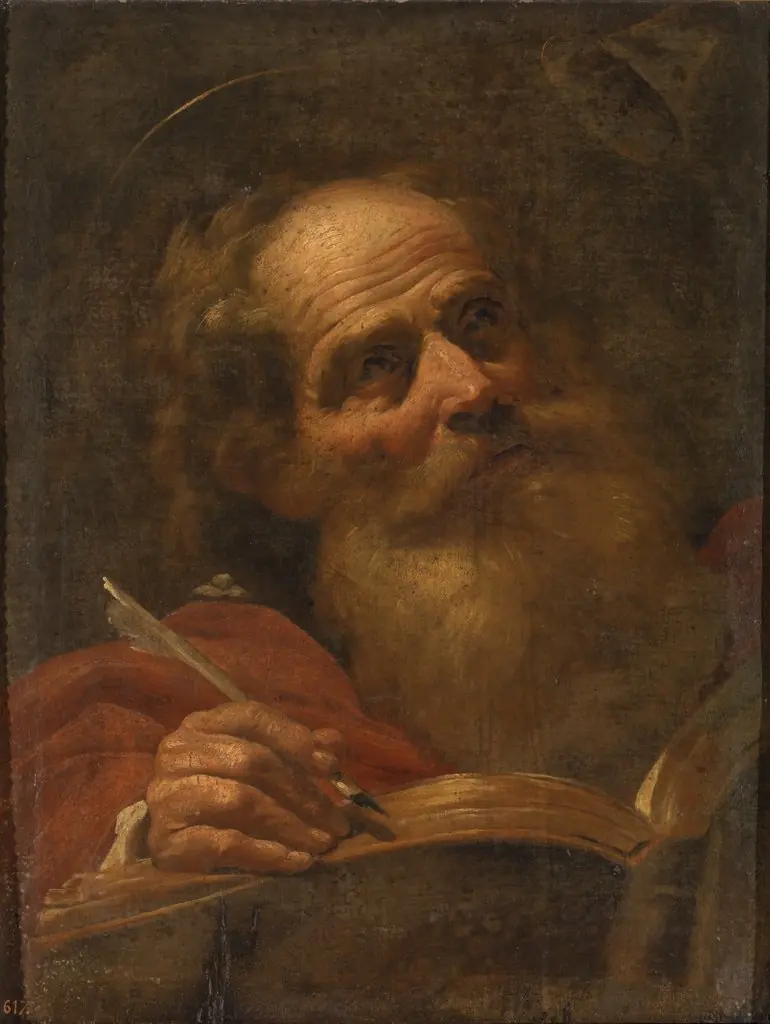
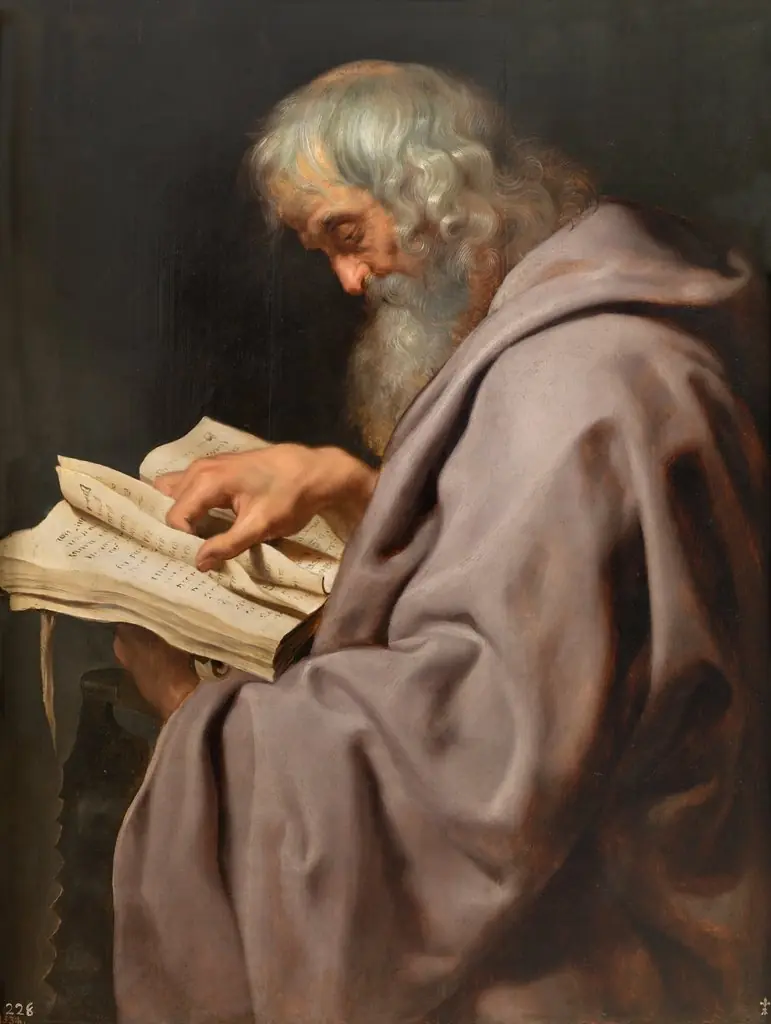
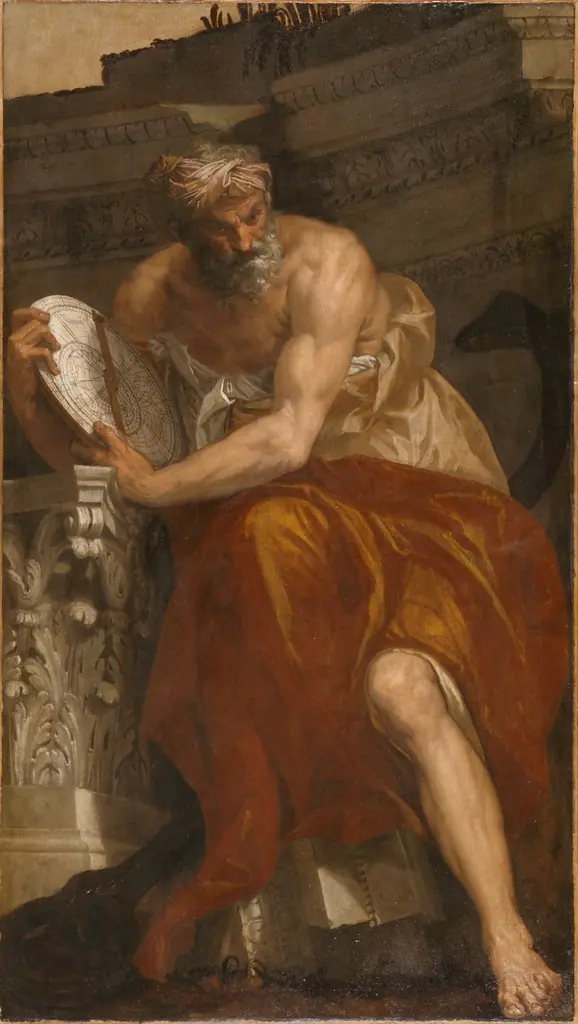
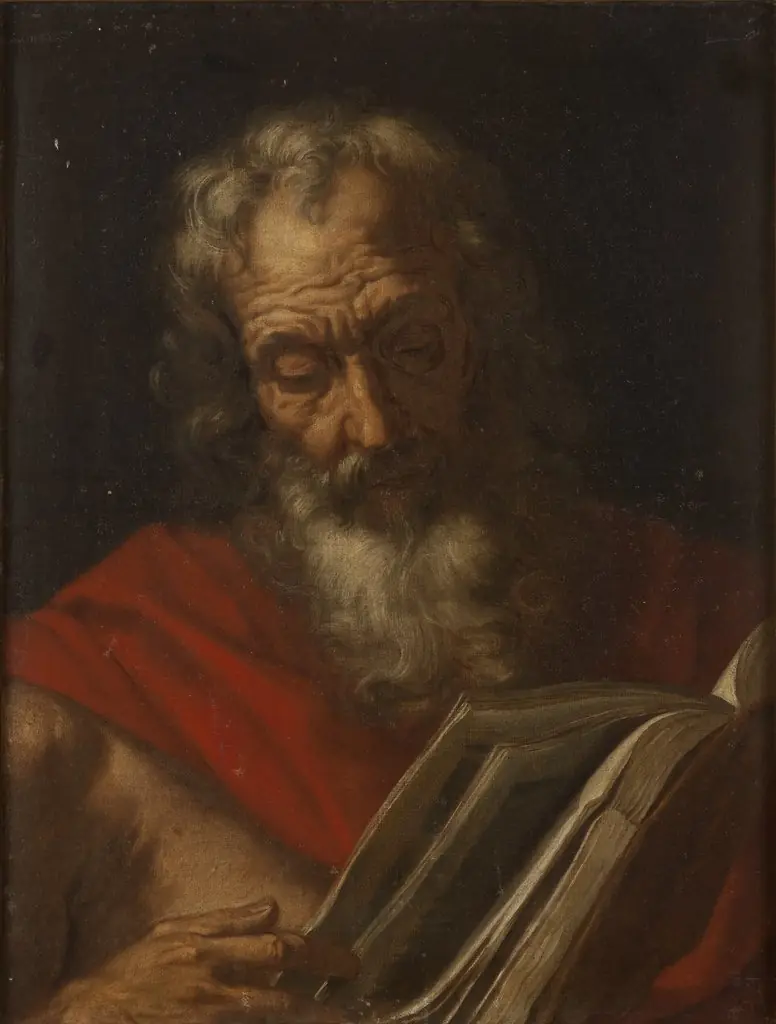
Democritus is an oil painting by the Early Baroque Italian artist Juan Bautista Martínez del Mazo. It dates from 1601 and is held in the collection of the Museo del Prado.
About this work
Overview
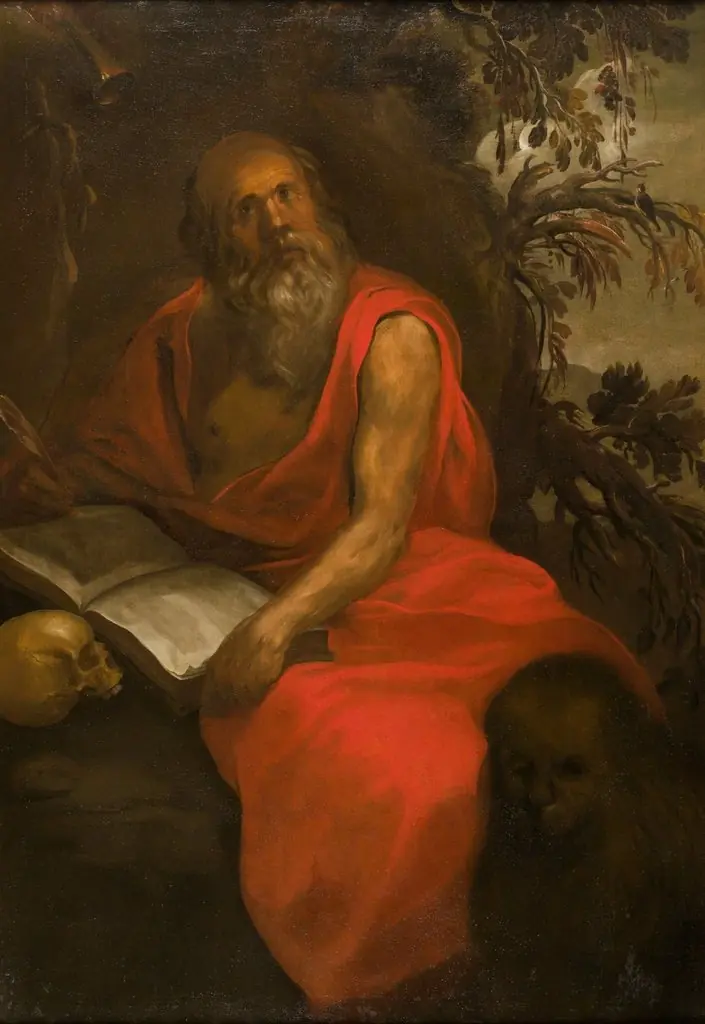
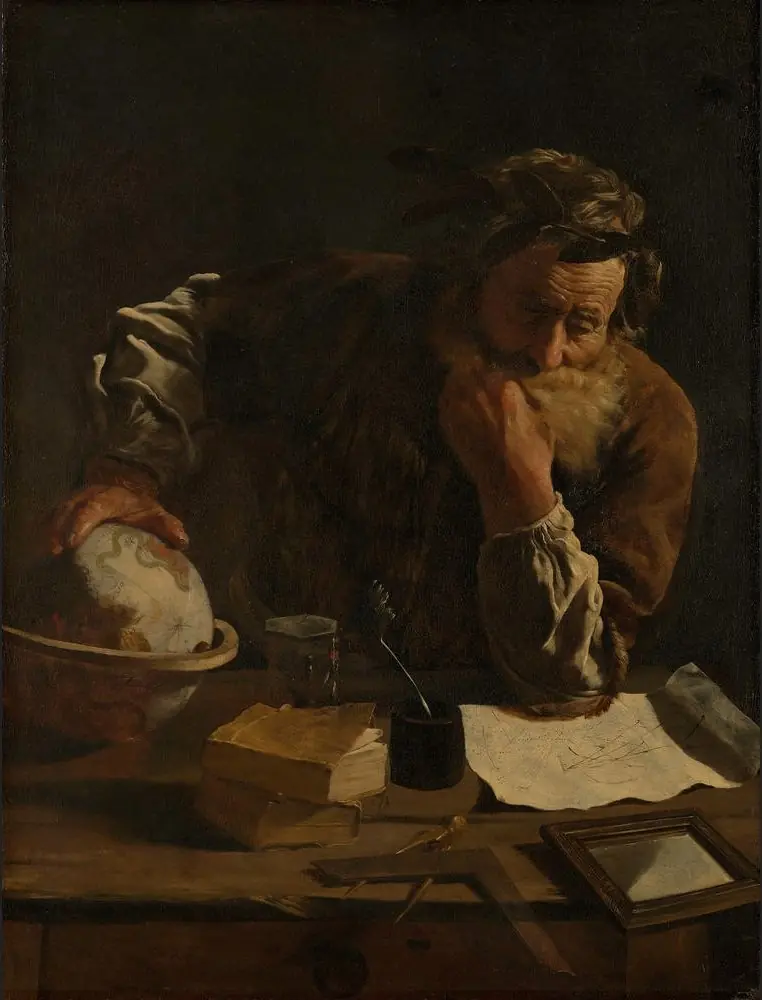
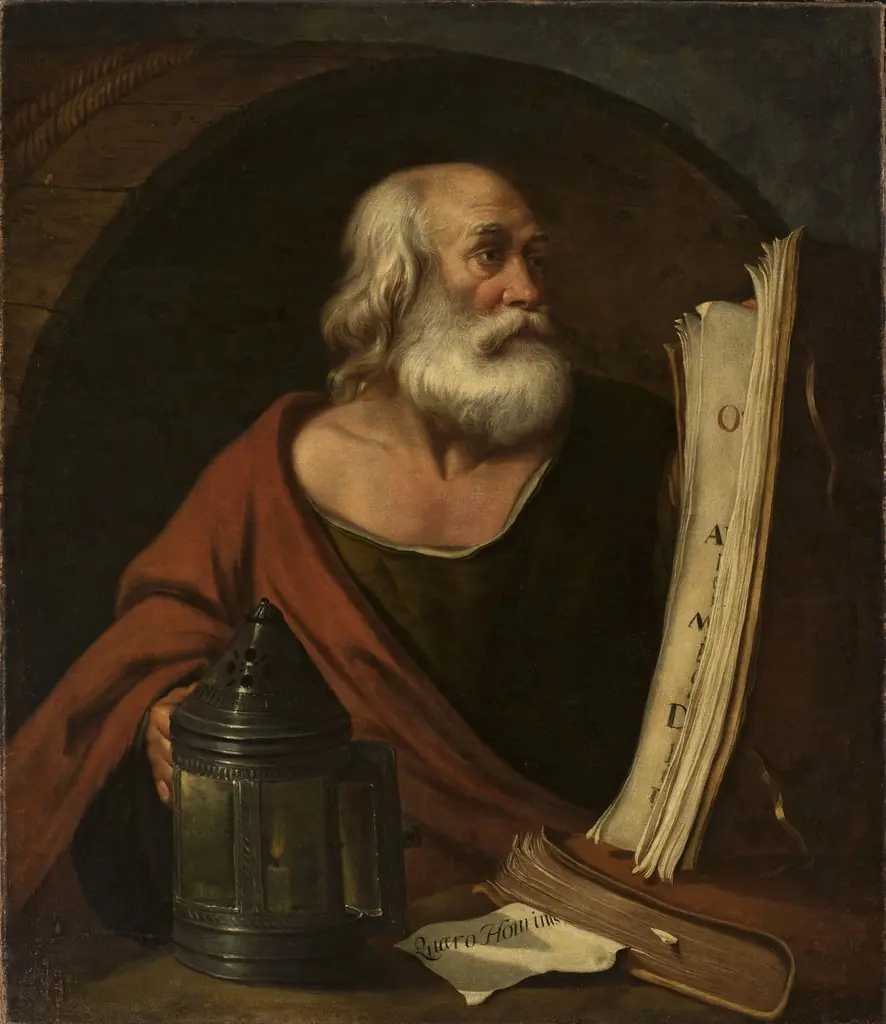
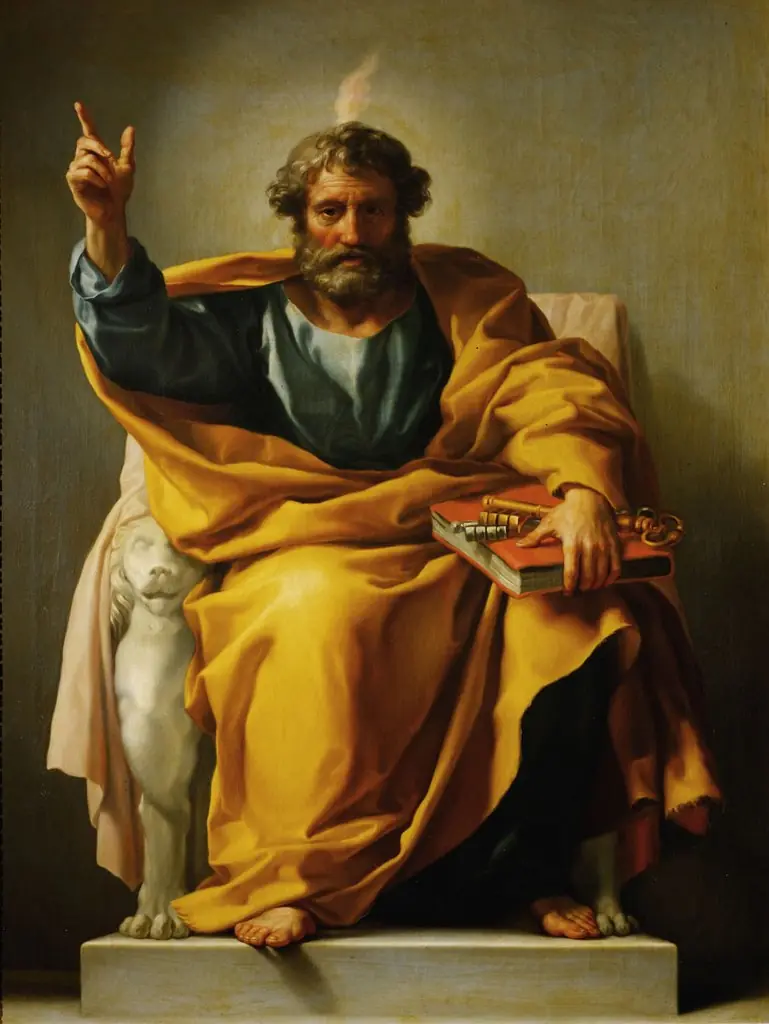
Juan Bautista Martínez del Mazo, a Spanish painter linked to the workshop of Diego Velázquez, completed an oil painting titled *Democritus* in 1601. The work portrays the ancient philosopher seated against a dark backdrop, his figure illuminated by a subtle light that emphasizes the facial expression and the object he holds. The canvas is part of the Museo del Prado’s collection.
Subject & Meaning
The central figure is Democritus, the classical thinker known for his atomic theory and his reputation as the "laughing philosopher." He is shown holding a luminous globe, a visual metaphor for his contemplation of the cosmos and the material world. The slight smile on his face suggests a reflective, perhaps amused, engagement with the mysteries represented by the sphere.
Technique & Style
Mazo employs a chiaroscuro scheme, contrasting the deep, shadowed background with a focused light that models the philosopher’s face, beard, and the glowing orb. The red robe is rendered with loose drapery, allowing the fabric’s folds to catch the light. The oil medium enables fine gradations of tone, giving the globe a faintly etched surface that resembles a map or cracked earth.
History & Provenance
Created during the early Baroque period, the painting reflects the influence of Italian artistic trends that were circulating in Spain at the turn of the 17th century. After remaining in private hands for several centuries, the work entered the national collection and is now displayed at the Museo del Prado in Madrid, where it contributes to the museum’s representation of Spanish Baroque portraiture.
Context
Mazo’s *Democritus* aligns with a broader Baroque interest in depicting intellectual figures and allegorical subjects.
Mazo’s *Democritus* aligns with a broader Baroque interest in depicting intellectual figures and allegorical subjects. The painting’s emphasis on dramatic lighting and psychological depth mirrors the approaches of Velázquez and his contemporaries, while the choice of a philosopher as subject reflects the period’s fascination with classical antiquity and the emerging scientific discourse of the early modern era.
Artist & collection
Artist
Juan Bautista Martínez del Mazo
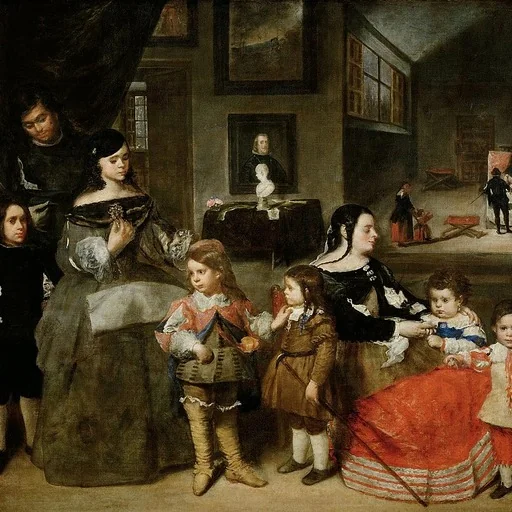
Juan Bautista Martínez del Mazo (c.1612 – February 10, 1667) was a Spanish Baroque portrait and landscape painter, the most distinguished of the followers of his father-in-law Velázquez, whose style he imitated more closely than did any…

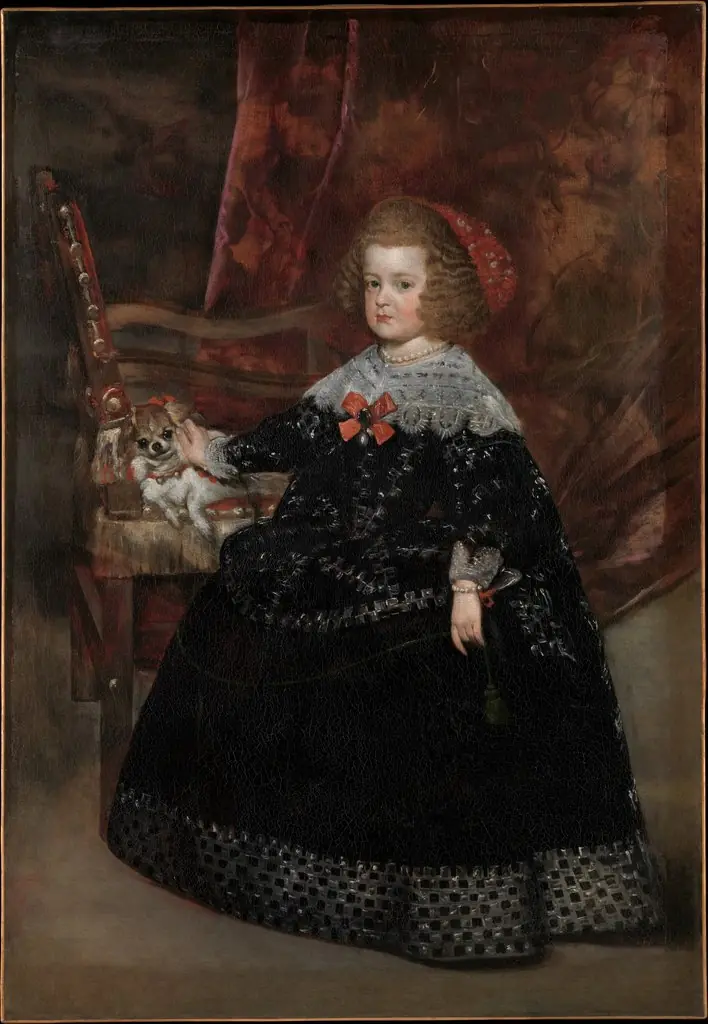 María Teresa (1638–1683), Infanta of Spain
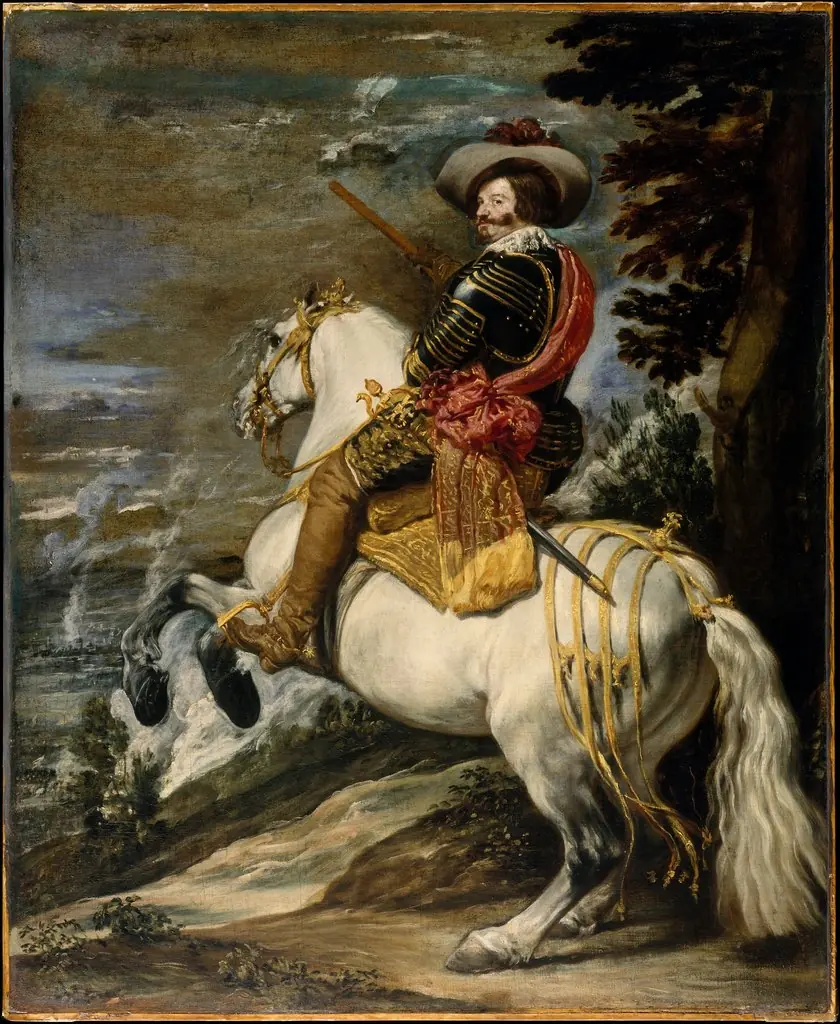 Don Gaspar de Guzmán (1587–1645), Count-Duke of Olivares
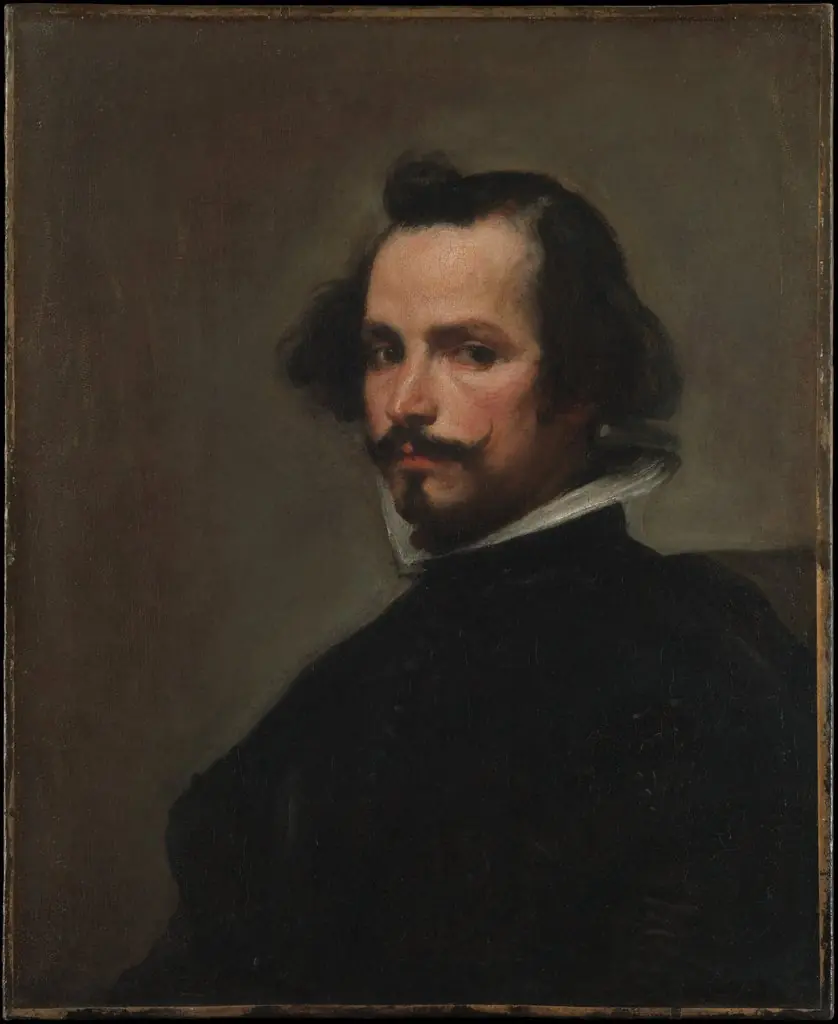 Portrait of a Man
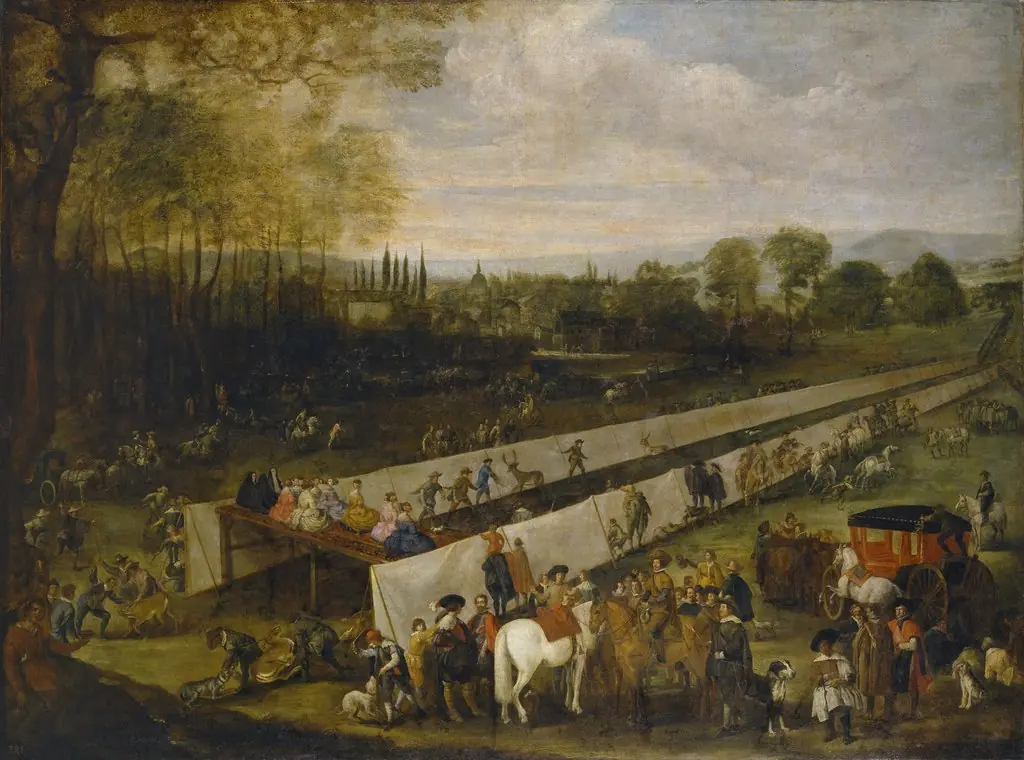 Watching the Hunt in Aranjuez
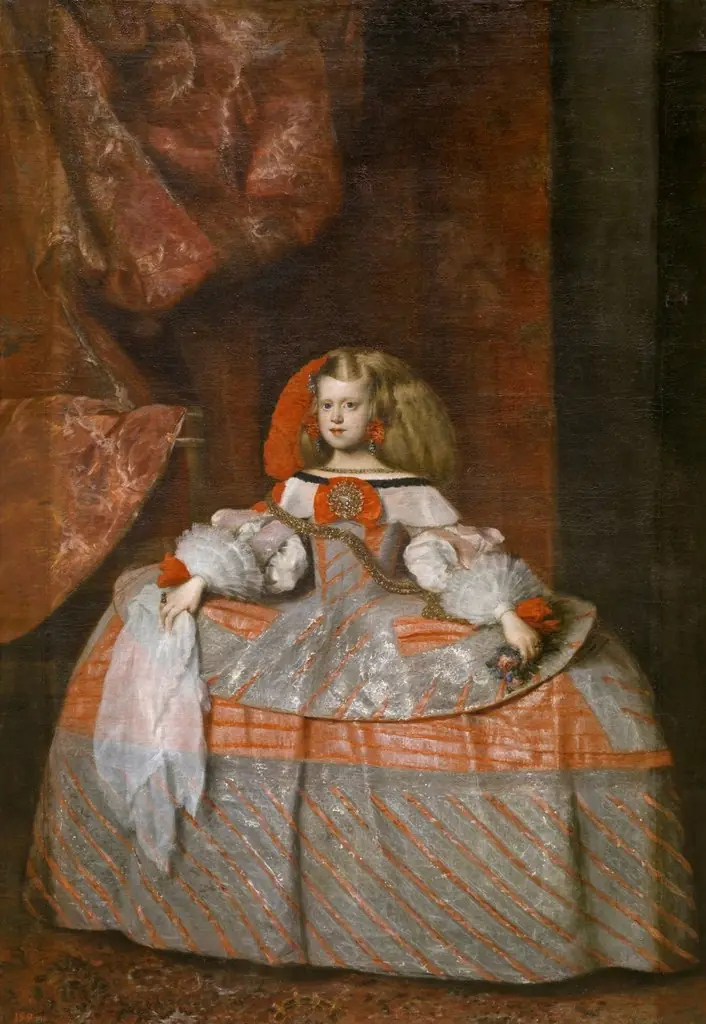 Infanta Margarita Teresa in a Pink Dress
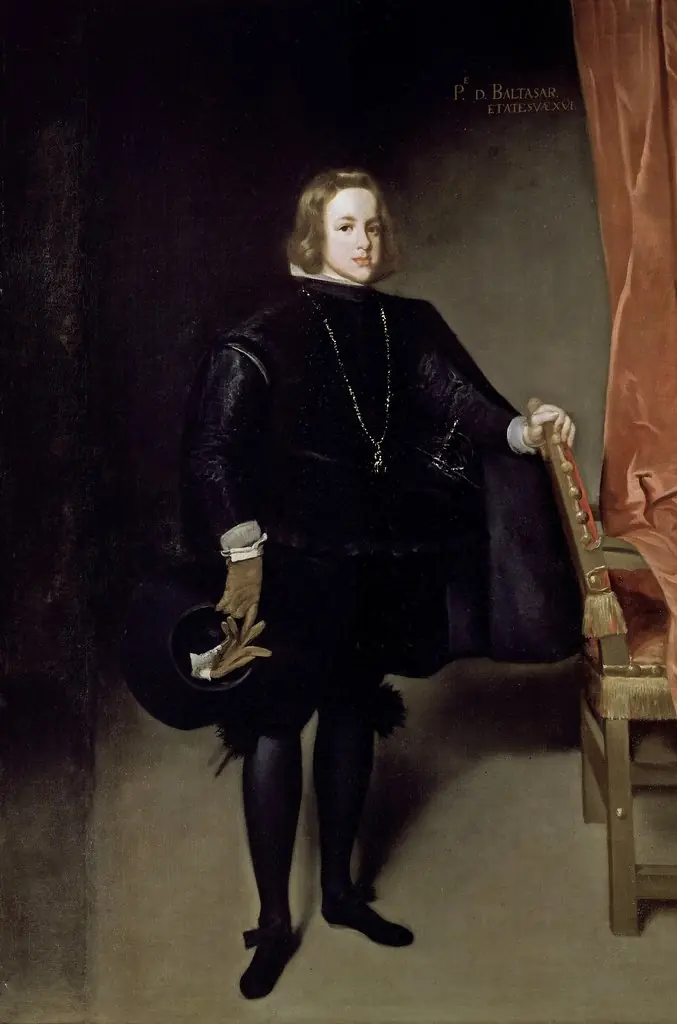 Portrait of Baltasar Carlos of Spain (1629-1646)
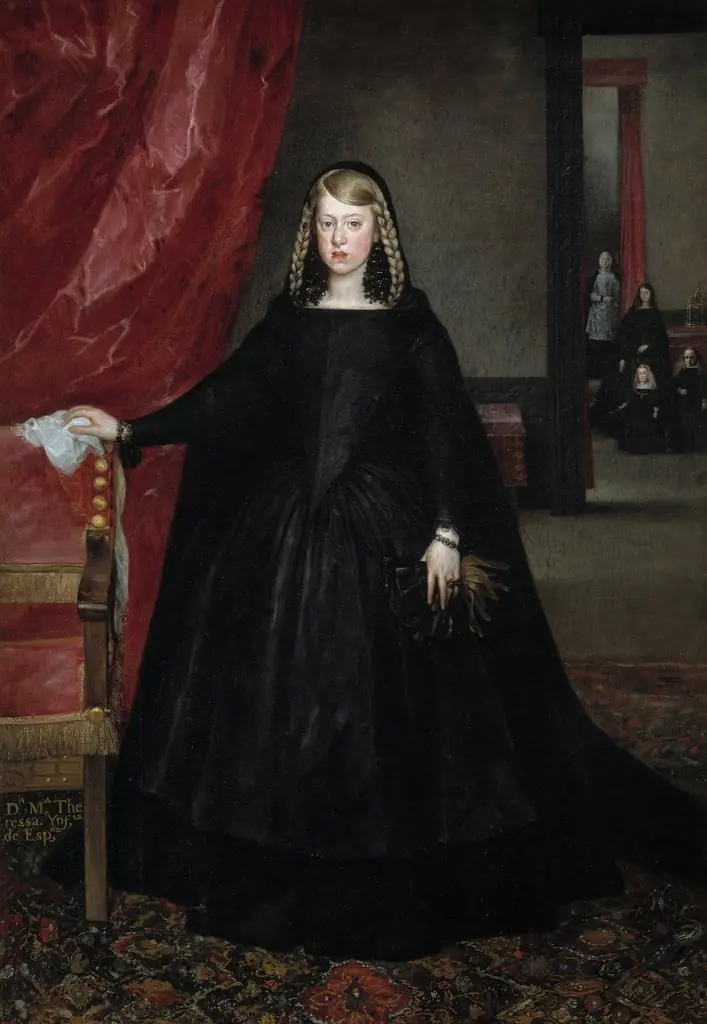 Empress Doña Margarita de Austria in Mourning Dress
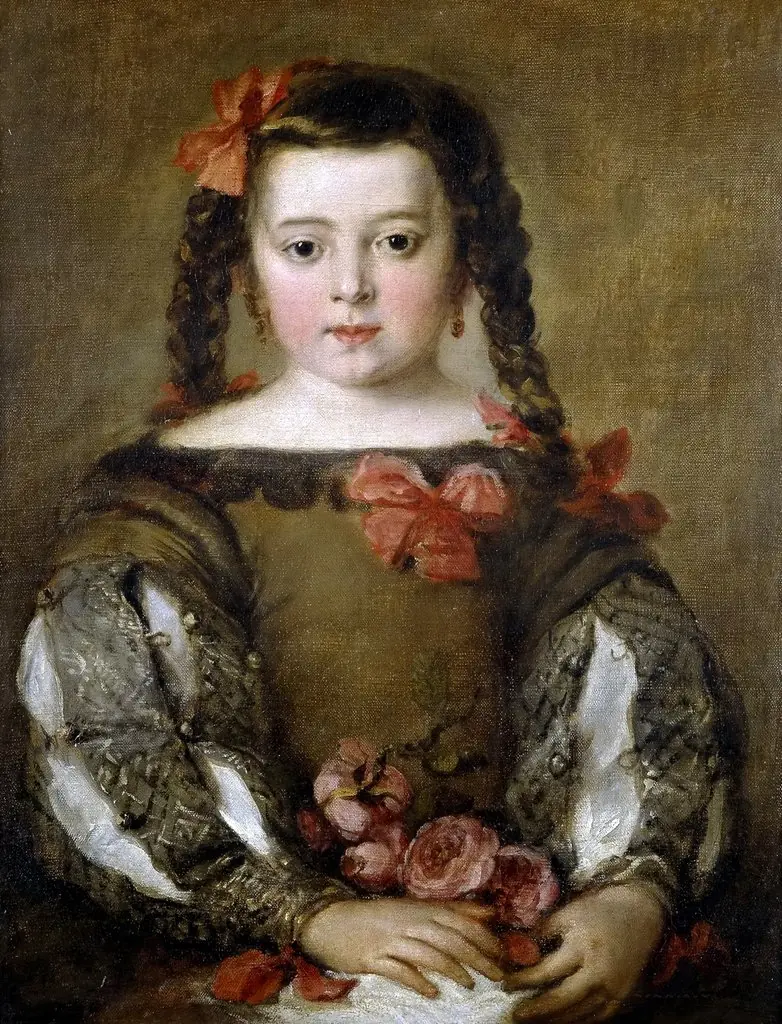 Portrait of a Young Girl