Artwork
El nacimiento de Cristo
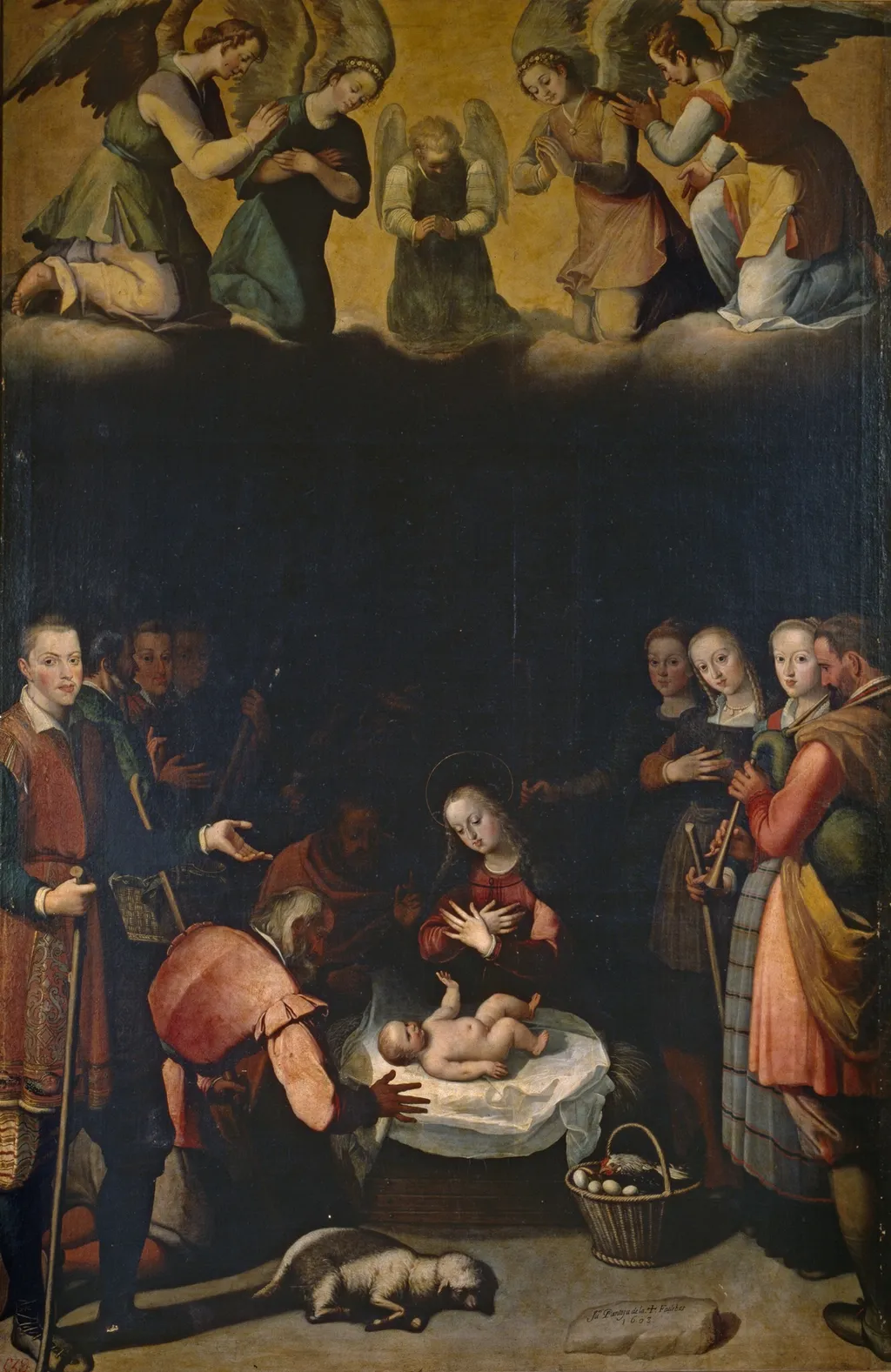
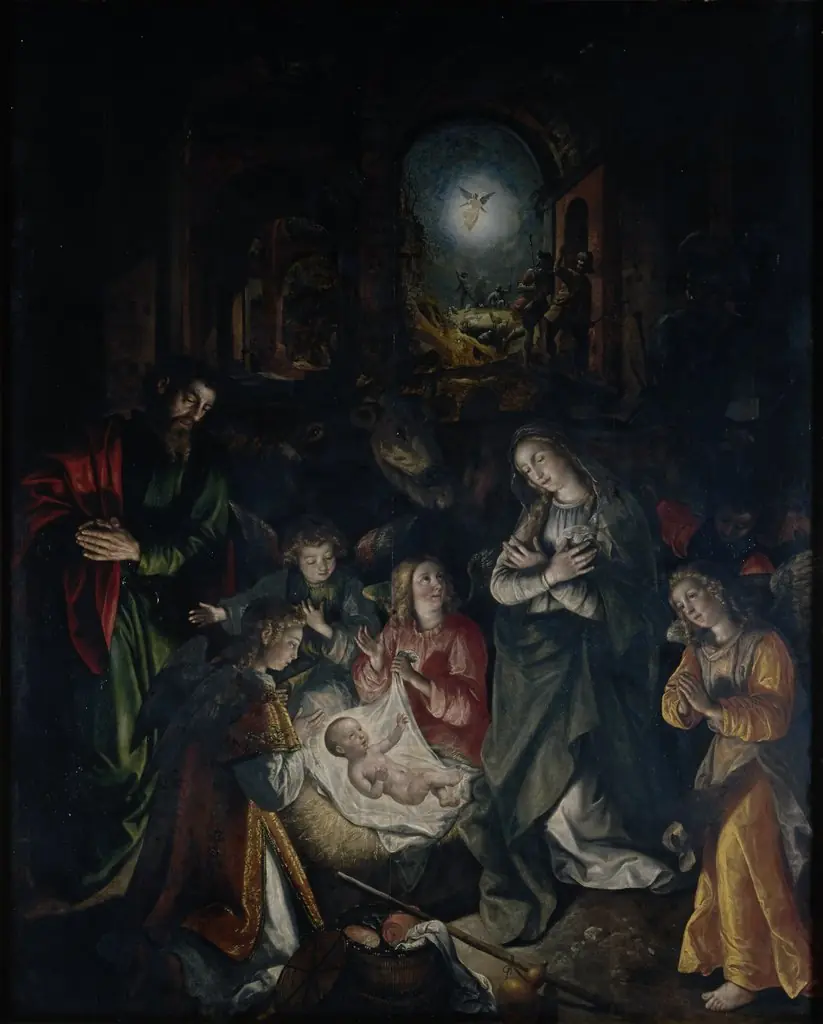
El nacimiento de Cristo is an oil painting by the Early Baroque Italian artist Juan Pantoja de la Cruz. It dates from 1603 and is held in the collection of the Museo del Prado.
About this work
Overview
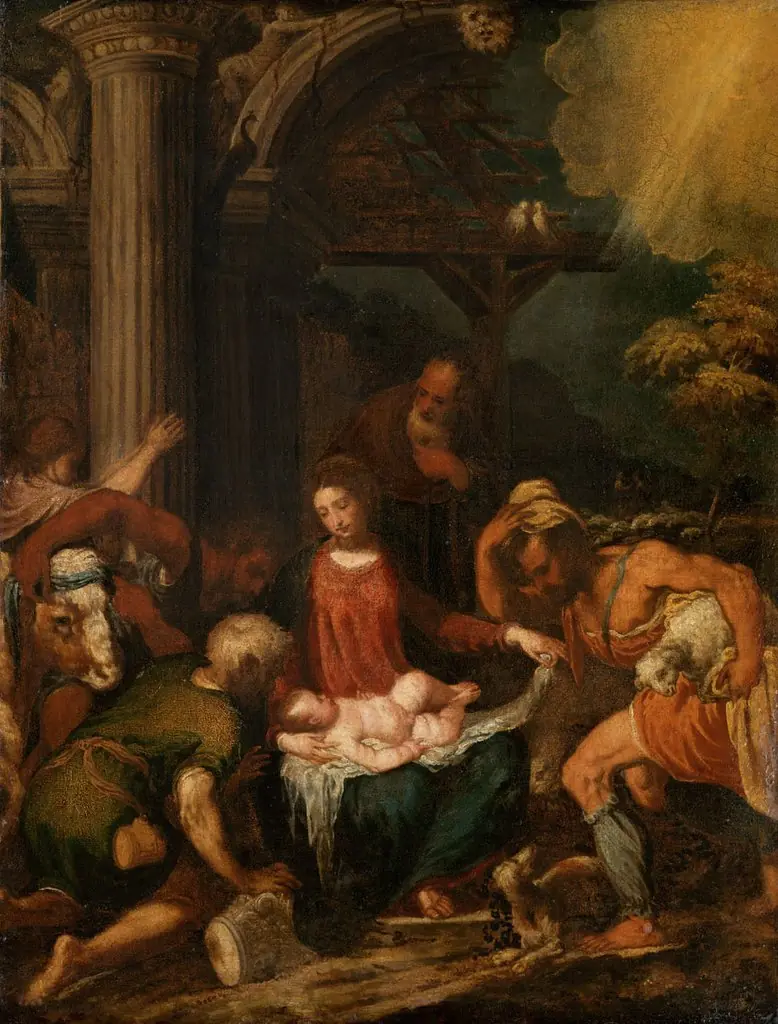
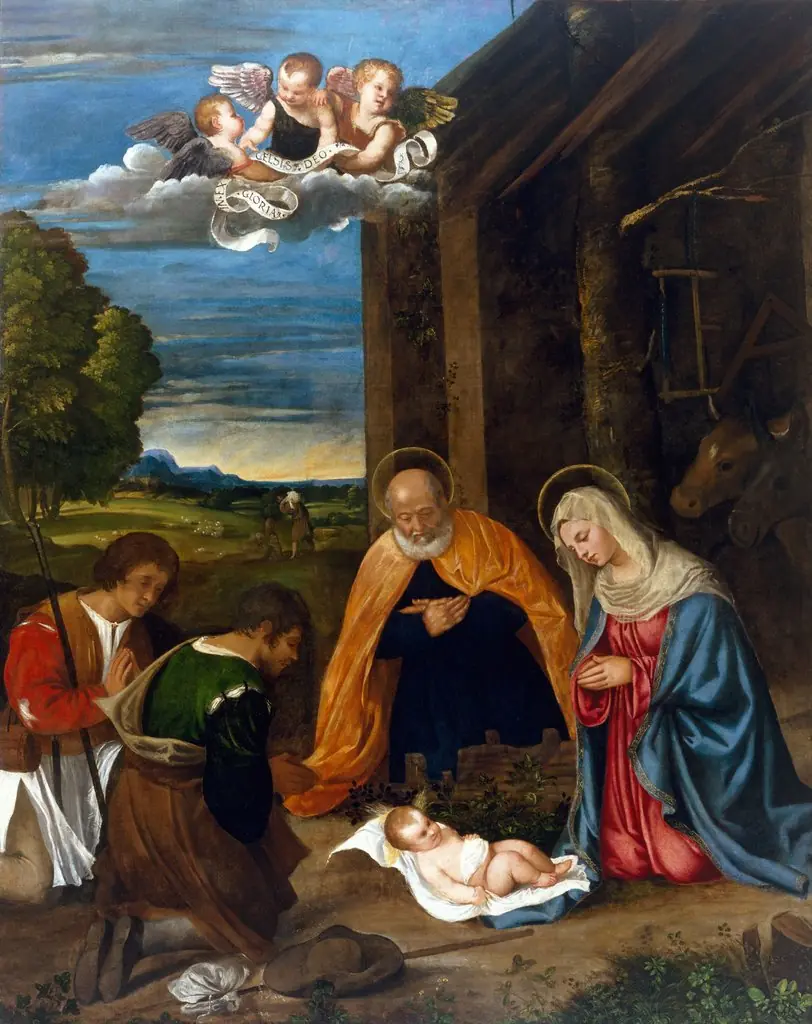
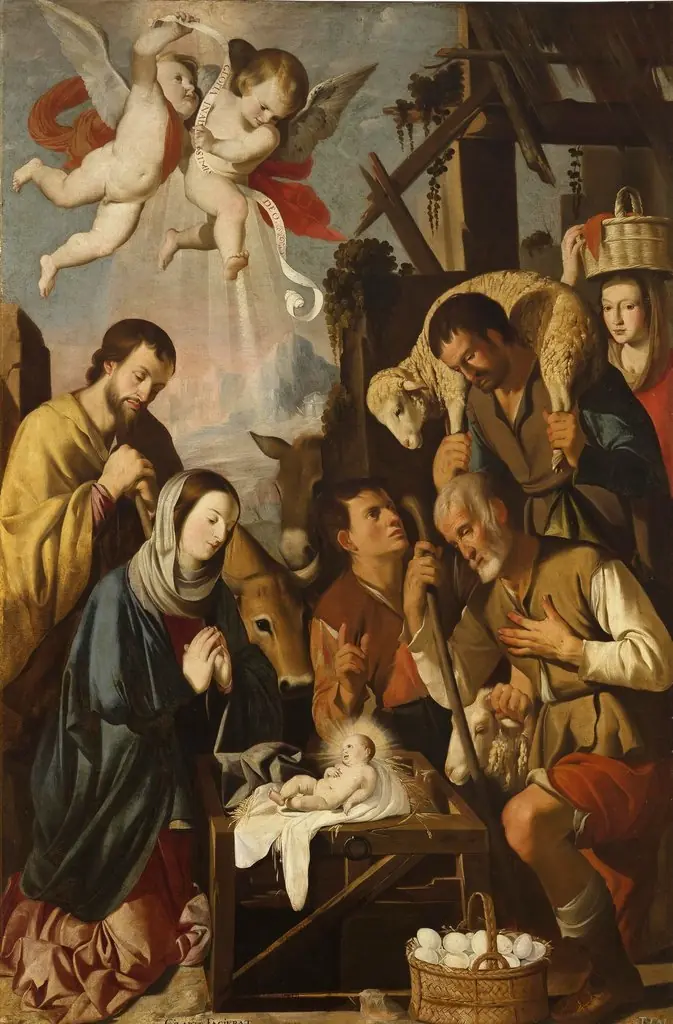
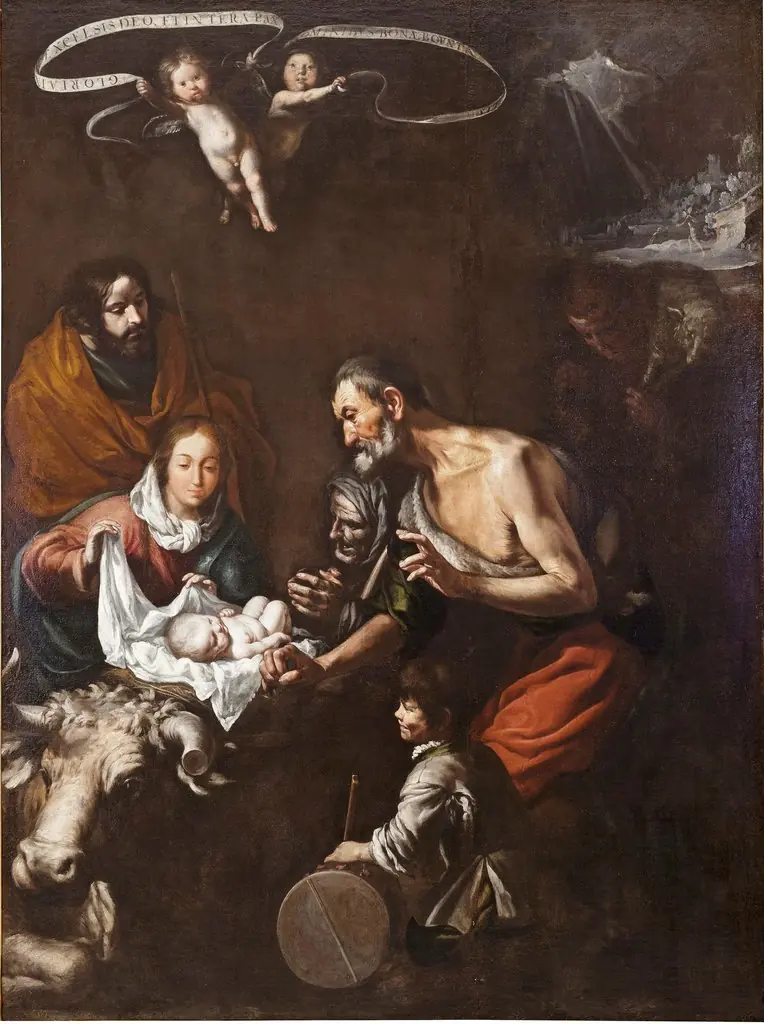
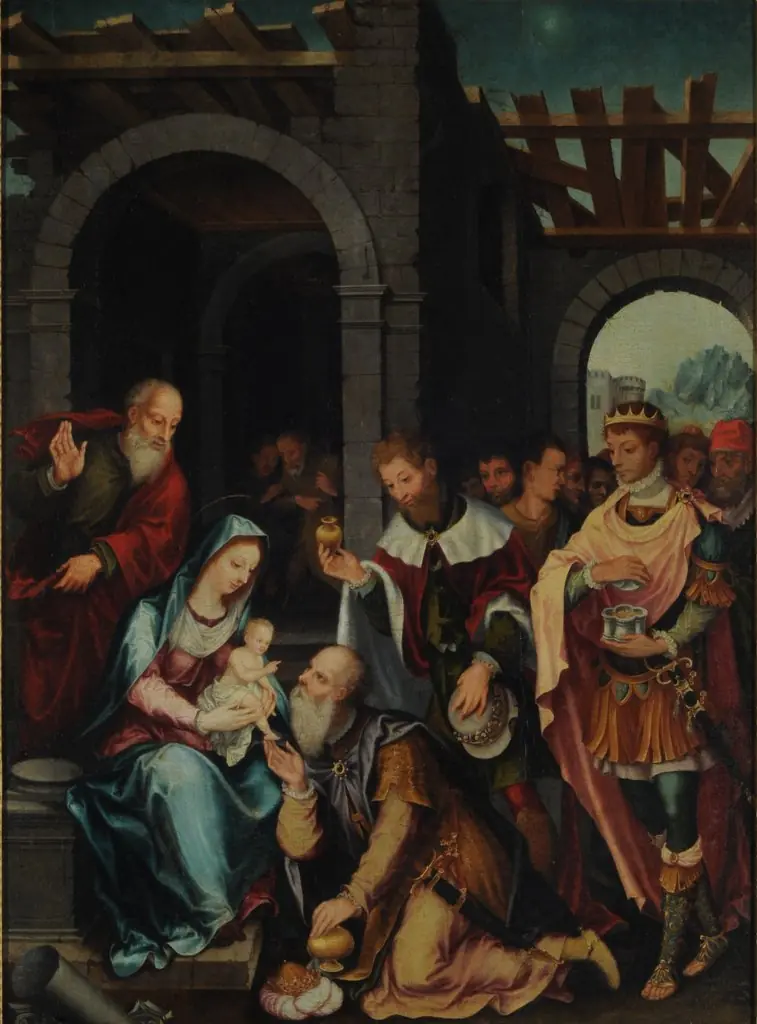
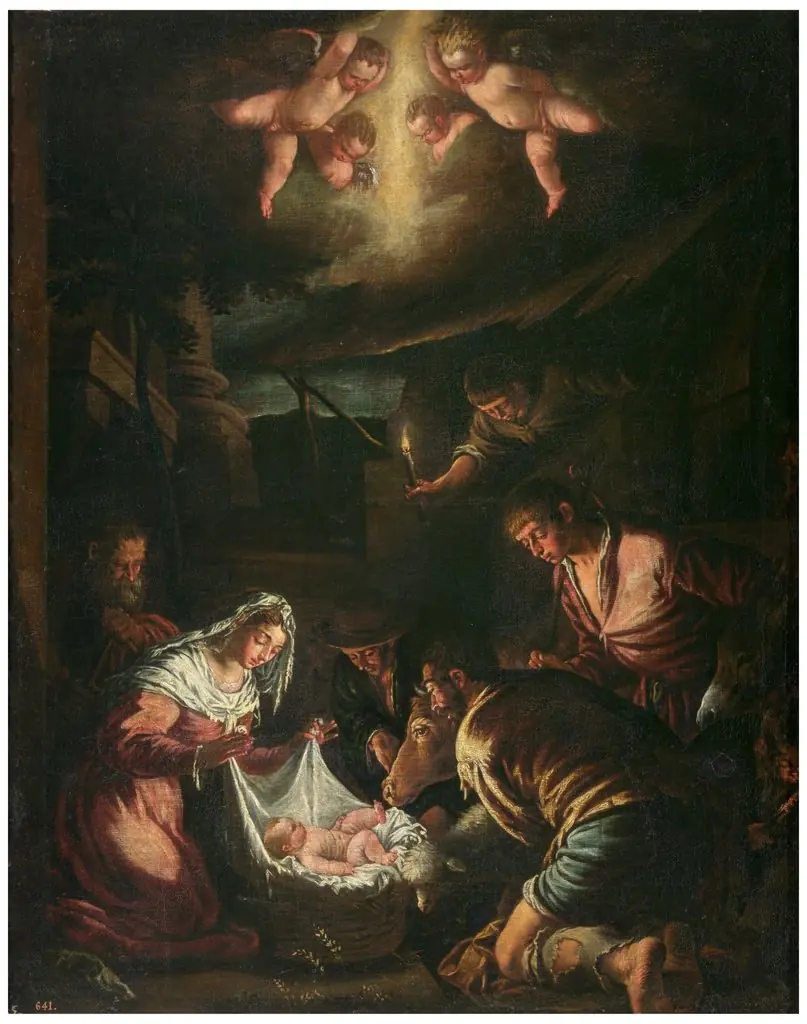
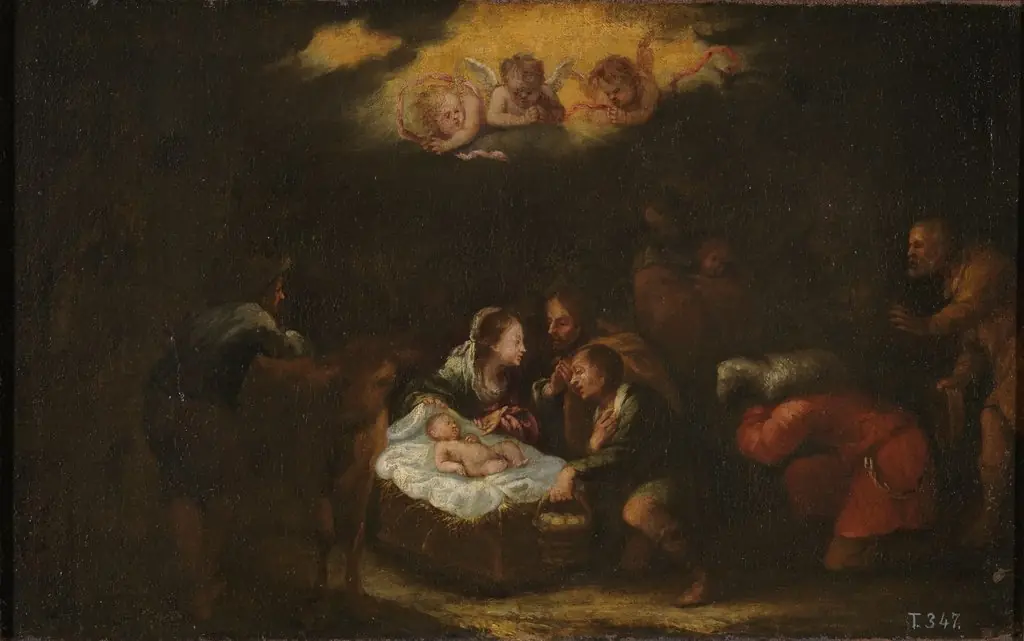
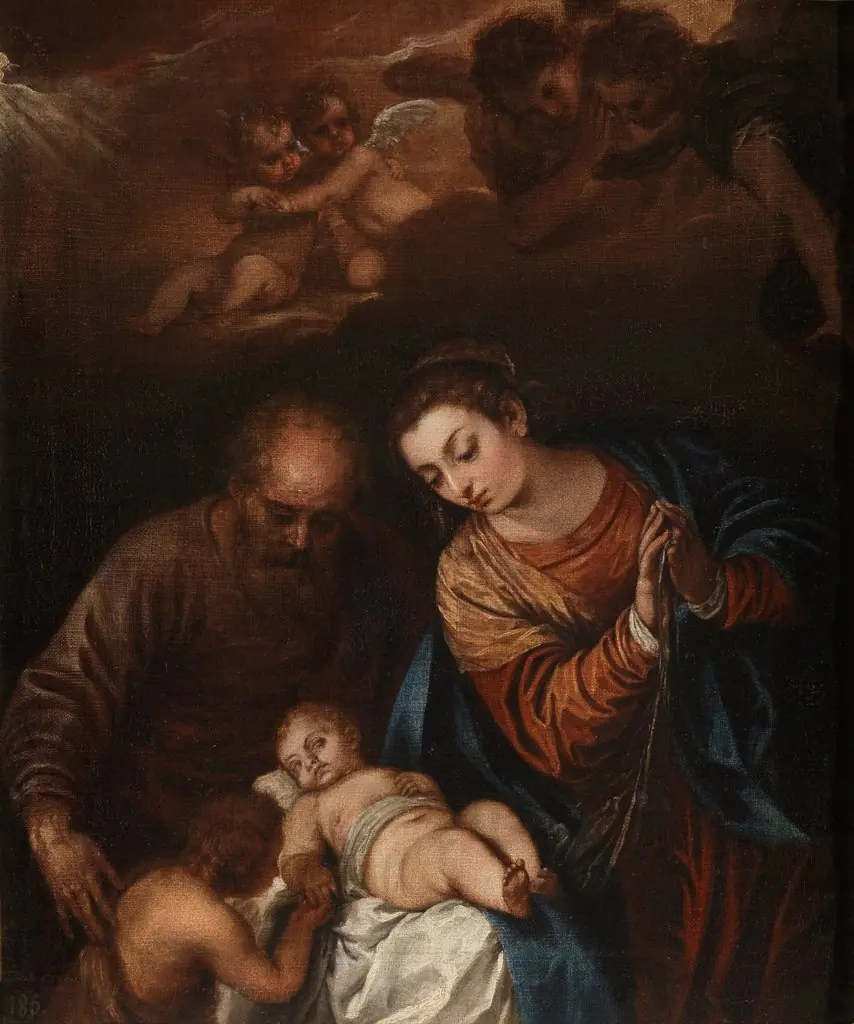
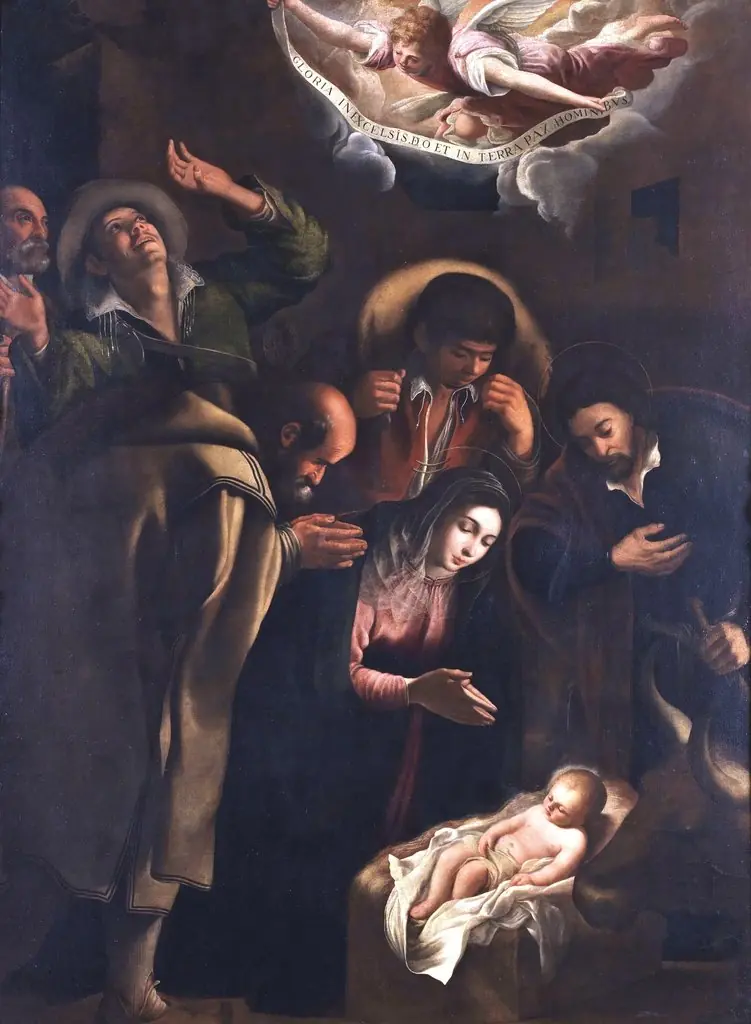
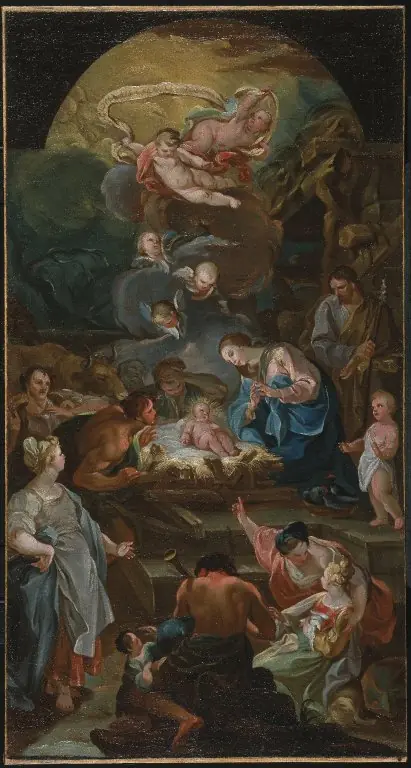
Created in 1603, *El nacimiento de Cristo* is an oil painting that presents a traditional nativity tableau. The Virgin Mary, clothed in red and blue, cradles the infant Jesus on a white linen, while shepherds and angels gather around them. The composition is set against a deep, shadowed backdrop, with a gentle golden illumination that highlights the central figures.
Subject & Meaning
The work portrays the birth of Christ, emphasizing the humility of the event through modest surroundings and the inclusion of a simple egg as a symbolic element of nourishment. The gathering of shepherds and celestial beings underscores the theological theme of divine revelation to both earthly and heavenly witnesses.
Technique & Style
Pantoja de la Cruz employs a pronounced chiaroscuro, using stark contrasts between light and darkness to model forms and suggest three-dimensional space. The soft golden glow creates a sense of intimacy, while the muted background recedes, focusing attention on the figures’ drapery and expressions.
History & Provenance
The Spanish court painter, who served under Philip II and Philip III, produced the piece during his early Baroque period. *El nacimiento de Cristo* entered the Museo del Prado’s collection, where it remains part of the institution’s holdings of 17th‑century religious art.
Own this work as a print
Artist & collection
Artist
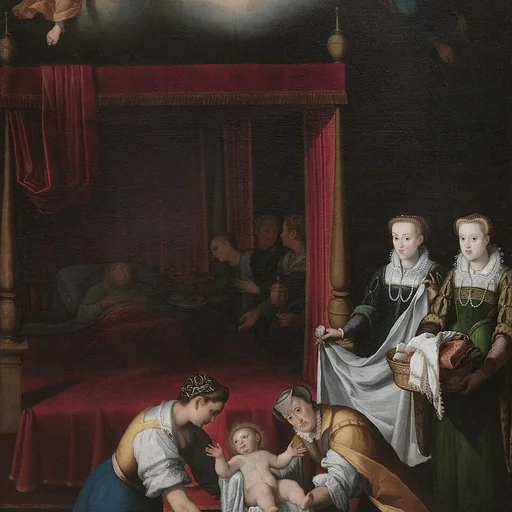
Juan Pantoja de La Cruz (1553 – 26 October 1608) was a Spanish painter, one of the best representatives of the Spanish school of court painters.

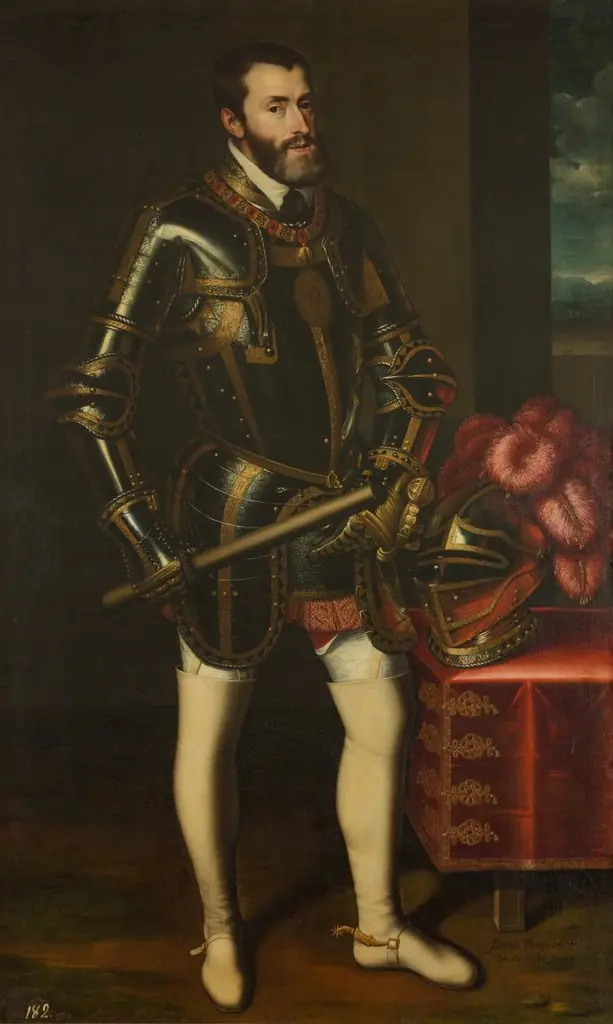 The Emperor Charles V
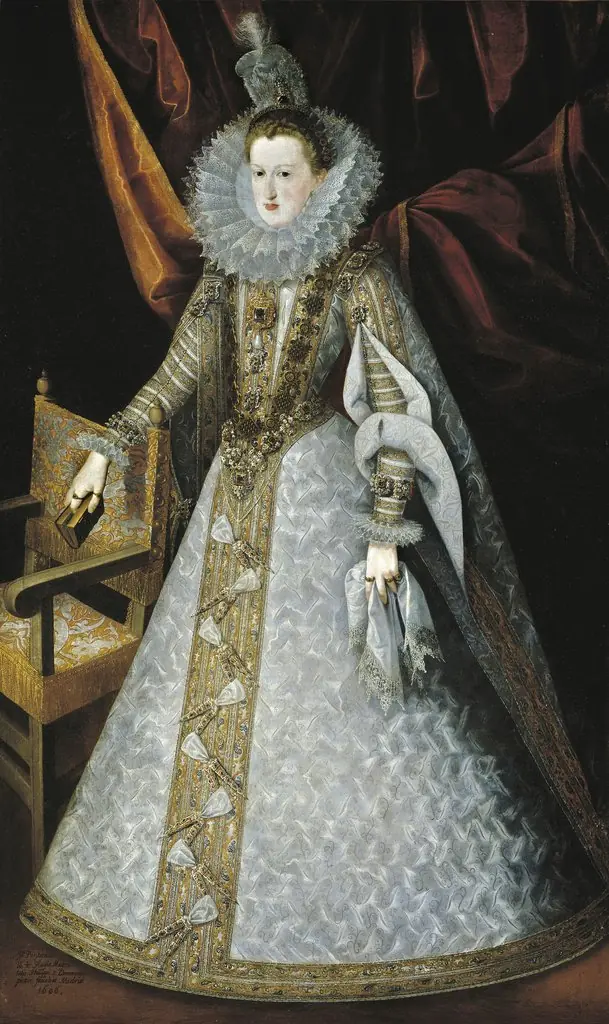 Margaret of Austria
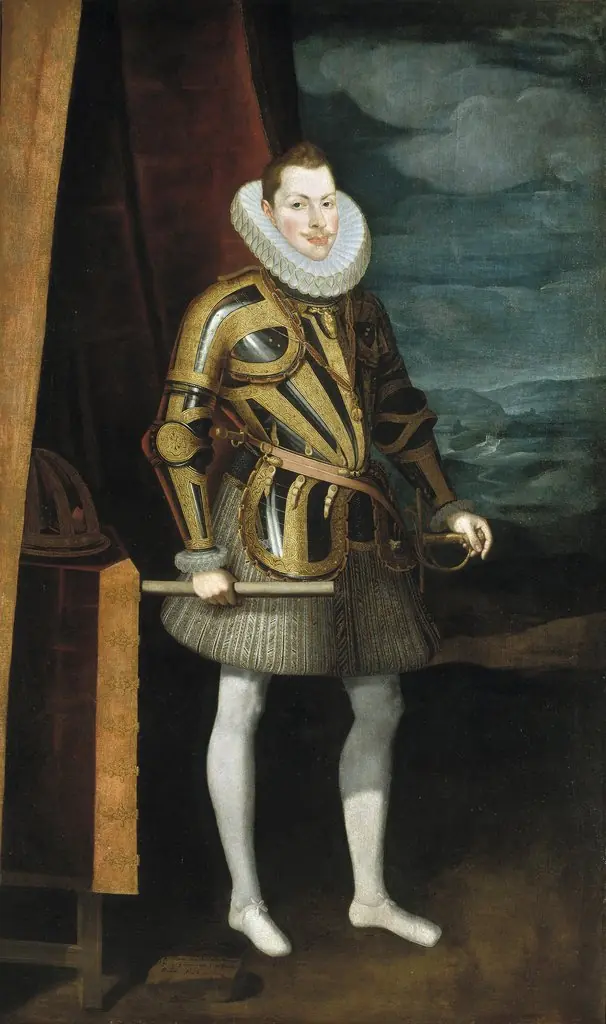 Philip III
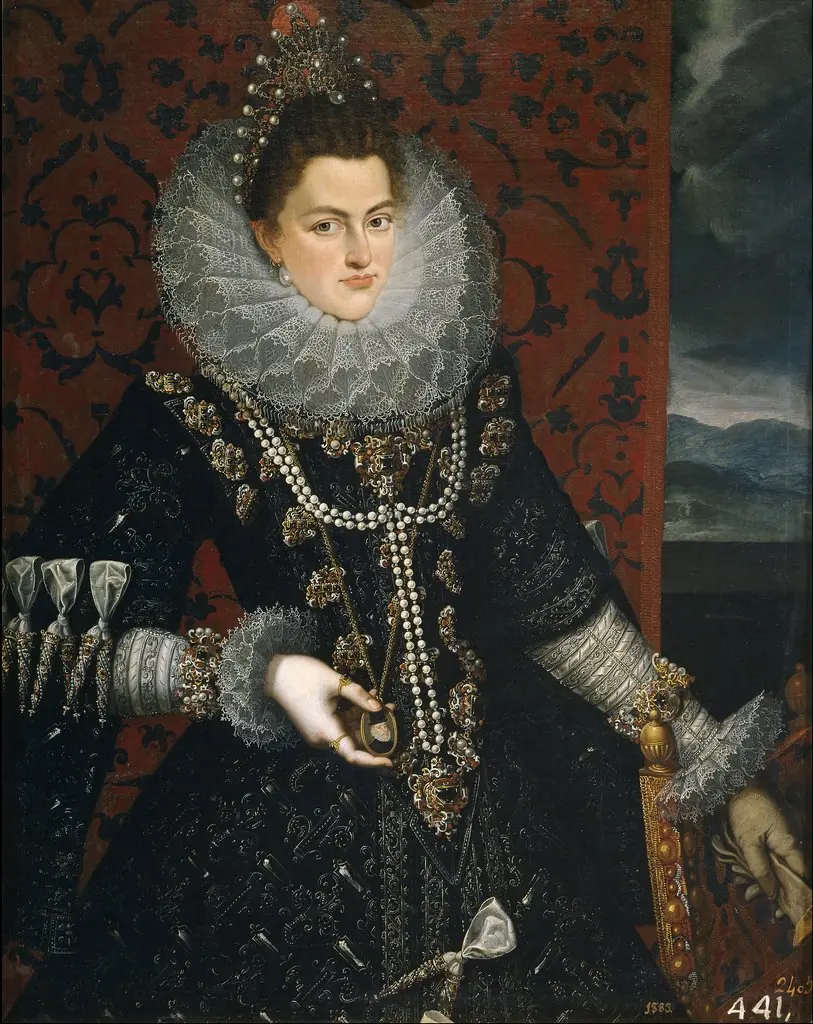 The Infanta Isabel Clara Eugenia
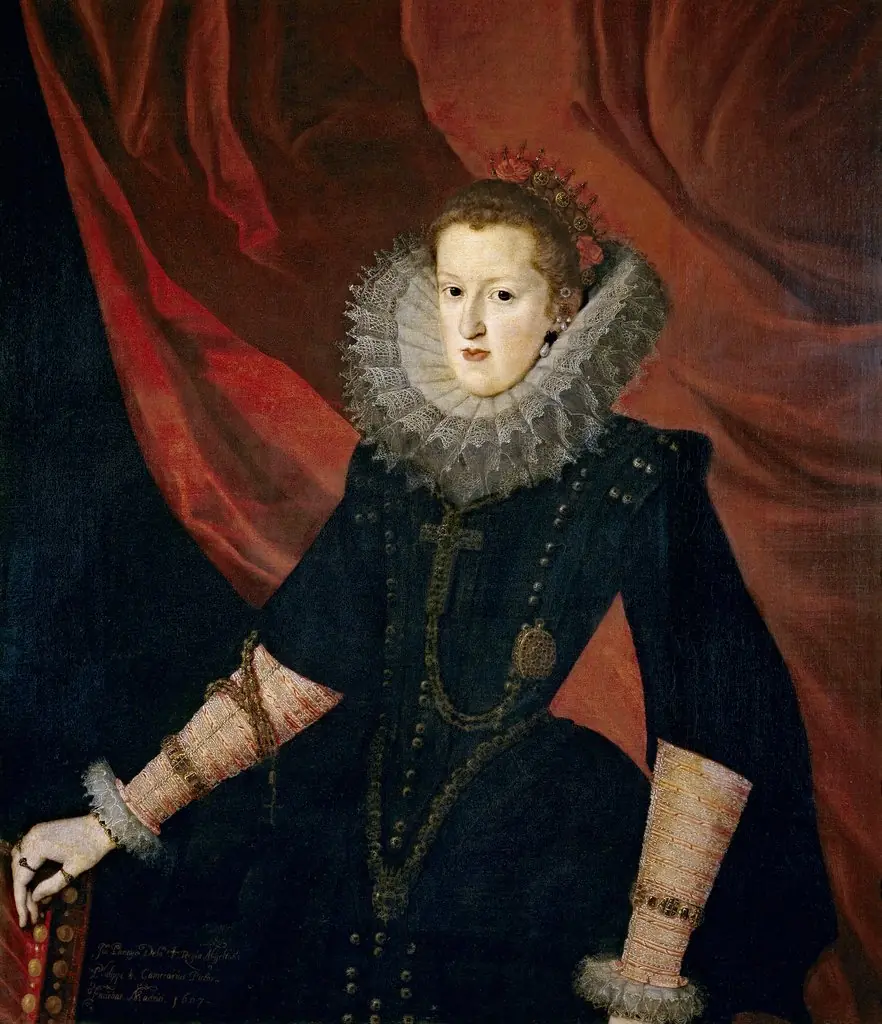 Margaret of Austria
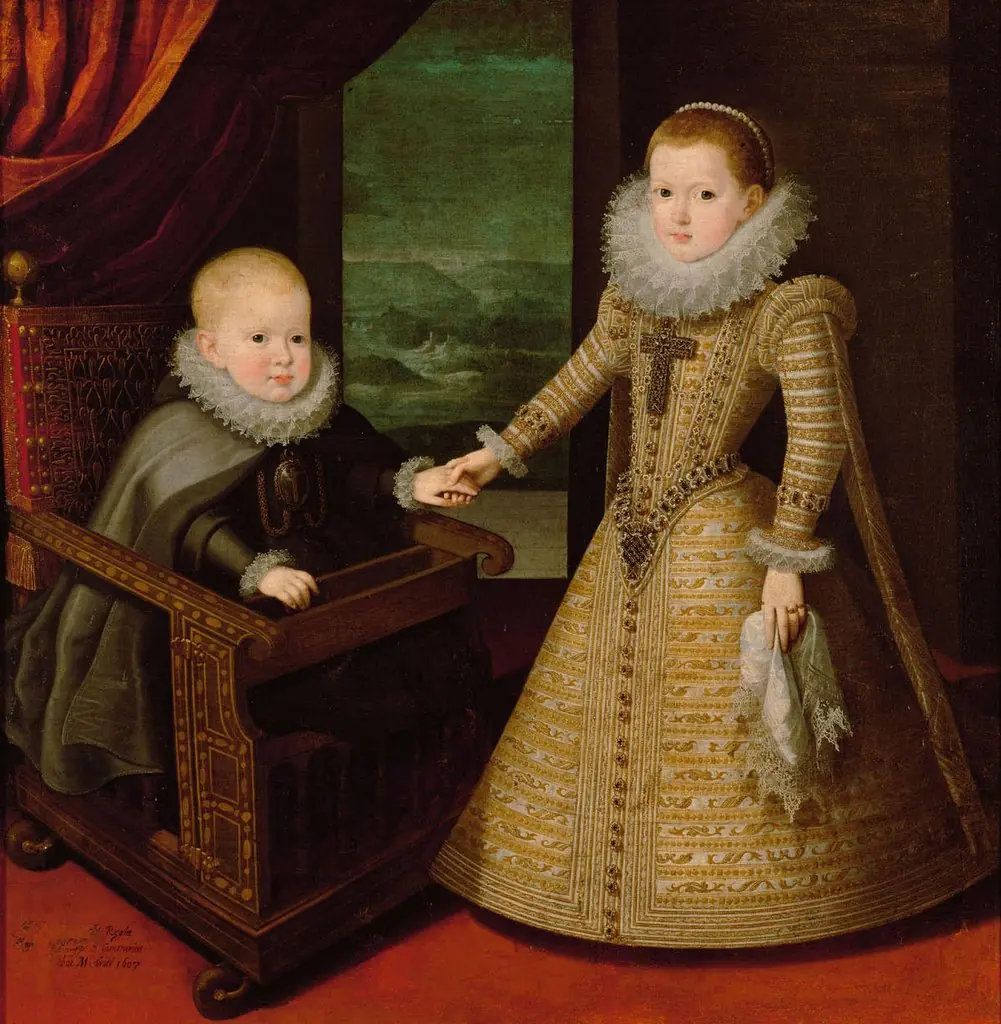 König Philipp IV. von Spanien (1605-1665) in geistlichem Gewand und seiner Schwester Infantin Anna (1601-1666), Bildnis in ganzer Figur
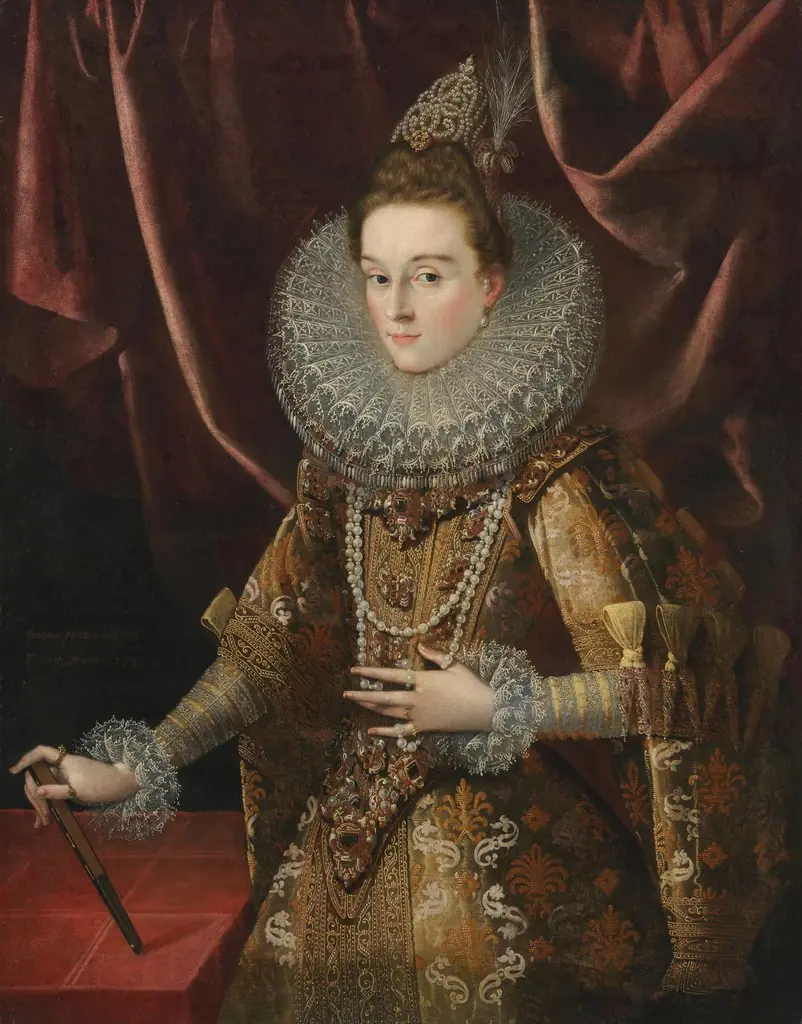 Isabella Clara Eugenia by Juan Pantoja de la Cruz
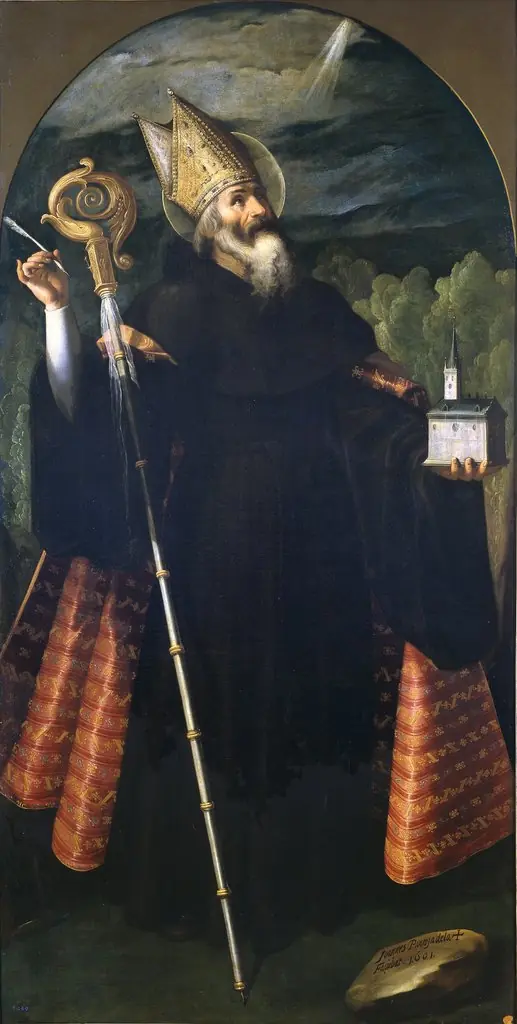 Saint Augustine