Artwork
Retablo de la Epifanía
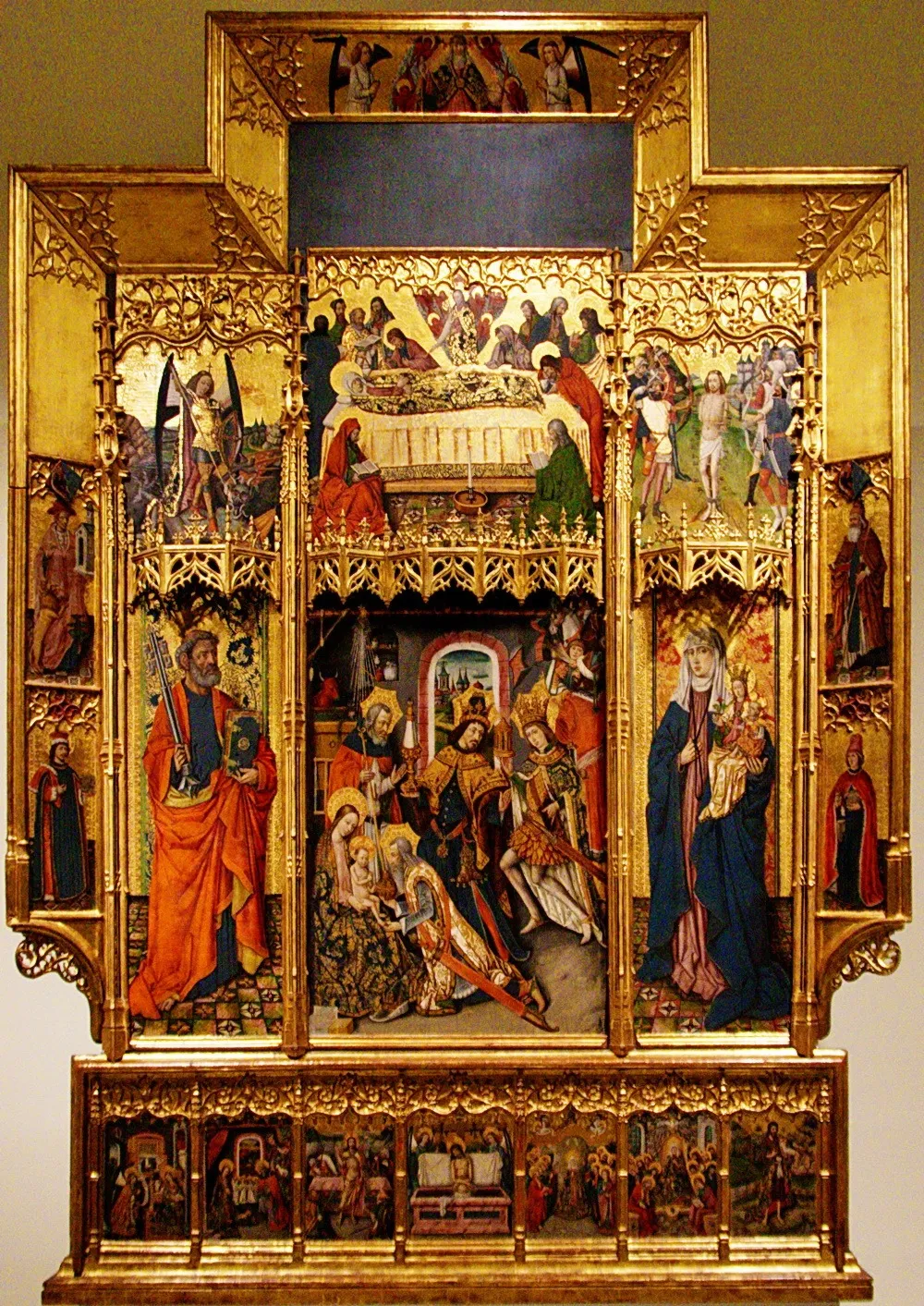
Retablo de la Epifanía is an unspecified painting by Juan Rexach. It dates from 1469 and is held in the collection of the Museu Nacional d'Art de Catalunya.
About this work
Overview
Retablo de la Epifanía is a 15th-century religious painting created by Spanish artist Juan Rexach in 1469. It is now part of the collection at the Museu Nacional d'Art de Catalunya.
Subject & Meaning
The painting depicts the Epiphany, a Christian feast commemorating the visit of the Magi to the newborn Jesus. The central scene focuses on a group surrounding the infant, with figures in robes and halos, conveying a sense of reverence and divine importance.
Technique & Style
Rexach employed a monumental style characterized by large-scale figures, intricate details, and a dominant color palette of gold, red, and blue. The work is divided into sections, each containing distinct scenes that showcase interactions and solitary figures amidst opulent settings.
History & Provenance
Trained under Jacomart, Rexach succeeded his master, sometimes leading to shared attributions for works completed from Jacomart's unfinished projects. Retablo de la Epifanía is a notable example of Rexach's independent work.
Context
Created during Rexach's active period in Valencia, the painting reflects the artistic traditions of 15th-century Spain, blending religious themes with the artist's distinctive monumental and detailed approach.
Legacy
As one of Rexach's identified works, Retablo de la Epifanía contributes to the understanding of his style and the transitional period in Spanish art during the late 15th century, though its broader influence on subsequent art movements is not prominently documented.
Artist & collection
Artist
Juan Rexach, (fl. 1431-1482) was a Spanish painter and miniaturist. His date of birth is not known. Most of his life is scarcely documented. He studied with Jacomart, in whose studio he worked, and after a period of…

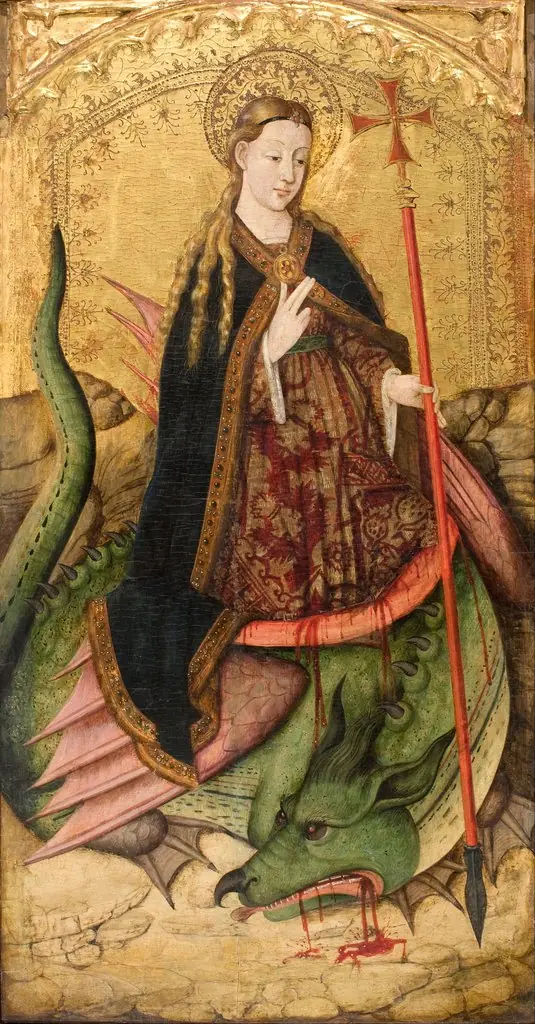
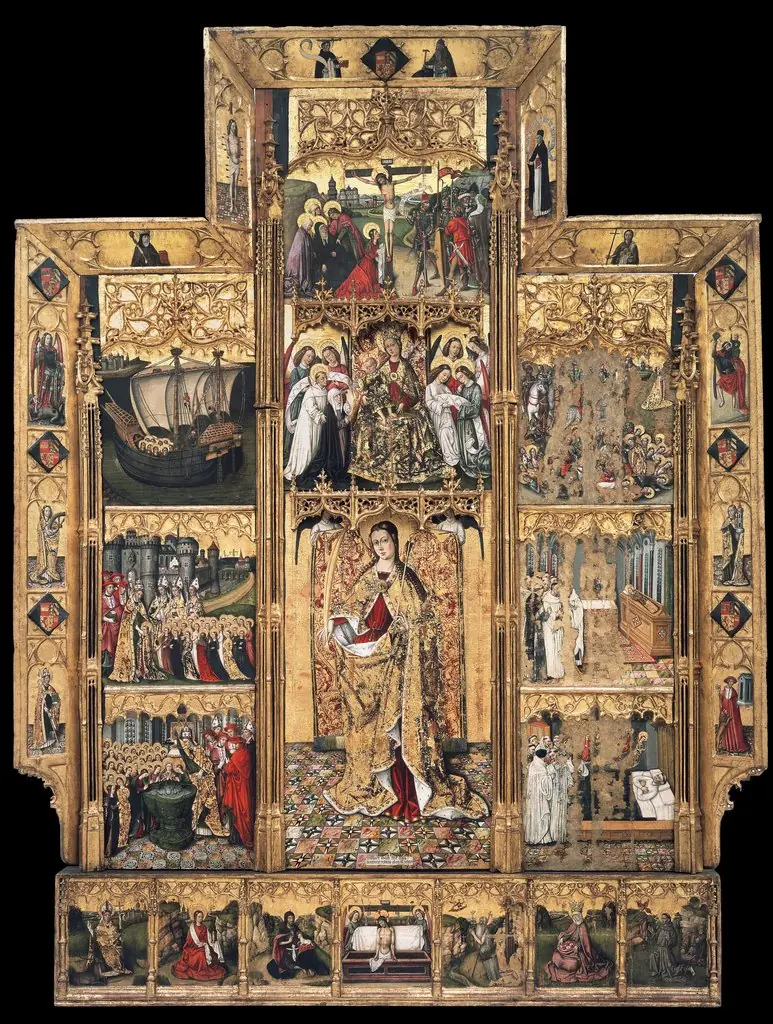
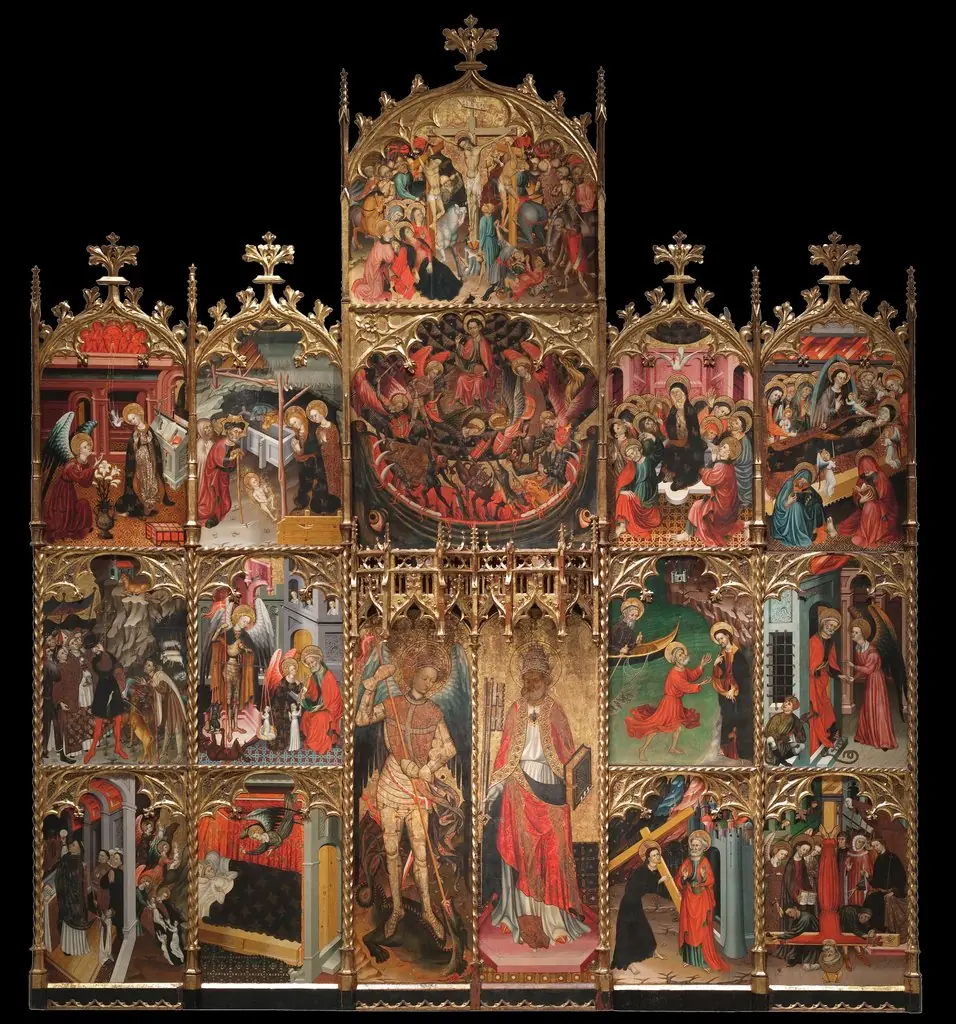 Altarpiece of Saint Michael and Saint Peter
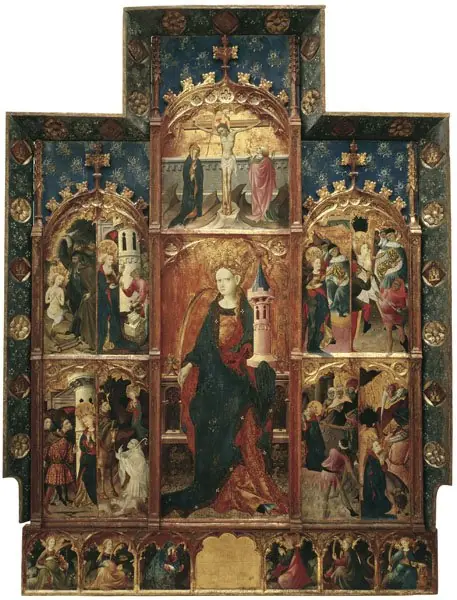 Altarpiece of Saint Barbara
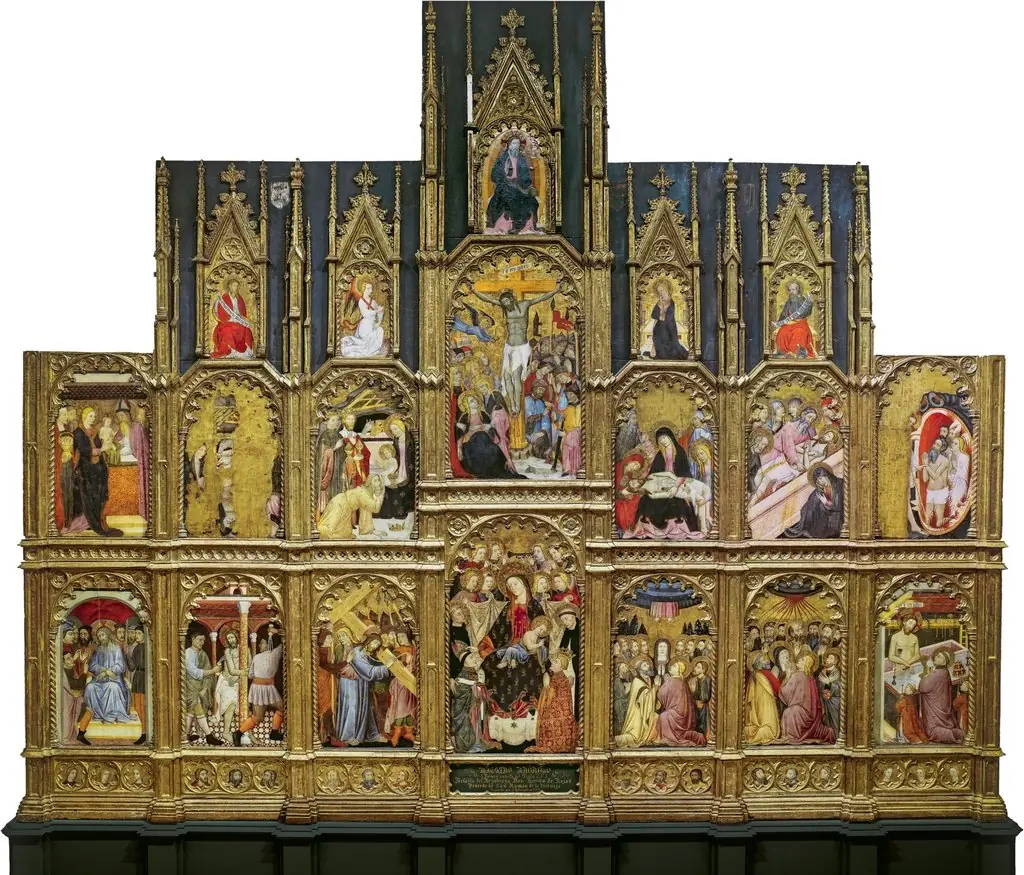 Altarpiece of Archbishop Sancho de Rojas
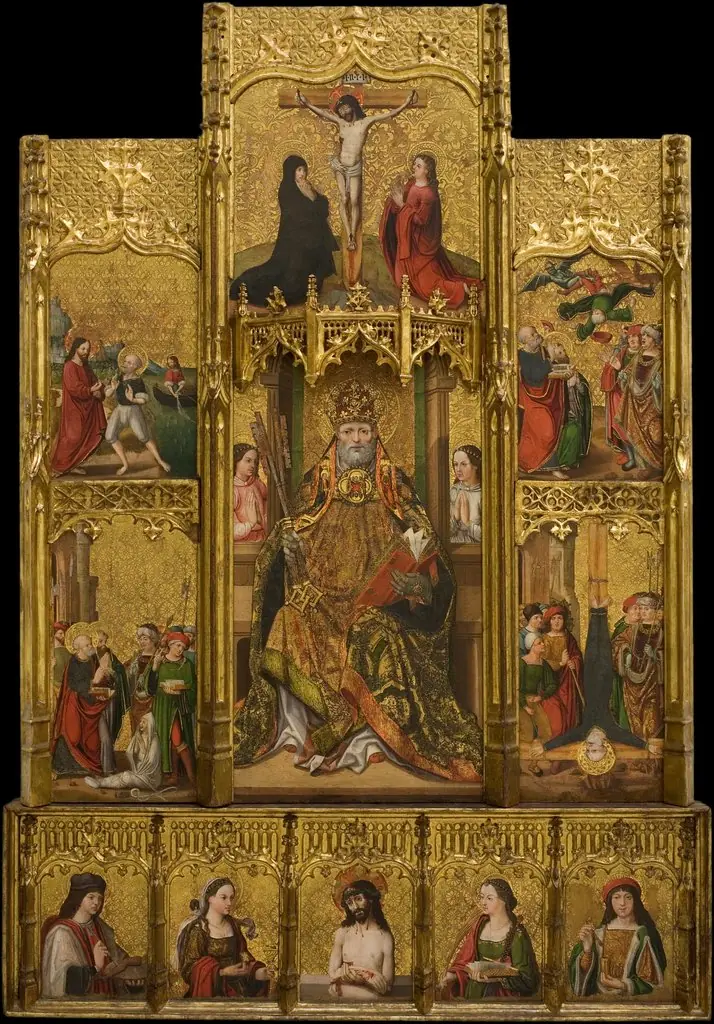 Altarpiece of Saint Peter
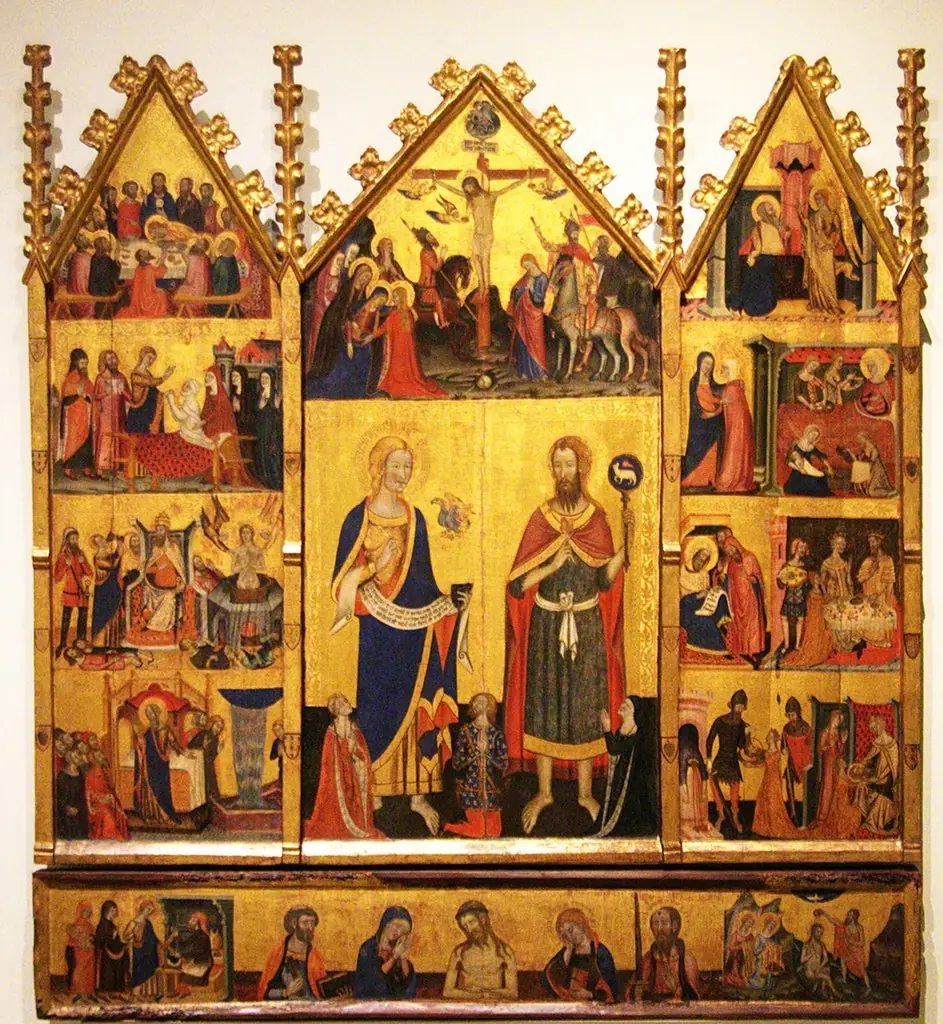 Altarpiece of the Saints John
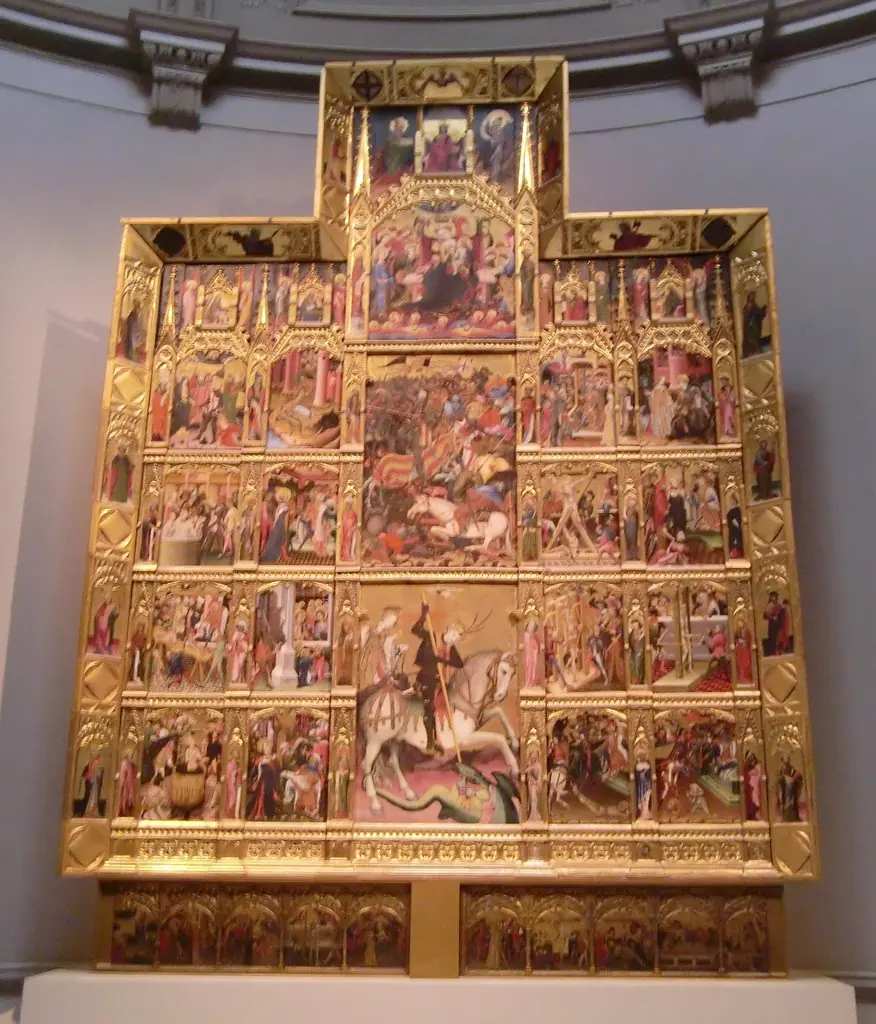 Altarpiece of Saint George
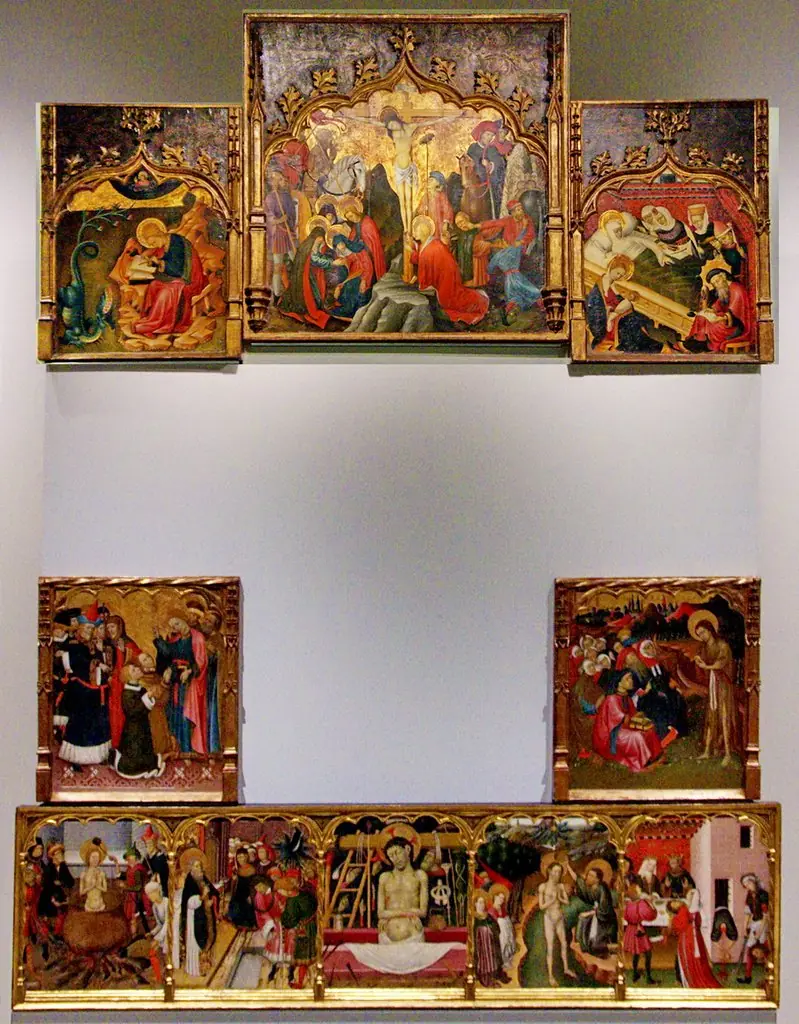 Altarpiece of the Saints John
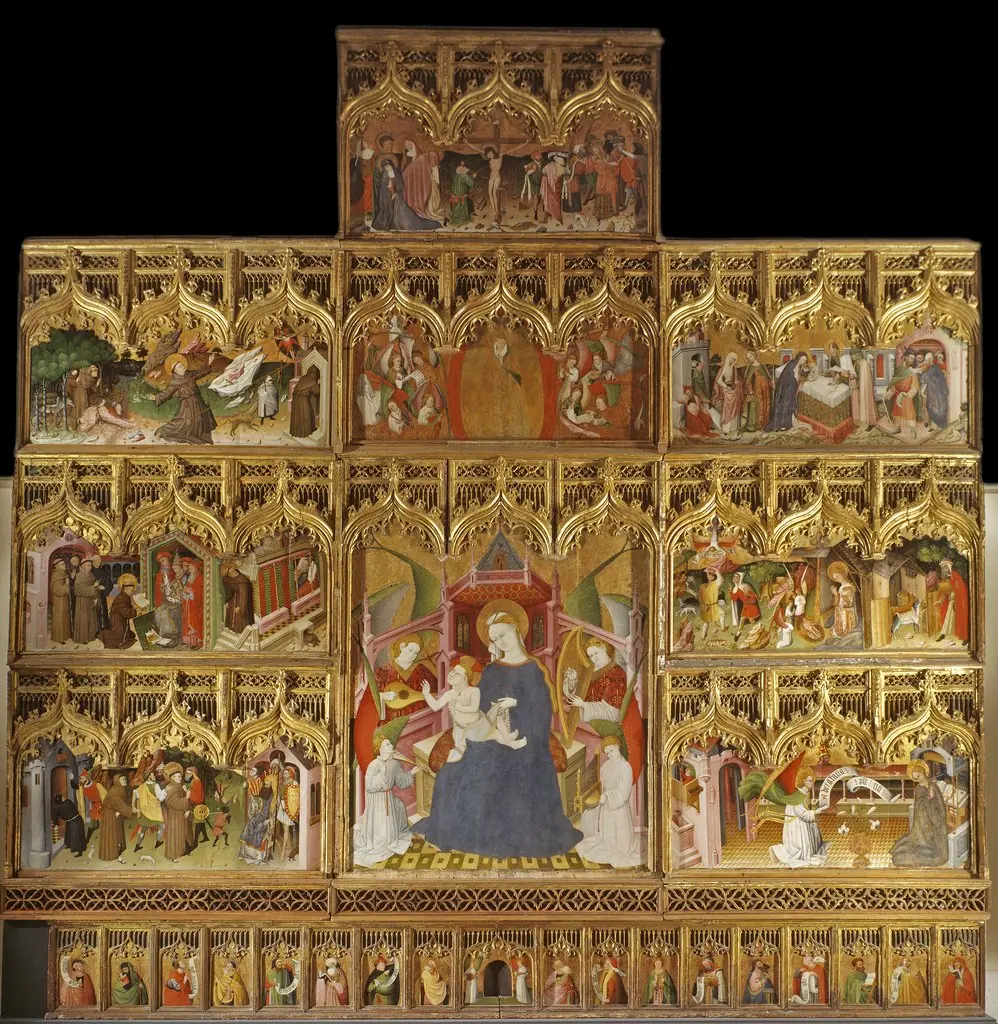 Altar Piece of the Lives of the Virgin and Saint Francis
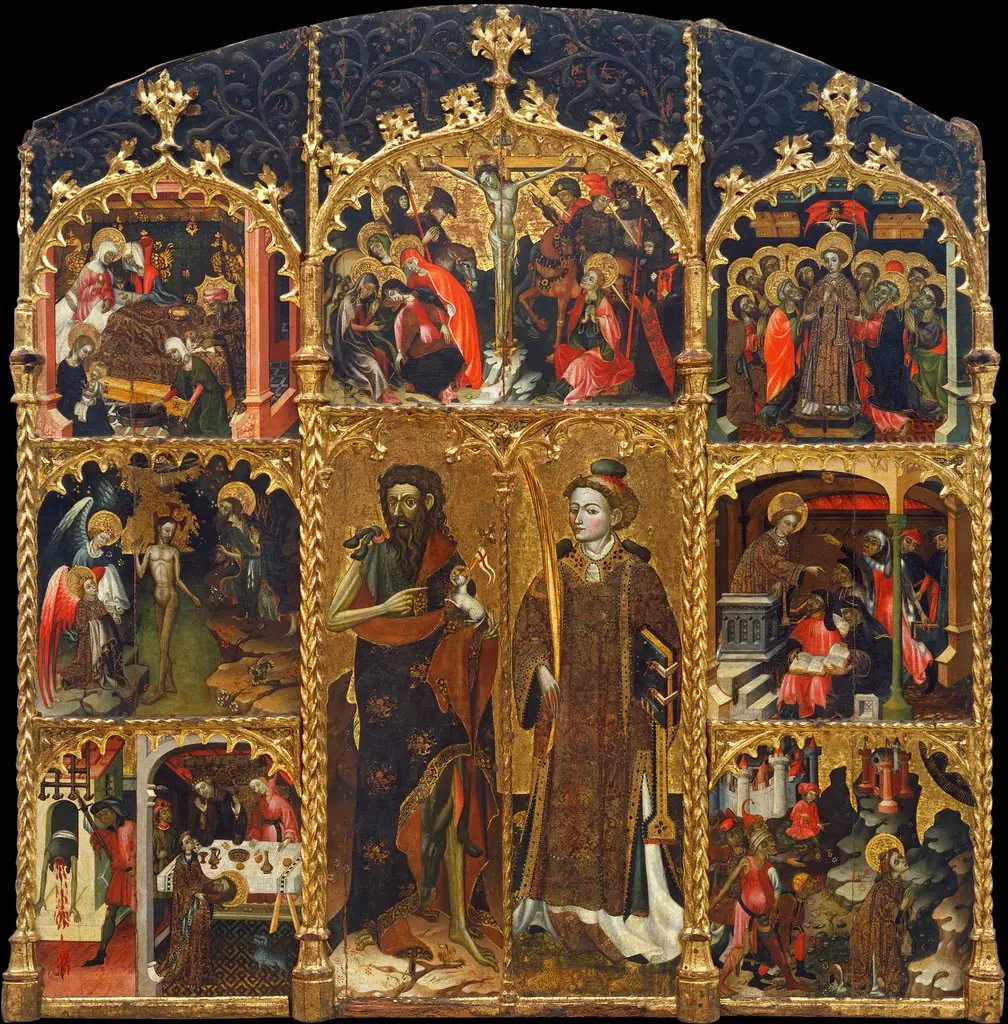 Altarpiece of Saint John the Baptist and Saint Stephen
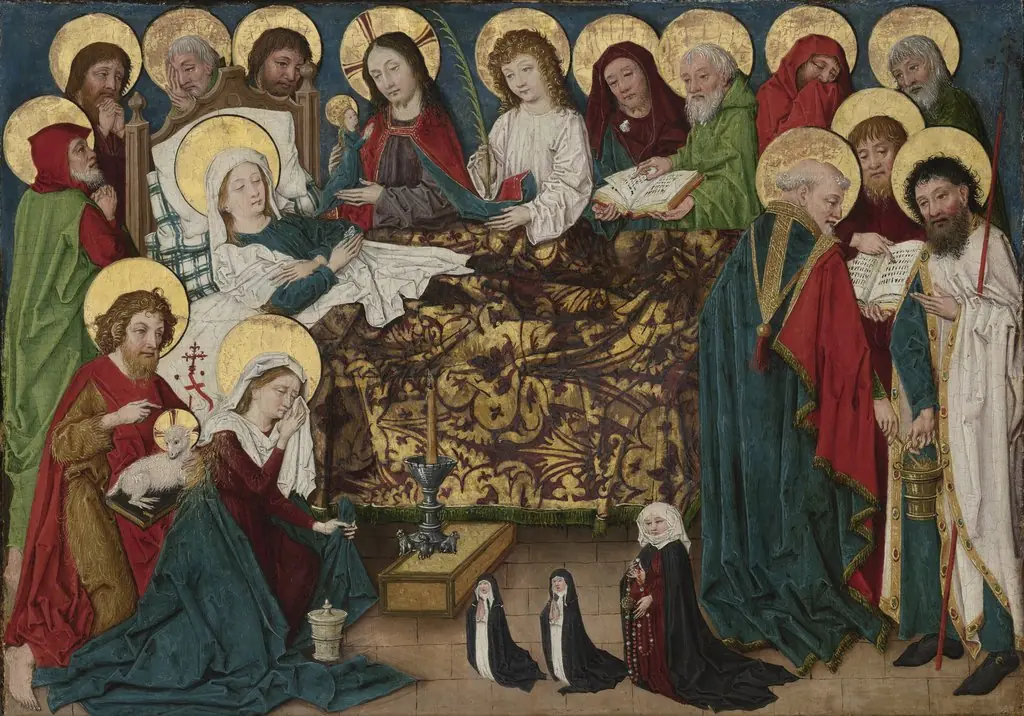 Dormition of the Virgin
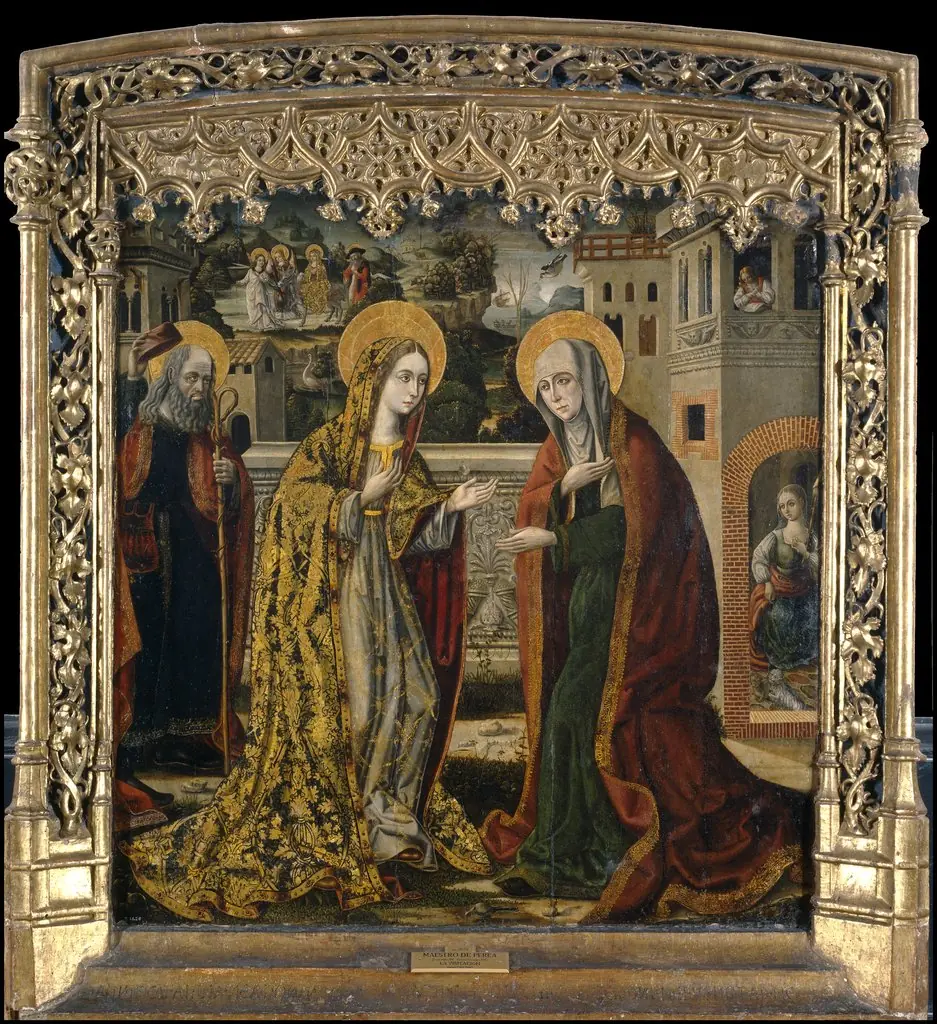 The Visitation