Artwork
Teneriffe
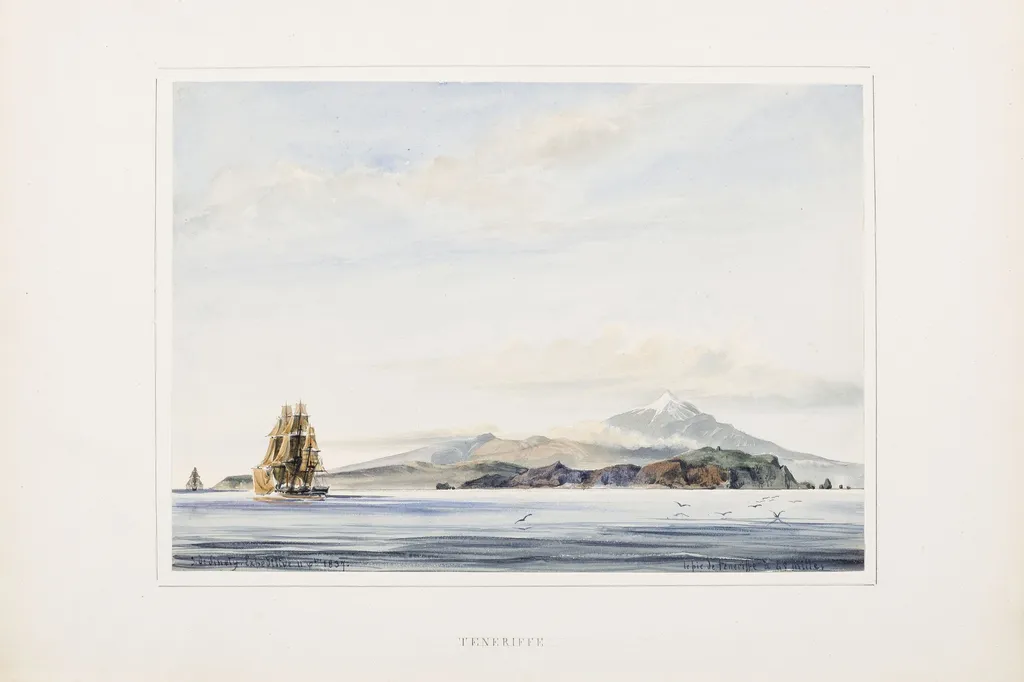
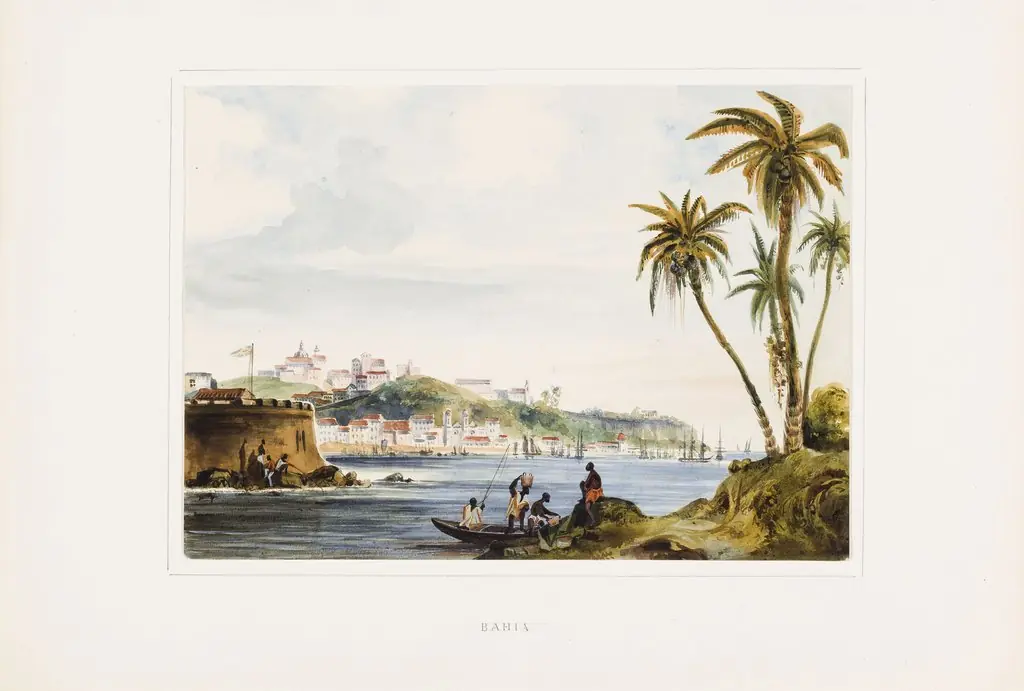
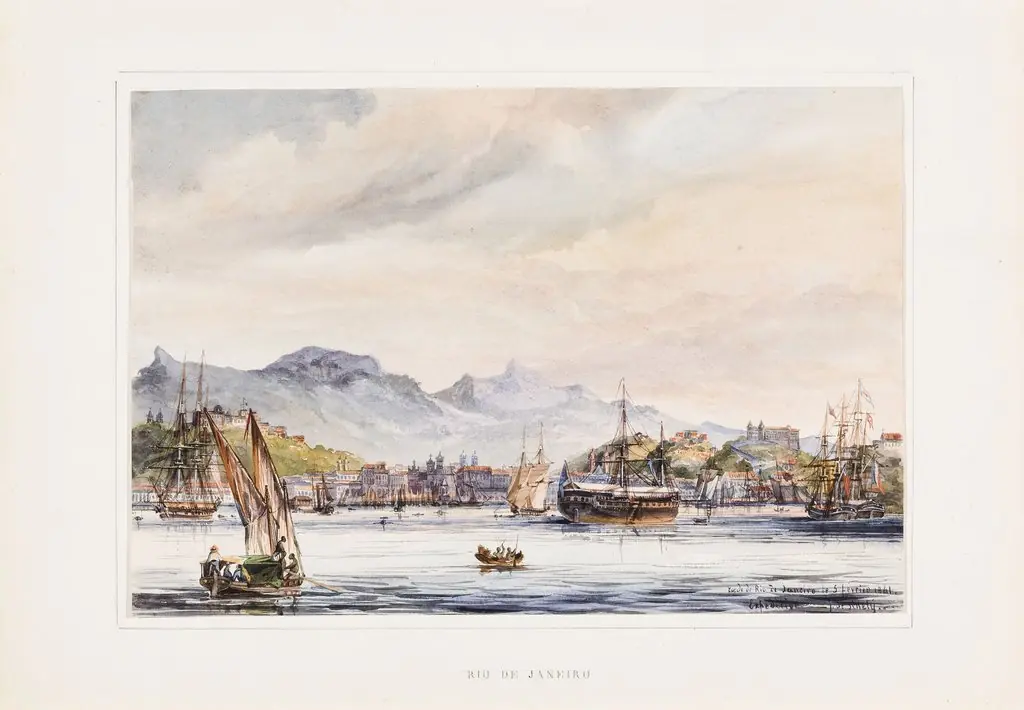
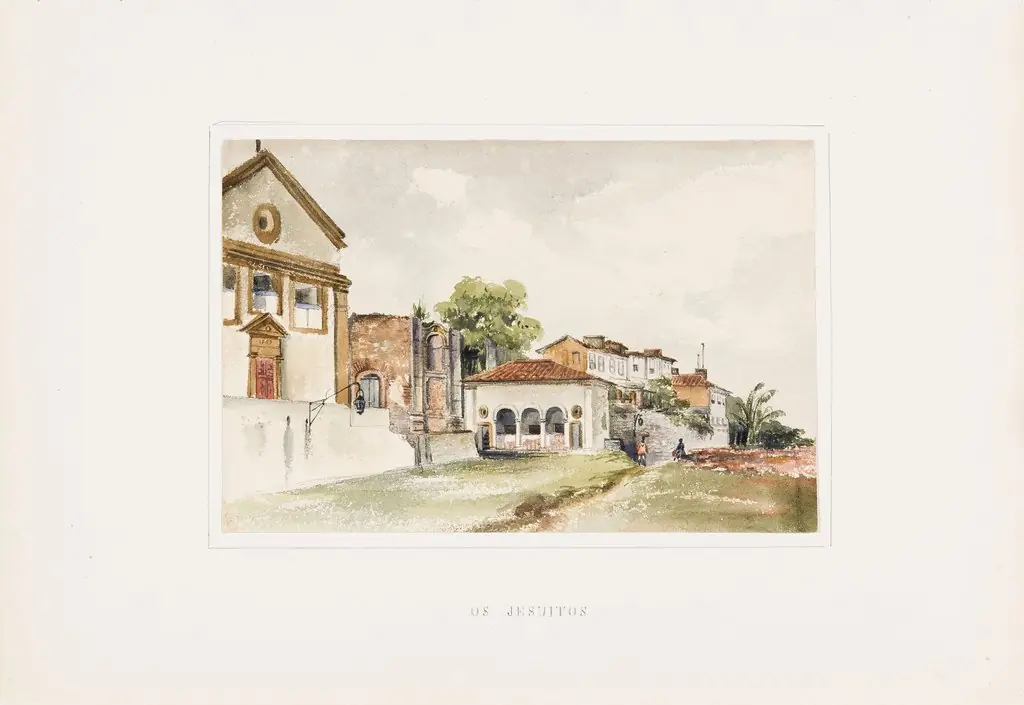
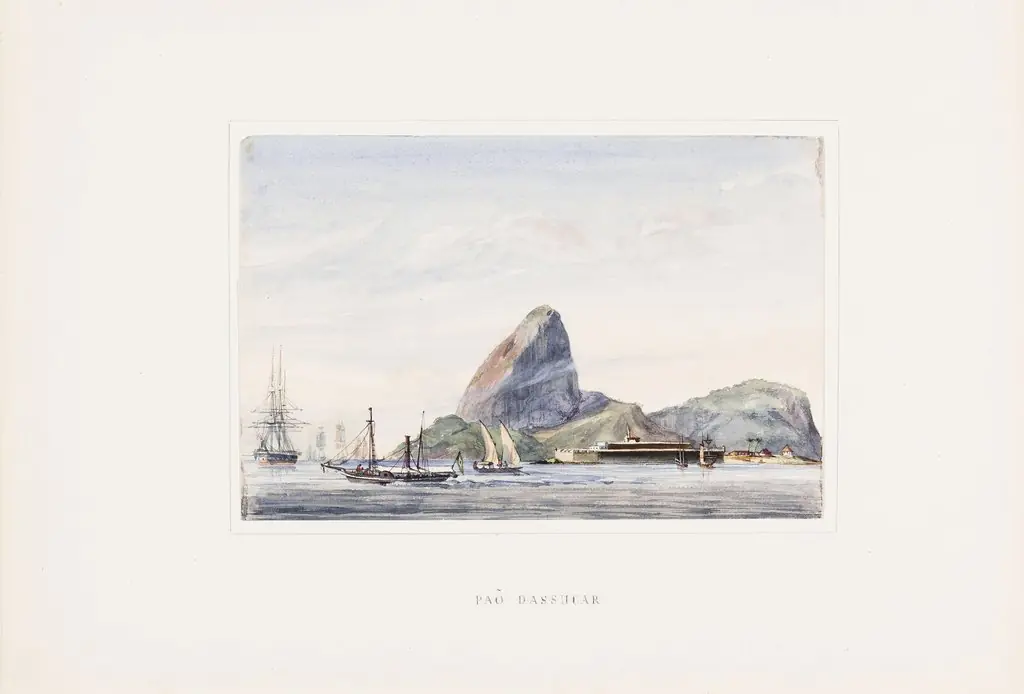
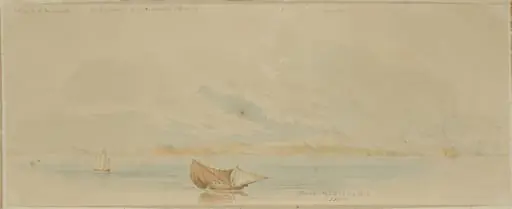
Teneriffe is a graphite painting by the French Romanticist artist Jules Marie Vincent de Sinety. It dates from 1837 and is held in the collection of the Pinacoteca de São Paulo.
About this work
Overview
Teneriffe is a graphite drawing by Jules Marie Vincent de Sinety, completed in 1837. Though often described as a painting, the work is executed in pencil on paper, capturing a maritime landscape with quiet precision. It belongs to the collection of the Pinacoteca do Estado de São Paulo and reflects the 19th-century European interest in travel and distant geography through observational art.
Subject & Meaning
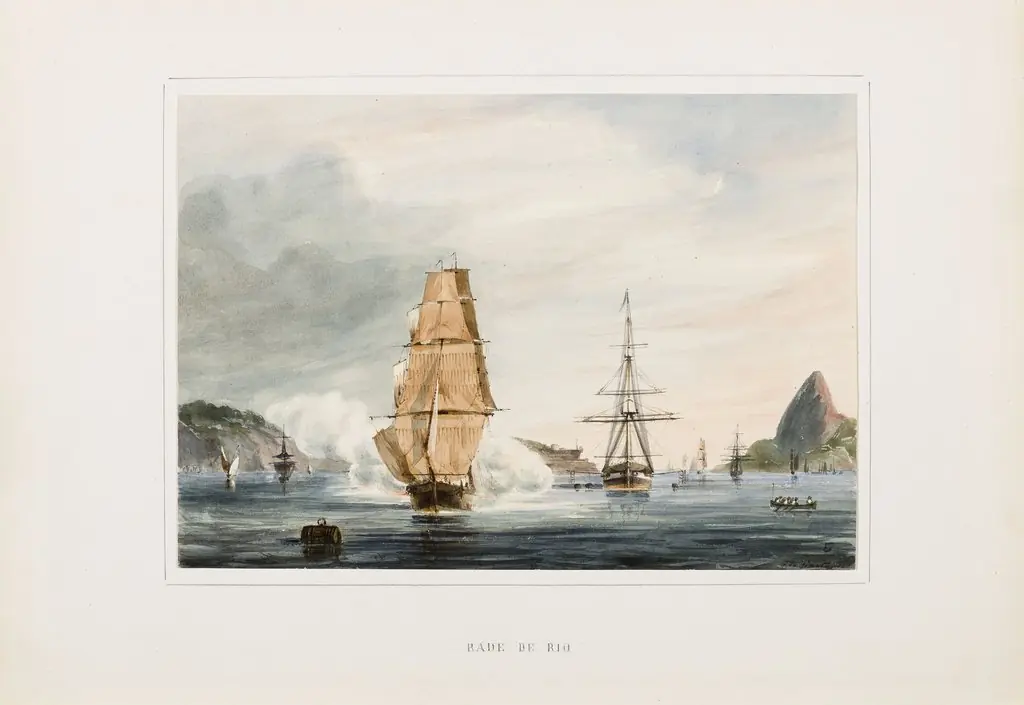
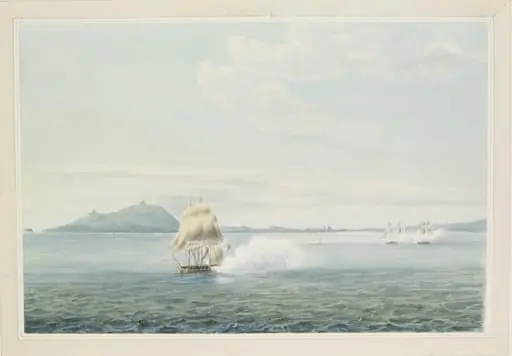
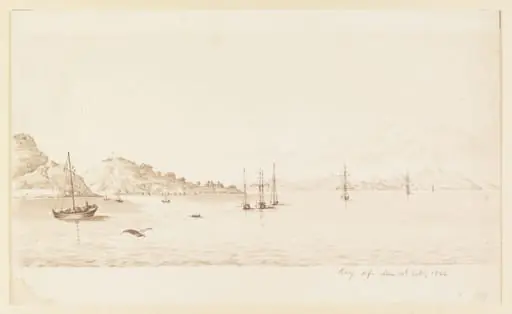
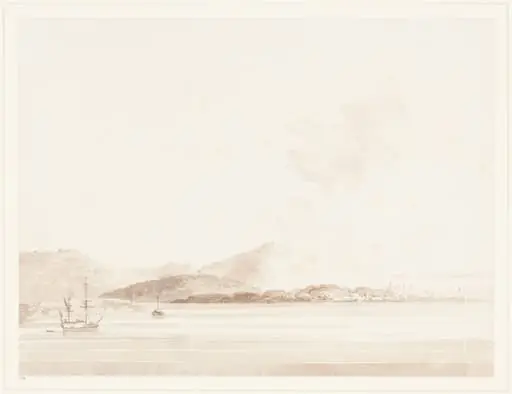
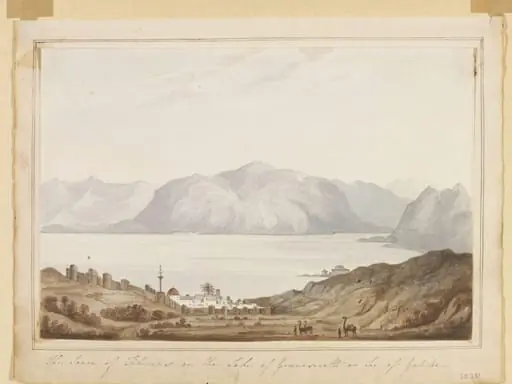
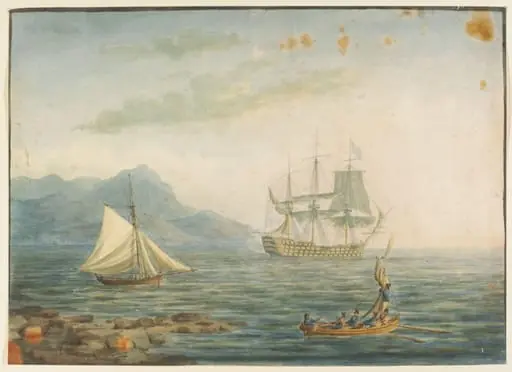
The scene portrays a sailing vessel gliding across calm waters toward the left, with the volcanic peaks of Tenerife rising in the distance, partially veiled in mist. The composition emphasizes stillness and distance, suggesting a moment of pause in a longer journey. There is no human activity visible, reinforcing a sense of solitude and the sublime scale of nature over human endeavor.
Technique & Style
Sinety employed fine graphite lines to model the forms of sea, sky, and mountain with subtle tonal gradations.
Sinety employed fine graphite lines to model the forms of sea, sky, and mountain with subtle tonal gradations. The horizon is softly rendered, allowing the clouds and water to merge in muted grays and whites. The sails catch light through delicate hatching, while the mountain’s contours are defined with restrained strokes, creating a quiet, atmospheric effect typical of topographical sketches of the era.
History & Provenance
Created in 1837, the work likely originated from Sinety’s travels or studies inspired by contemporary exploratory accounts. It entered the Pinacoteca do Estado de São Paulo’s collection in the 20th century, though its earlier ownership history remains undocumented. Its presence in Brazil reflects the global circulation of European artistic works during the colonial and post-colonial periods.
Context
In the 1830s, European artists increasingly turned to landscape and travel themes as scientific curiosity and colonial expansion grew. Teneriffe, as a representation of a distant island, aligns with this trend, serving not as a documentary record but as a contemplative interpretation of place. Such works were often used to satisfy public fascination with uncharted territories.
Legacy
Teneriffe remains a modest but evocative example of 19th-century travel sketching, illustrating how artists translated geographic observation into quiet, poetic imagery. While Sinety is not widely known today, this work contributes to a broader understanding of how landscape drawing functioned as both record and reflection in an age of exploration.
Artist & collection
Artist
Jules Marie Vincent de Sinety (1812–1898) was an artist, born in Aix-en-Provence.