Artwork
The Judgment of Solomon
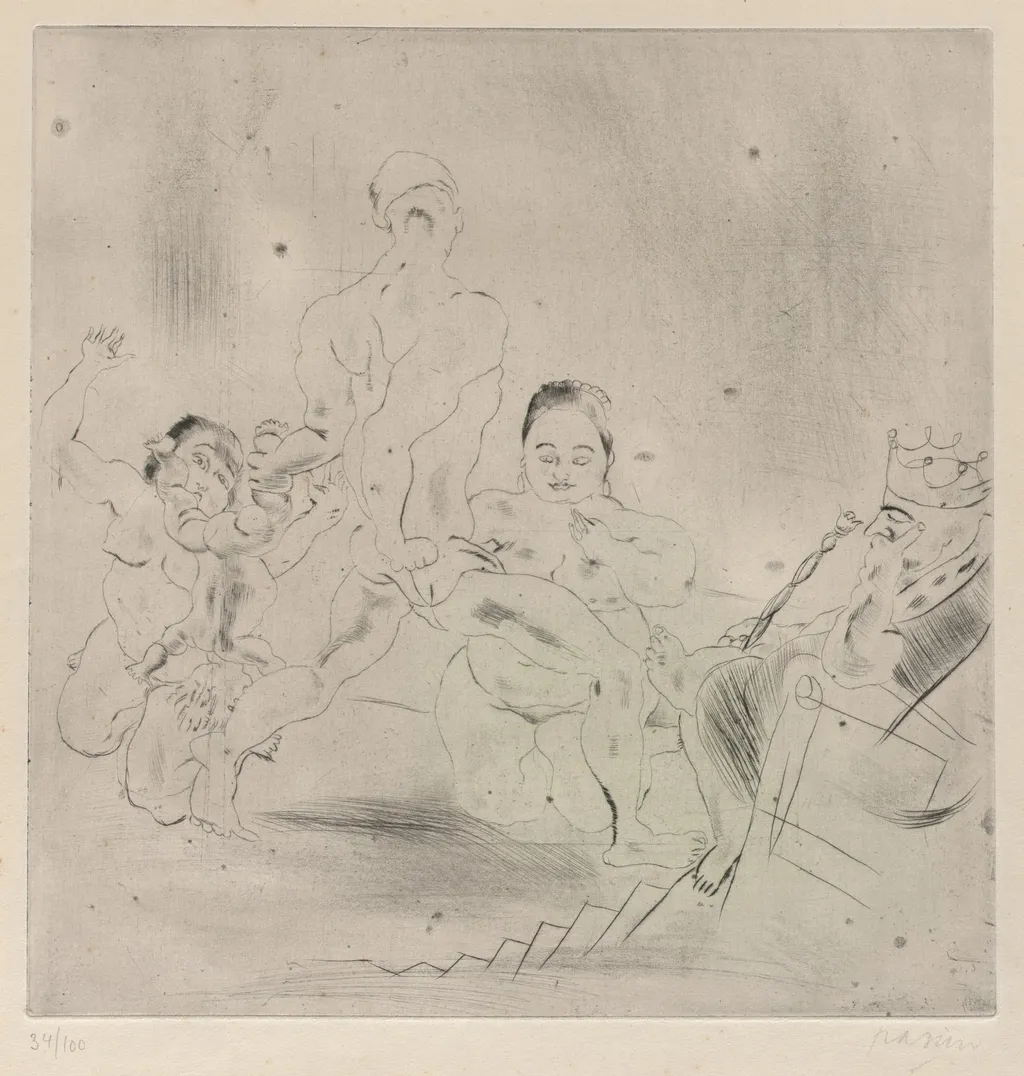
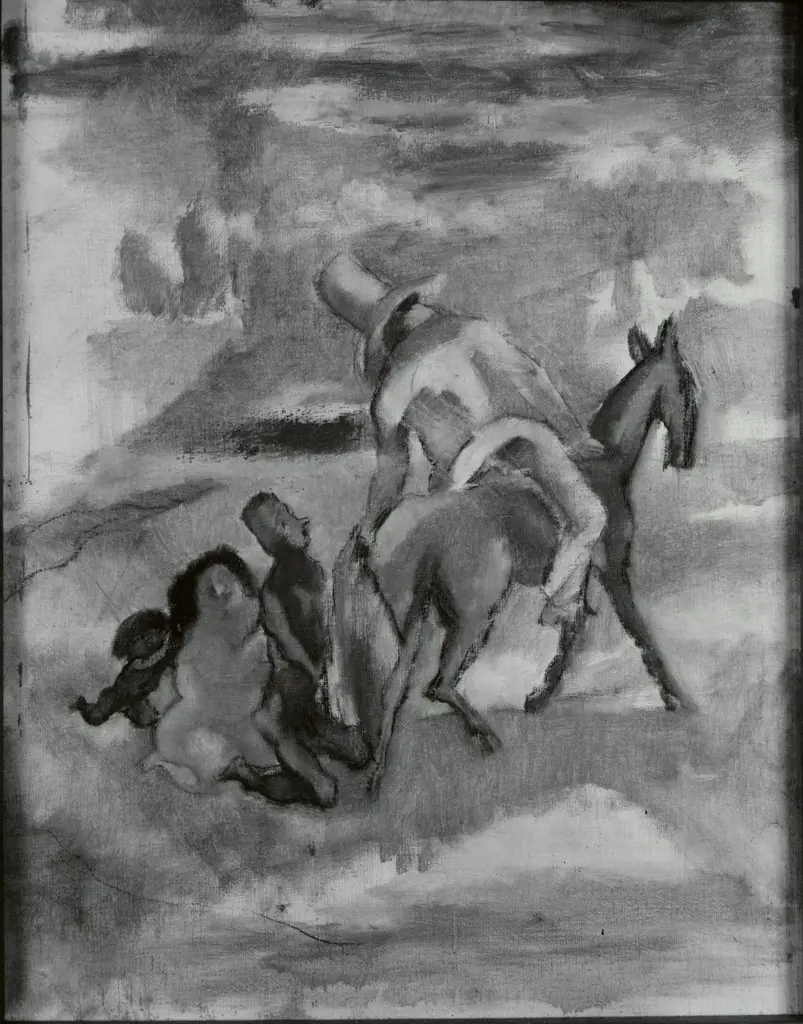
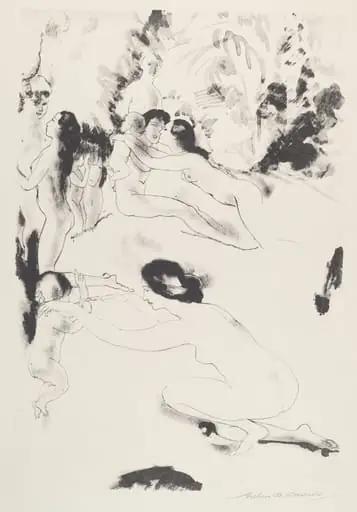
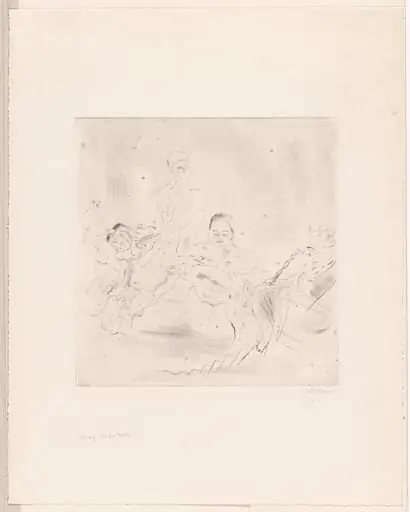
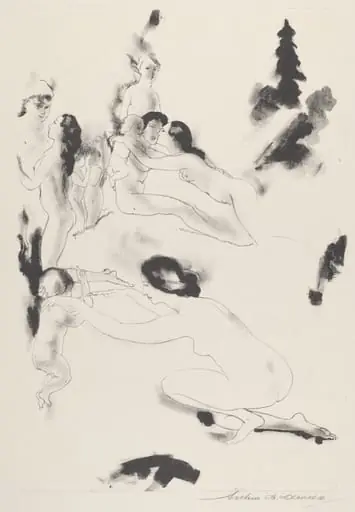
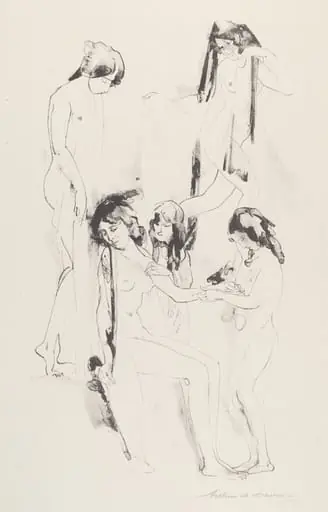
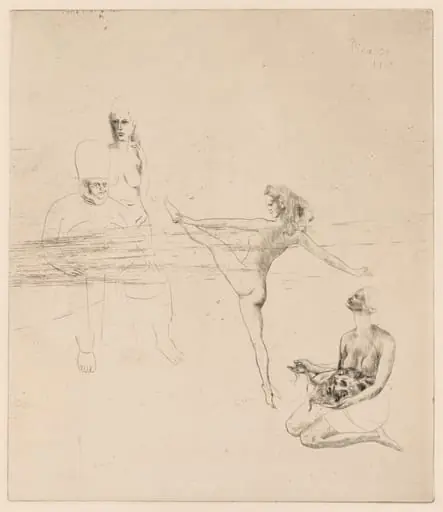
The Judgment of Solomon is a print by Jules Pascin. It dates from 1922 and is held in the collection of the Cleveland Museum of Art.
About this work
Overview
Created in 1922, *The Judgment of Solomon* is a charcoal and ink drawing by Jules Pascin, a Bulgarian-born artist active in early 20th-century Paris.
Created in 1922, *The Judgment of Solomon* is a charcoal and ink drawing by Jules Pascin, a Bulgarian-born artist active in early 20th-century Paris. Though trained in Vienna and Munich, Pascin became a central figure in Montparnasse’s expatriate art scene. The work is held in the Cleveland Museum of Art’s collection and reflects his interest in human emotion conveyed through spontaneous, gestural mark-making rather than polished finish.
Subject & Meaning
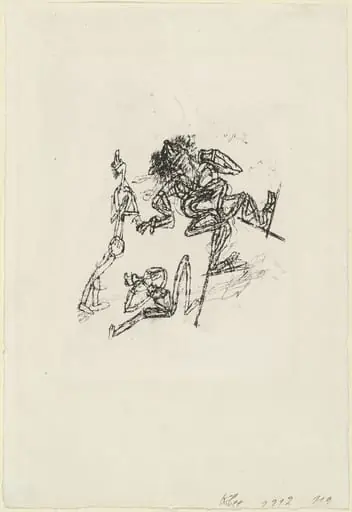
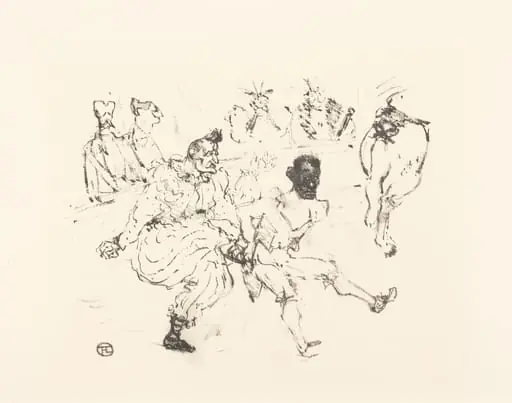
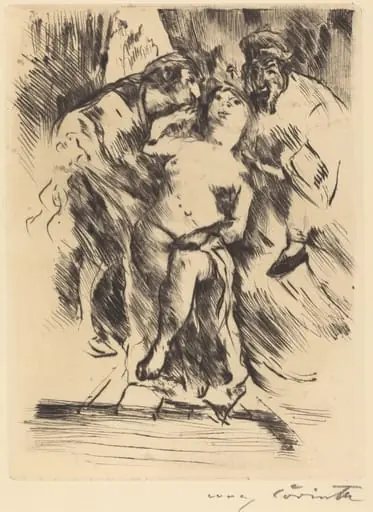
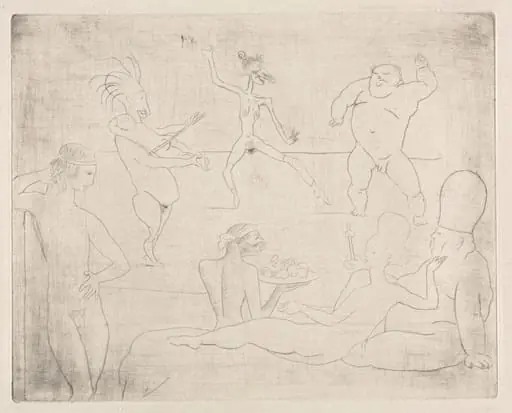
The scene illustrates the biblical story of Solomon’s wise judgment between two women claiming the same child. One figure, central and upright, holds the infant while others surge around in agitation—gesturing, playing instruments, or reaching out. The baby’s serene expression contrasts with the surrounding turmoil, emphasizing the moral core of the narrative. Pascin’s focus on emotional tension over doctrinal precision suggests a humanist interpretation rather than a religious one.
Technique & Style
Pascin employed loose, rapid lines and dense shading to create a sense of movement and psychological urgency. The figures lack detailed anatomy, their faces rendered with minimal strokes that border on caricature. There is no color—only tonal variation in ink and charcoal—which heightens the drawing’s immediacy. The composition feels unstructured, as if captured mid-motion, aligning with Pascin’s preference for expressive spontaneity over formal precision.
History & Provenance
Pascin completed this work during his mature period in Paris, after years of travel and artistic development across Europe and the United States. He became a U.S. citizen in 1920, yet remained deeply embedded in French avant-garde circles. The drawing entered the Cleveland Museum of Art’s collection through established acquisition channels, likely as part of a broader effort to document modern European graphic art of the interwar years.
Context
In the 1920s, Parisian artists often revisited classical or biblical themes through modernist lenses. Pascin’s approach diverged from academic traditions by prioritizing emotional resonance over narrative clarity. His frequent depictions of intimate, vulnerable figures—especially women—inform this work’s raw, unidealized energy. The blending of gravity and levity in *The Judgment of Solomon* reflects a broader trend among his peers to challenge artistic conventions with psychological nuance.
Legacy
Pascin’s drawings, including this one, influenced later generations of figurative artists drawn to expressive line and emotional candor. Though less celebrated than his contemporaries, his ability to convey complex human dynamics with minimal means remains notable. *The Judgment of Solomon* exemplifies his distinctive voice: a blend of tenderness and chaos, rendered with an economy that invites prolonged contemplation rather than immediate spectacle.
Artist & collection
Artist
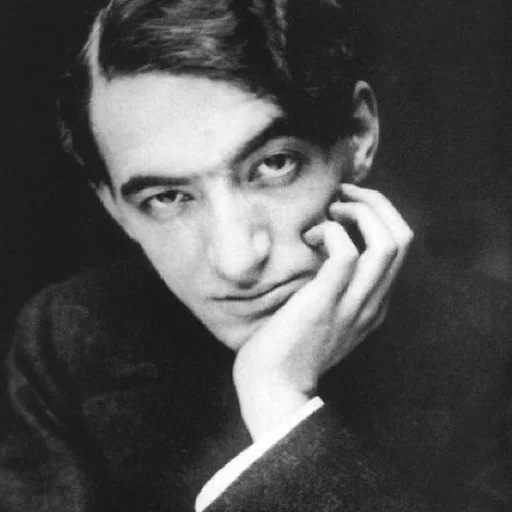
Julius Mordecai Pincas (March 31, 1885 – June 2, 1930), known as Pascin (French: , erroneously or ), Jules Pascin, also known as the "Prince of Montparnasse", was a Bulgarian artist of the School of Paris, known for his paintings and…