Artwork
Untitled
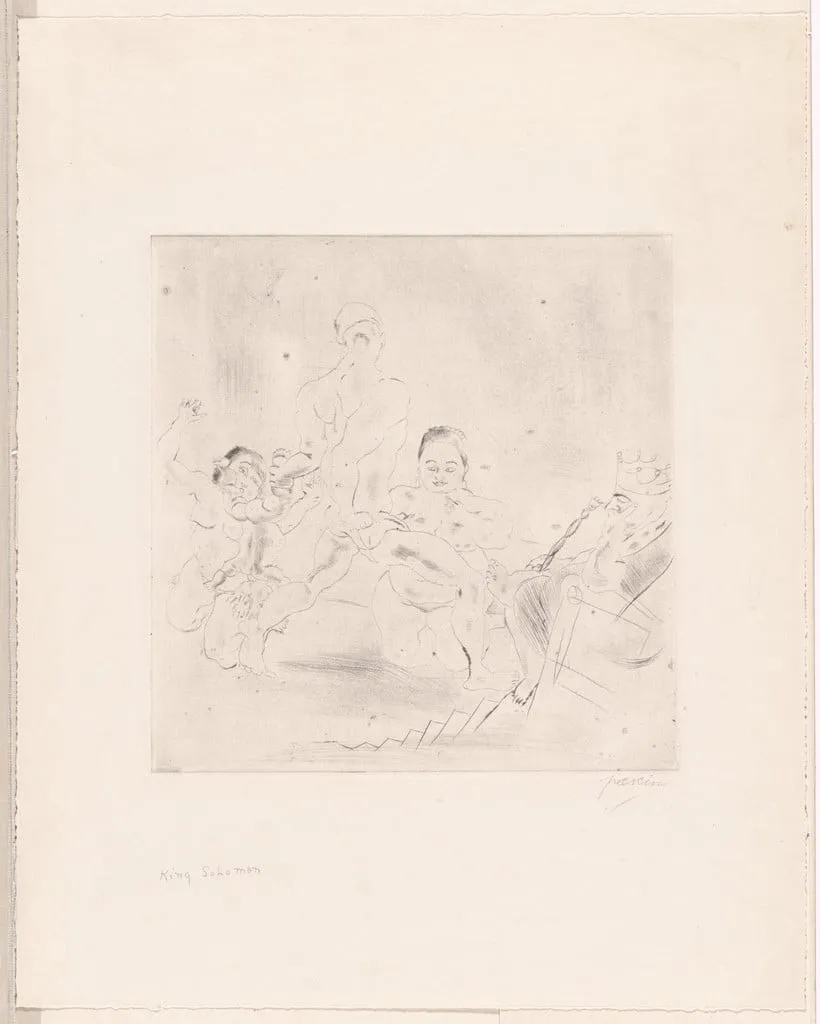
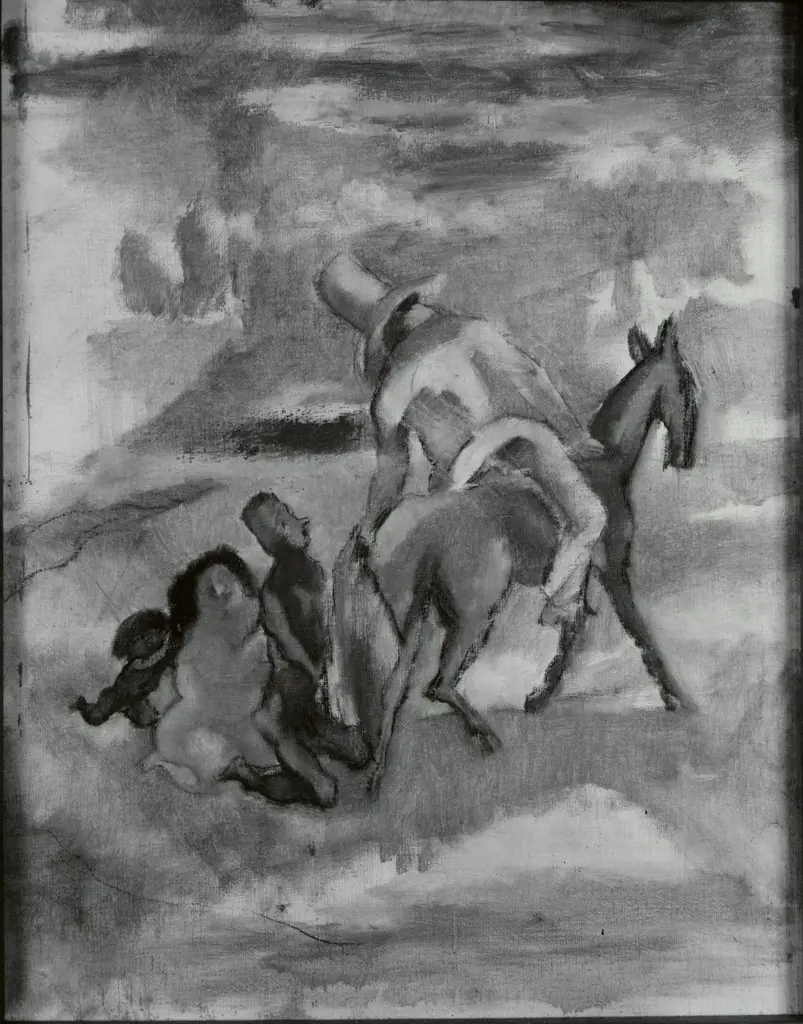
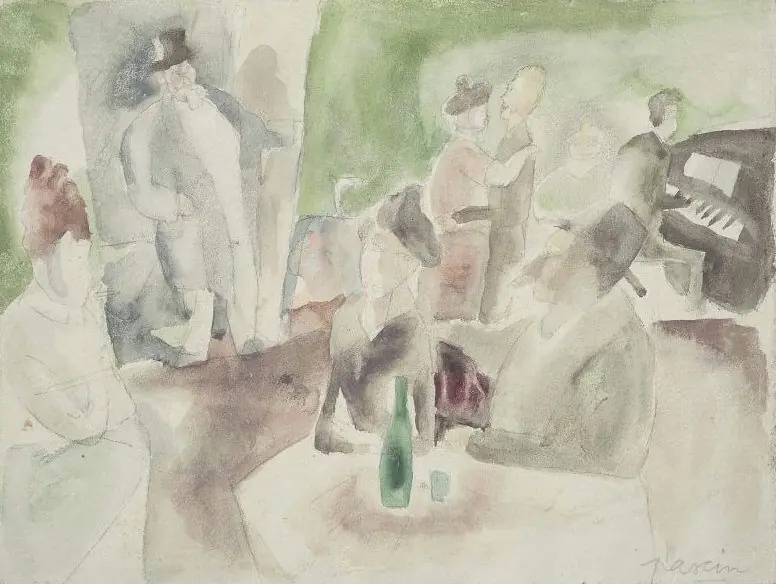
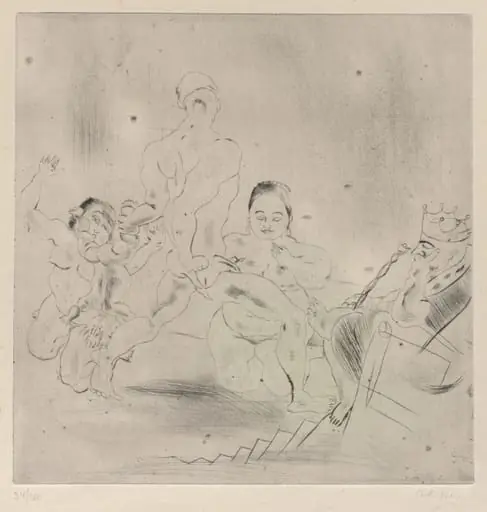
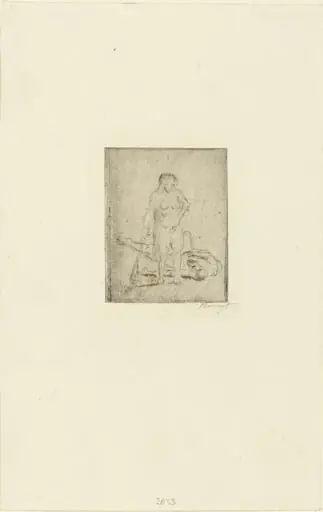
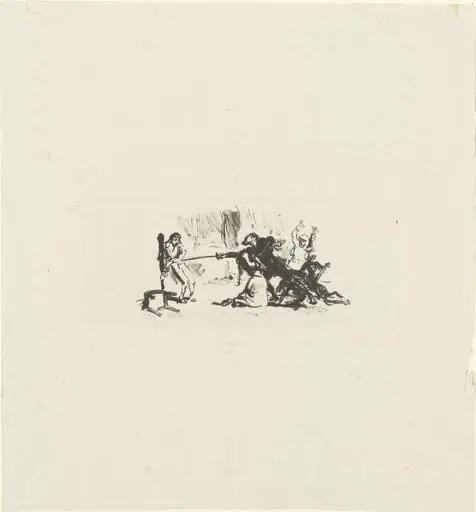
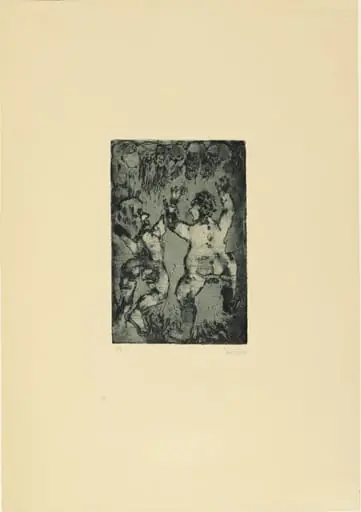
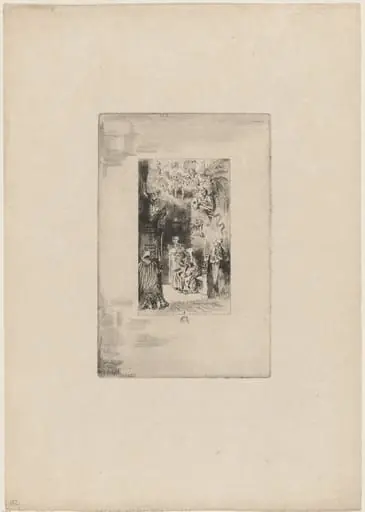
Untitled is an ink print by Jules Pascin. It dates from 1925 and is held in the collection of the Museum of Modern Art.
About this work
Overview
Created in 1925, this drypoint print by Jules Pascin is a spontaneous, loosely rendered composition of four figures in an informal setting.
Created in 1925, this drypoint print by Jules Pascin is a spontaneous, loosely rendered composition of four figures in an informal setting. Though cataloged as 'King Solomon,' the imagery bears no clear biblical reference. Instead, it captures ordinary individuals in relaxed, unposed postures, reflecting Pascin’s interest in intimate, everyday moments rather than narrative grandeur. The work is held in The Museum of Modern Art’s collection.
Subject & Meaning
The figures—standing, seated, and crouching—appear as anonymous bystanders in a quiet, unremarkable scene. Their lack of identifiable attributes or symbolic context suggests a focus on presence over story. The title 'King Solomon' may be ironic or arbitrary, contrasting the biblical connotation with the mundane reality of the figures. Pascin often used such dissonance to subvert expectations and emphasize human vulnerability.
Technique & Style
Executed in drypoint, the print features rapid, uneven lines and minimal shading, creating a sketchlike quality. The ink sits unevenly on the plate, producing soft, blurred edges and flat tonal areas. The hurried execution conveys immediacy, as if drawn from life in a single sitting. Pascin’s signature, placed discreetly in the corner, reinforces the work’s informal, personal character.
History & Provenance
Pascin, born in Bulgaria and trained in Vienna and Munich, settled in Paris by the early 20th century, becoming part of the Montparnasse artistic community. This print emerged during his mature period, when he frequently explored figural studies in printmaking. It entered The Museum of Modern Art’s collection through established acquisition channels, reflecting institutional recognition of his contributions to modern print culture.
Context
In 1920s Paris, artists like Pascin moved away from rigid academic traditions toward expressive, intimate subjects. His work aligned with the School of Paris’s emphasis on personal vision over historical or mythological themes. While contemporaries pursued abstraction or Cubism, Pascin retained figuration, focusing on the quiet dignity of ordinary people in private moments.
Legacy
Pascin’s drypoints, including this untitled work, are noted for their emotional candor and technical restraint. Though less celebrated than his paintings, his prints reveal a consistent interest in human presence and impermanence. His approach influenced later generations of figurative printmakers who valued spontaneity and psychological nuance over polished finish.
Artist & collection
Artist
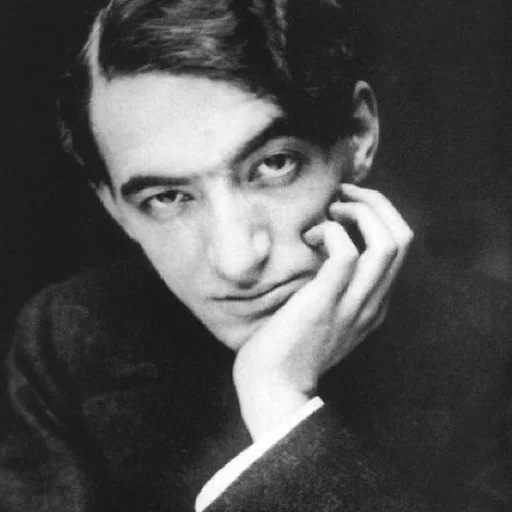
Julius Mordecai Pincas (March 31, 1885 – June 2, 1930), known as Pascin (French: , erroneously or ), Jules Pascin, also known as the "Prince of Montparnasse", was a Bulgarian artist of the School of Paris, known for his paintings and…