Artwork
Village Surgeon
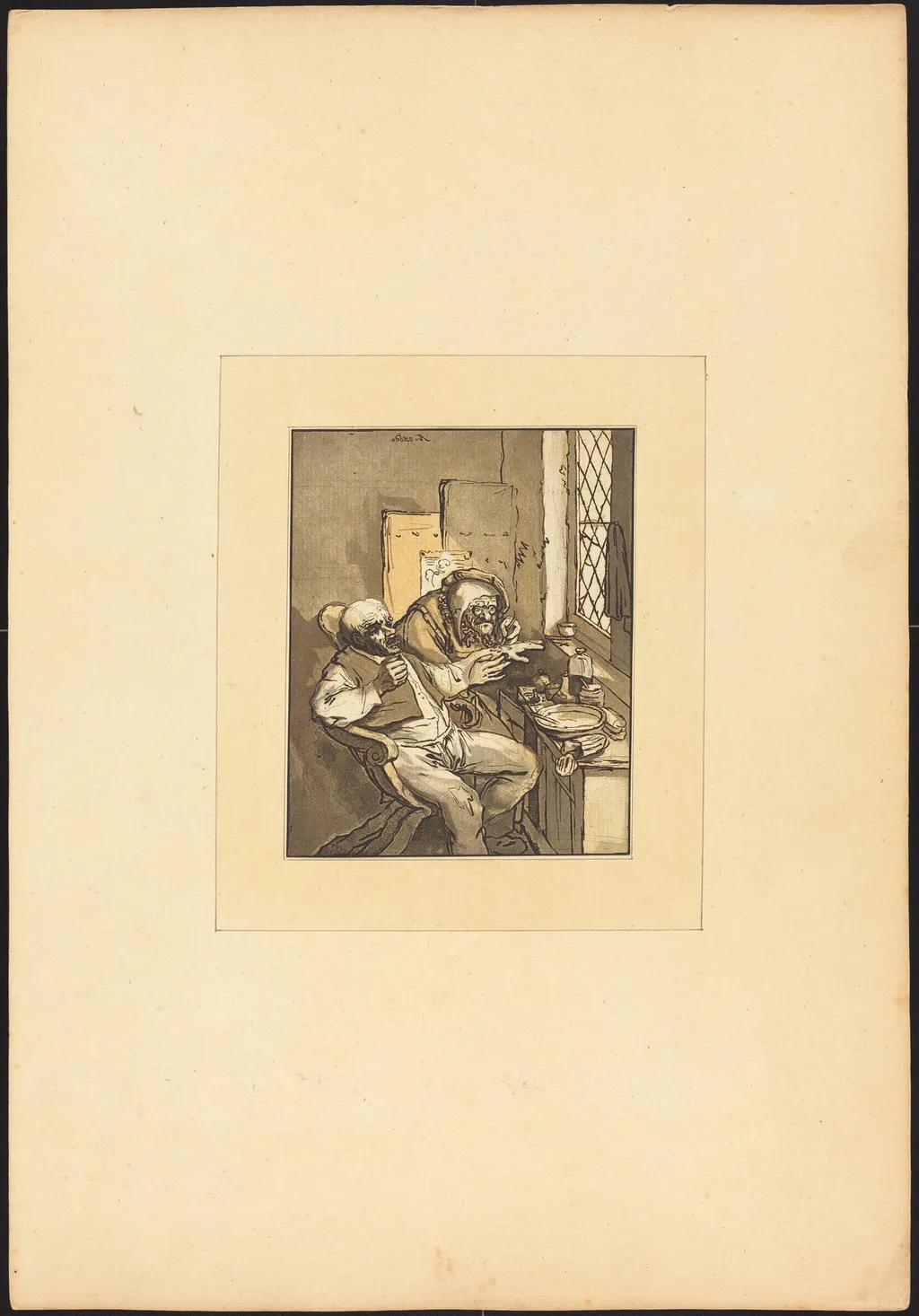
Village Surgeon is an ink print by the Romanticist artist Maria Catharina Prestel. It dates from 1784 and is held in the collection of the National Gallery of Art.
About this work
Overview
Executed in London after the artist’s move from Nuremberg, the work presents a compact interior scene in which a rural medical practitioner tends to a patient.
Created in 1784, *Village Surgeon* is a print by Maria Catharina Prestel that combines etching with aquatint. Executed in London after the artist’s move from Nuremberg, the work presents a compact interior scene in which a rural medical practitioner tends to a patient. The composition captures a quiet, everyday moment, rendered with careful attention to light, texture, and the modest surroundings of a country house.
Subject & Meaning
The image portrays two men inside a modestly furnished room: one seated at a table, holding a small bowl and a surgical instrument, the other leaning forward to examine the scene. A window with a diamond‑patterned pane admits a narrow beam of light, highlighting the worn table and the rough fabric of their clothing. The work reflects an eighteenth‑century interest in documenting ordinary trades and the practical aspects of village life.
Technique & Style
Prestel employed a combination of line etching and aquatint to achieve both precise outlines and subtle tonal variations. The aquatint areas convey the soft shadows cast by the window, while the etched lines define the figures, objects, and textures such as the fabric’s roughness and the table’s weathered surface. This hybrid approach allows a nuanced rendering of atmosphere within the limited scale of a print.
History & Provenance
Born in Nuremberg, Prestel relocated to London where she produced a series of prints documenting everyday occupations. *Village Surgeon* was issued in the same year as several other genre scenes that highlighted professional activities. The print circulated among collectors of British and German prints in the late eighteenth century and later entered museum collections focused on women artists and printmaking.
Context
During the late 1700s, there was a growing market for images that illustrated the lives of ordinary people, especially in the wake of Enlightenment ideas about social documentation. Prestel’s work aligns with this trend, offering a visual record of a rural medical practice at a time when formal hospitals were scarce and itinerant surgeons played a vital role in community health.
Artist & collection
Artist
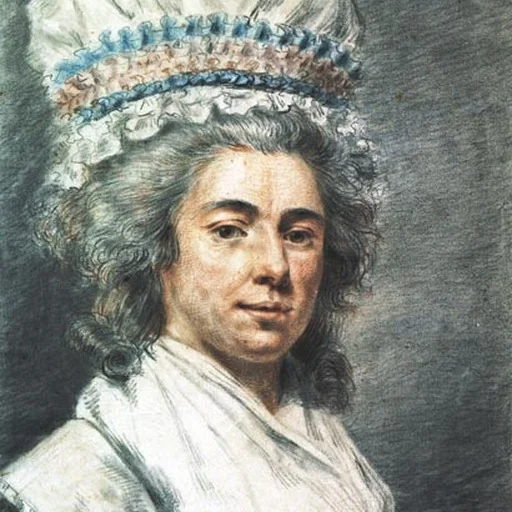
Maria Katharina Prestel (22 July 1747 – 16 March 1794) née Maria Katharina Höll, was an engraver and painter from Nuremberg, and active in London.

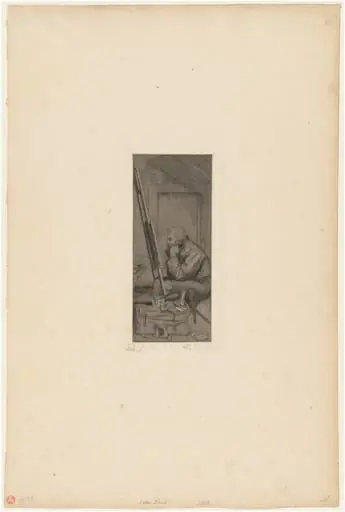 The Artist in the Attic
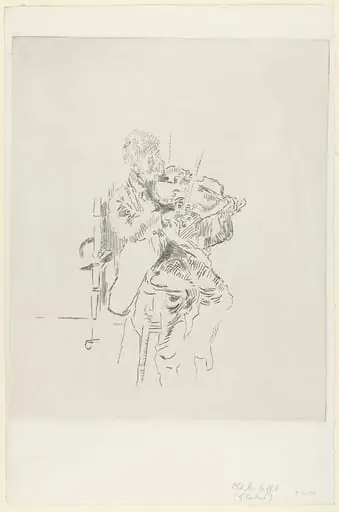 Untitled
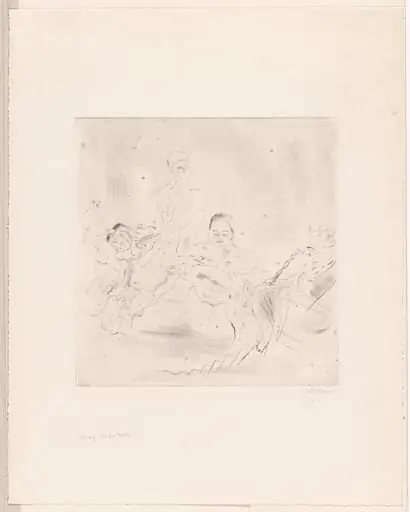 Untitled
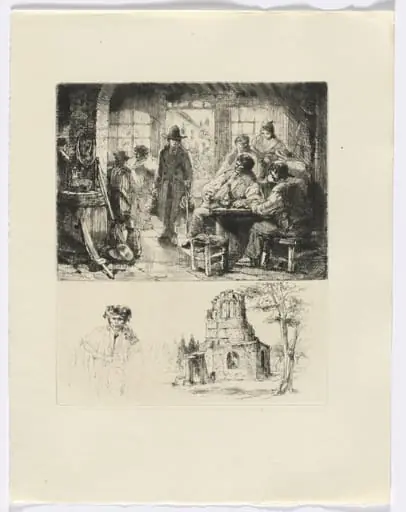 Frédéric Mistral: Mémoires et Recits by Frédéric Mistral: tavern scene/ ruin and man (insert after p. 96)
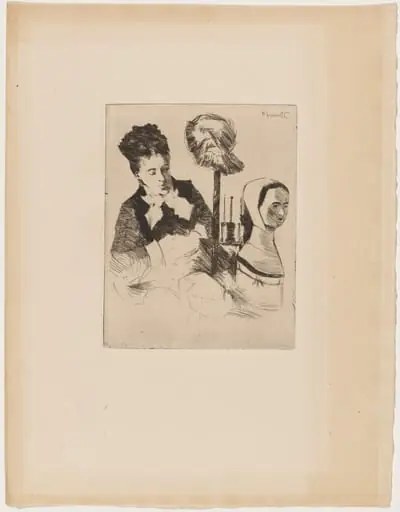 La modiste
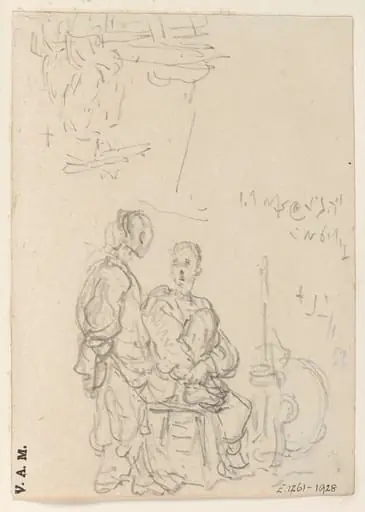 Two Chinese figures with barber's equipment
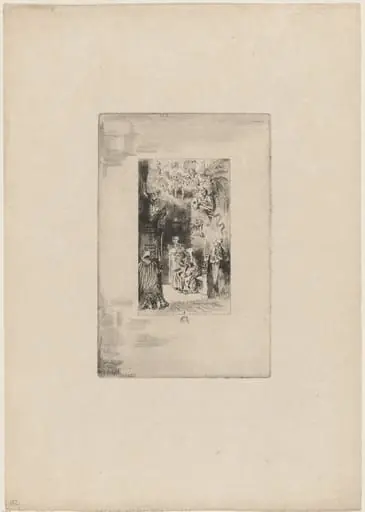 Le Curé de Cucugnan
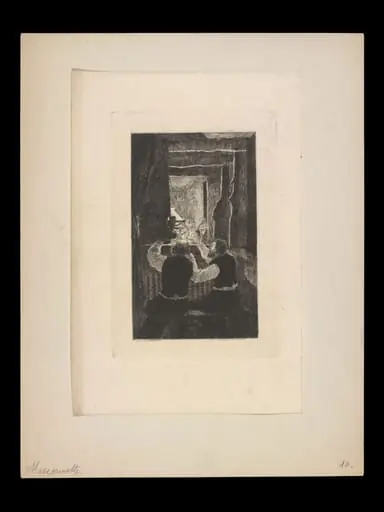 George Speaight Punch & Judy Collection
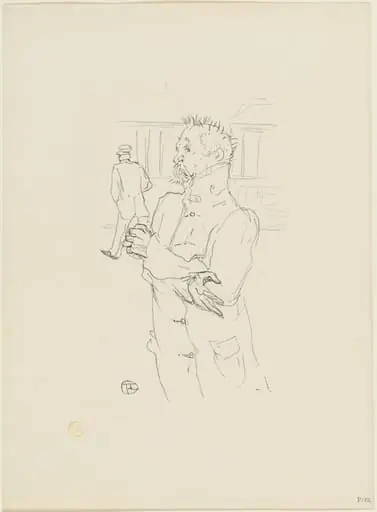 Le Fou
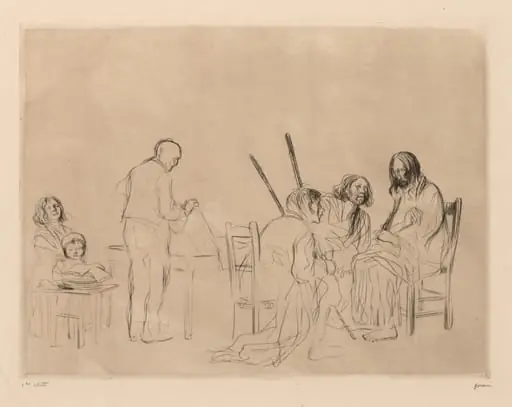 Before the Supper at Emmaus
 Frédéric Mistral: Mémoires et Recits by Frédéric Mistral: nativity/ figures walking on a road (insert after p. 32)