Artwork
In the forest (Uhlans’ post)
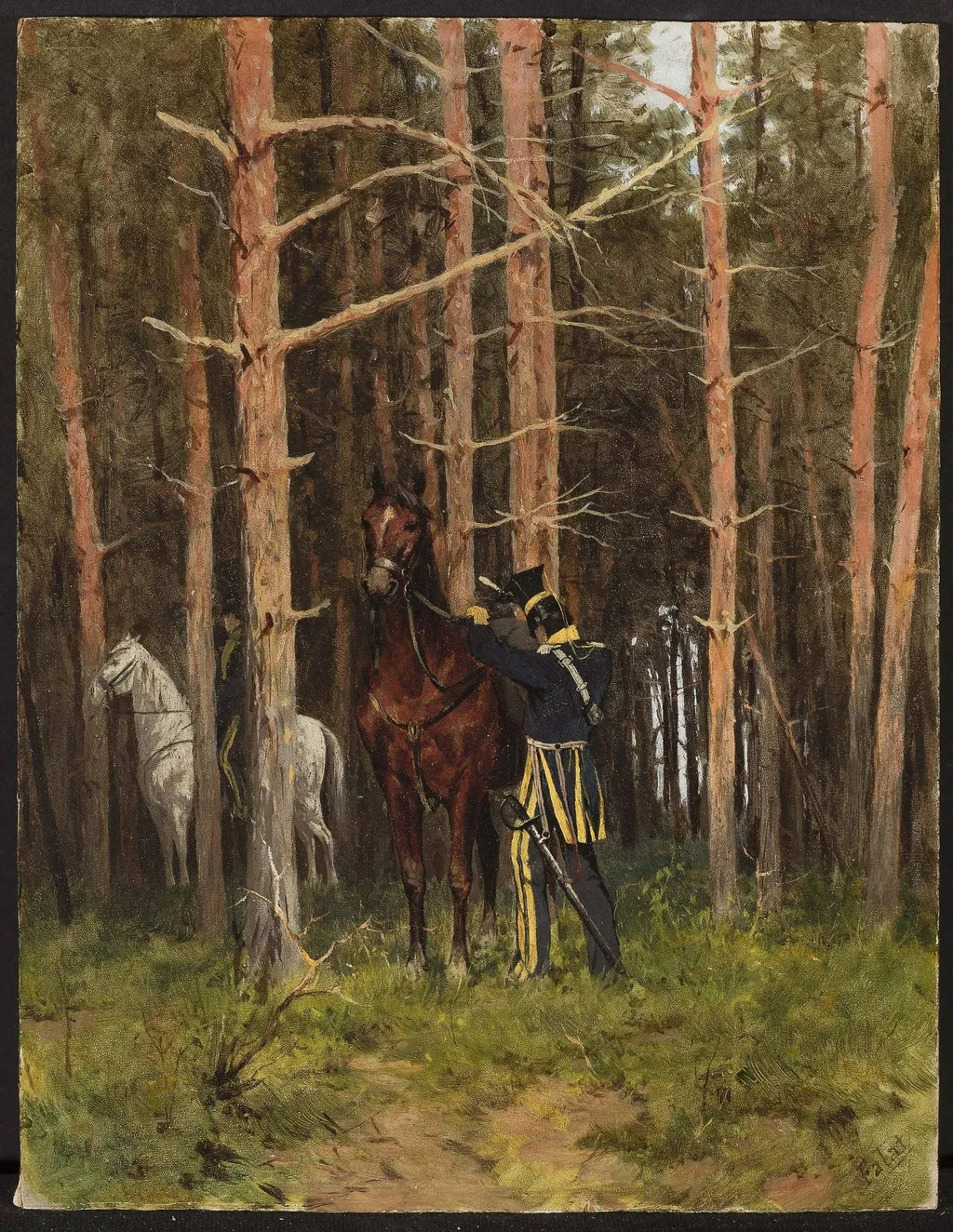
In the forest (Uhlans’ post) is an oil painting by the Impressionist artist Julian Fałat. It dates from 1892 and is held in the collection of the National Museum in Warsaw.
About this work
Overview
Painted in 1892 by Julian Fałat, *In the Forest (Uhlans’ Post)* is an oil-on-canvas work that departs from the artist’s more familiar watercolor landscapes.
Painted in 1892 by Julian Fałat, *In the Forest (Uhlans’ Post)* is an oil-on-canvas work that departs from the artist’s more familiar watercolor landscapes. Though known for his luminous watercolors, Fałat turned to oil to capture the quiet stillness of a forest scene. The painting presents a solitary Uhlans soldier and two horses in a wooded setting, blending military presence with natural tranquility. It resides today in the National Museum in Warsaw.
Subject & Meaning
The painting portrays a Uhlans cavalryman, dressed in a blue jacket and yellow-trimmed trousers, standing beside a brown horse while a white horse lingers in the background. The soldier, sword at his side and reins in hand, appears to be pausing during a patrol. His stillness and the horses’ calm demeanor suggest a moment of respite amid military duty. The scene conveys quiet vigilance rather than action, emphasizing harmony between man, animal, and woodland.
Technique & Style
Fałat employed oil paint with a loose, observational brushwork that echoes Impressionist concerns for light and atmosphere. The dense forest is rendered in layered greens and browns, with dappled sunlight filtering through the canopy. Details of the soldier’s uniform and the horses’ anatomy are rendered with precision, yet the overall composition avoids sharp definition, favoring a soft, atmospheric unity. The technique balances realism with a sense of fleeting, natural quiet.
History & Provenance
Created in 1892, the painting entered the collection of the National Museum in Warsaw, where it remains today. Fałat, a central figure in late 19th-century Polish art, produced this work during a period of growing national interest in depicting everyday military and rural life. Though not commissioned, the painting reflects broader cultural themes of the time, including the romanticization of cavalry traditions and the Polish countryside.
Context
In the 1890s, Poland was partitioned among neighboring empires, and cultural identity was often expressed through depictions of historical and rural life. Uhlans—light cavalry units with deep roots in Polish military history—were romantic symbols of national heritage. Fałat’s choice to portray them in a serene forest setting, rather than in battle, aligns with a broader trend of evoking dignity and stillness in the face of political fragmentation.
Legacy
While Fałat is best remembered for his watercolor landscapes, *In the Forest (Uhlans’ Post)* stands as a significant example of his engagement with oil and narrative subject matter. The painting contributes to a body of work that quietly preserved Polish military imagery during a time of national absence. Its presence in a major national collection underscores its role as a modest but enduring record of cultural memory.
Artist & collection
Artist
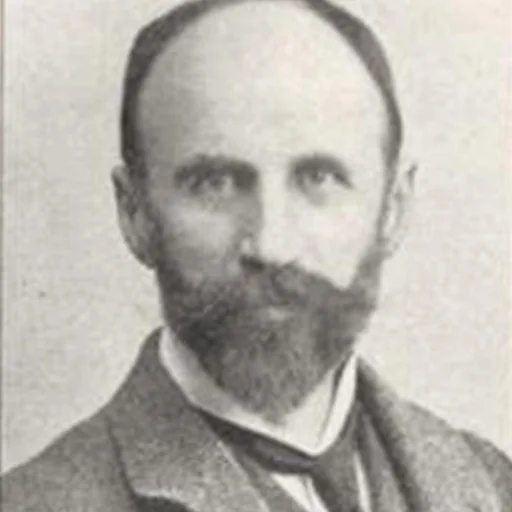
Julian Fałat (Tuligłowy, near Lwów, 30 July 1853 – 9 July 1929, Bystra Śląska) was one of the most prolific Polish watercolorists, one of the country's foremost landscapists, and a leading impressionist.

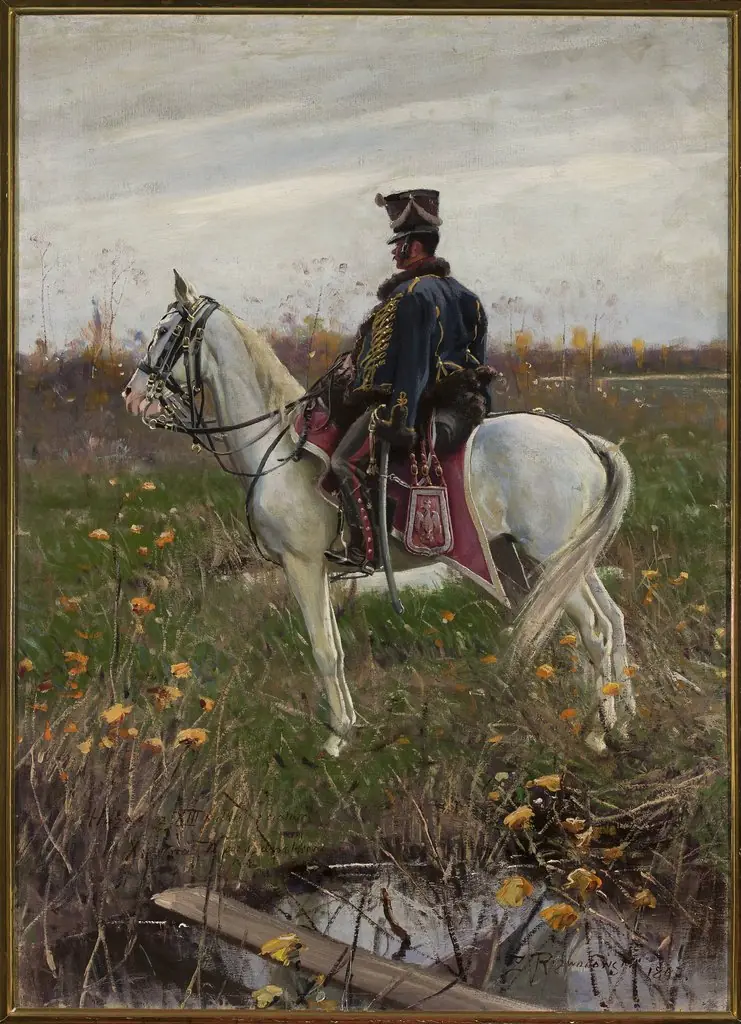 Hussar from the 13th Regiment of the Army of the Duchy of Warsaw
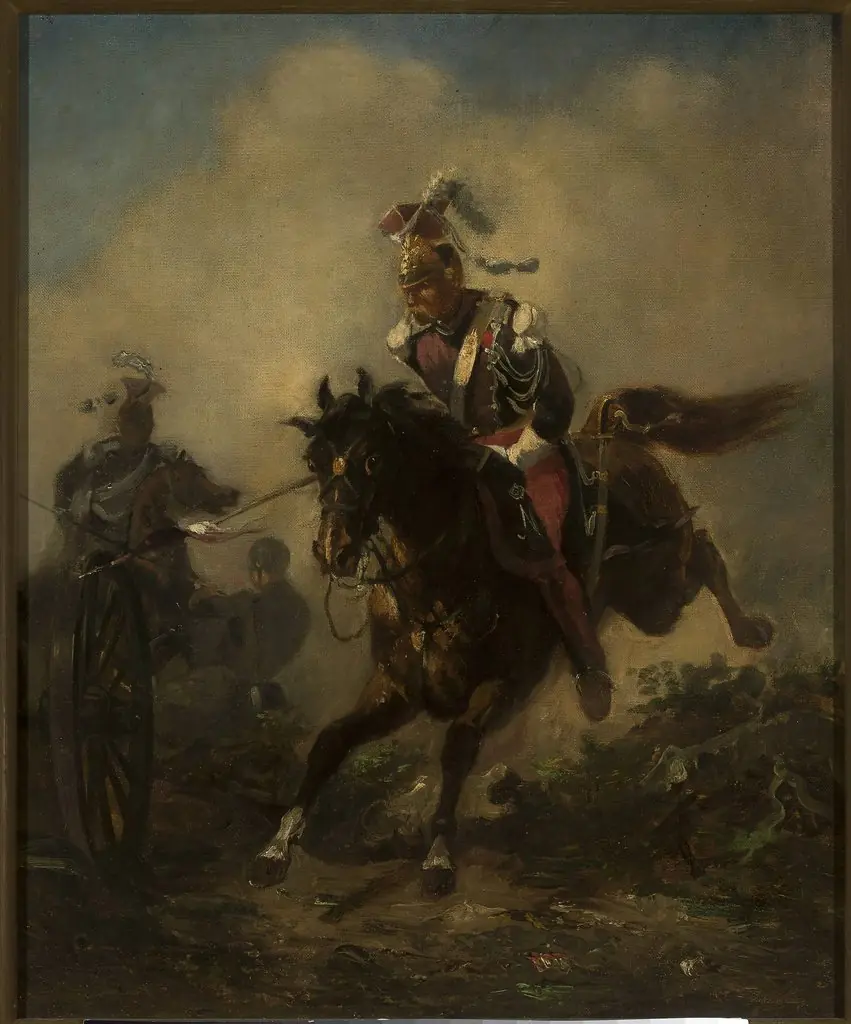 Light cavalryman charging
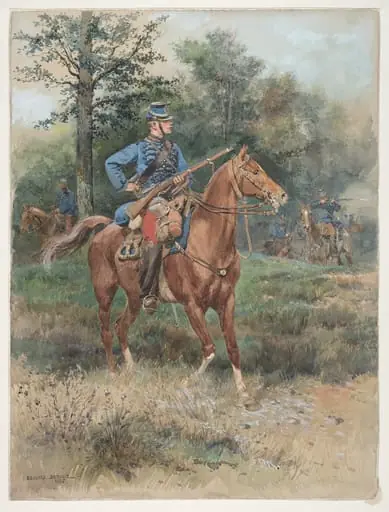 Chasseur à Cheval (Soldier on Horseback)
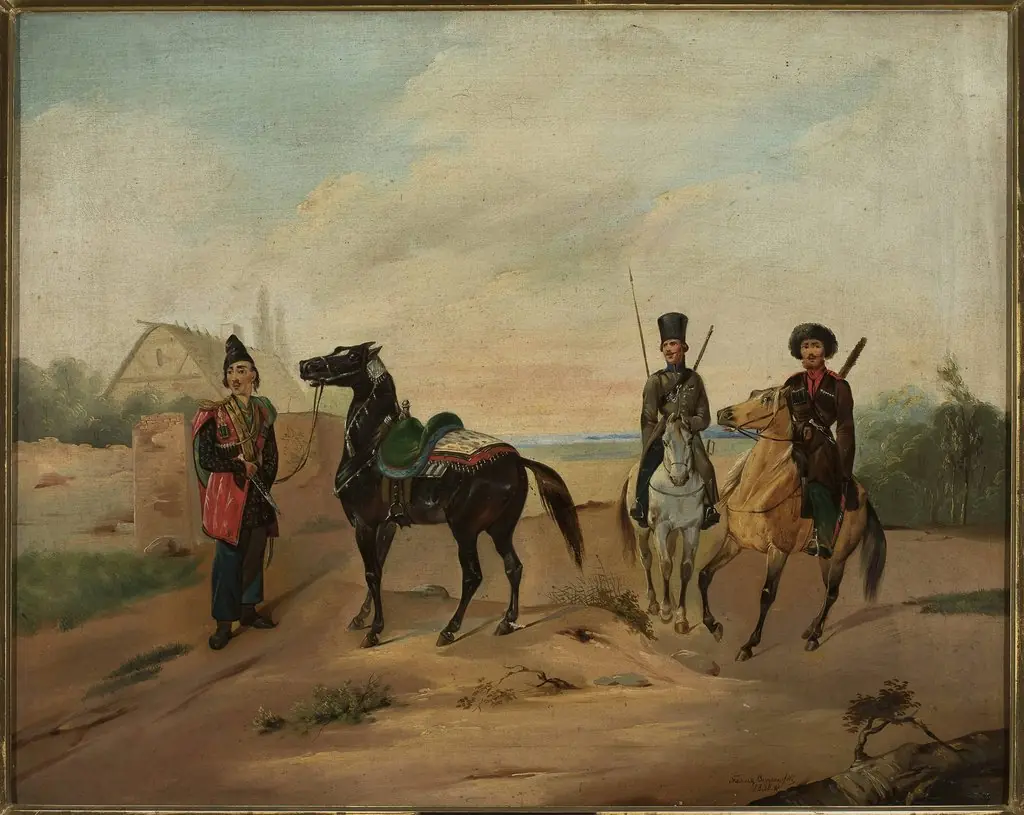 Three horsemen on the road
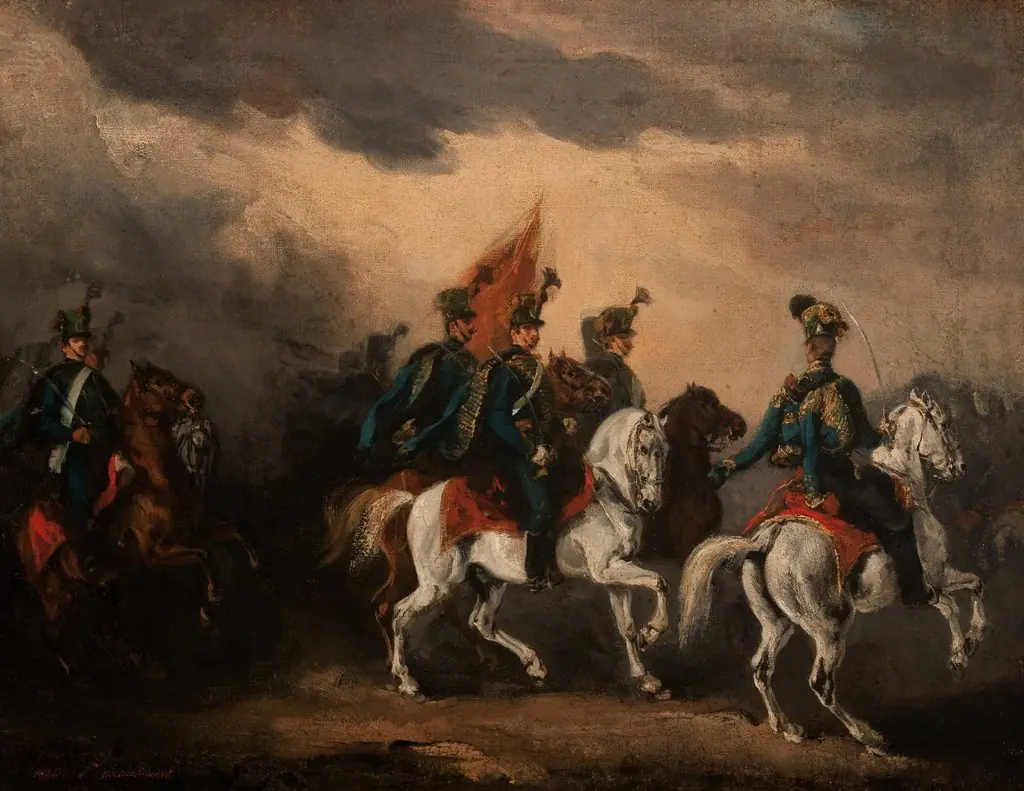 Blue Hussars
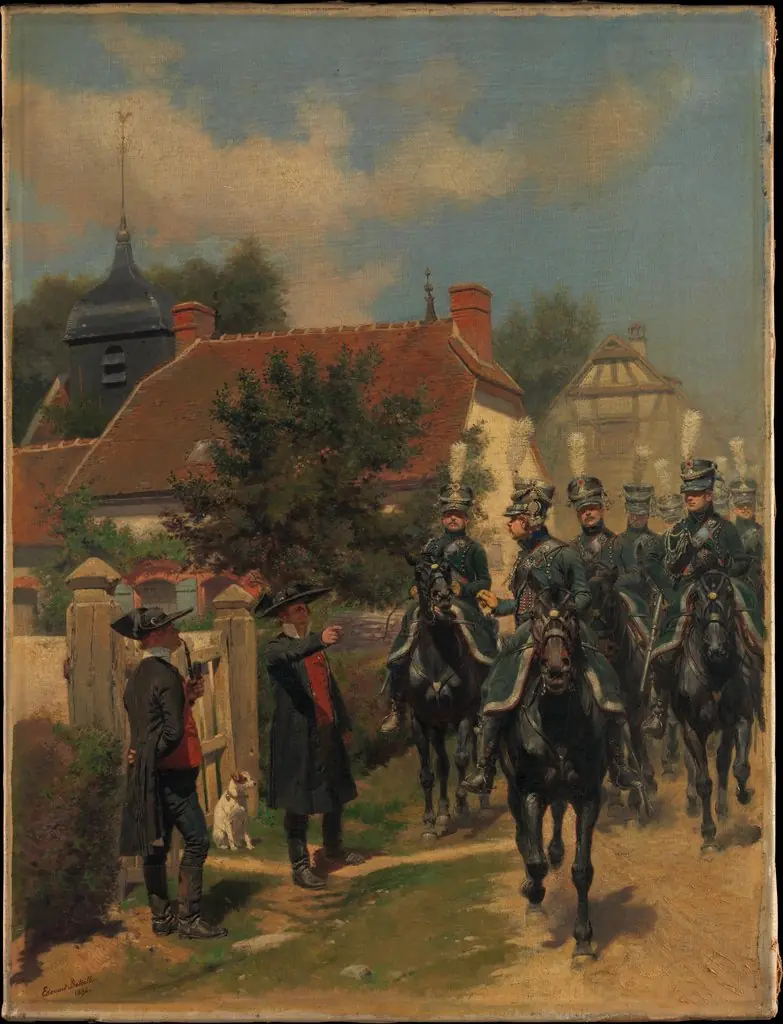 Gendarmes d'Ordonnance
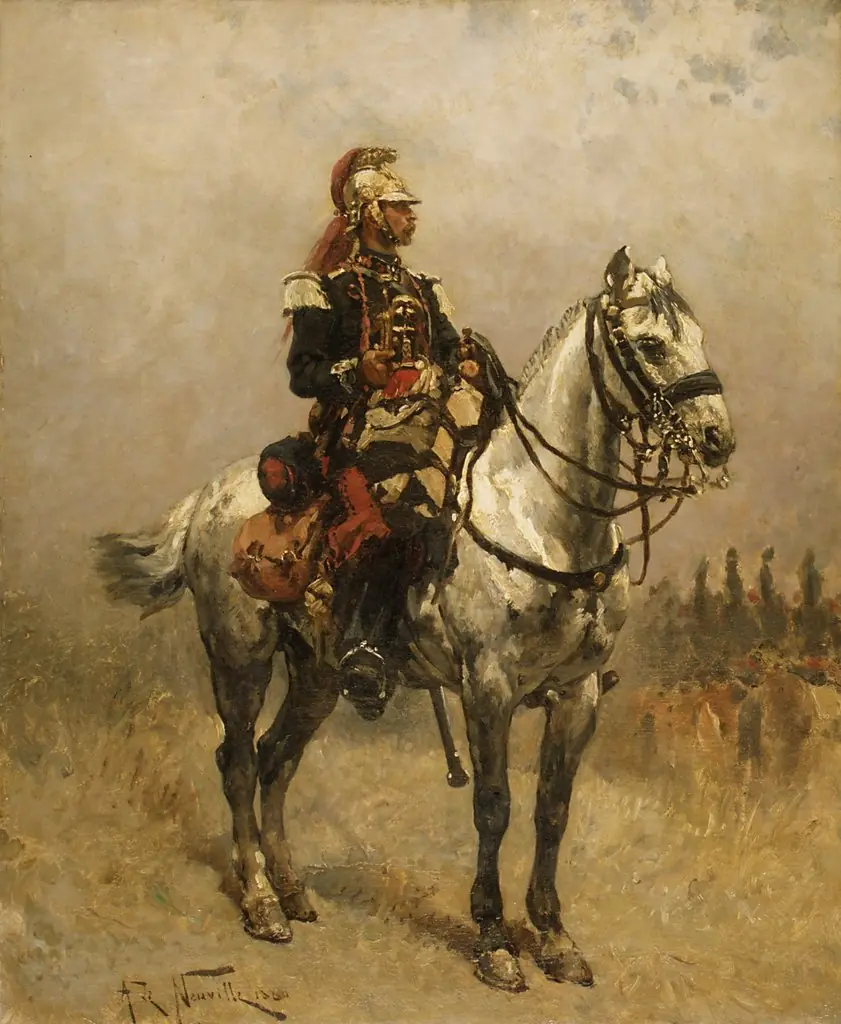 A Cavalryman
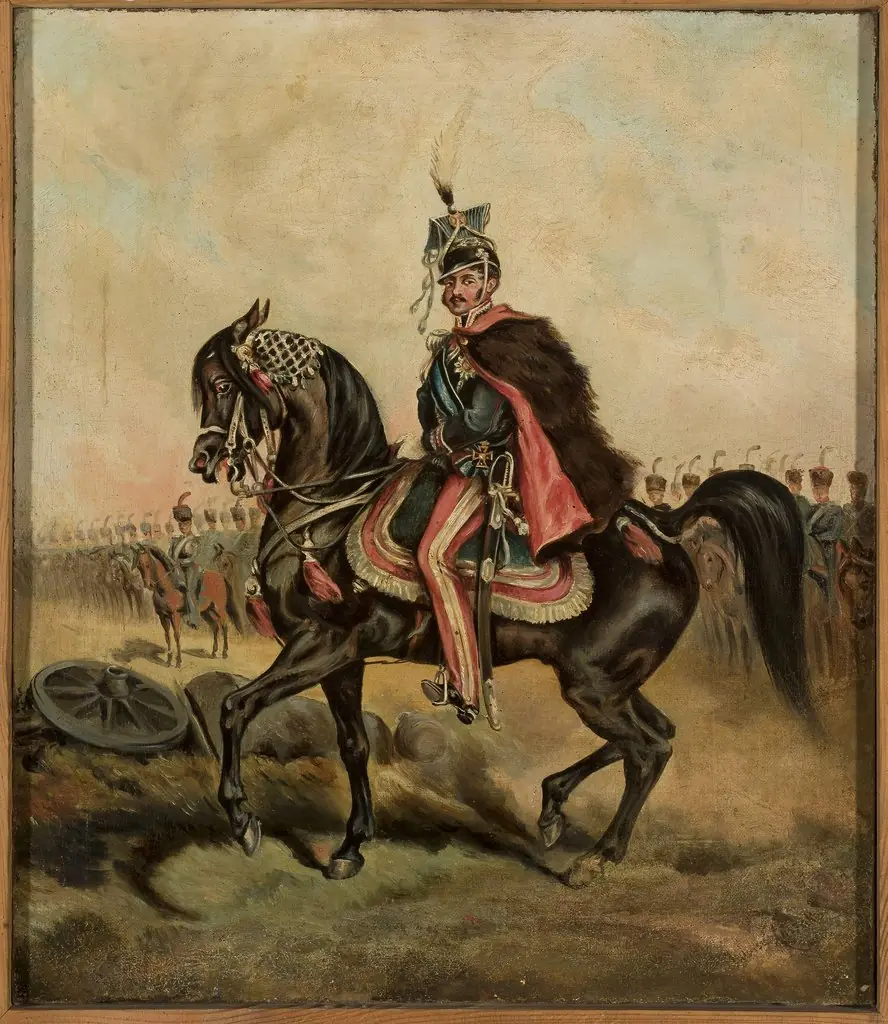 Prince Józef Poniatowski on the “Szuma” mare from Sanguszka stud farm
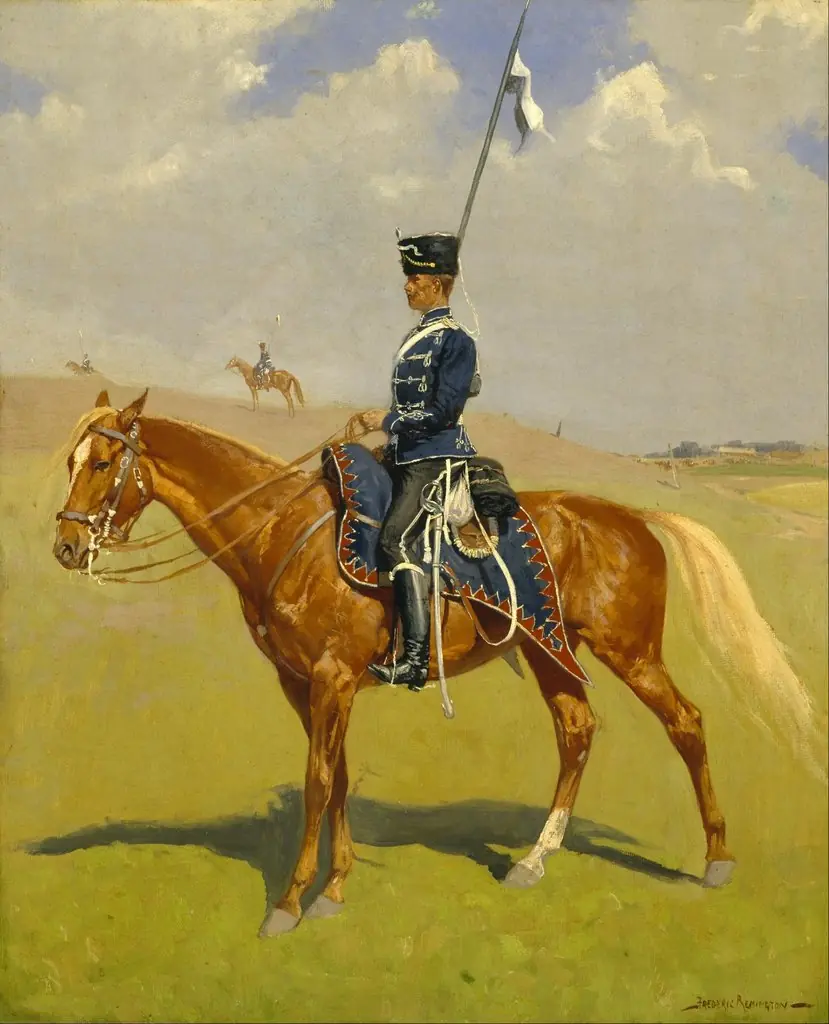 The Hussar
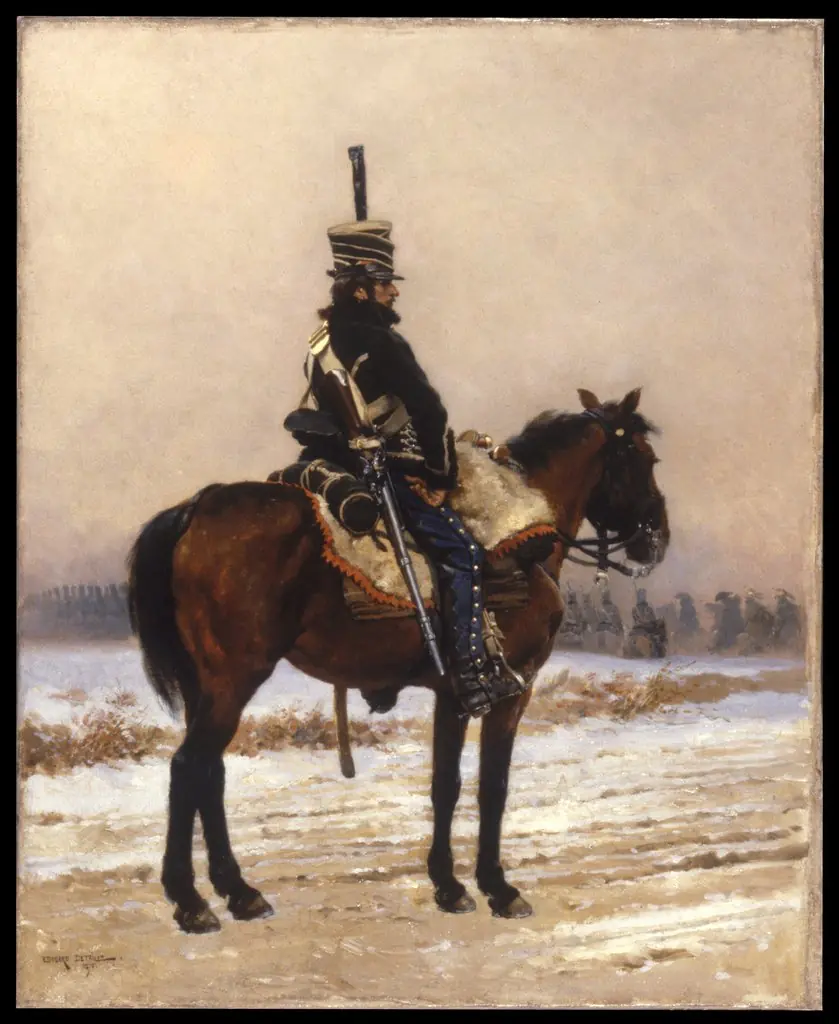 The Picket
 Horses and Mounted Groom
 General wounded