Artwork
Benjamin Franklin
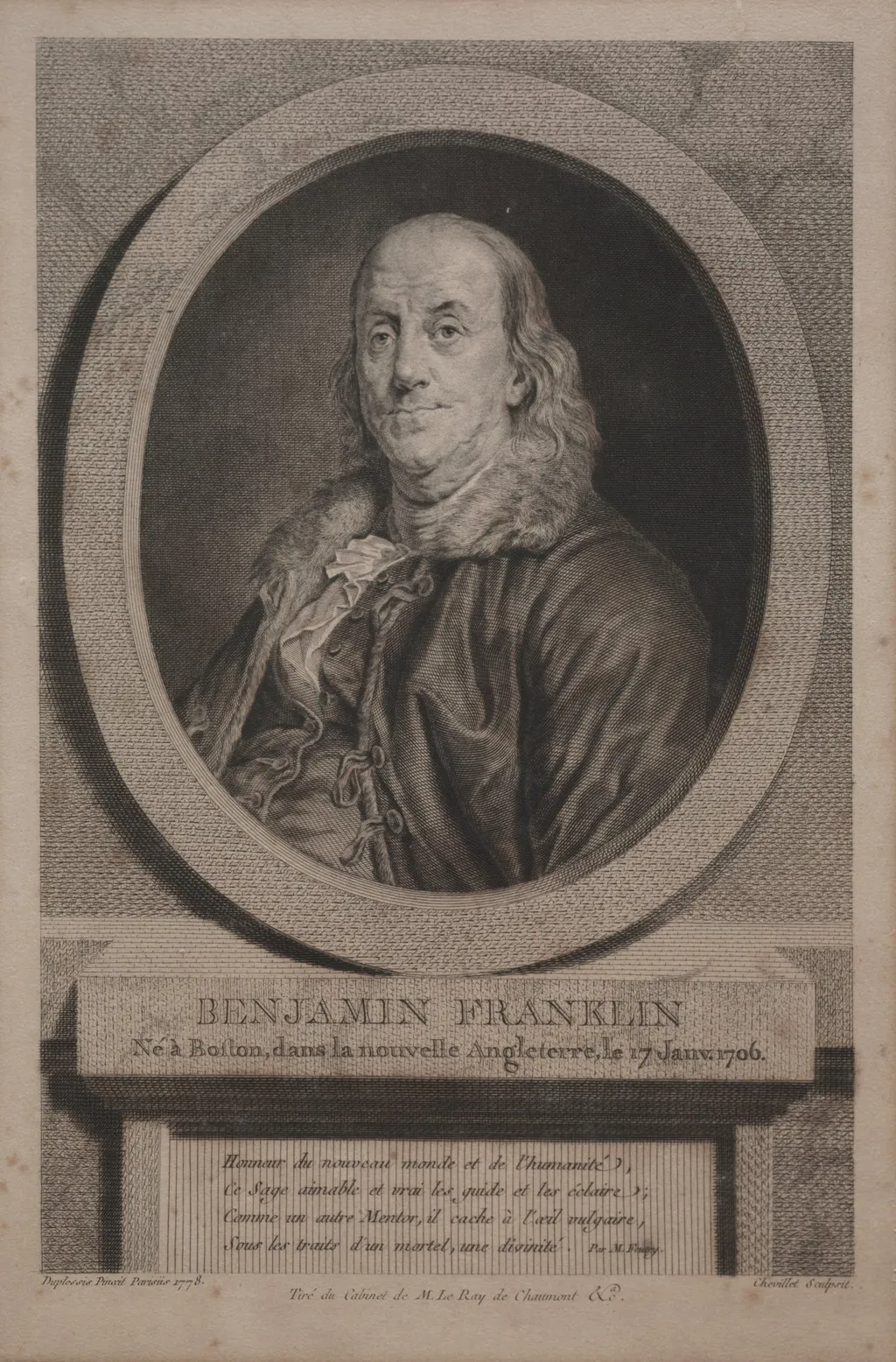
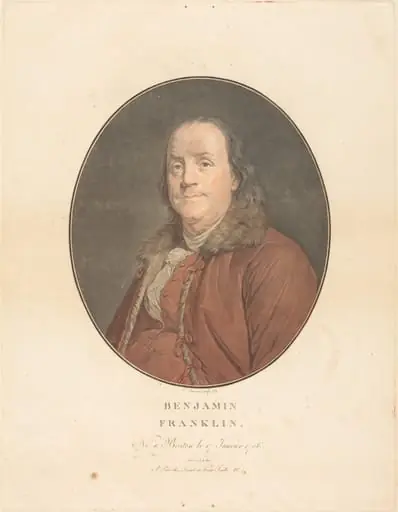
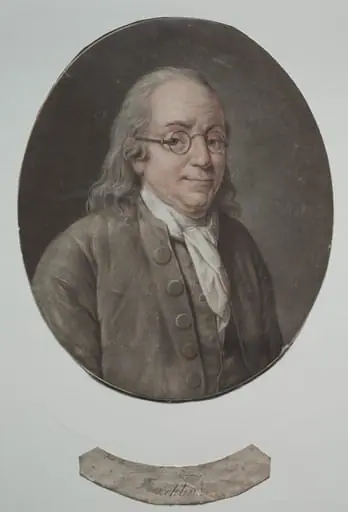
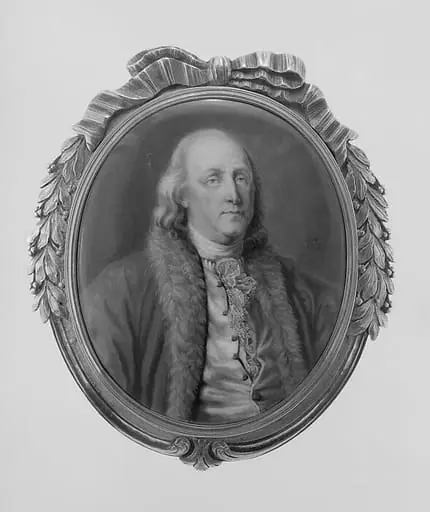
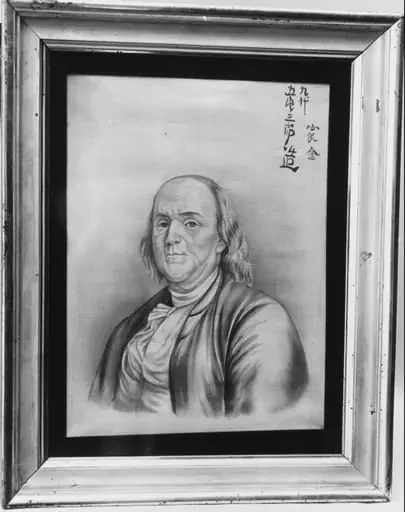
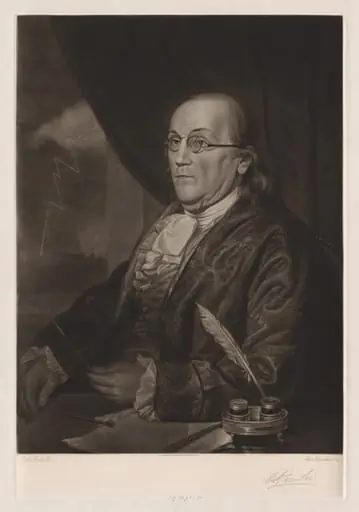
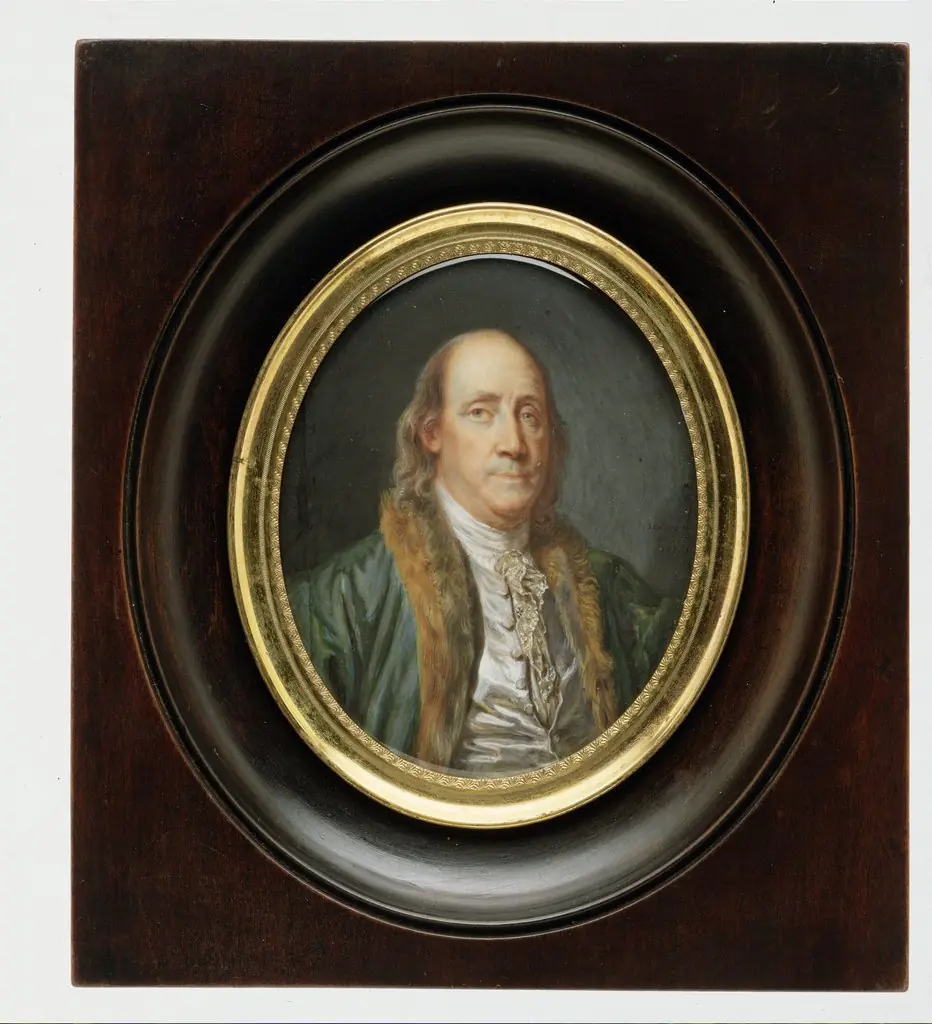
Benjamin Franklin is a print by the Romanticist artist Justus Chevillet. It dates from 1779 and is held in the collection of the Cleveland Museum of Art.
About this work
This painting was made in 1779, a time when Franklin was well-known in France.
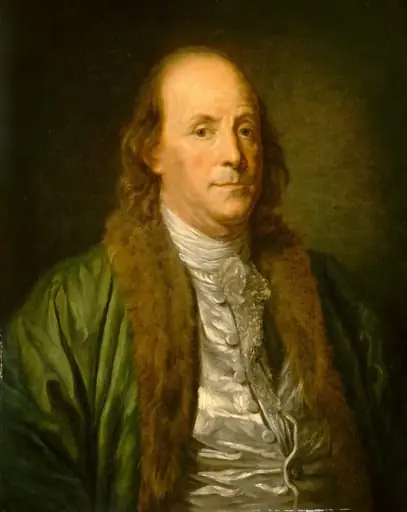
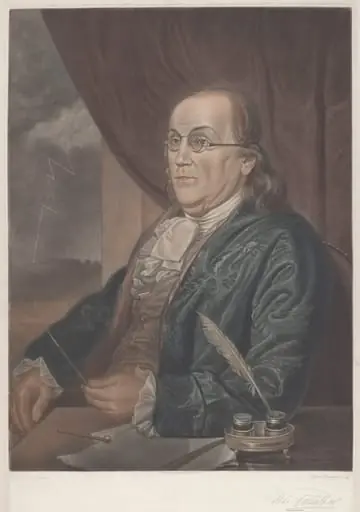
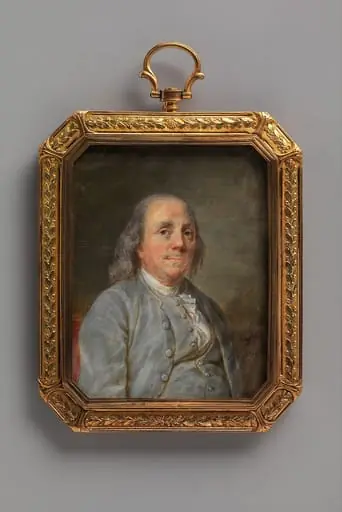
This painting shows Benjamin Franklin.
He's dressed in simple clothes, looking thoughtful.
The artist likely wanted to show Franklin's personality, not just his appearance, which is interesting because it gives us a glimpse into how he was seen by others.
This painting was made in 1779, a time when Franklin was well-known in France.
He was a diplomat and scientist, and the French admired him.
You can learn more about this style by looking at the technique of sfumato.
Overview
Created in 1779 by French engraver Justus Chevillet, this print is a reproductive engraving of Benjamin Franklin. Chevillet, known for his contributions to Buffon’s *Histoire Naturelle*, rendered Franklin’s portrait using the precise methods of 18th-century printmaking. The work emerged during Franklin’s diplomatic mission in France, when his public image was widely circulated and admired.
Subject & Meaning
Franklin is depicted in modest attire, avoiding aristocratic ornamentation, which aligns with his cultivated persona as a self-made philosopher and scientist. His thoughtful expression and unadorned demeanor reflect ideals of republican virtue, resonating with French Enlightenment values. The portrait emphasizes character over status, reinforcing his reputation as a rational, approachable statesman.
Technique & Style
Chevillet employed fine line engraving to achieve subtle tonal gradations and detailed textures, particularly in Franklin’s hair and clothing. The composition is restrained, with soft shadows defining facial structure without dramatic contrast. While not using sfumato—a painterly technique—the engraving achieves a similar softness through meticulous cross-hatching and controlled ink density.
History & Provenance
The engraving was produced during Franklin’s tenure as American envoy to France, a period when his likeness was in high demand across Europe. Chevillet’s version was likely one of many reproductions disseminated to satisfy public interest. It was not commissioned by Franklin himself but emerged from the broader circulation of his image in print culture.
Context
In 1779, Franklin was celebrated in France as both a scientific luminary and a symbol of revolutionary ideals. His popularity among French intellectuals and the public made his portrait a cultural artifact. Chevillet’s print contributed to this phenomenon, translating Franklin’s fame into a format accessible to a wide audience beyond elite circles.
Legacy
This engraving remains a documented example of how Franklin’s image was shaped and spread through European print networks. It reflects the convergence of science, diplomacy, and visual culture in the late 18th century. While not unique, it exemplifies the role of reproductive prints in constructing the public identity of transatlantic figures.
Artist & collection
Artist
Juste Chevillet (1729–1802) was a French engraver. He is known for his engravings for the Histoire Naturelle of Georges-Louis Leclerc, Comte de Buffon.