Artwork
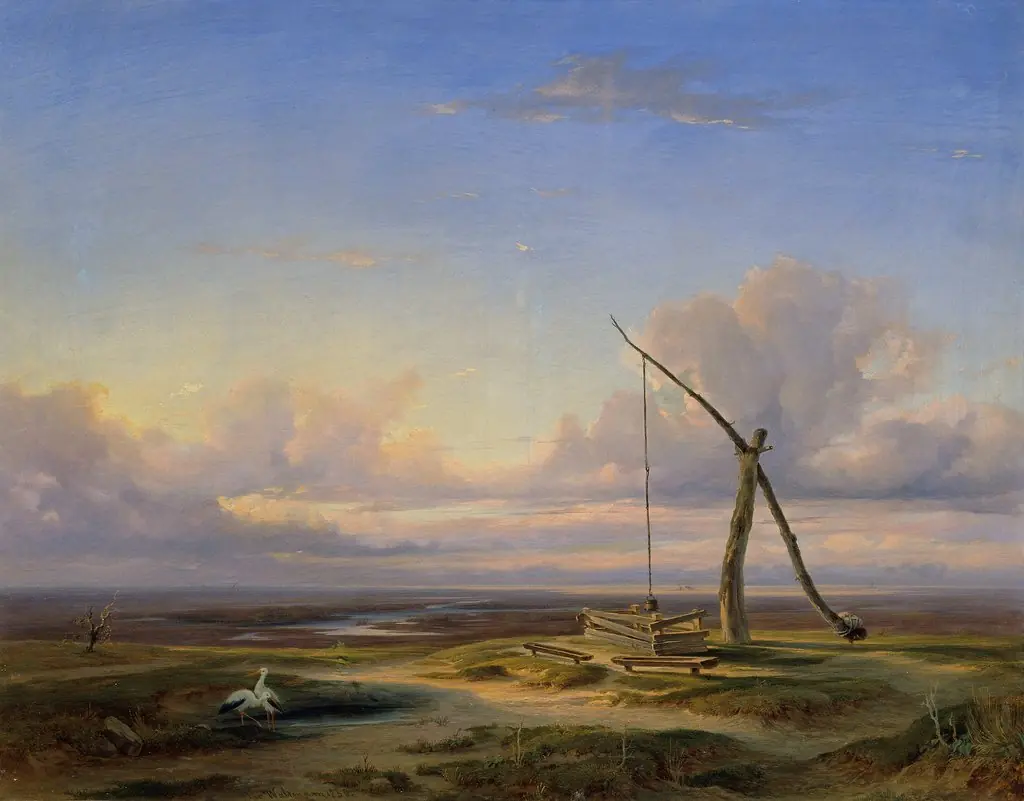
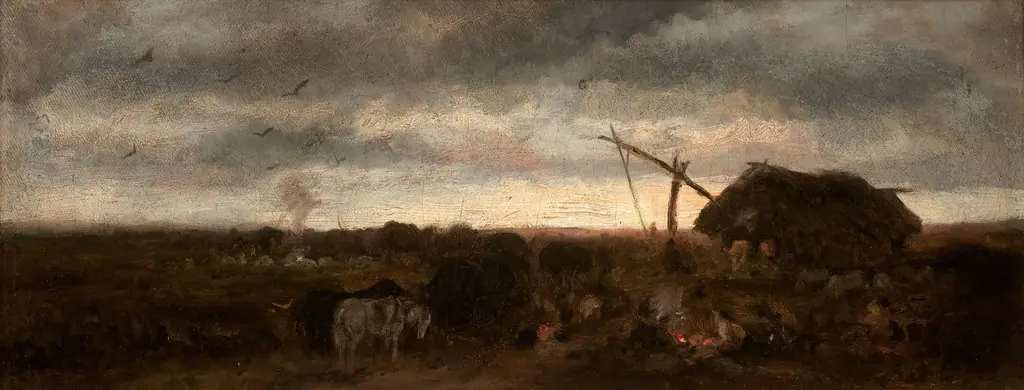
View of the Great Hungarian Plain with Draw Well
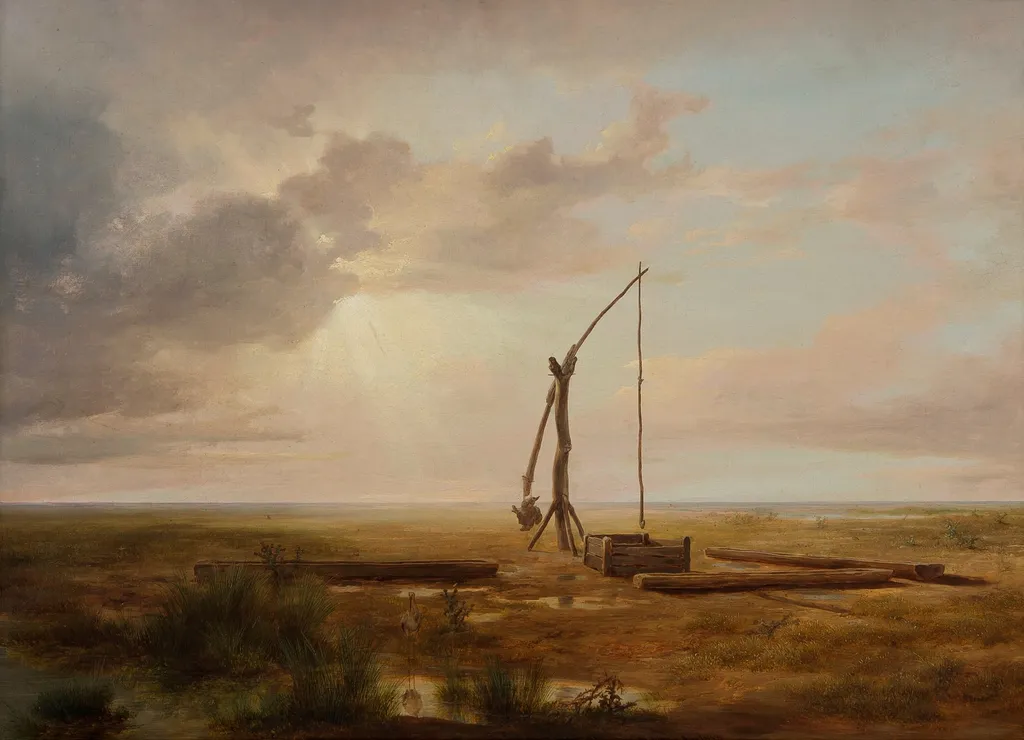
View of the Great Hungarian Plain with Draw Well is an oil painting by Károly Markó. It dates from 1853 and is held in the collection of the Hungarian National Gallery.
About this work
Overview
The work is part of the Hungarian National Gallery’s collection, exemplifying the artist’s focus on his native landscape despite his long residence abroad.
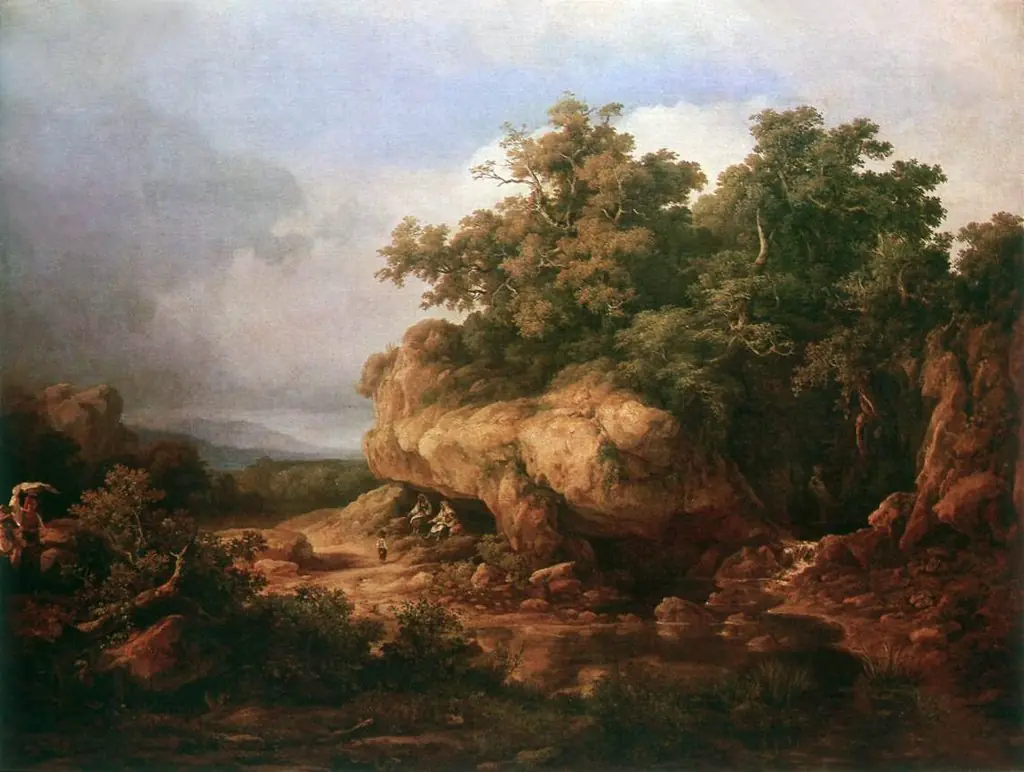
Károly Markó the Elder’s 1853 oil painting presents an expansive view of the Great Hungarian Plain centered on a solitary draw‑well. The composition stretches across a flat horizon, under a muted sky where light filters through clouds, creating a tranquil atmosphere. The work is part of the Hungarian National Gallery’s collection, exemplifying the artist’s focus on his native landscape despite his long residence abroad.
Subject & Meaning
The canvas captures a characteristic element of the Pannonian steppe—a functional well with a curved handle and a bucket suspended from a rope—set against a broad, level terrain. Sparse grasses and a shallow pool in the foreground suggest a quiet, utilitarian scene, inviting contemplation of the plain’s modest yet essential features and the quiet rhythm of rural life.
Technique & Style
Executed in oil on canvas, Markó employs a restrained palette of earth tones and soft blues, allowing the sky’s diffused light to illuminate the plain without dramatic contrast. Loose yet precise brushwork renders the distant horizon, while finer detailing defines the well’s metalwork and the rippling water, reflecting the mid‑19th‑century landscape tradition that balances realism with atmospheric mood.
History & Provenance
Created in 1853, the painting reflects Markó’s mature period after years of artistic activity in Italy, during which he continued to depict Hungarian scenery from memory and sketches. It entered the holdings of the Hungarian National Gallery, where it remains on display, serving as a representative example of the artist’s contribution to national landscape painting.
Context
Markó the Elder was a leading figure in establishing landscape painting as a respected genre in Hungary. His work bridges the Romantic fascination with nature and the emerging realist attention to everyday subjects. This piece, with its emphasis on a commonplace well, illustrates the shift toward portraying the ordinary environment of the Hungarian plain as worthy of artistic representation.
Own this work as a print
Artist & collection
Artist
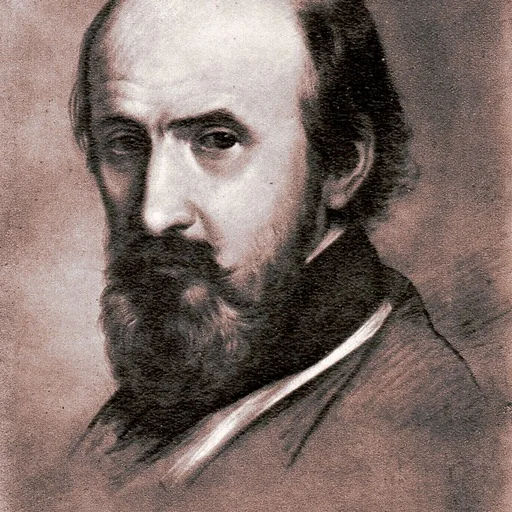
Károly Markó, also known as Carlo Marco (25 September 1791, Lőcse (today Levoča, Slovakia) – 19 November 1860, at the Villa Medici di Lappeggi near Bagno a Ripoli, Italy) was one of the first Hungarian landscape painters.