Artwork
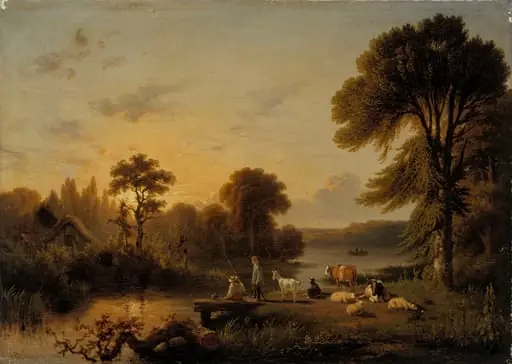
Italian Landscapes at Sunset, Fishermen
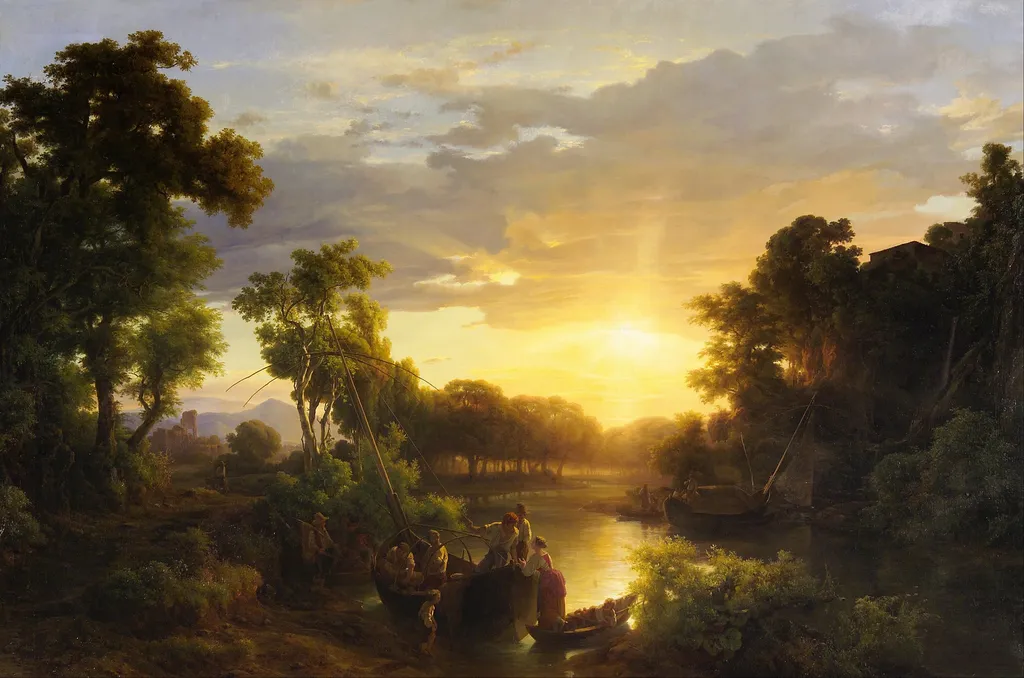
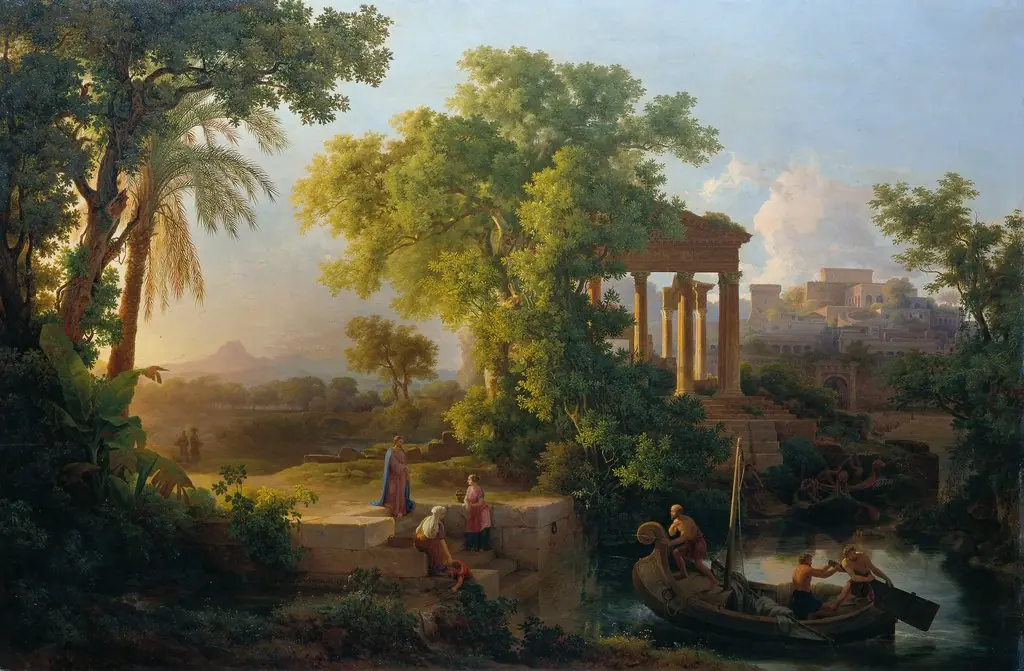
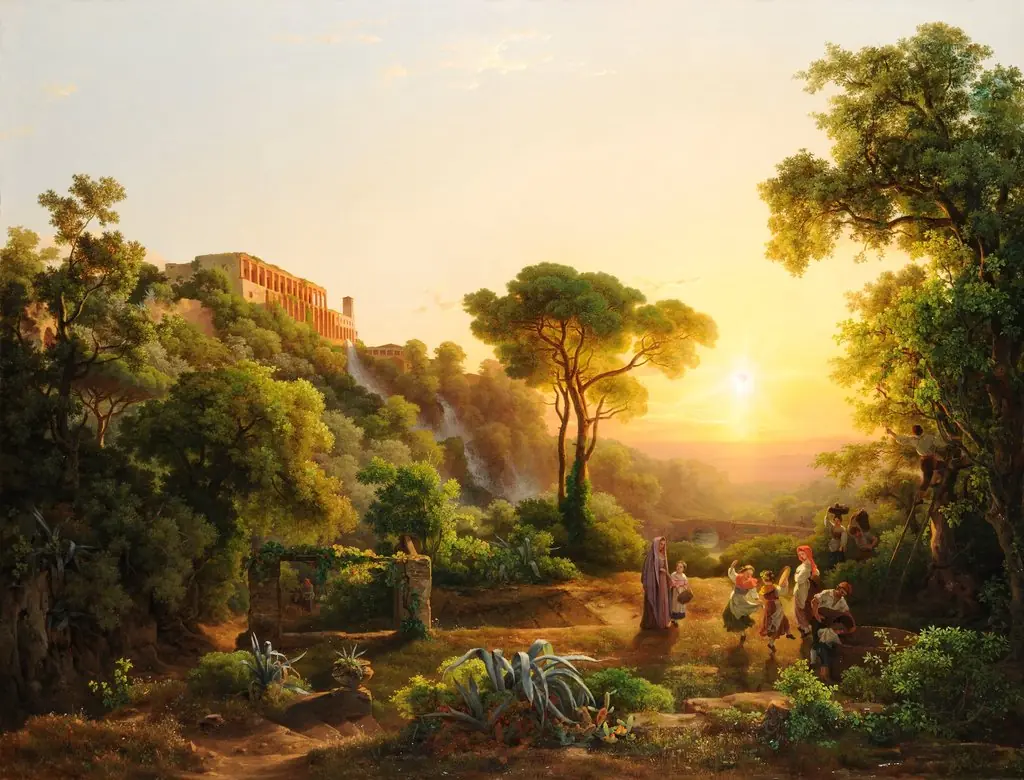
Italian Landscapes at Sunset, Fishermen is an oil painting by Károly Markó. It dates from 1851 and is held in the collection of the Hungarian National Gallery.
About this work
Overview
The painting is part of the Hungarian National Gallery’s collection, representing his enduring connection to Italian scenery despite his national origins.
Painted in 1851 by Károly Markó, known in Italy as Carlo Marco, this oil on canvas captures a quiet coastal moment at twilight. Markó, a Hungarian artist who lived and worked extensively in Italy, focused on landscape scenes that reflected his adopted environment. The painting is part of the Hungarian National Gallery’s collection, representing his enduring connection to Italian scenery despite his national origins.
Subject & Meaning
The scene portrays fishermen at day’s end, their figures small against the expansive shoreline and fading light. There is no dramatic narrative—only the quiet rhythm of labor and nature’s transition from day to night. The composition suggests contemplation rather than action, emphasizing harmony between human activity and the tranquil coastal landscape.
Technique & Style
Markó employed soft, blended brushwork to render the hazy atmosphere of dusk, with muted tones of amber, gray, and deep blue dominating the palette. The fishermen are rendered with minimal detail, allowing the environment to dominate. His approach reflects a Romantic sensibility, prioritizing mood and light over precise realism, aligning with contemporary Italian landscape traditions.
History & Provenance
Created during Markó’s decades-long residence in Italy, the painting was likely made in one of the coastal regions he frequently visited. It remained in European collections before being acquired by the Hungarian National Gallery, where it now serves as a key example of 19th-century Hungarian art shaped by Italian influences.
Context
In the mid-19th century, many Central European artists traveled to Italy to study its light, architecture, and pastoral scenes. Markó was part of this wave, contributing to a growing body of Hungarian landscape painting rooted in Italian observation. His work stood apart from nationalistic themes, instead embracing the quiet beauty of foreign terrain.
Legacy
Markó’s paintings, including this one, helped establish landscape as a legitimate genre within Hungarian art. Though less known internationally, his dedication to Italian subjects influenced later Hungarian painters seeking to move beyond historical or mythological themes. His work remains a quiet testament to cross-cultural artistic exchange in 19th-century Europe.
Own this work as a print
Artist & collection
Artist
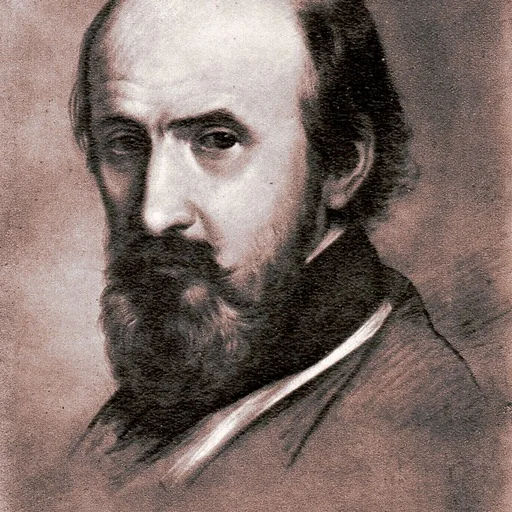
Károly Markó, also known as Carlo Marco (25 September 1791, Lőcse (today Levoča, Slovakia) – 19 November 1860, at the Villa Medici di Lappeggi near Bagno a Ripoli, Italy) was one of the first Hungarian landscape painters.

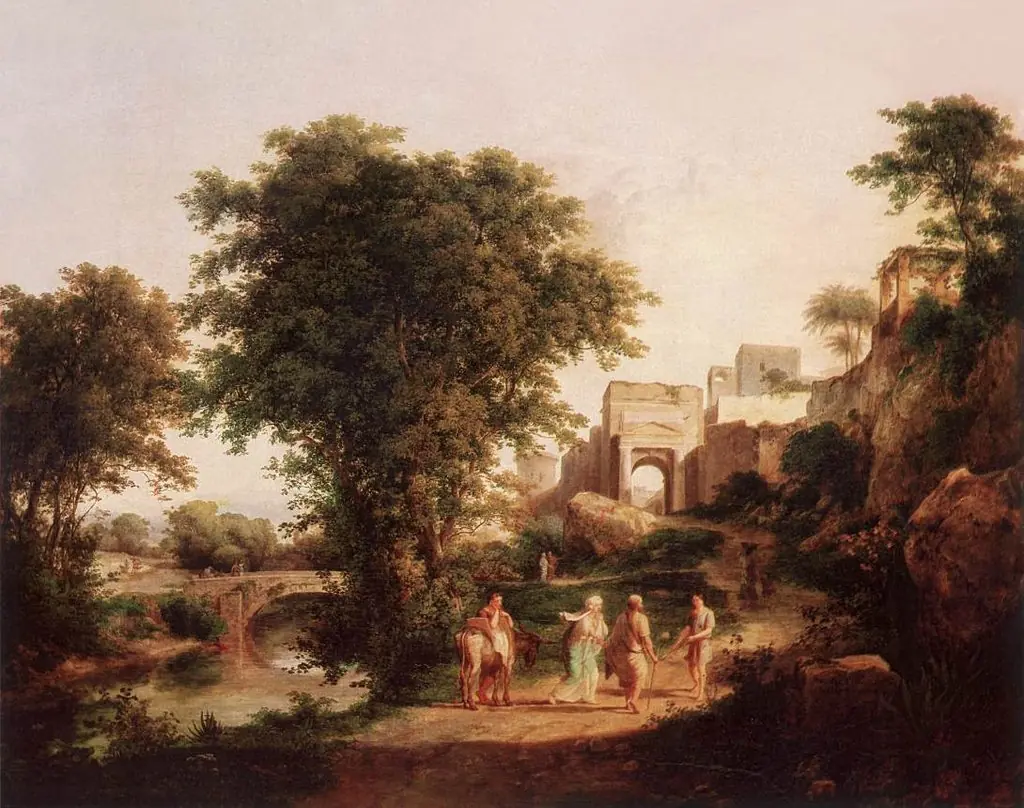
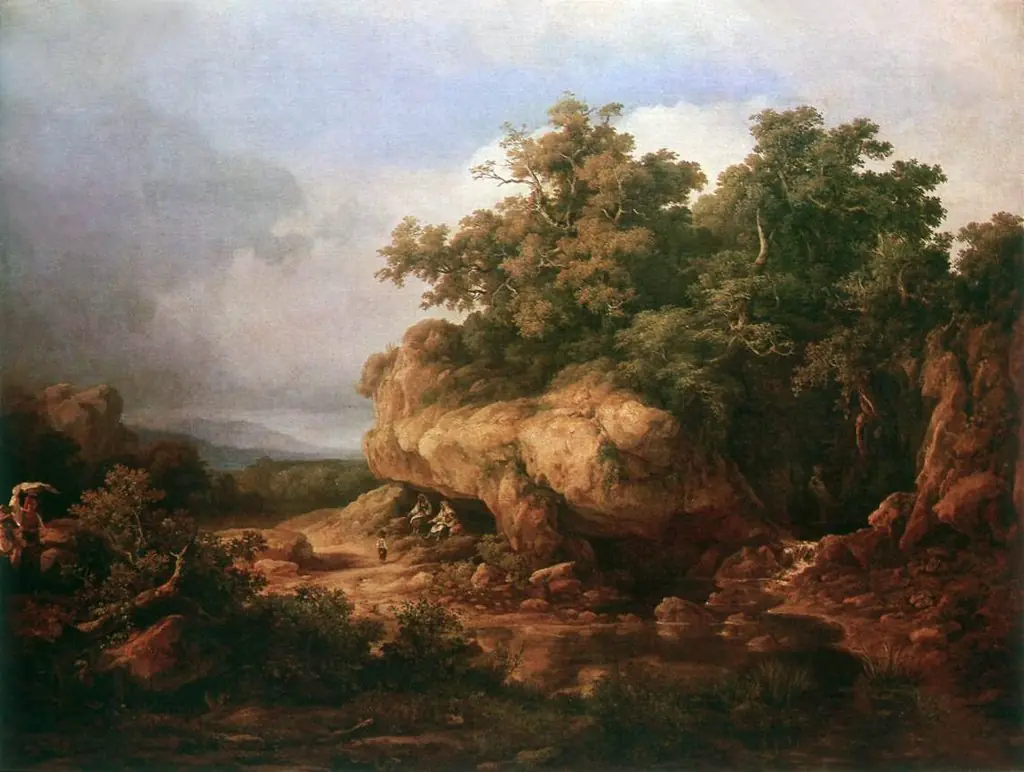
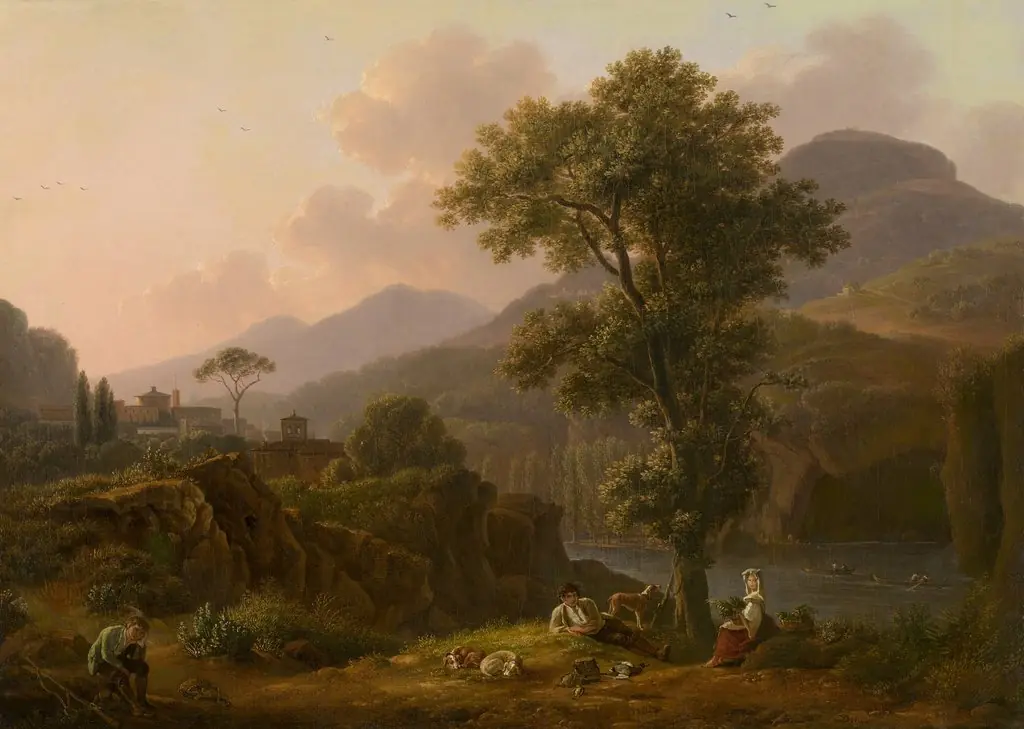 Italian Landscape
 Maisema, karjaa ja henkilöitä
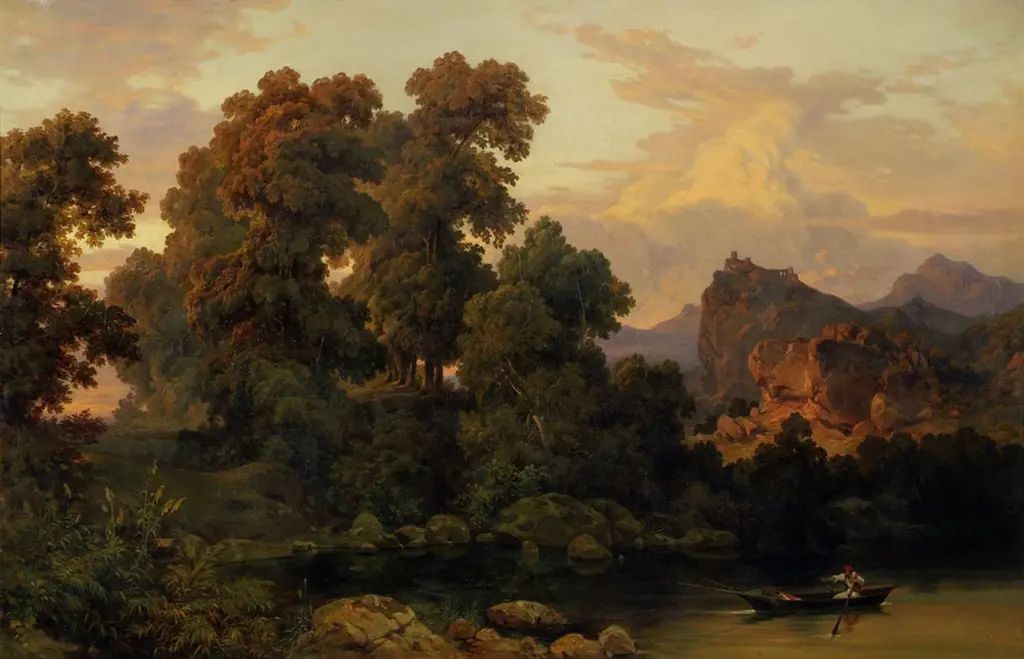 Italienische Landschaft
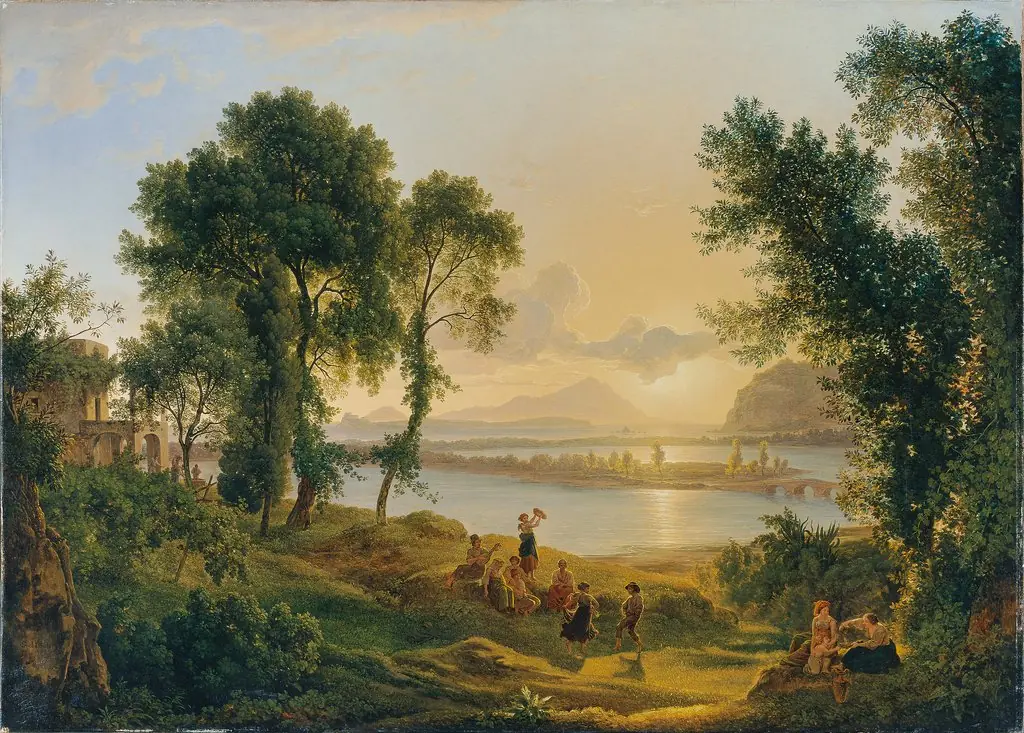 Sonnenuntergang über den Campi Flegrei gegen die Inseln Procida und Ischia
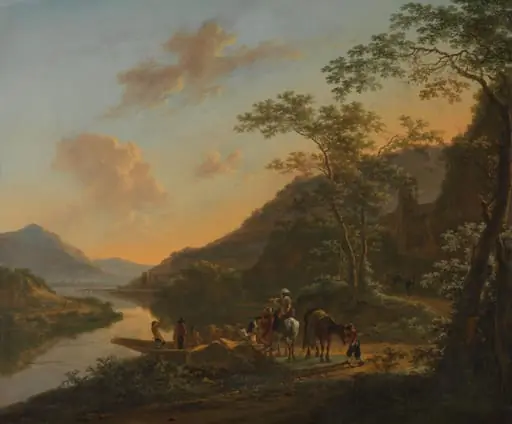 Italiaans landschap met overzetveer
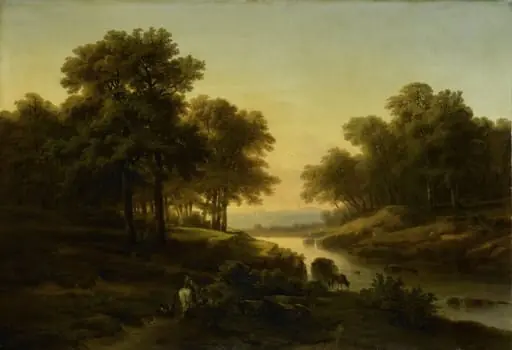 Landscape
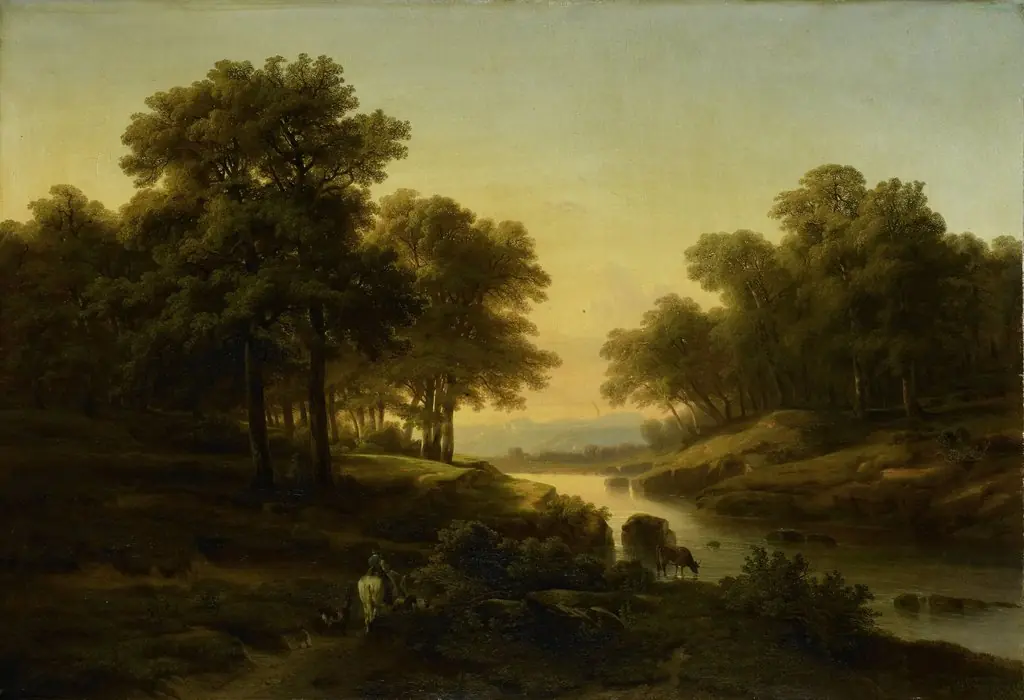 Landscape
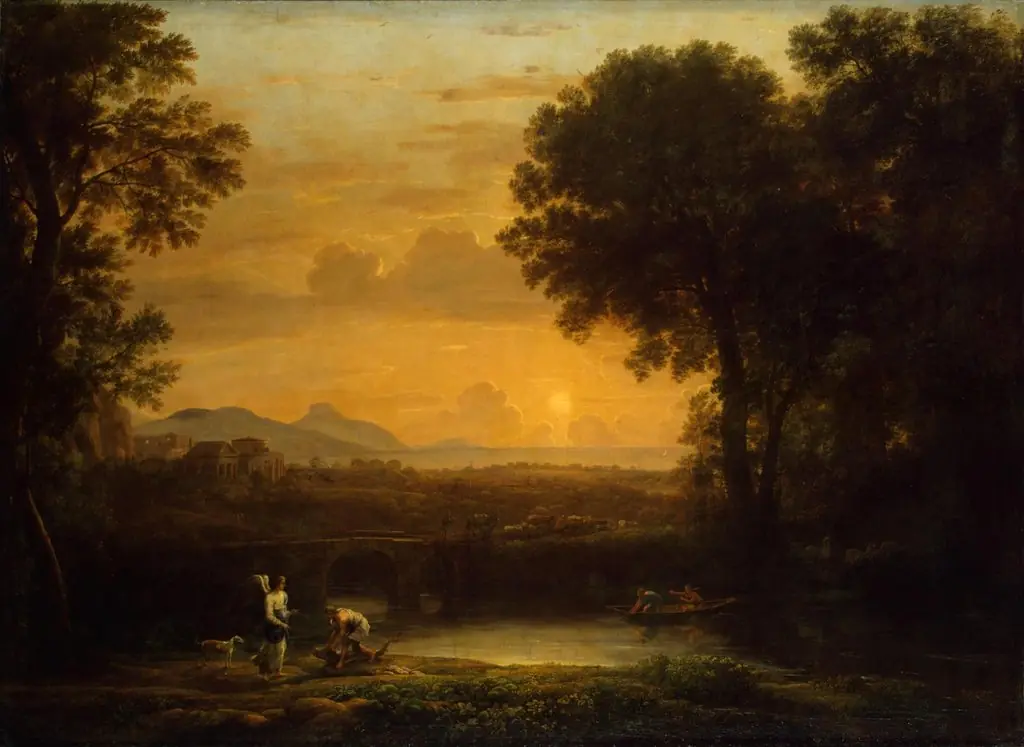 Landscape with Tobias and the Angel (Evening)
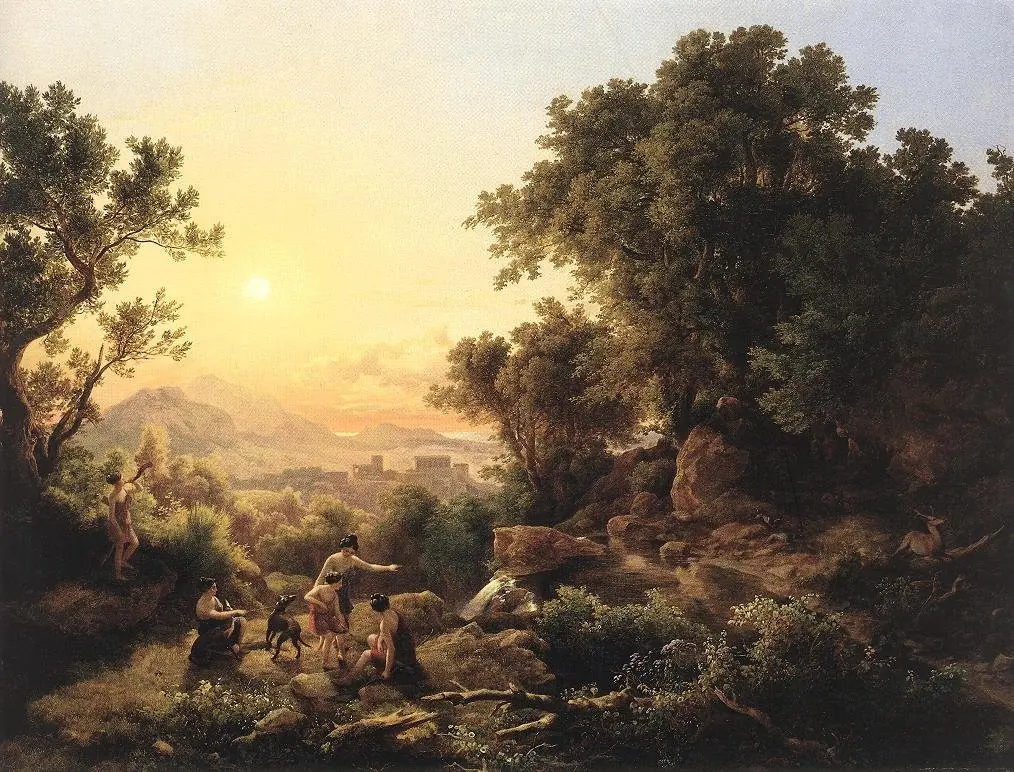 Diana at the Hunt (Hunting Nymphs)
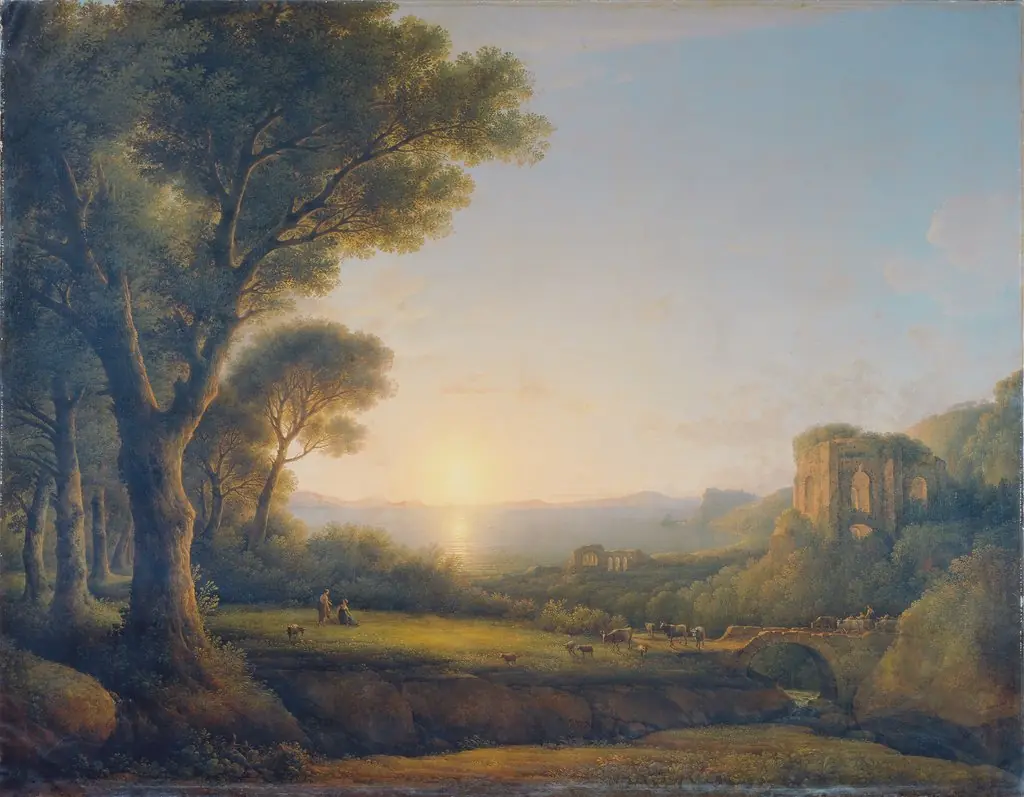 Der Meerbusen von Baiae bei Sonnenuntergang