Artwork
Courtesan and Attendant
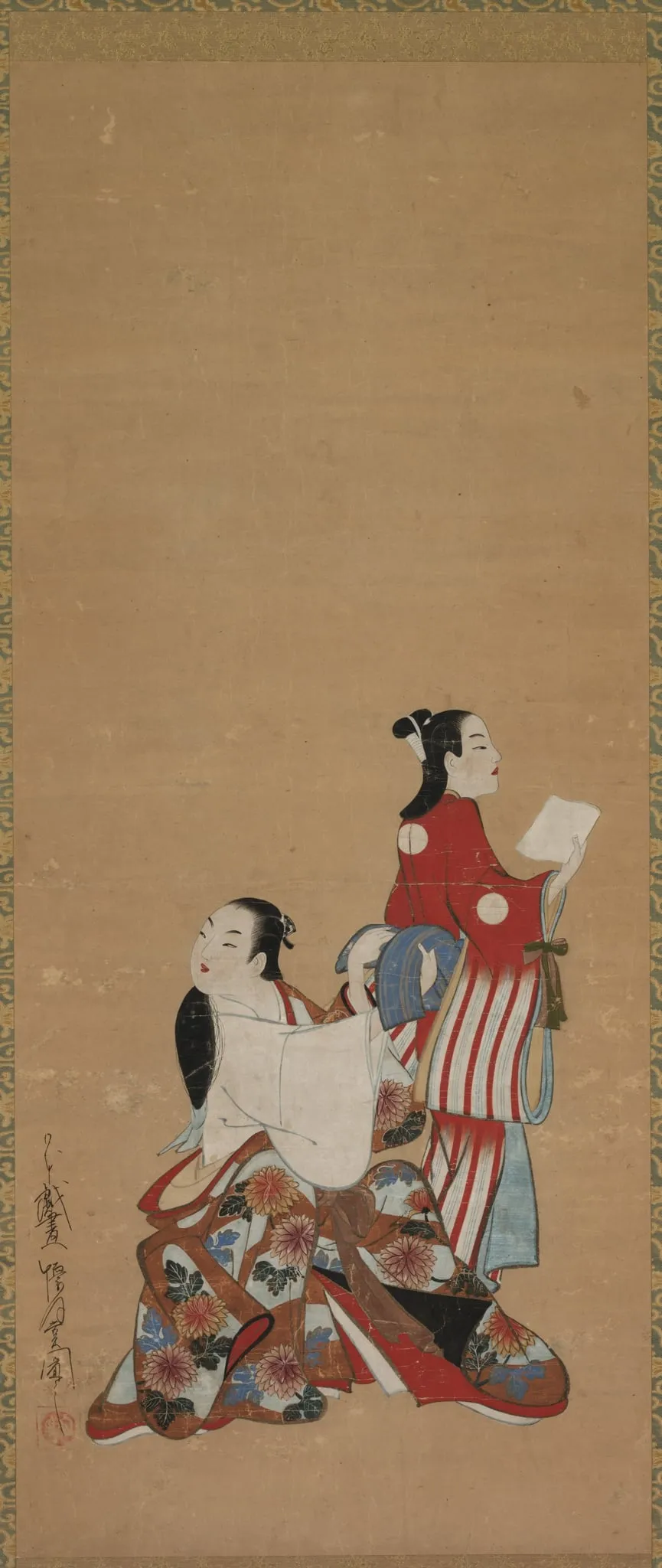
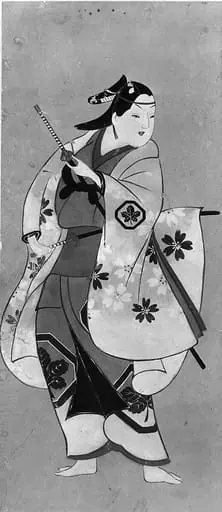
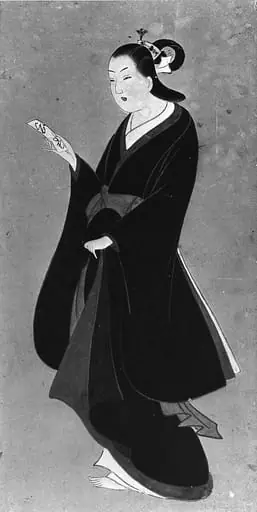
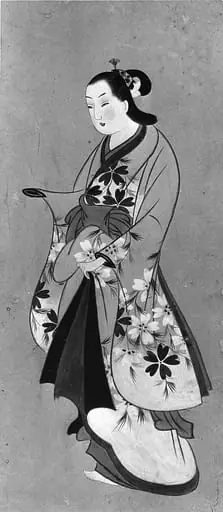
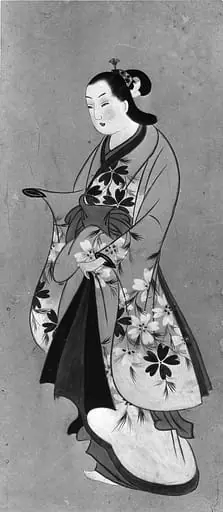
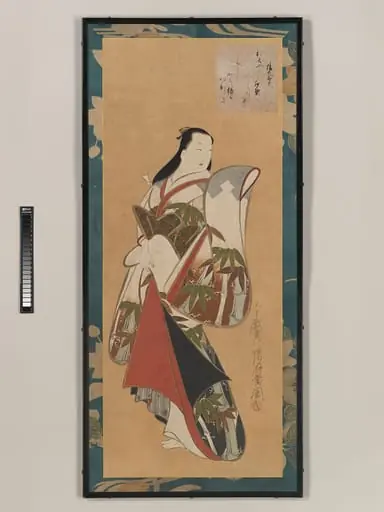
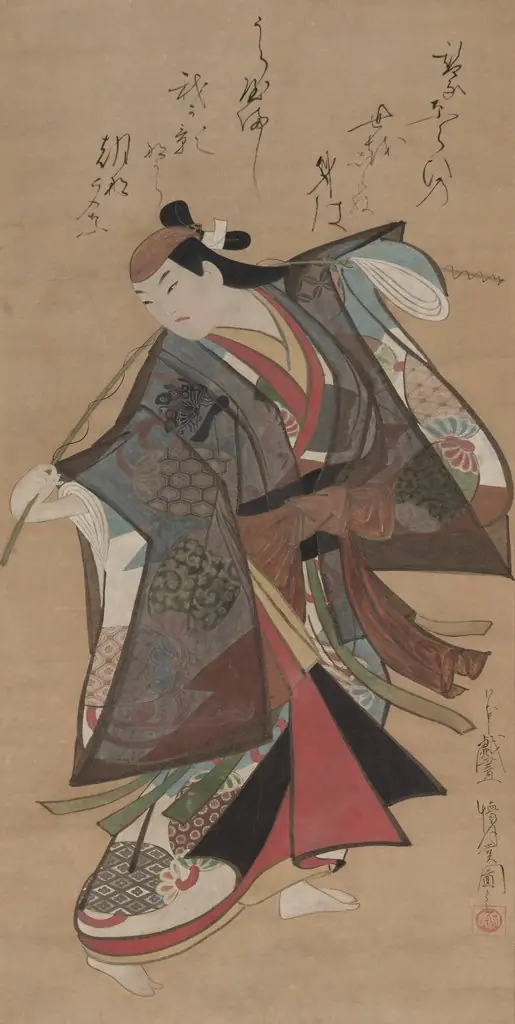
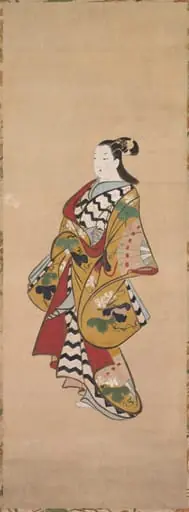
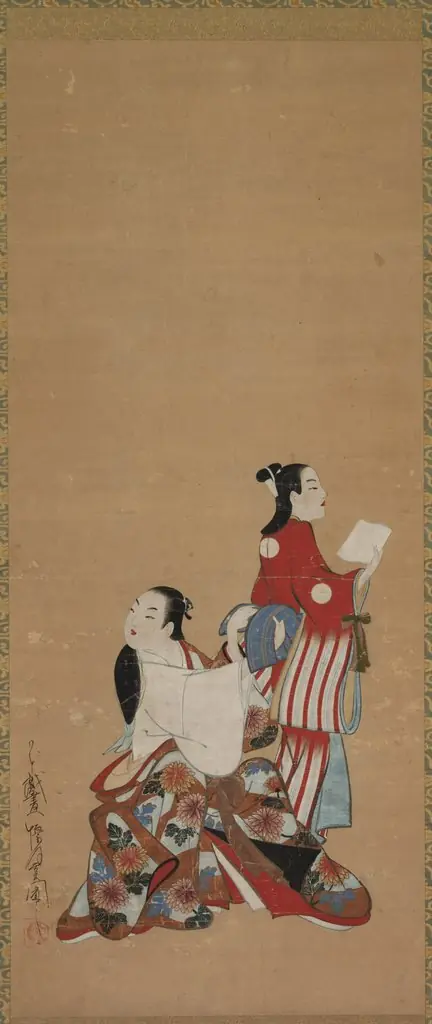
Courtesan and Attendant is an unspecified painting by the Baroque artist Kaigetsudō. It is held in the collection of the Cleveland Museum of Art.
About this work
Overview
Created around 1799, *Courtesan and Attendant* is a woodblock print attributed to Kaigetsudō Ando, a key figure in the early ukiyo-e tradition.
Created around 1799, *Courtesan and Attendant* is a woodblock print attributed to Kaigetsudō Ando, a key figure in the early ukiyo-e tradition. Though some works bearing his name were likely made by his studio, Ando’s distinctive style defined the Kaigetsudō school’s approach to portraying figures from the pleasure quarters. This piece exemplifies the genre’s focus on elegant, stylized representations of urban entertainers.
Subject & Meaning
The painting depicts a high-ranking courtesan and her attendant, positioned in a quiet, intimate moment. The courtesan holds a sheet of paper, possibly a note or poem, suggesting communication within the refined world of the Yoshiwara. The attendant’s embrace conveys both service and closeness, reflecting the hierarchical yet personal dynamics of their relationship. The composition avoids narrative detail, emphasizing presence over action.
Technique & Style
Rendered in the Kaigetsudō style, the figures are rendered with bold outlines and flattened forms, typical of early ukiyo-e. The kimono patterns—red with white circles and white with floral motifs—are rendered in restrained color, drawing attention to silhouette and texture. The background is unadorned, isolating the figures and enhancing their monumental presence. Ink and pigment on paper reflect the workshop’s emphasis on clarity and decorative elegance.
History & Provenance
The work entered the collection of The Cleveland Museum of Art through documented acquisition, though its earlier ownership remains unclear. As with many Kaigetsudō-school prints, attribution has been debated due to studio production practices. Despite this, the piece retains scholarly recognition for its stylistic fidelity to Ando’s aesthetic, preserving the visual language of late 18th-century Edo-period entertainment culture.
Context
Produced during the late Edo period, the image reflects the popularity of courtesan imagery in ukiyo-e, which catered to urban audiences fascinated by the licensed pleasure districts. These depictions balanced idealization with social observation, offering both fantasy and subtle commentary on class and gender roles. The absence of landscape or props underscores the focus on the individual as cultural symbol rather than narrative subject.
Legacy
Though Kaigetsudō Ando’s direct output was limited, his school’s influence extended through generations of ukiyo-e artists who adopted his emphasis on dignified, stylized female figures. *Courtesan and Attendant* stands as a representative example of how early ukiyo-e transformed popular culture into refined visual art, bridging commercial demand and artistic innovation without overt sentimentality or theatricality.
Artist & collection