Artwork
Sanjo Kantaro II in the Role of Urashima Taro
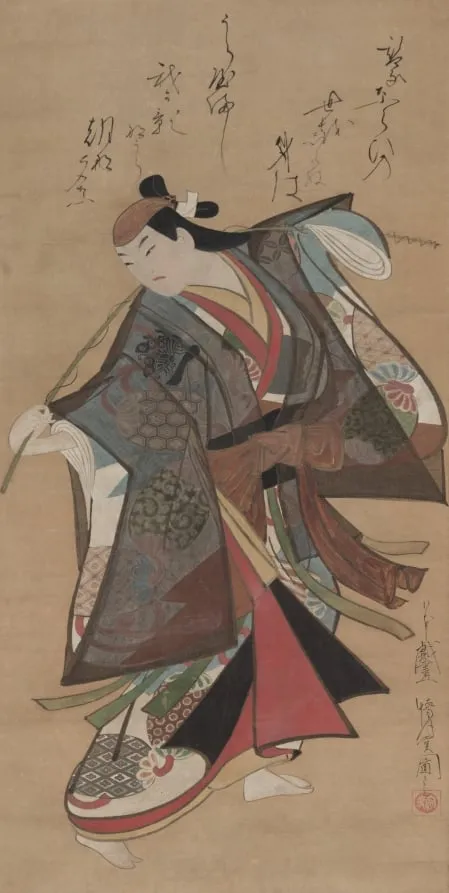
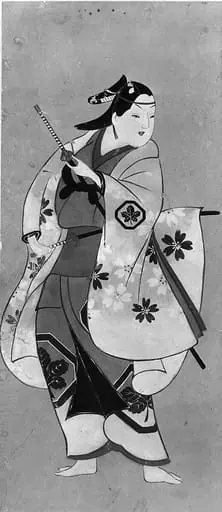
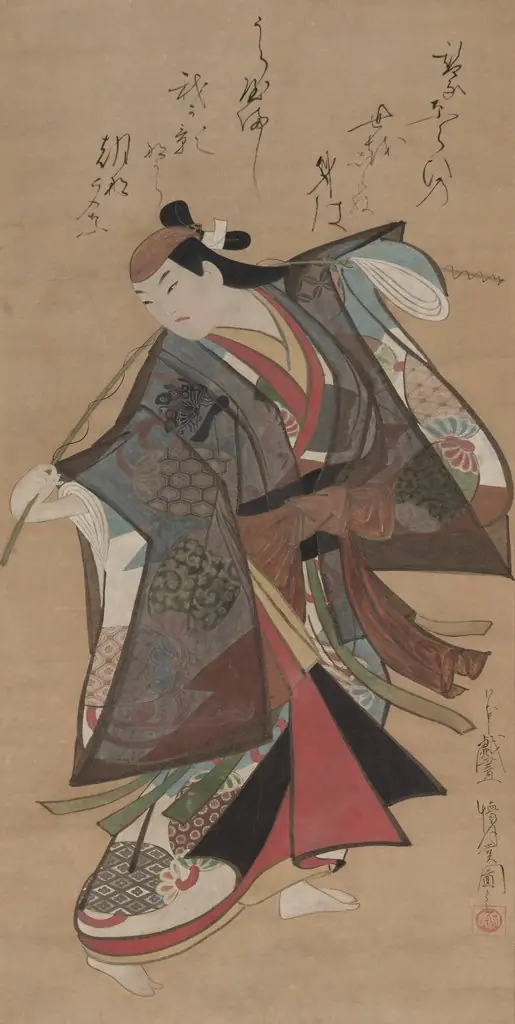
Sanjo Kantaro II in the Role of Urashima Taro is an unspecified painting by the Baroque artist Kaigetsudō. It dates from 1704 and is held in the collection of the Cleveland Museum of Art. The work portrays the Edo‑period Kabuki performer Sanjō Kantaro II in costume as the legendary fisherman Urashima Tarō.
About this work
The actor’s delicate features and flowing sleeves tell you he’s playing a young man, even though he was famous for female roles too.
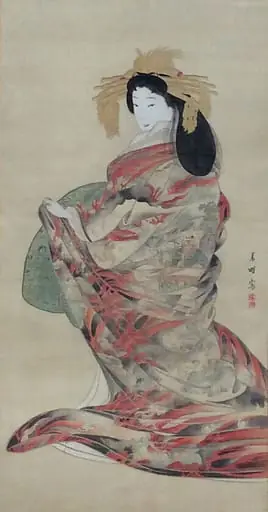
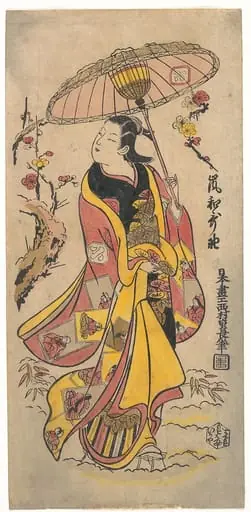
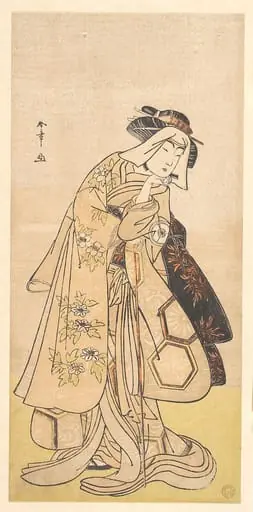
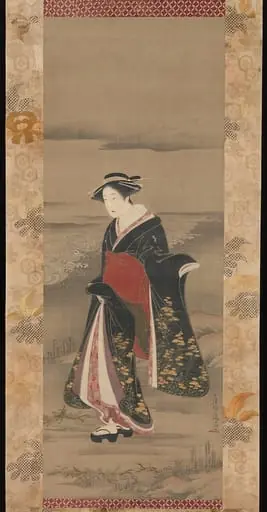
A man in a bright kimono stands on a rocky shore, holding a fishing pole. His face is pale, his hair tied back in a loose knot. A small tortoise peeks from the waves near his feet.
This is a Kabuki actor playing Urashima Tarō, a fisherman who visits a magical underwater palace. The artist didn’t show the palace—just the quiet moment before the story explodes. The actor’s delicate features and flowing sleeves tell you he’s playing a young man, even though he was famous for female roles too.
Look up *Japan, Edo period (1615–1868)* to see more paintings like this.
Overview
The work portrays the Edo‑period Kabuki performer Sanjō Kantaro II in costume as the legendary fisherman Urashima Tarō. He stands on a rocky shoreline, a fishing pole in hand, while a small tortoise emerges from the surf at his feet. The composition captures the moment before the hero’s journey to the Dragon King’s underwater palace, and the upper margin includes a brief 31‑syllable waka poem.
Subject & Meaning
Urashima Tarō is a folk hero who rescues a turtle, is taken to the sea‑king’s palace, and returns to find centuries have elapsed. The actor’s youthful appearance and delicate features signal his role as a wakashū, a young man, despite his reputation for onnagata (female) parts. The fishing pole reinforces the character’s identity as a fisherman, while the turtle serves as the narrative catalyst linking the terrestrial and marine realms.
Technique & Style
Rendered in the ukiyo‑e painting tradition, the piece employs bright kimono colors and fluid brushwork to convey movement in the sea‑spray and the actor’s flowing sleeves. The delicate line work defines the figure’s pale complexion and loosely tied hair, while the background remains minimal, focusing attention on the solitary figure and the symbolic turtle. The inclusion of a waka poem in the upper register reflects the period’s integration of poetry and visual art.
History & Provenance
Created during the Edo period (1615–1868), the painting documents a specific performance by Sanjō Kantaro II, a celebrated Kabuki star known for both youthful and female roles. The work likely originated as a promotional or commemorative image for a theater production of the Urashima Tarō play. Its survival in museum collections provides insight into the visual culture surrounding Kabuki actors and the popular storytelling motifs of the time.
Artist & collection