Artwork
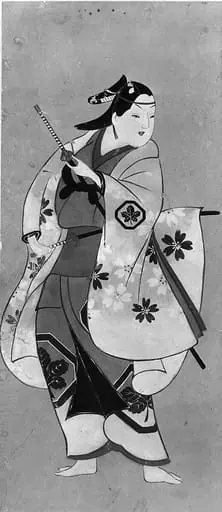
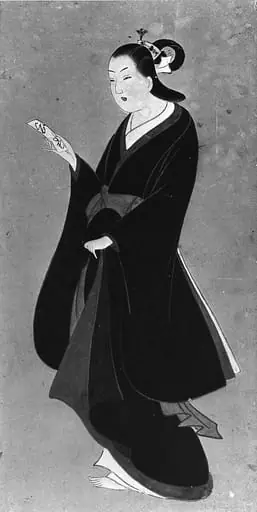
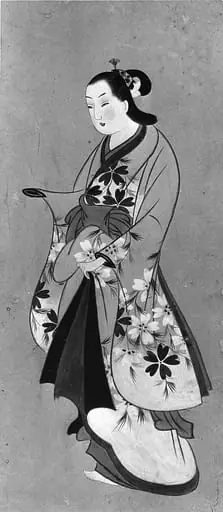
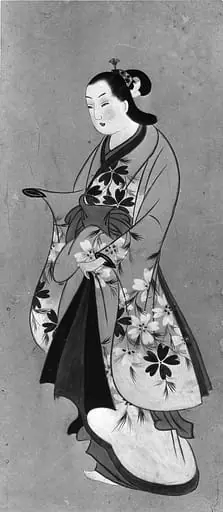
懐月堂安度筆 立姿遊女図|Standing Courtesan
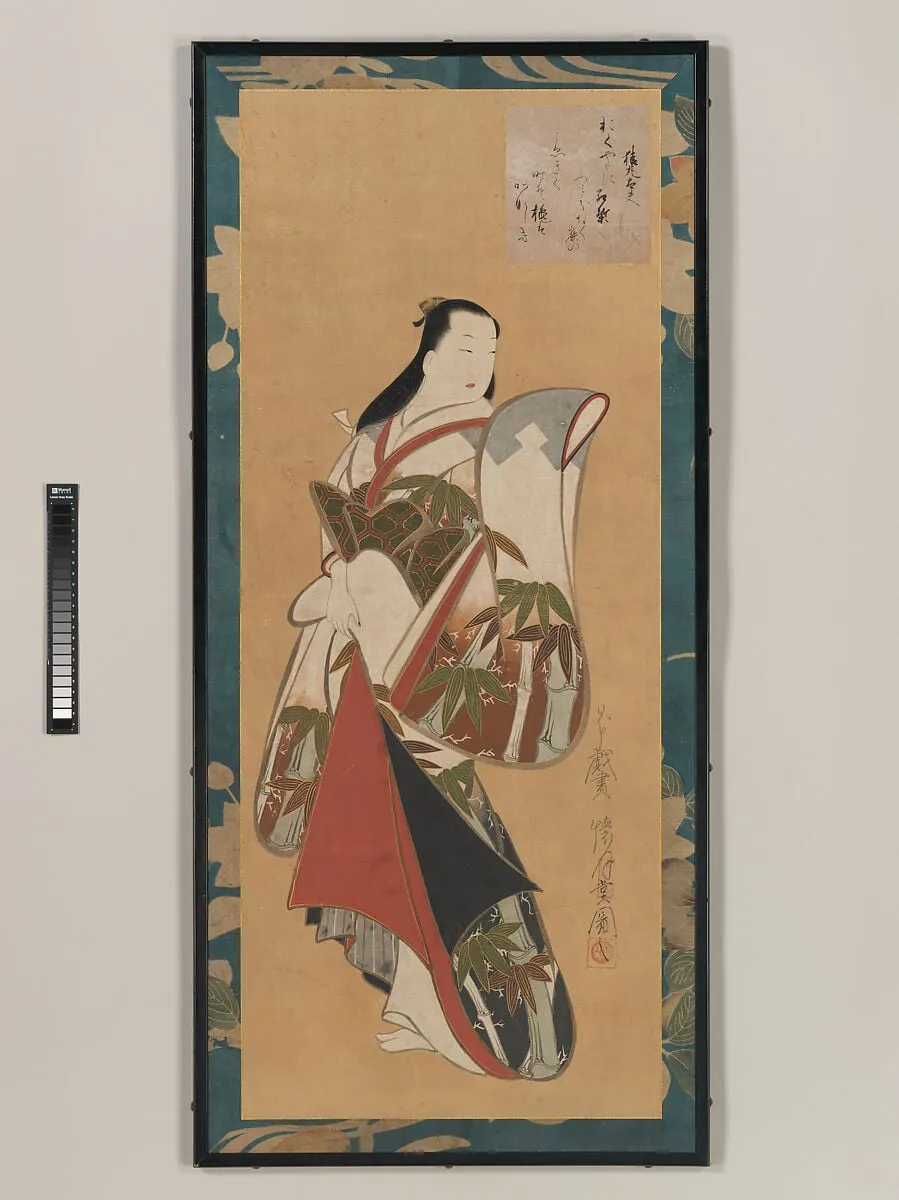
懐月堂安度筆 立姿遊女図|Standing Courtesan is an ink painting by the Baroque artist Kaigetsudō. It dates from 1716 and is held in the collection of the Metropolitan Museum of Art.
About this work
Overview
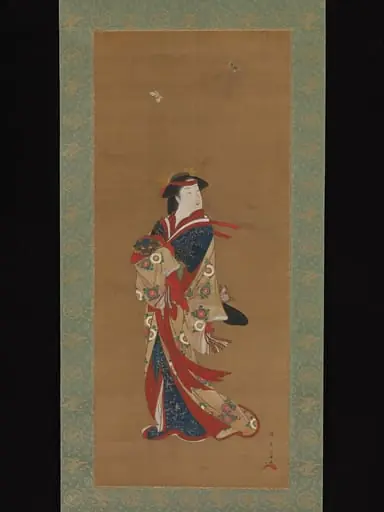
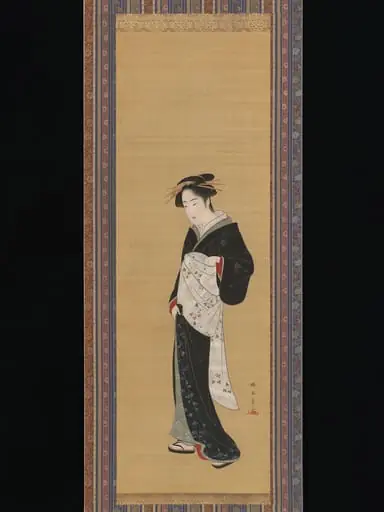
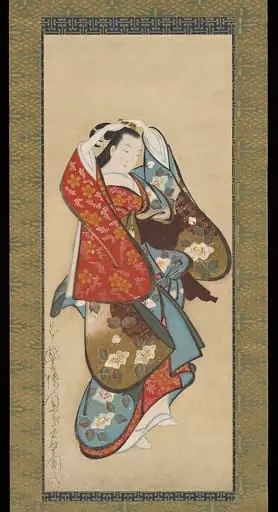
Created in 1716 by Kaigetsudō Ando, this hanging scroll presents a solitary female figure rendered in ink and color on paper. The work belongs to the ukiyo‑e tradition but is executed as a painted panel rather than a woodblock print, reflecting Ando’s preference for painting. The composition is minimal, set against an empty background that emphasizes the figure’s attire and posture.
Subject & Meaning
The central figure is a standing courtesan, depicted in a long, flowing kimono with striking red and gold motifs. Her hair is styled in an elaborate updo, a common signifier of elegance in Edo‑period fashion. By omitting facial detail, the artist directs attention to the garment and its decorative patterns, underscoring the role of clothing as a marker of status and allure.
Technique & Style
The flat, unmodulated background eliminates spatial depth, allowing the richly colored kimono to dominate the visual field.
Ando employed brushwork typical of early ukiyo‑e painting, using ink outlines complemented by vivid mineral pigments. The flat, unmodulated background eliminates spatial depth, allowing the richly colored kimono to dominate the visual field. The figure’s elongated posture and stylized pose anticipate later fashion illustration, while the lack of facial rendering aligns with the school’s emphasis on decorative surface.
History & Provenance
The scroll was likely commissioned by affluent townspeople of Edo, a market distinct from the samurai patronage that dominated many contemporary artworks. Although numerous pieces are attributed to Ando, scholars note that some may have been produced by his workshop assistants, a common practice in the Kaigetsudō school.
Context
During the early 18th century, the ukiyo‑e genre began to focus on depictions of pleasure‑quarter figures. Ando’s standing courtesan is among the earliest examples that present the subject as a tall, elegant silhouette rather than a narrative scene, reflecting a shift toward portraiture that highlighted fashion and personal adornment within urban culture.
Artist & collection