Artwork
Ascension of Saint Jerome
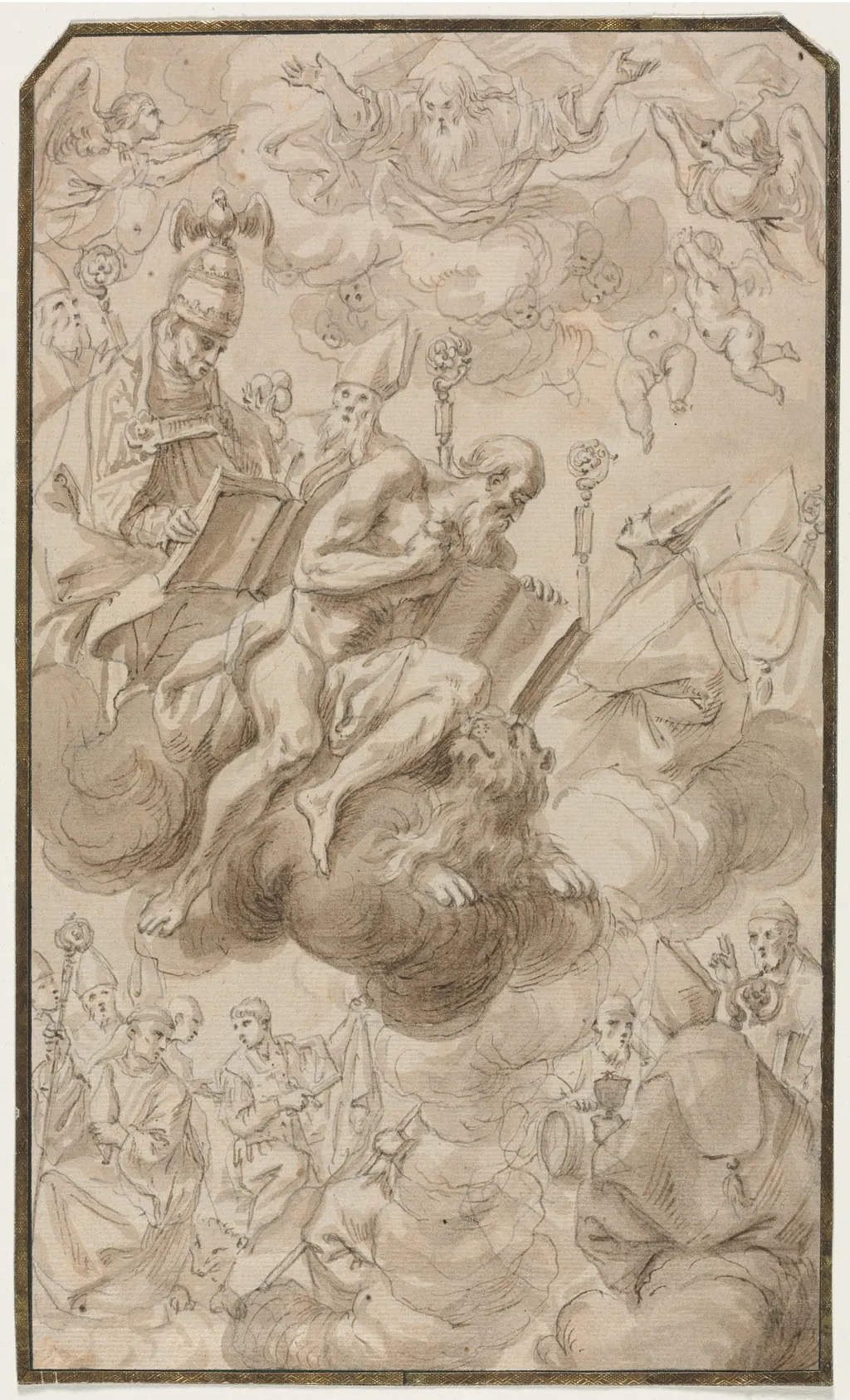
Ascension of Saint Jerome is a drawing by the Baroque artist Karel Škréta. It dates from 1604 and is held in the collection of the Cleveland Museum of Art. This ink and wash drawing, dated around 1604, depicts a celestial ascent attributed to Saint Jerome.
About this work
Overview
Executed by Czech artist Karel Skréta, the work is a dynamic preparatory sketch now in the collection of The Cleveland Museum of Art.
This ink and wash drawing, dated around 1604, depicts a celestial ascent attributed to Saint Jerome. Executed by Czech artist Karel Skréta, the work is a dynamic preparatory sketch now in the collection of The Cleveland Museum of Art. Its energetic composition and dense figuration suggest it was intended as a study for a larger altarpiece, capturing movement and spiritual elevation through rapid, layered strokes.
Subject & Meaning
The central figure, bearded and clutching a cross, is lifted skyward amid a throng of hovering angels and celestial beings. Some hold musical instruments or scrolls, suggesting divine praise and sacred texts. Though not explicitly labeled, the figure’s identity as Saint Jerome aligns with his traditional association with scholarly devotion and heavenly reward. The scene visualizes the soul’s transcendence, a common theme in Counter-Reformation piety.
Technique & Style
Skréta employed fluid ink lines and subtle washes to build volume and motion. Figures are rendered with swift, overlapping strokes, creating a sense of chaotic ascent. The background is densely packed with tiny, active forms, none fully detailed, yet collectively generating momentum. The lack of polished finish reflects its function as a working study, prioritizing compositional flow over finish.
History & Provenance
The drawing entered The Cleveland Museum of Art’s collection in the 20th century, with no documented provenance prior to its acquisition. It is among the few surviving drawings by Skréta, whose painted altarpieces were largely lost or destroyed during the Thirty Years’ War. Its preservation offers rare insight into his preparatory methods and the visual culture of early 17th-century Bohemia.
Context
Created during the early Baroque period, the drawing reflects the era’s emphasis on emotional intensity and dynamic movement in religious art. Bohemian artists like Skréta responded to Counter-Reformation ideals by depicting sacred moments with theatrical energy. This sketch aligns with broader trends in Central European religious art, where celestial ascents served as visual affirmations of faith and divine grace.
Legacy
As one of the few surviving drawings by Skréta, it provides critical evidence of his creative process and the visual language of Bohemian Baroque. While his painted works are largely lost, this sketch preserves the vitality of his approach—informing modern understanding of how religious narratives were conceived and refined in Central Europe before the upheavals of the mid-17th century.
Artist & collection
Artist
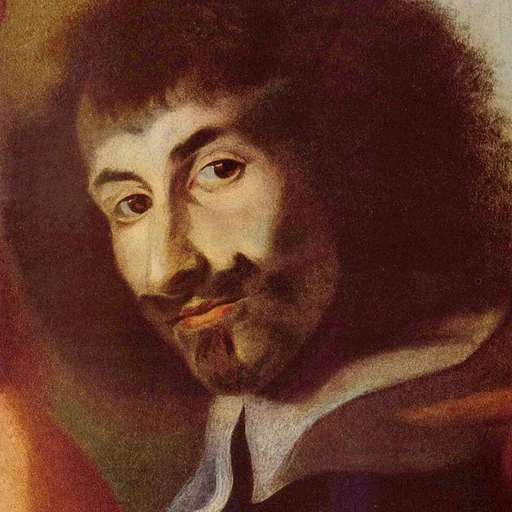
Karel Škréta Šotnovský of Závořice (Czech: Karel Škréta Šotnovský ze Závořic; 1610 – 30 July 1674) was a Czech painter who worked in the Baroque style.

 Saint Jerome (?)
 Judith
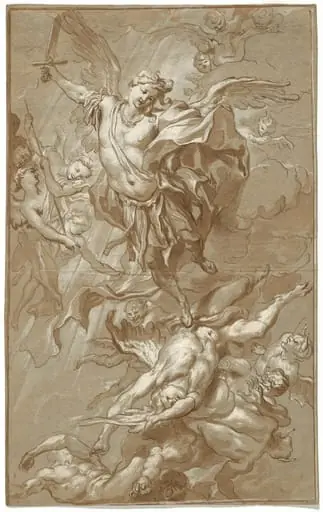 Saint Michael and the Rebel Angels
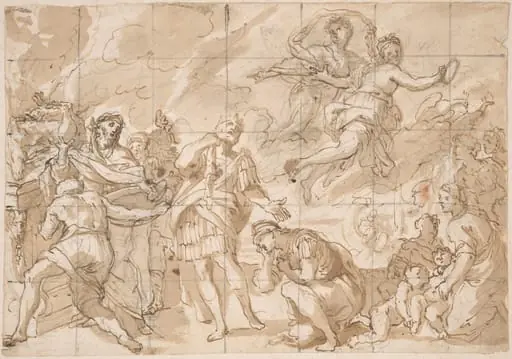 The Sacrifice of Iphigenia
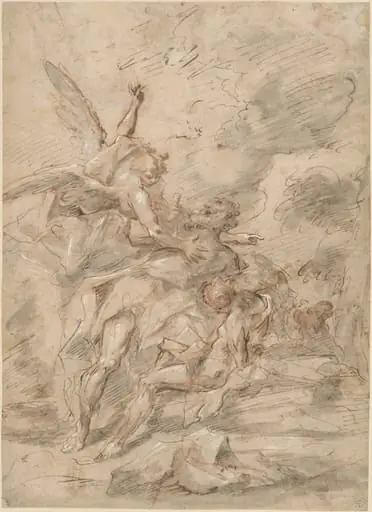 The Sacrifice of Isaac
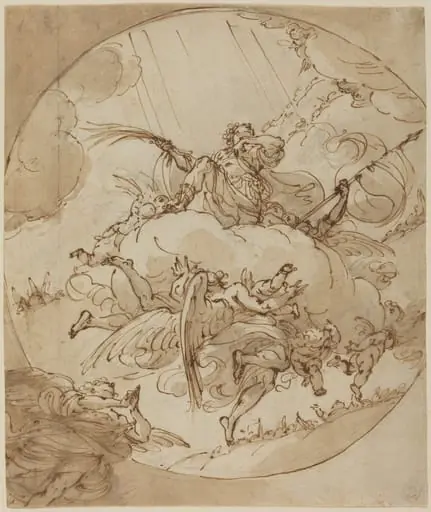 The Apotheosis of San Vitale
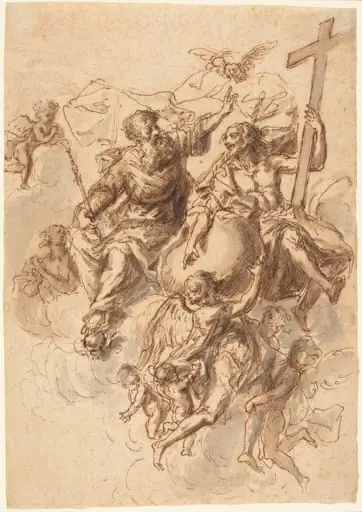 The Trinity Surrounded by Angels
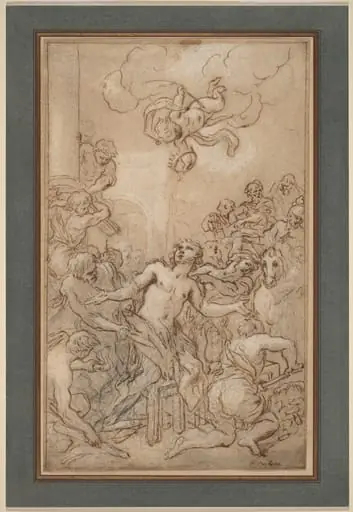 The Martyrdom of Saint Lawrence
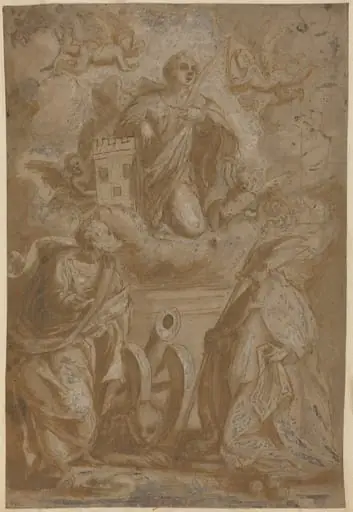 Saint Barbara in Glory with Saints Nicholas and Jerome
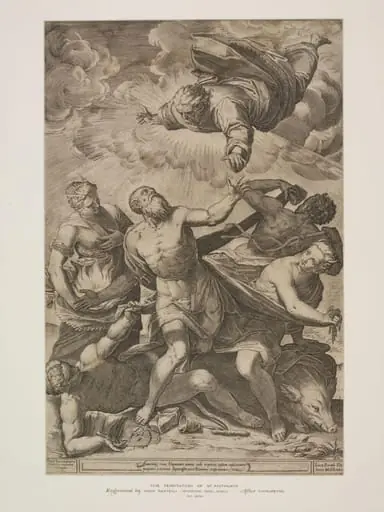 Temptation of Saint Anthony
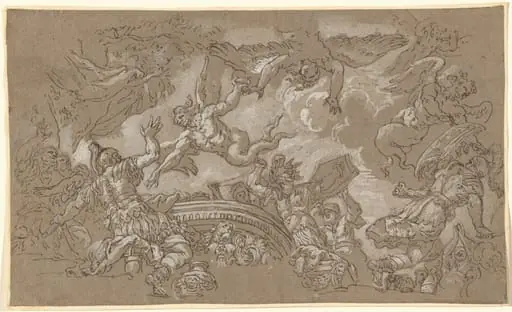 The Harpies Attacking Aeneas and His Companions
 Untitled