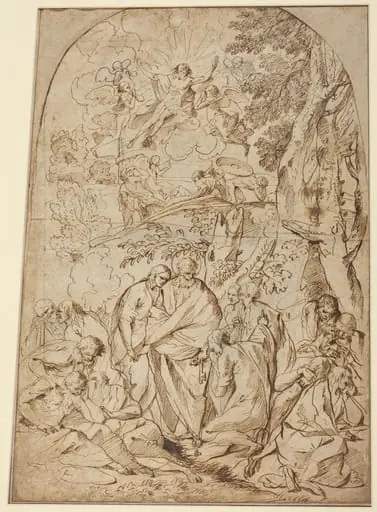
Artwork
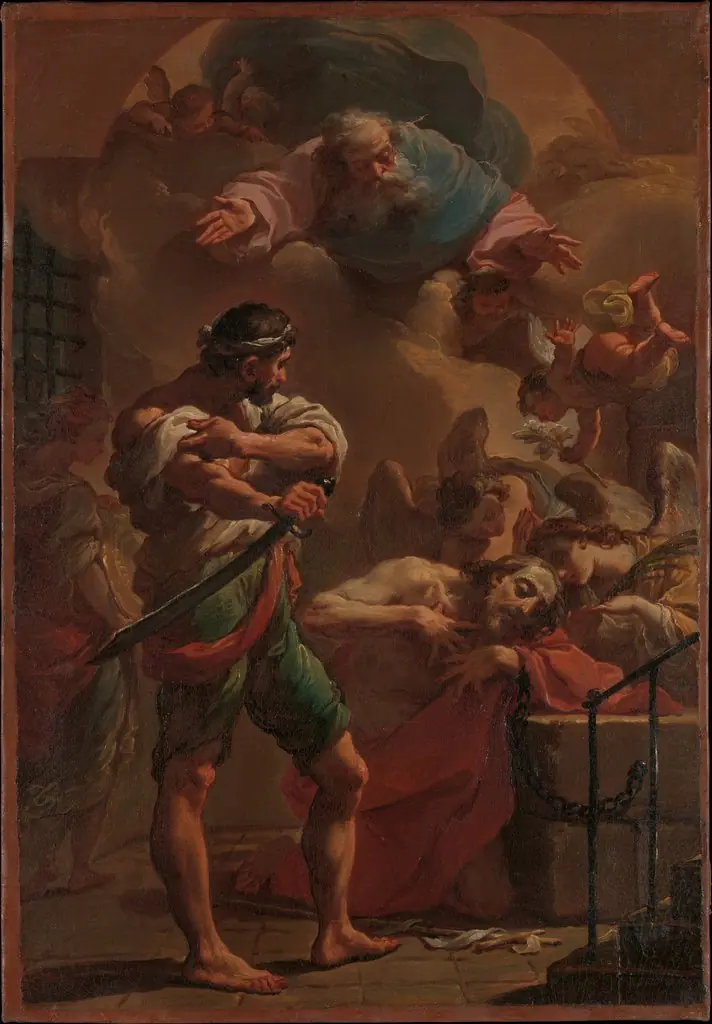
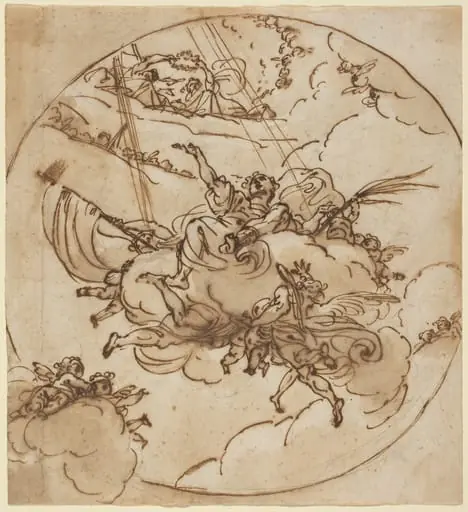
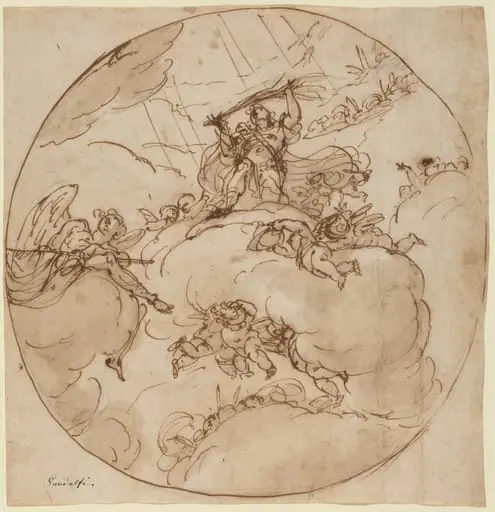
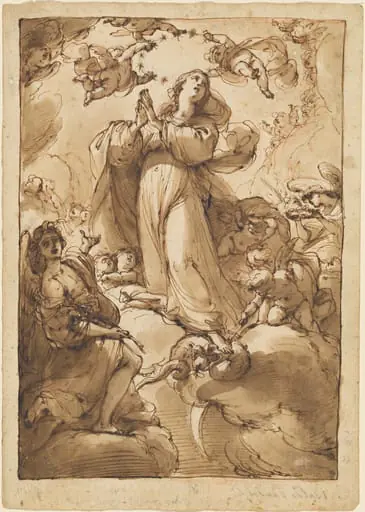
The Apotheosis of San Vitale
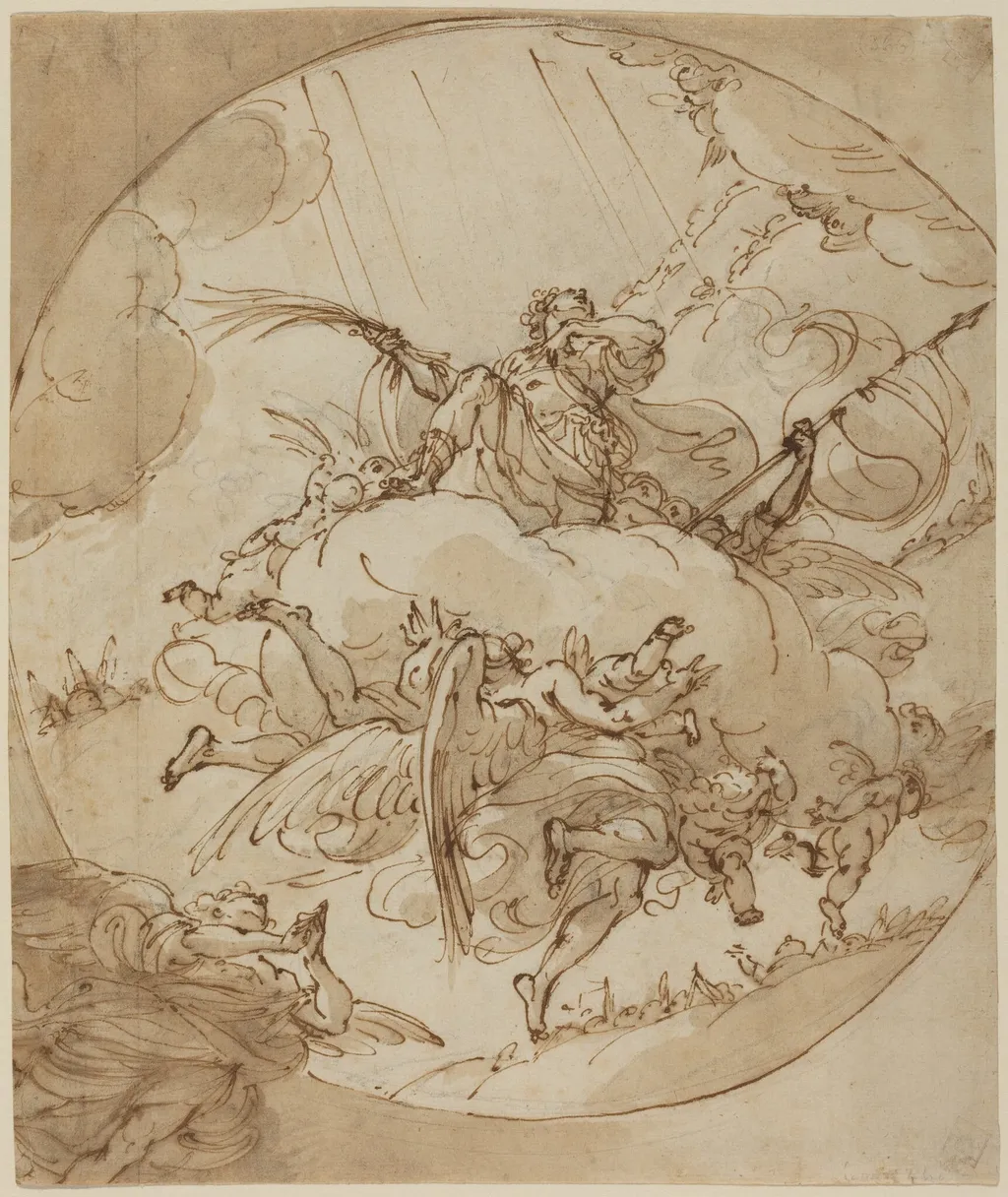
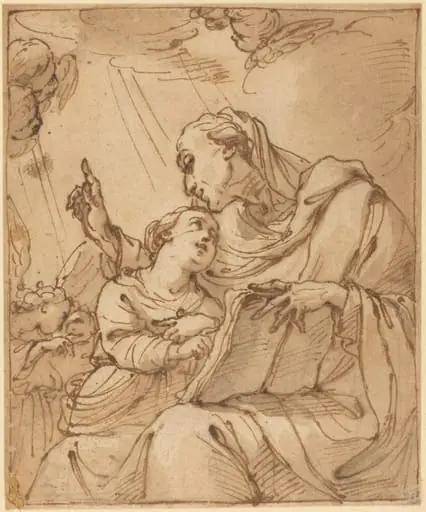
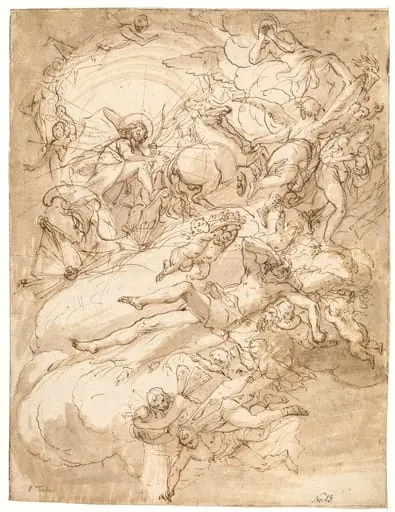
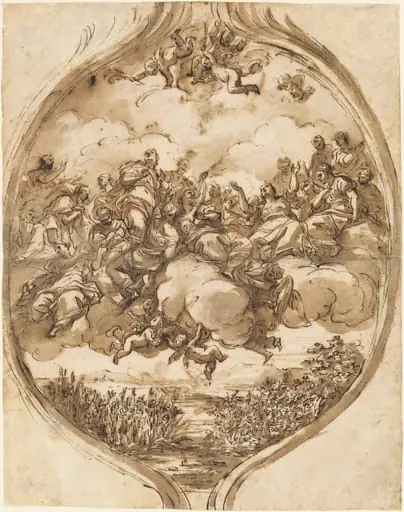
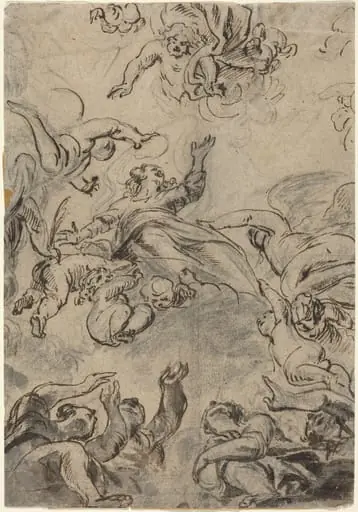
The Apotheosis of San Vitale is a chalk drawing by the Romanticist artist Ubaldo Gandolfi. It dates from 1781 and is held in the collection of the National Gallery of Art.
About this work
Overview
The Apotheosis of San Vitale is a drawing created in 1781 by Italian late-Baroque artist Ubaldo Gandolfi, utilizing pen, brown ink, black chalk, and brown wash on laid paper.
Subject & Meaning
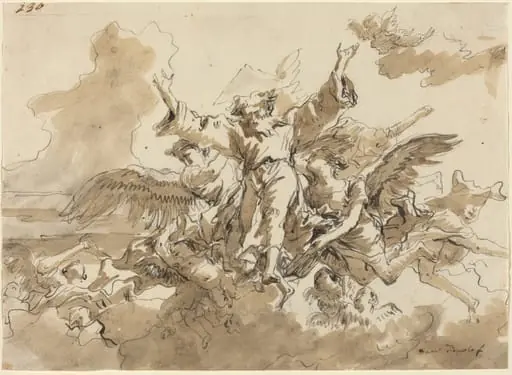
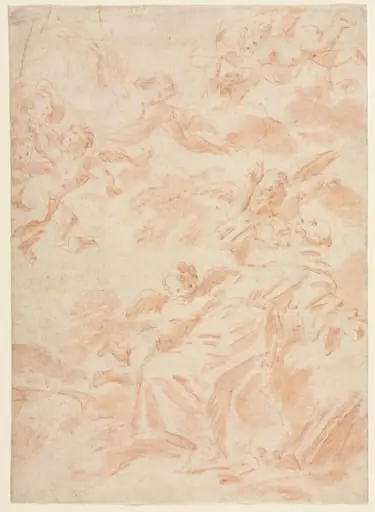
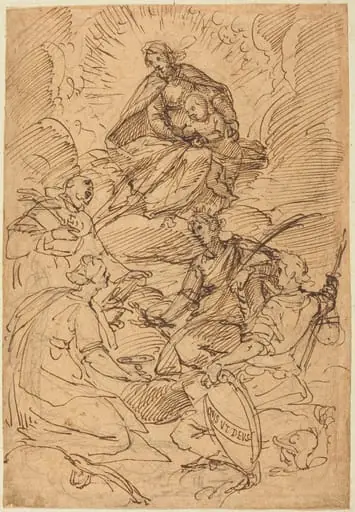
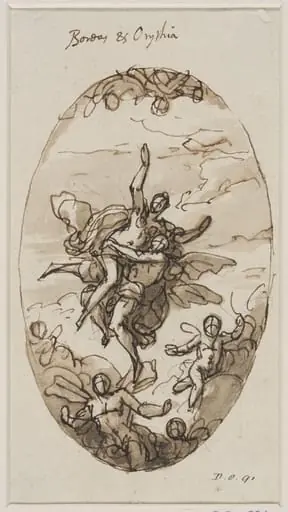
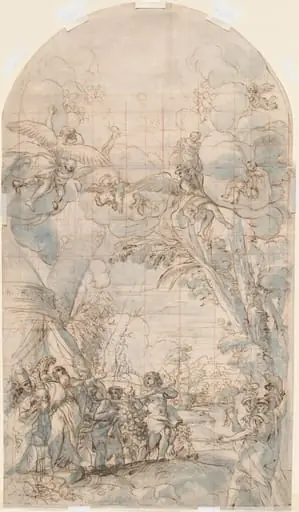
The drawing depicts a chaotic, upward-swirling scene of figures in a cloudy, celestial context, likely representing the apotheosis (divine elevation) of San Vitale, with angels, saints, and struggling figures amidst the turmoil.
Technique & Style
Characterized by loose, sketchy lines and quick strokes, the work conveys dynamic energy. Gandolfi employed ink and chalk to achieve depth through shading, intentionally leaving the piece in a rough, unfinished state, suggestive of a study for a larger composition.
History & Provenance
Created during Gandolfi's prolific period in and around Bologna, where he and his brother Gaetano were renowned. The drawing's provenance and current location are not specified in available information.
Context
Reflects Gandolfi's specialization in biblical, mythological, and allegorical themes, which attracted major European court commissions due to his compositional and figurative skills.
Legacy
While specific impact of this drawing is unclear, it exemplifies Gandolfi's artistic approach, contributing to the broader legacy of late-Baroque draftsmanship in Italy.
Artist & collection
Artist
Ubaldo Gandolfi (1728–1781) was an Italian painter, draughtsman and sculptor of the late-Baroque period, mainly active in and near Bologna.