Artwork
四代目岩井半四郎|Kabuki Actor Iwai Hanshirō IV
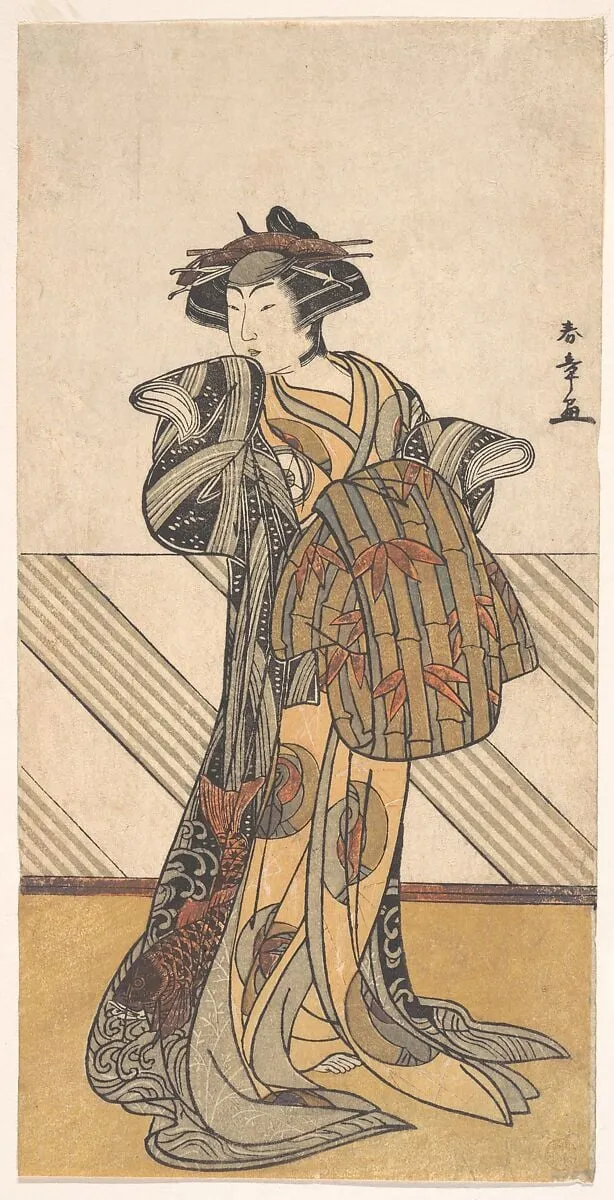
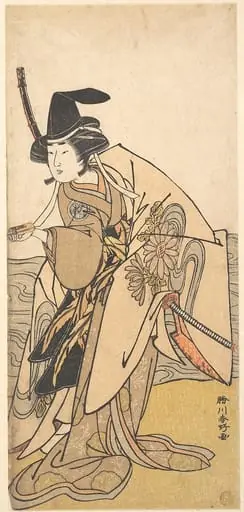
四代目岩井半四郎|Kabuki Actor Iwai Hanshirō IV is an ink print by the Romanticist artist Katsukawa Shunshō. It dates from 1778 and is held in the collection of the Metropolitan Museum of Art.
About this work
Overview
This nishiki-e woodblock print depicts Kabuki actor Iwai Hanshirō IV, created around 1778 by Katsukawa Shunshō. Rendered in ink and color on paper, it belongs to a tradition of ukiyo-e portraiture that celebrated popular theater figures. The print is part of the collection at The Metropolitan Museum of Art, where it exemplifies the refined aesthetic of late 18th-century Japanese actor prints.
Subject & Meaning
The naturalistic posture conveys the actor’s command of movement, reinforcing the cultural reverence for performers as embodiments of dramatic truth.
The print captures Iwai Hanshirō IV in a moment of poised stillness, suggesting an ongoing performance rather than a static pose. His elaborate costume and distinctive headwear identify him as a specific role within a Kabuki drama, likely a noble or refined character. The naturalistic posture conveys the actor’s command of movement, reinforcing the cultural reverence for performers as embodiments of dramatic truth.
Technique & Style
Shunshō employs bold, flowing patterns in black, red, and gold to define the actor’s robe, emphasizing texture and movement. The use of subtle cross-hatching adds dimension to the fabric without overwhelming the composition. The minimal background—plain floor and striped wall—focuses attention on the figure, a hallmark of actor portraits that prioritized presence over setting.
History & Provenance
Produced during the height of Kabuki’s popularity in Edo, this print was likely distributed as a keepsake for theatergoers. It reflects the commercial print culture of the time, where actors were celebrity figures. The work entered the Metropolitan Museum of Art’s collection through documented acquisitions of Japanese prints in the late 19th and early 20th centuries.
Context
In the 1770s, Katsukawa Shunshō was a leading artist in the actor portrait genre, moving away from idealized depictions toward more individualized likenesses. This print aligns with a broader shift in ukiyo-e toward capturing the distinctiveness of performers, mirroring the growing public fascination with Kabuki stars and their roles on stage.
Legacy
Shunshō’s portrayal of Iwai Hanshirō IV contributed to the standardization of actor prints as both artistic and documentary records. Its emphasis on personal expression and costume detail influenced later generations of printmakers, helping to preserve the visual identity of Kabuki performers for historical study and cultural memory.
Artist & collection
Artist
Katsukawa Shunshō spent his life in Edo (now Tokyo), where the city’s teahouses and theaters buzzed with energy.

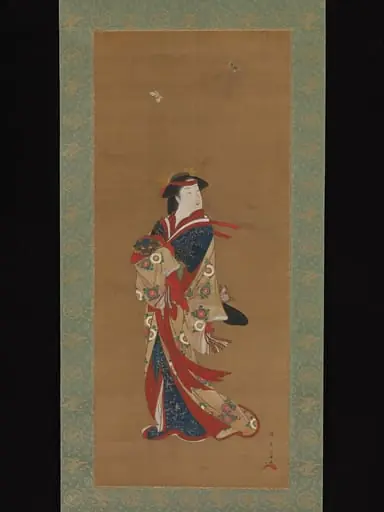
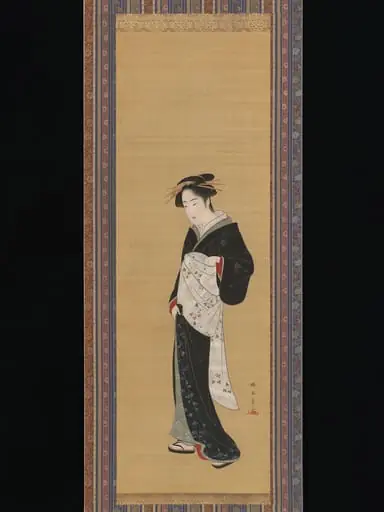
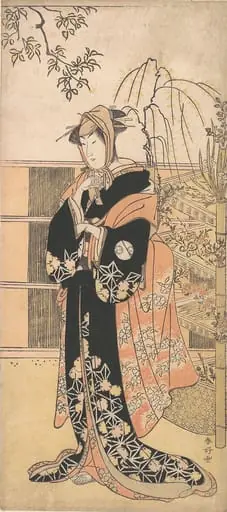 勝川春好画 三代目瀬川菊之丞|Kabuki Actor Segawa Kikunojō III in a Woman’s Role
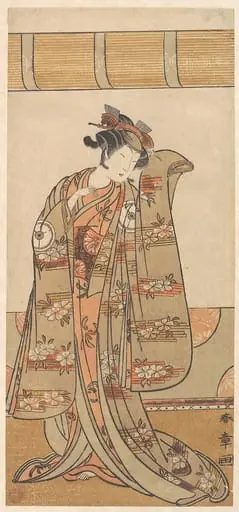 Untitled
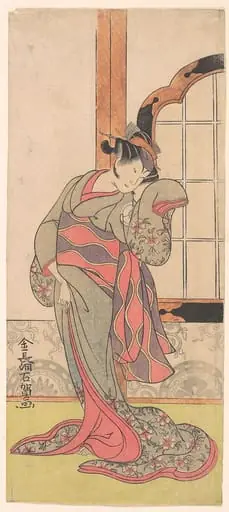 Untitled
 Untitled
 Untitled
 Untitled
 Sanpuku Tsui|Moon in Musashi Province
 Untitled
 初代中村富十郎|Kabuki Actor Nakamura Tomijūrō I in a Female Dance Role
 花形見風折烏帽子瀬川富三郎の娘道成寺|Segawa Tomisaburo in the Role of Musume Dojoji in "Hanagatami Kazaori Eboshi"