Artwork
Sanpuku Tsui|Moon in Musashi Province
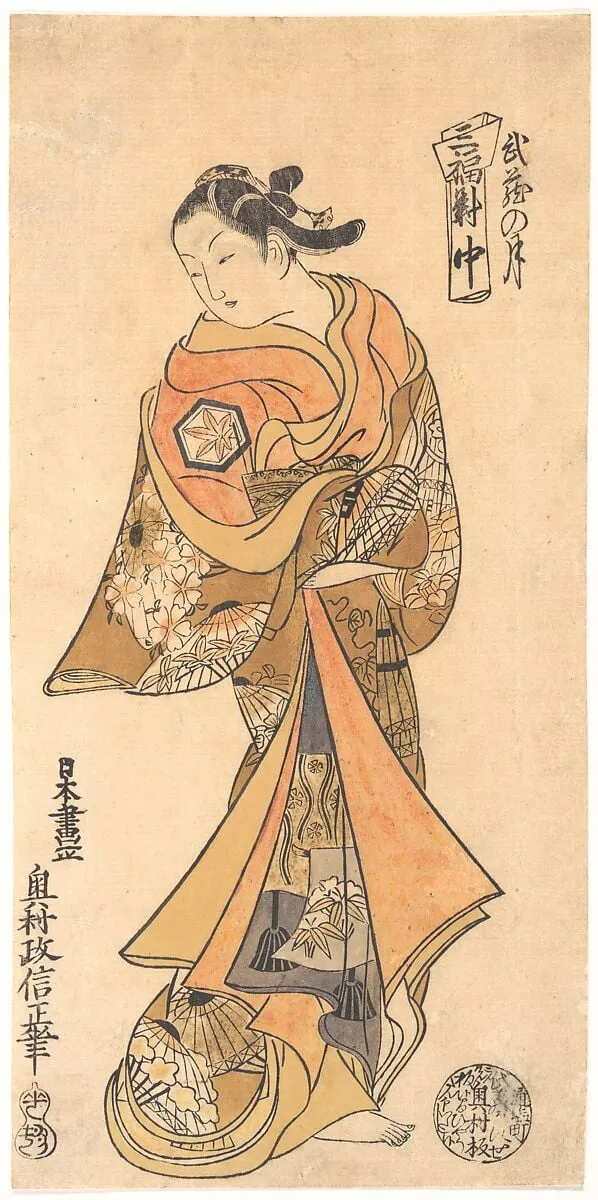
Sanpuku Tsui|Moon in Musashi Province is an ink print by the Baroque artist Okumura Masanobu. It dates from 1740 and is held in the collection of the Metropolitan Museum of Art.
About this work
Overview
Sanpuku Tsui|Moon in Musashi Province is the central panel of a triptych woodblock print by Okumura Masanobu, dated around 1740. Executed in ink and color with tan-e pigment, it exemplifies early Edo-period ukiyo-e. The work is part of The Metropolitan Museum of Art’s collection and reflects the era’s growing interest in intimate, everyday scenes rendered through refined printmaking techniques.
Subject & Meaning
The subdued setting and restrained posture evoke a mood of solitary reflection, common in literary and visual depictions of moonlit nights.
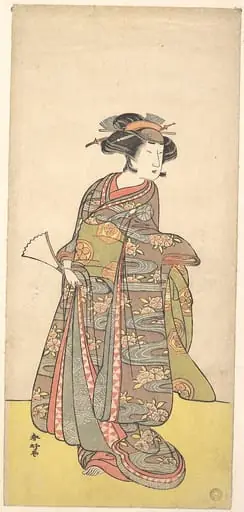
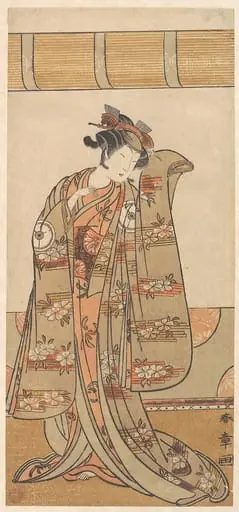
The image depicts a woman in a kimono, her head bowed slightly, holding a fan. Barefoot and with hair neatly gathered, she appears in quiet contemplation. The floral and fan motifs on her garment suggest seasonal references and poetic associations with moon-viewing traditions. The subdued setting and restrained posture evoke a mood of solitary reflection, common in literary and visual depictions of moonlit nights.
Technique & Style
Masanobu employed woodblock printing with applied color, including tan-e—a metallic pigment made from lead white and glue—to add subtle luminosity to the fabric patterns. The design balances intricate textile details with a minimalist background, emphasizing the figure’s form. Lines are clean and deliberate, and the color palette remains restrained, favoring soft tones over bold contrasts, characteristic of early ukiyo-e aesthetics.
History & Provenance
Created in the 1740s, the print belongs to Masanobu’s mature period, when he was experimenting with multi-panel compositions and domestic themes. It entered The Metropolitan Museum of Art’s collection through documented acquisitions of Japanese prints in the early 20th century. The triptych format was popular among urban patrons seeking decorative yet narrative art for private spaces.
Context
This work emerged during a time when ukiyo-e was shifting from theatrical subjects to scenes of daily life and natural beauty. Moon-viewing, or tsukimi, was a cultivated seasonal practice among Edo elites, often linked to poetry and quiet introspection. Masanobu’s focus on a solitary woman aligns with this cultural trend, moving away from kabuki actors toward more personal, lyrical imagery.
Legacy
Though not widely reproduced, Sanpuku Tsui exemplifies the transition in ukiyo-e toward psychological nuance and refined composition. Masanobu’s use of pattern and tone influenced later artists who explored domestic interiors and feminine subjects. The print remains a quiet but significant artifact of 18th-century Japanese print culture, illustrating the genre’s capacity for subtlety beyond spectacle.
Artist & collection
Artist
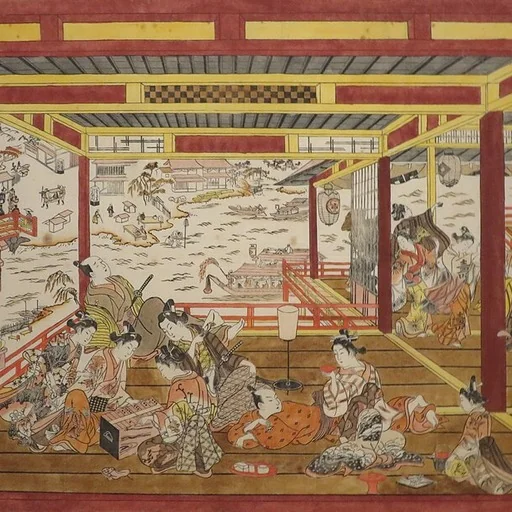
Okumura Masanobu lived in Edo (now Tokyo) when the city was a flashy, fast-growing hub of theater, gossip, and new ideas.

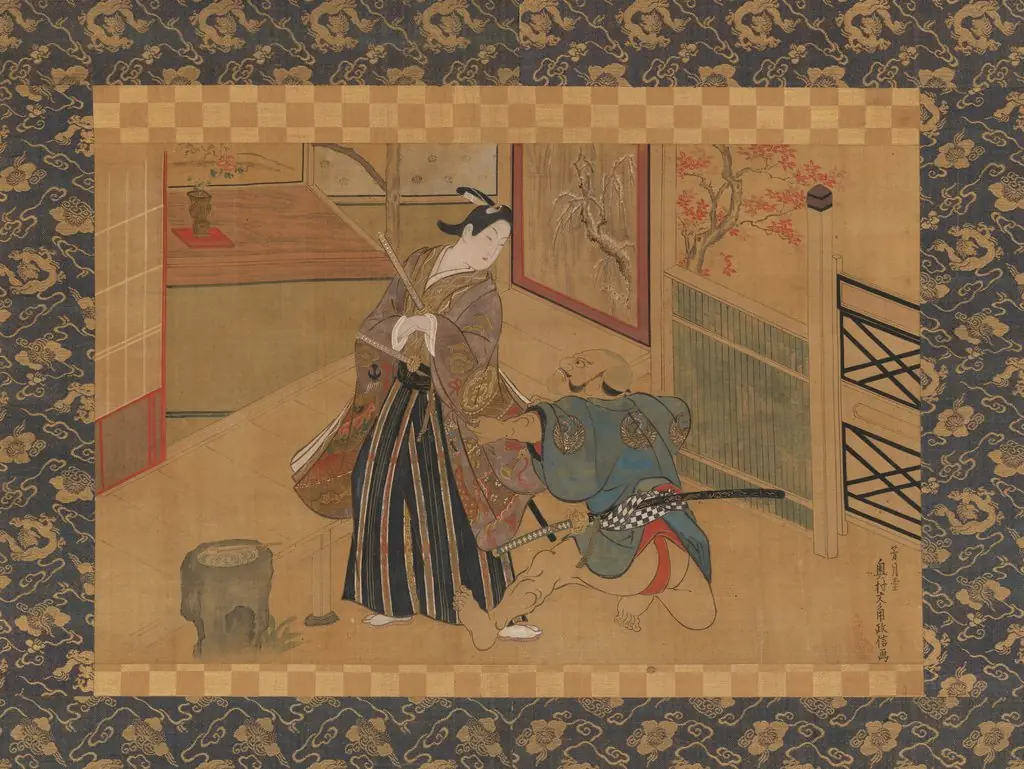 Kabuki Play Kusazuribiki from the Tales of Soga (Soga monogatari)
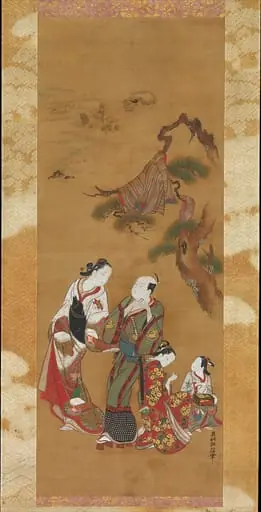 Untitled
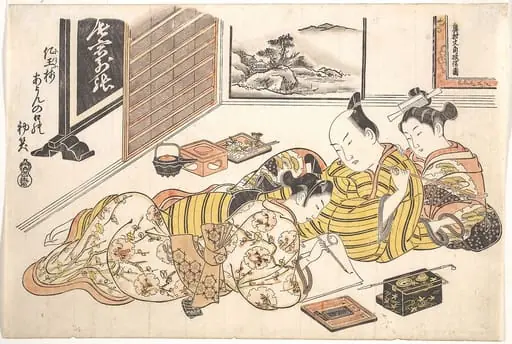 『閨の雛形』 正月|Plate from the Erotic Book Mounds of Dyed Colors: A Pattern Book for the Boudoir (Someiro no yama neya no hinagata), First Month
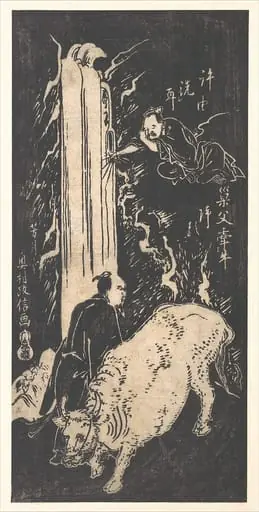 Untitled
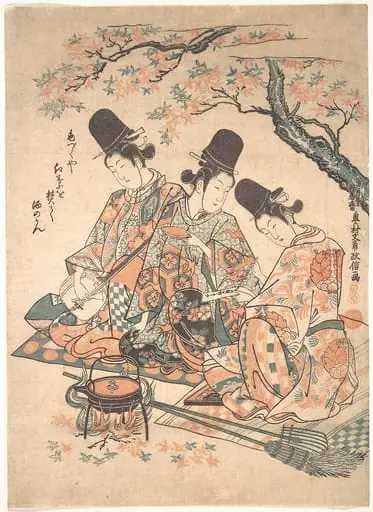 見立『平家物語』 紅葉焚図|Parody of Palace Servants Heating Sake over a Fire of Maple Leaves
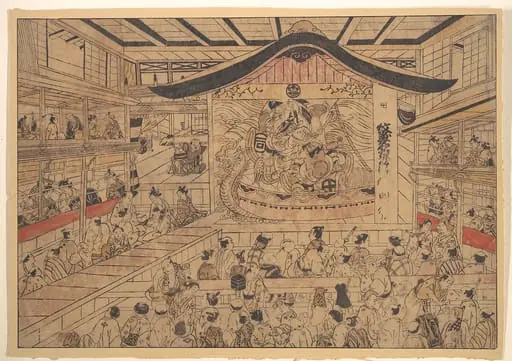 浮絵 「紋尽名古屋曽我」|Perpsective View (uki-e) of a Kabuki Theatre, with a Performance of The Crest Patterns of the Soga Brothers and Nagoya Sanza (Mon-zukushi Nagoya Soga)
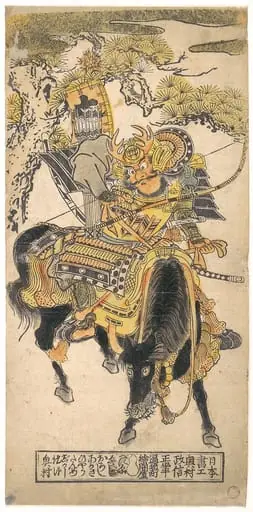 Untitled
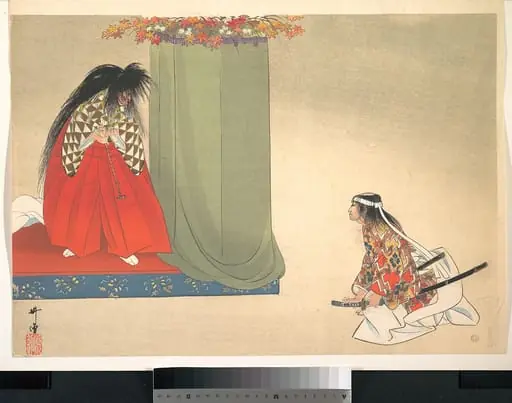 Untitled
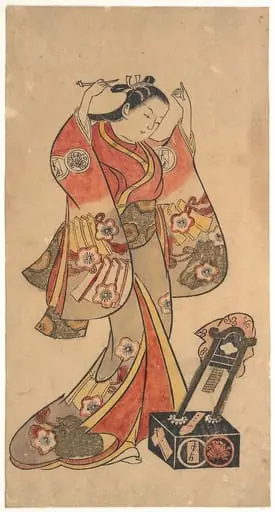 Untitled
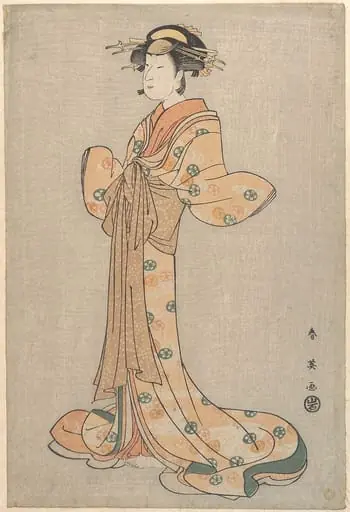 二代目中村二代目中村野塩のお軽|The Actor Nakamura Noshio II as the Courtesan Okaru
 Untitled
 Untitled
 Untitled
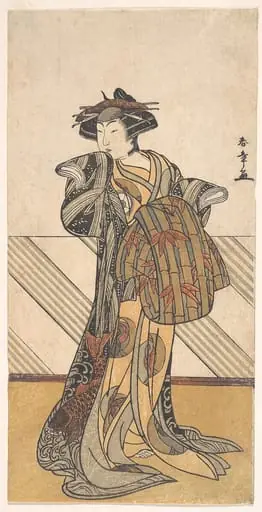 四代目岩井半四郎|Kabuki Actor Iwai Hanshirō IV
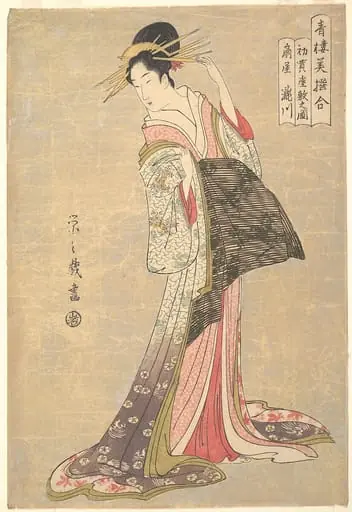 鳥文斎栄之画 「青楼美撰合 初売座敷之図 扇屋滝川」|Takigawa of the Ōgiya Brothel: The First Reception Room Appointment of the New Year (Hatsu-uri zashiki no zu: Ōgiya Takigawa), from the series A Comparison of Selected Beauties of the Pleasure Quarters (Seirō bisen awase)
 Untitled
 Untitled
 Untitled