Artwork
三代目市川八百藏・初代目尾上松助・三代目澤村宗十郎|Kabuki Actors Ichikawa Yaozō III, Onoe Matsusuke I, and Sawamura Sōjūrō III
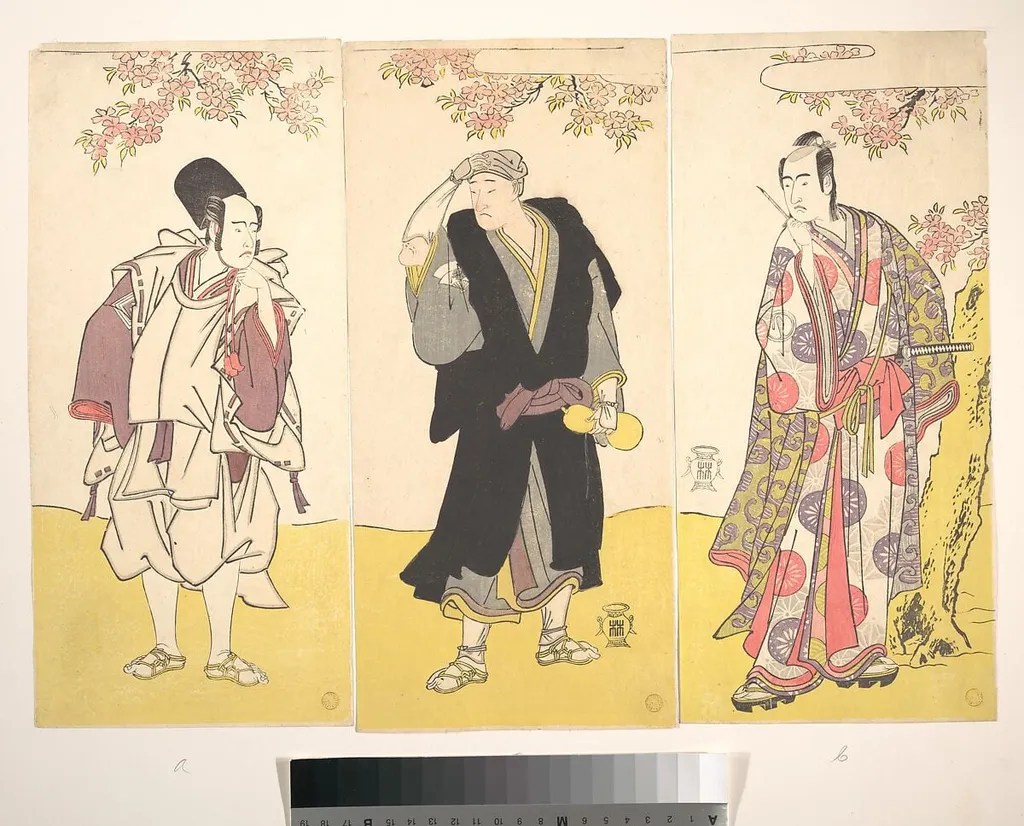
三代目市川八百藏・初代目尾上松助・三代目澤村宗十郎|Kabuki Actors Ichikawa Yaozō III, Onoe Matsusuke I, and Sawamura Sōjūrō III is an ink print by the Romanticist artist Katsukawa Shunshō. It dates from 11 and is held in the collection of the Metropolitan Museum of Art.
About this work
Overview
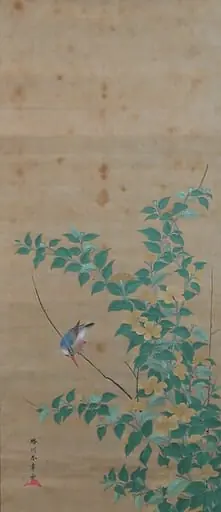
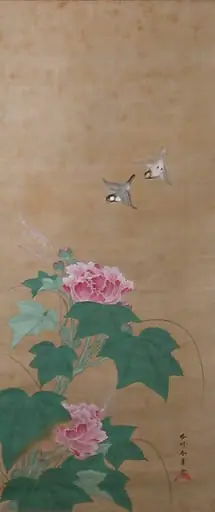
Executed in the nishiki-e technique, the panels are arranged side‑by‑side, their backgrounds sparse save for floating cherry blossoms and a few stylized shrubs.
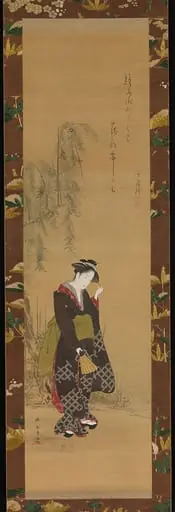
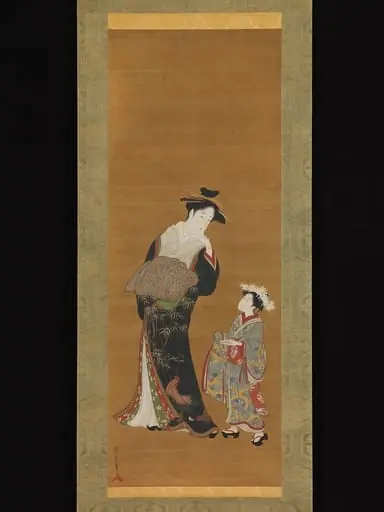
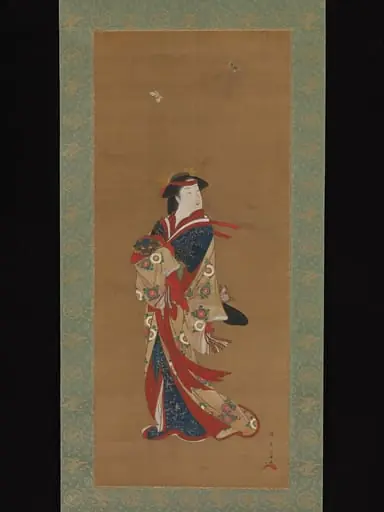
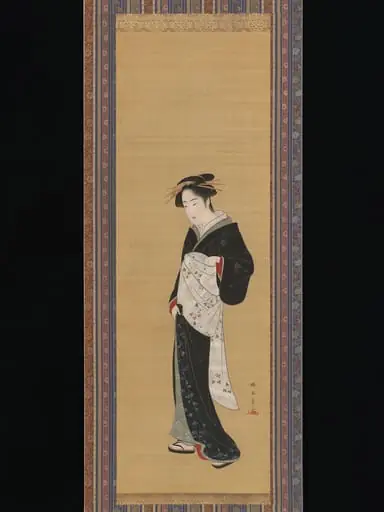
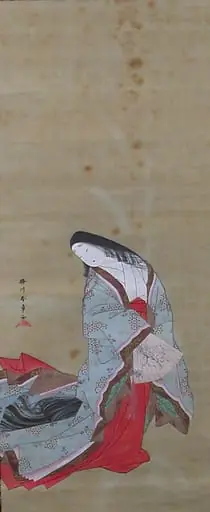
Katsukawa Shunshō’s triptych presents three celebrated kabuki performers—Ichikawa Yaozō III, Onoe Matsusuke I, and Sawamura Sōjūrō III—each rendered in vivid, multicolored woodblock prints. Executed in the nishiki-e technique, the panels are arranged side‑by‑side, their backgrounds sparse save for floating cherry blossoms and a few stylized shrubs. The work is part of the Metropolitan Museum of Art’s collection.
Subject & Meaning
The three figures are depicted in elaborate stage costumes that signal their theatrical roles. The central actor, holding a fan and a fan case, rests a hand on his head, suggesting a moment of contemplation or inner conflict. The surrounding poses—one in a stark red‑black ensemble, the other in a richly patterned robe with a sword—serve as visual cues to the characters they portray, functioning as promotional imagery for upcoming performances.
Technique & Style
Created using the multicolor nishiki-e process, the print combines carved woodblocks for each hue with hand‑applied ink to achieve bright, saturated tones. Shunshō’s line work is precise, delineating intricate costume details and facial expressions. The composition balances flat decorative elements, such as the cherry blossoms, with a subtle sense of depth achieved through overlapping figures and minimal background foliage.
History & Provenance
The triptych dates from the late eighteenth century, a period when kabuki actors were frequently celebrated in ukiyo‑e prints. Katsukawa Shunshō, a leading figure of the Katsukawa school, produced the work as part of a series of actor portraits intended for public distribution. The pieces entered the Metropolitan Museum of Art’s collection through a 20th‑century acquisition of Japanese prints.
Context
During the Edo period, woodblock prints served as both popular entertainment and advertising for theatrical productions. Actors like Ichikawa Yaozō III, Onoe Matsusuke I, and Sawamura Sōjūrō III were cultural icons, and their likenesses were widely circulated to attract audiences. The inclusion of seasonal motifs such as cherry blossoms aligns the prints with contemporary aesthetic conventions that linked performance with the natural world.
Artist & collection
Artist
Katsukawa Shunshō spent his life in Edo (now Tokyo), where the city’s teahouses and theaters buzzed with energy.