Artwork
Untitled
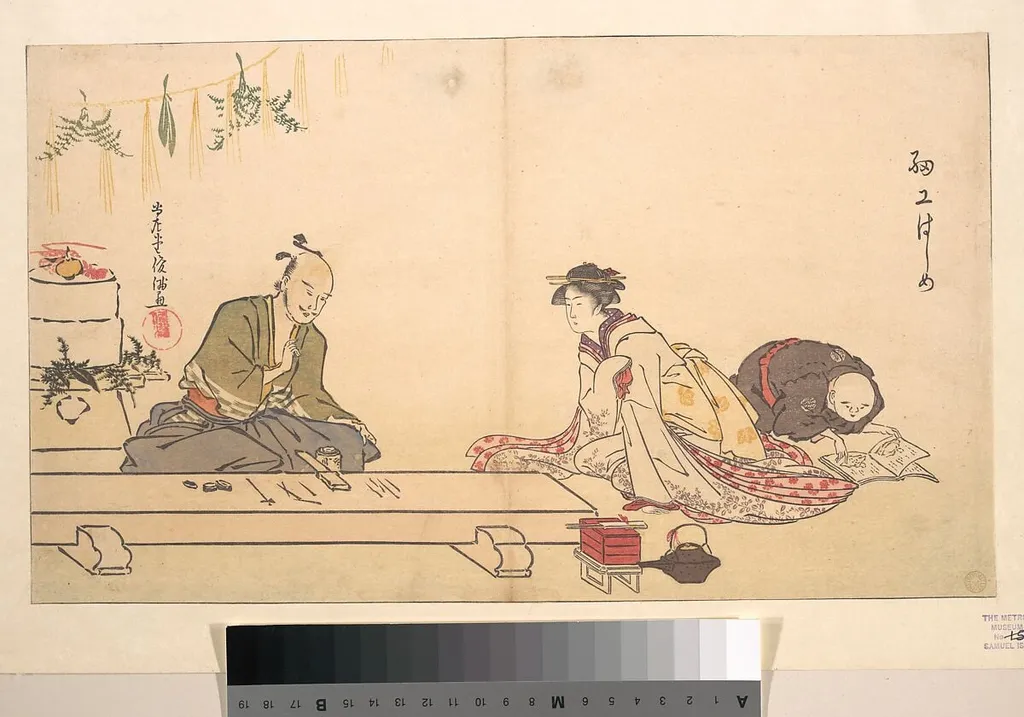
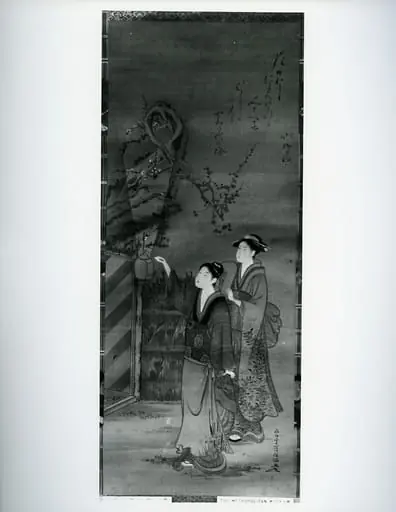
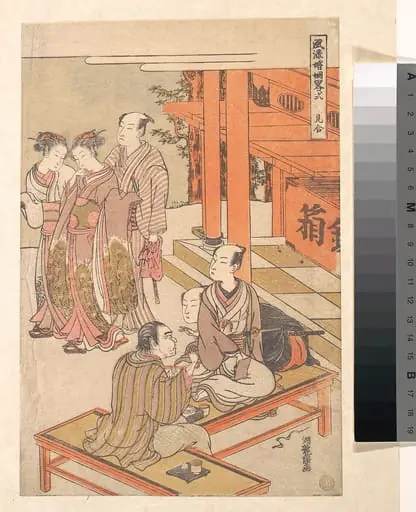
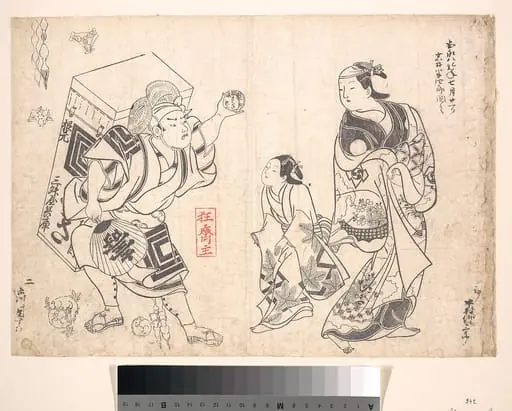
Untitled is an ink print by the Romanticist artist Kubo Shunman. It dates from 1790 and is held in the collection of the Metropolitan Museum of Art.
About this work
Overview
The composition captures two figures in a modest interior, their gestures and surroundings suggesting a moment of stillness amid daily routines.
Created around 1790, this woodblock print by Kubo Shunman is a quiet depiction of domestic life, rendered in ink and color on paper. It resides in The Metropolitan Museum of Art’s collection of Japanese prints. The composition captures two figures in a modest interior, their gestures and surroundings suggesting a moment of stillness amid daily routines. The work exemplifies the Edo-period interest in intimate, unidealized scenes.
Subject & Meaning
The scene portrays a man engaged in writing or drawing, seated beside a table bearing tea and fruit, while a woman reclines nearby, her arm supporting her as a child sleeps at her side. The presence of drying herbs and sparse foliage hints at a home attuned to natural rhythms. No dramatic narrative is present; instead, the image conveys a sense of tranquil coexistence, valuing quiet domesticity over spectacle.
Technique & Style
Shunman employed fine, controlled lines and muted pigments to evoke texture and atmosphere. Subtle cross-hatching models light and shadow without heavy contrast, lending depth to the figures and furnishings. The soft color palette—delicate washes of gray, ochre, and green—enhances the calm mood. The composition is deliberately uncluttered, with attention to posture and spatial relationships to suggest intimacy.
History & Provenance
The print is attributed to Kubo Shunman, an Edo-period artist known for his genre scenes and illustrations. It entered The Metropolitan Museum of Art’s collection through documented acquisitions of Japanese prints in the early 20th century. While its exact early ownership is unclear, its preservation reflects growing Western interest in ukiyo-e and everyday Japanese life during the Meiji era.
Context
Produced during the late 18th century, the print aligns with a broader trend in ukiyo-e that moved beyond kabuki actors and courtesans to depict ordinary people in private moments. Artists like Shunman contributed to this shift, reflecting urban Edo’s expanding middle class and their appreciation for domestic tranquility. Such works often circulated as affordable art, accessible beyond elite circles.
Legacy
Though not widely known outside specialist circles, this print contributes to the understanding of Edo-period visual culture beyond its more famous subjects. Its emphasis on stillness and domestic harmony influenced later generations of printmakers interested in quiet realism. Today, it stands as a quiet testament to the artistic value placed on unremarkable, yet deeply human, moments.
Artist & collection


 Untitled
 Untitled
 Untitled
 Untitled
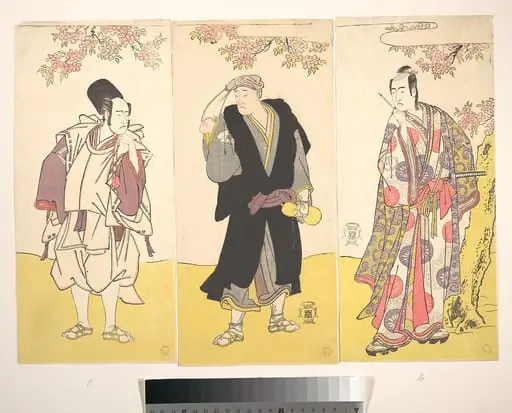 三代目市川八百藏・初代目尾上松助・三代目澤村宗十郎|Kabuki Actors Ichikawa Yaozō III, Onoe Matsusuke I, and Sawamura Sōjūrō III
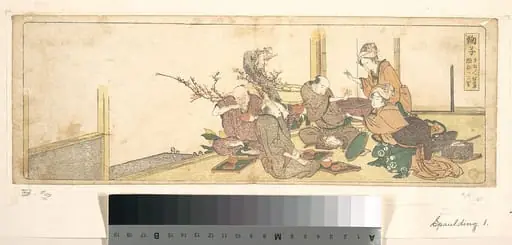 鞠子|Mariko
 Untitled
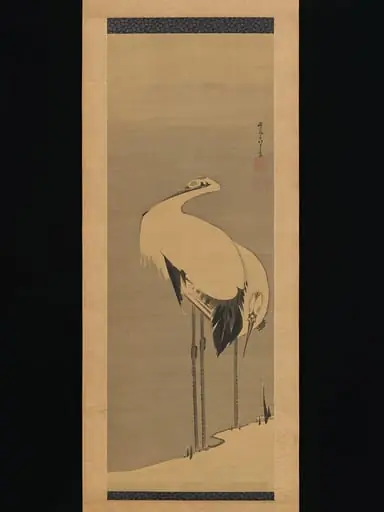 Untitled
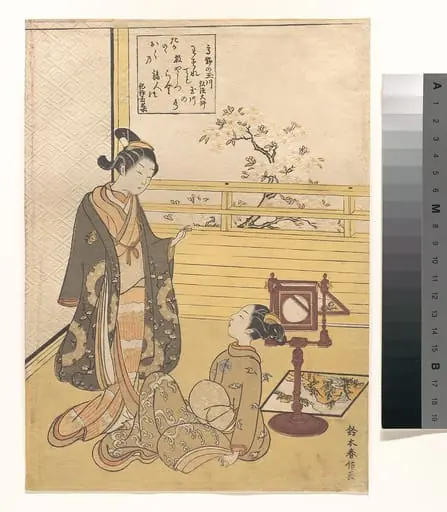 鈴木春信画 覗き絡繰り・「高野の玉川 弘法大師」|A Teenage Boy and Girl with a Viewer for an Optique Picture (Nozoki-karakuri); Kōbō Daishi’s Poem on the Jewel River of Kōya (Kōya no Tamagawa: Kōbō Daishi)
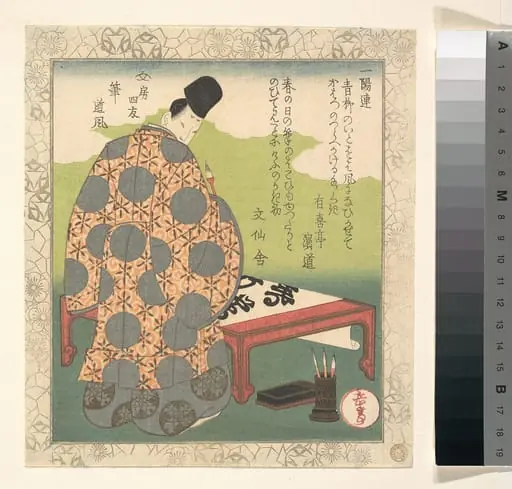 Untitled
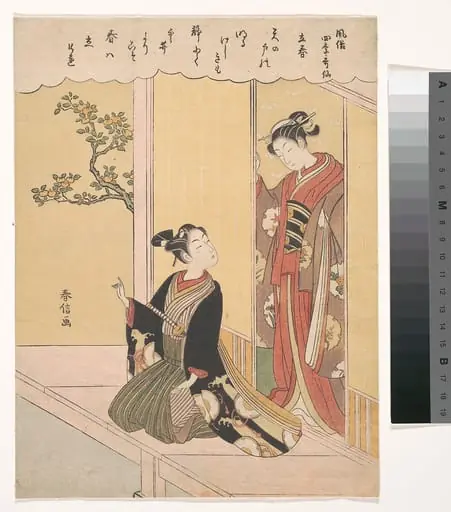 鈴木春信画「風俗四季歌仙 立春」|The First Day of Spring (Risshun), from the series Fashionable Poetic Immortals of the Four Seasons (Fūzoku shiki Kasen)
 Untitled