Artwork
Untitled
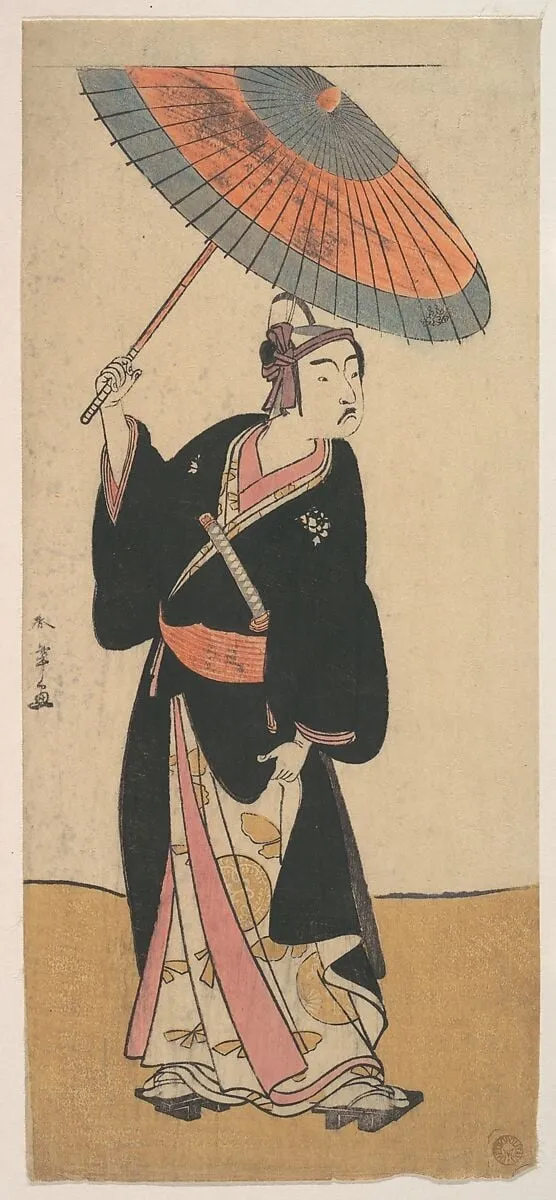
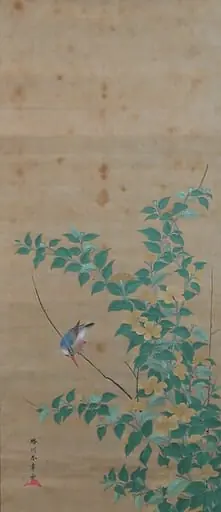
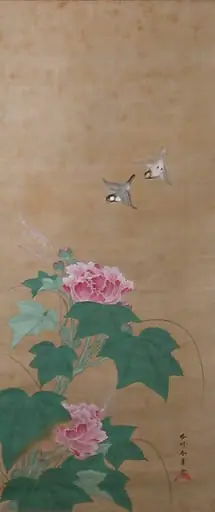
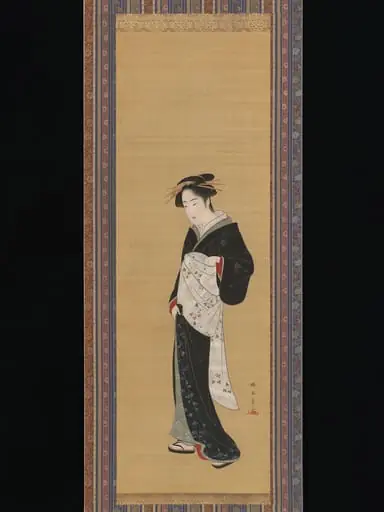
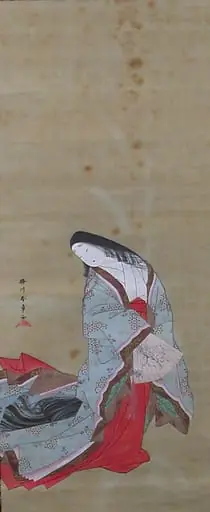
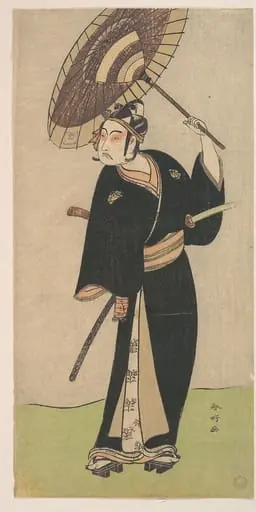
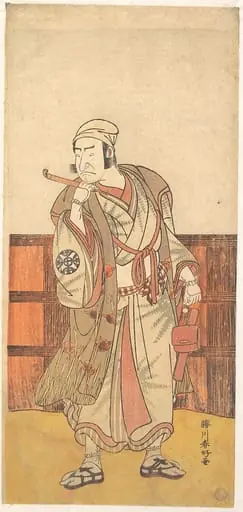
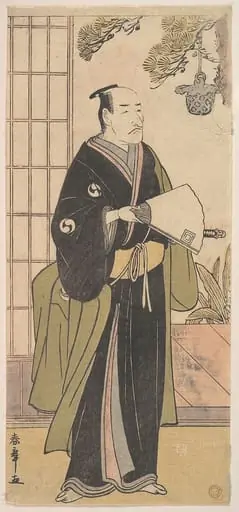
Untitled is an ink print by the Romanticist artist Katsukawa Shunshō. It dates from 1784 and is held in the collection of the Metropolitan Museum of Art.
About this work
Overview
The composition features a solitary male figure rendered with strong outlines and limited but vivid pigments, emphasizing form over atmospheric detail.
This woodblock print, dated 1784, is attributed to Katsukawa Shunshō and executed in the nishiki-e technique, using ink and color on paper. It is part of the collection at The Metropolitan Museum of Art. The composition features a solitary male figure rendered with strong outlines and limited but vivid pigments, emphasizing form over atmospheric detail. The print reflects the ukiyo-e tradition’s focus on stylized human figures and symbolic accessories.
Subject & Meaning
The figure is depicted in a dark robe adorned with red and gold accents, holding a staff and a brightly colored umbrella. His serious expression and formal attire suggest a figure of authority or ritual significance, possibly a religious ascetic, scholar, or court official. The umbrella and staff may symbolize travel, protection, or spiritual authority, though no specific narrative is documented. The ambiguity invites contemplation rather than storytelling.
Technique & Style
Shunshō employs bold, flat areas of color and precise linework characteristic of late Edo-period woodblock printing. The umbrella’s ribs are rendered with sharp, radiating strokes, resembling a fan’s structure, adding rhythmic tension. Cross-hatching subtly suggests volume without modeling, preserving the print’s graphic clarity. The limited palette—black, red, gold—enhances visual impact while adhering to the aesthetic restraint common in Shunshō’s portraiture.
History & Provenance
The print was produced in 1784 during Shunshō’s mature period, when he was known for actor portraits and refined depictions of elite figures. It entered The Metropolitan Museum of Art’s collection through documented acquisitions in the 20th century, though its earlier ownership history remains unrecorded. As an unsigned work, its attribution relies on stylistic analysis consistent with Shunshō’s known output from this era.
Context
Created during the height of ukiyo-e’s popularity, this print reflects a shift from theatrical subjects to more introspective, dignified figures. While many prints of the time celebrated kabuki actors or courtesans, Shunshō’s work often explored quieter, authoritative personas. This piece aligns with a broader trend among artists to elevate everyday or ceremonial roles through formal composition and restrained color.
Legacy
Though less widely recognized than Shunshō’s actor prints, this work exemplifies his skill in conveying presence through minimal means. Its influence is seen in later ukiyo-e artists who favored symbolic stillness over narrative action. As a representative of non-theatrical portraiture in woodblock printing, it contributes to understanding the diversity of Edo-period visual culture beyond popular entertainment.
Artist & collection
Artist
Katsukawa Shunshō spent his life in Edo (now Tokyo), where the city’s teahouses and theaters buzzed with energy.