Artwork
Untitled
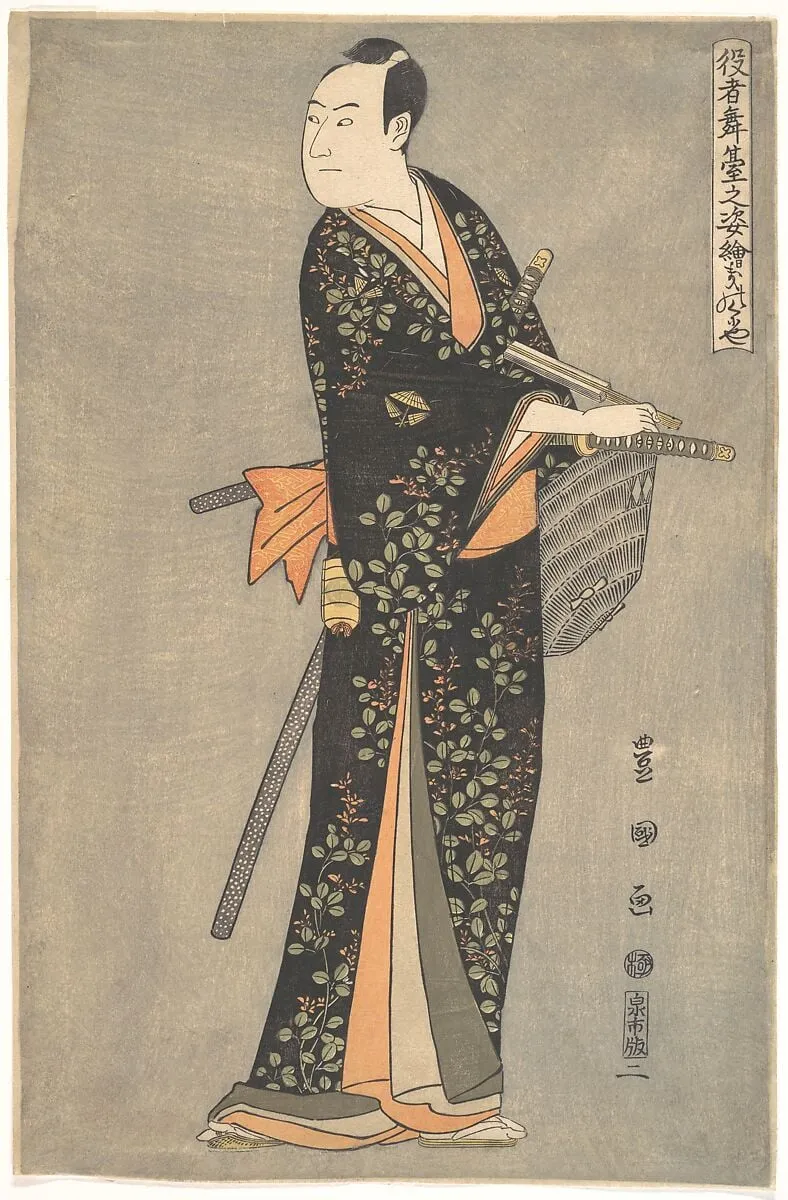
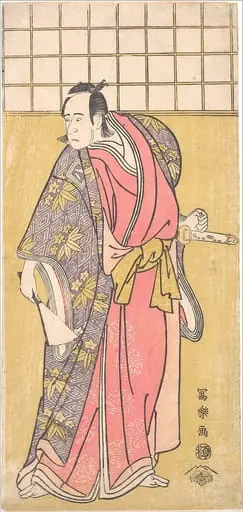
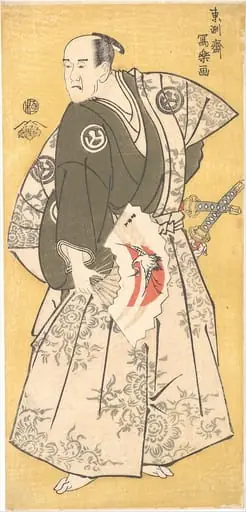
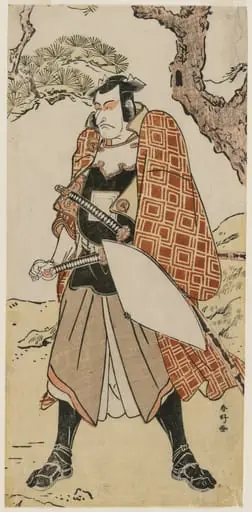
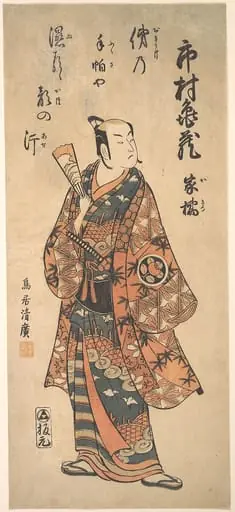
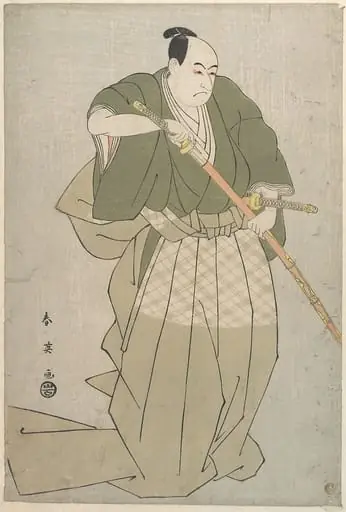
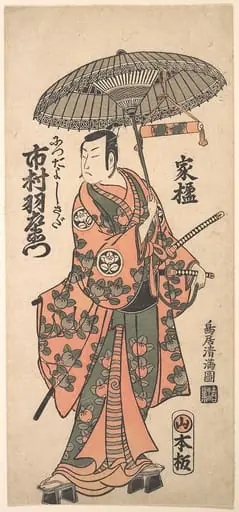
Untitled is an ink print by the Romanticist artist Utagawa Toyokuni I. It dates from 1794 and is held in the collection of the Metropolitan Museum of Art.
About this work
Overview
This woodblock print, dated around 1794, is attributed to Utagawa Toyokuni I, a leading artist of the Utagawa school.
This woodblock print, dated around 1794, is attributed to Utagawa Toyokuni I, a leading artist of the Utagawa school. Executed in ink and color on paper, it belongs to the ukiyo-e tradition of Japanese printmaking. The work is part of the collection at The Metropolitan Museum of Art, where it is cataloged as an untitled portrait. Its composition reflects the refined aesthetic of late 18th-century Edo-period prints.
Subject & Meaning
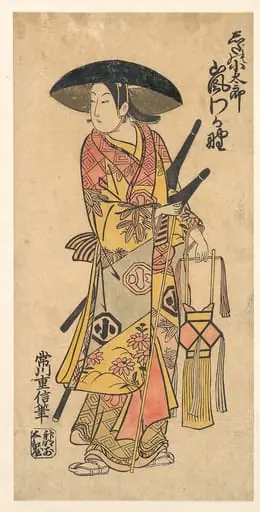
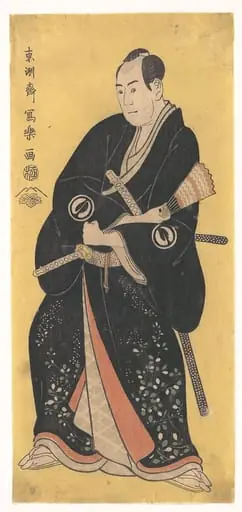
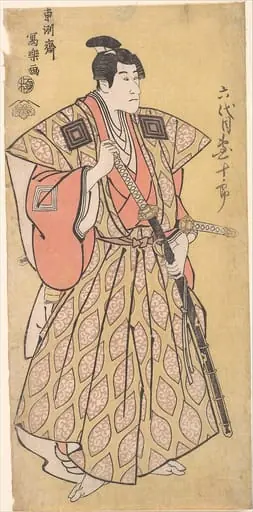
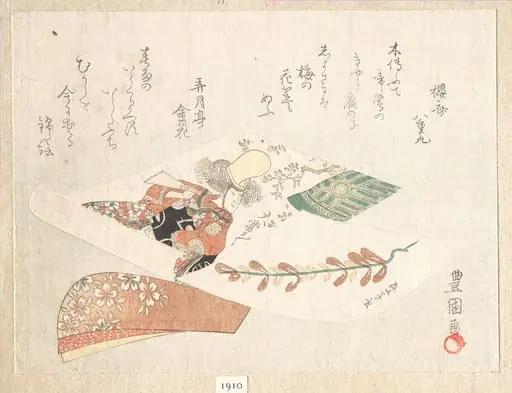
The figure depicted is a man dressed in a formal kimono, holding a sword and a basket, suggesting a samurai or a figure of social standing. His serious gaze and restrained posture convey dignity and composure. The objects he carries may imply readiness for duty or a journey, though no specific narrative is confirmed. The absence of contextual details invites contemplation rather than storytelling.
Technique & Style
Toyokuni employed precise line work and layered color to define the figure’s form and attire. The kimono features a black ground with stylized green foliage and orange highlights, applied through hand-coloring over carved woodblocks. The background is a muted brown, enhancing the figure’s presence without distraction. The hair is rendered with fine, controlled strokes, emphasizing texture and order. The style is characteristic of Toyokuni’s focus on expressive portraiture within the ukiyo-e framework.
History & Provenance
Created during the height of Toyokuni’s career, the print likely circulated among urban Edo elites as a collectible image. It entered The Metropolitan Museum of Art’s collection through documented acquisitions in the 20th century. No earlier provenance is publicly recorded, but its condition and style align with prints produced in the 1790s, a period of prolific output for the Utagawa workshop.
Context
This print emerged during a time when ukiyo-e artists increasingly portrayed historical and warrior figures alongside actors and beauties. While not tied to a specific play or literary source, it reflects the popular fascination with samurai ideals in Edo society. The restrained palette and minimal background reflect a shift toward subtlety in portraiture, distinct from the more theatrical compositions of earlier decades.
Legacy
Toyokuni’s work influenced generations of printmakers, helping to standardize the format of actor and warrior portraits in ukiyo-e. Though this particular image lacks a known title or series affiliation, it exemplifies his ability to convey character through posture and detail. It remains a representative example of late 18th-century Japanese printmaking, studied for its technical precision and quiet intensity.
Artist & collection

Artist
Toyokuni was a born showman who made sure the energy of Edo’s kabuki stage never faded on paper.

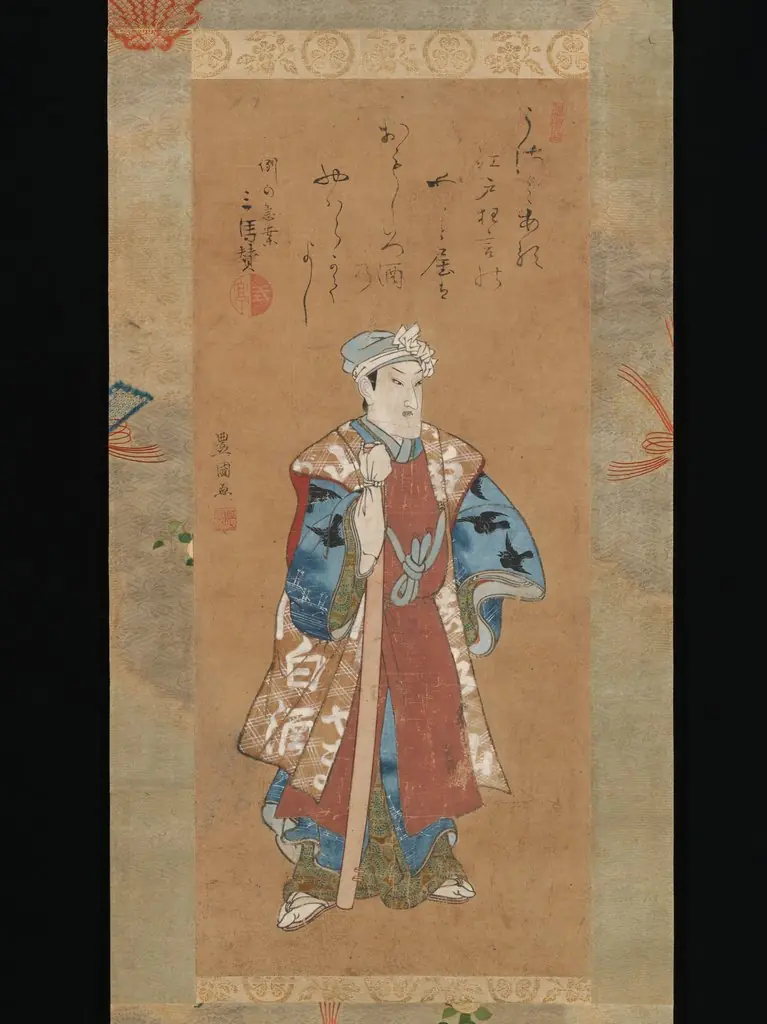 Bandō Mitsugorō II as Shinbei in the Kabuki Play "Sukeroku"
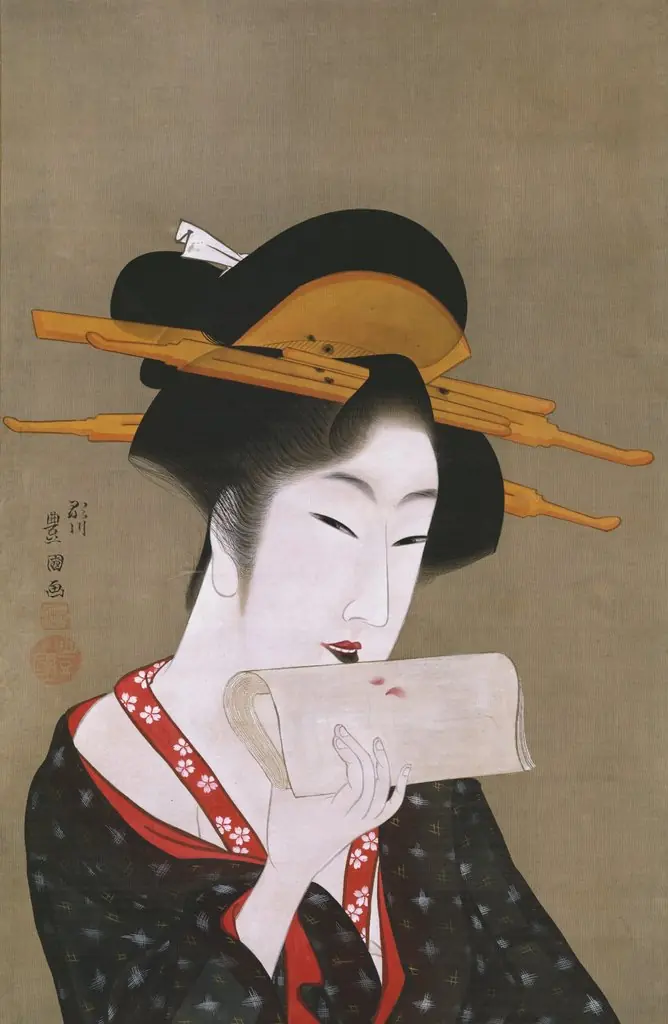 Beauty Blotting Her Lip Rouge
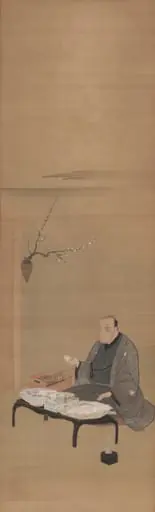 Portrait of Kinokuniya Bunzaemon
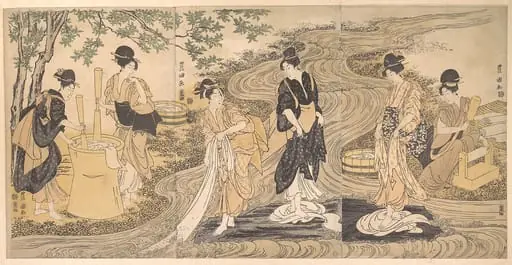 Untitled
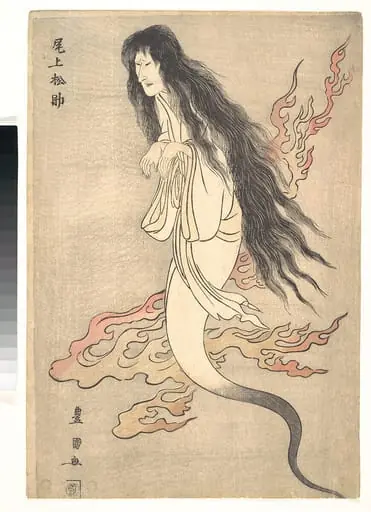 Tokaido Yotsuya Kaidan|Onoe Matsusuke as the Ghost of the Murdered Wife Oiwa, in "A Tale of Horror from the Yotsuya Station on the Tokaido Road"
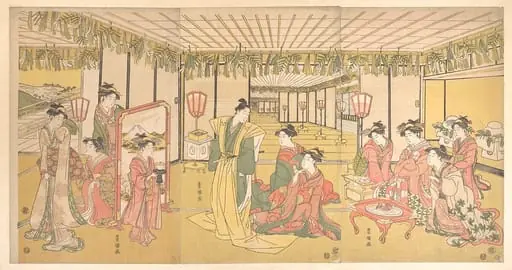 Untitled
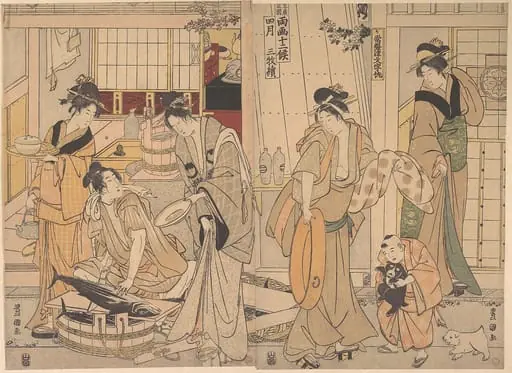 Untitled
 娘道成寺図の錦絵|Print of a Kabuki Dancer from the Maiden of the Dōjōji Temple (Musume Dōjōji)