Artwork
冨嶽三十六景 甲州三島越|Mishima Pass in Kai Province (Kōshū Mishima goe), from the series Thirty-six Views of Mount Fuji (Fugaku sanjūrokkei)
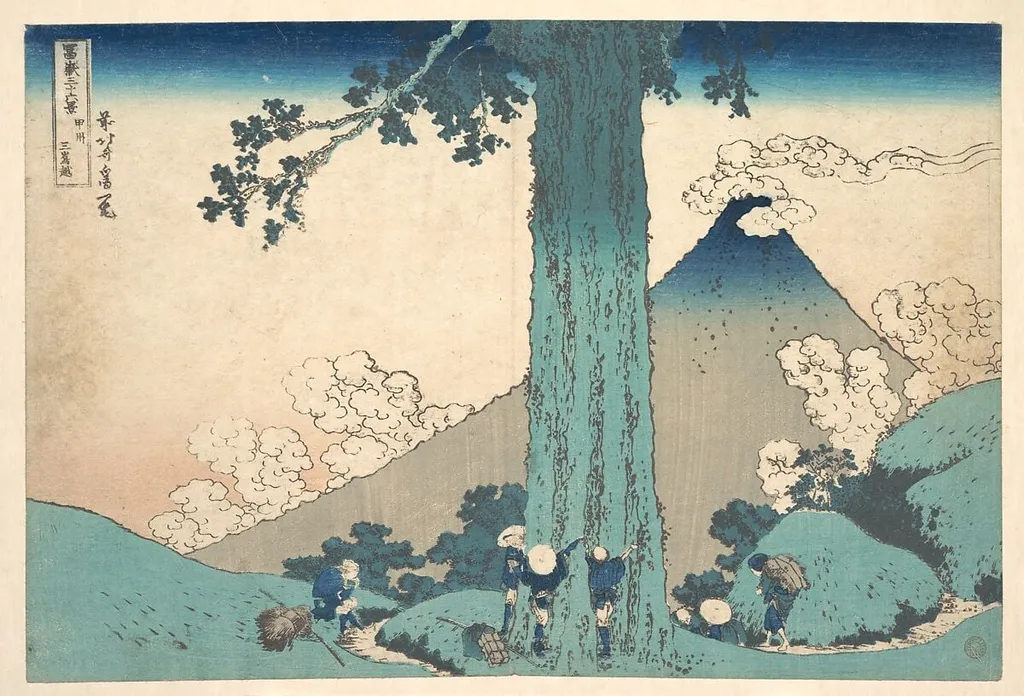
冨嶽三十六景 甲州三島越|Mishima Pass in Kai Province (Kōshū Mishima goe), from the series Thirty-six Views of Mount Fuji (Fugaku sanjūrokkei) is an ink print by the Japonisme artist Katsushika Hokusai. It dates from 1831 and is held in the collection of the Metropolitan Museum of Art.
About this work
Overview
Created around 1831 by the Japanese printmaker Katsushika Hokusai, this woodblock print belongs to his celebrated series Thirty‑six Views of Mount Fuji. Executed with ink and color on paper, the image depicts a winter scene at Mishima Pass in the former Kai Province. The work is part of the collection of the Metropolitan Museum of Art in New York.
Subject & Meaning
The composition centers on a solitary pine tree rising from a snow‑covered landscape, its twisted branches drawing the eye upward toward a distant, snow‑capped Mount Fuji. Below, three travelers bearing bundles traverse a quiet forest, suggesting the hardships of travel in winter and the enduring presence of nature’s landmarks.
Technique & Style
Hokusai employs bold, flat areas of color and simplified geometric forms to convey depth, while the pine’s sharply angled limbs serve as visual guides. Subtle cross‑hatching within the foliage and snow adds texture, illustrating the artist’s skill in rendering surface qualities through line work typical of ukiyo‑e prints.
History & Provenance
Printed as part of the Thirty‑six Views of Mount Fuji, the piece was produced in the late Edo period, a time when woodblock publishing flourished. It entered the Metropolitan Museum of Art’s holdings through acquisition in the early twentieth century, where it remains on display as an example of Hokusai’s landscape oeuvre.
Context
The Mishima Pass view reflects Hokusai’s interest in portraying familiar travel routes and seasonal variations across Japan. By integrating a recognizable landmark—Mount Fuji—with everyday figures, the print aligns with the broader ukiyo‑e tradition of documenting contemporary life while celebrating the iconic mountain’s cultural significance.
Artist & collection

Artist
Katsushika Hokusai spent his life in Edo, now Tokyo, where he drew and carved prints for a living.

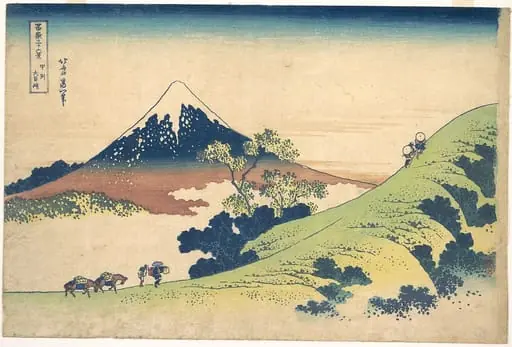 冨嶽三十六景 甲州犬目峠|The Inume Pass in Kai Province (Kōshū Inume tōge), from the series Thirty-six Views of Mount Fuji (Fugaku sanjūrokkei)
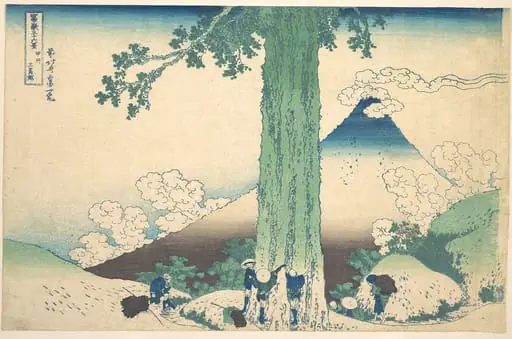 冨嶽三十六景 甲州三島越|Mishima Pass in Kai Province (Kōshū Mishima goe), from the series Thirty-six Views of Mount Fuji (Fugaku sanjūrokkei
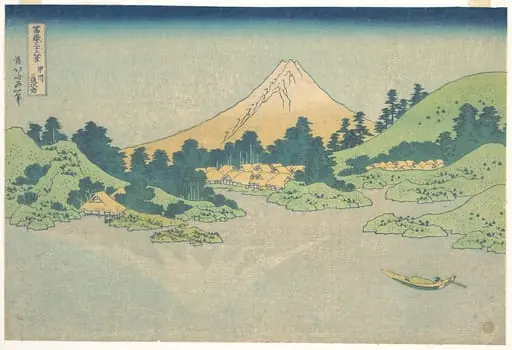 冨嶽三十六景 甲州三坂水面|Reflection in Lake at Misaka in Kai Province (Kōshū Misaka suimen), from the series Thirty-six Views of Mount Fuji (Fugaku sanjūrokkei)
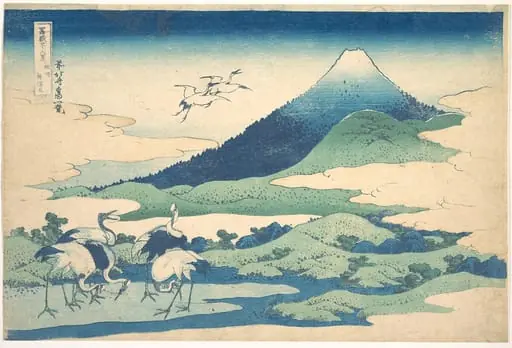 冨嶽三十六景 相州梅沢左|Umezawa Manor in Sagami Province (Sōshū Umezawa zai), from the series Thirty-six Views of Mount Fuji (Fugaku sanjūrokkei)
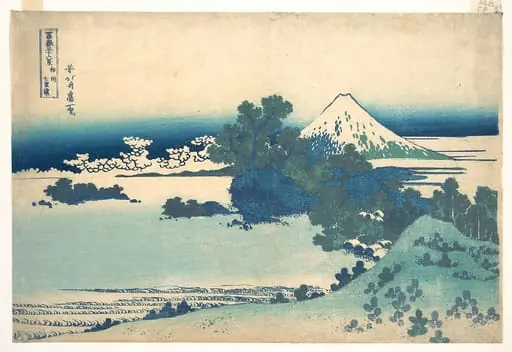 冨嶽三十六景 相州七里浜|Shichirigahama in Sagami Province (Sōshū Shichirigahama), from the series Thirty-six Views of Mount Fuji (Fugaku sanjūrokkei)
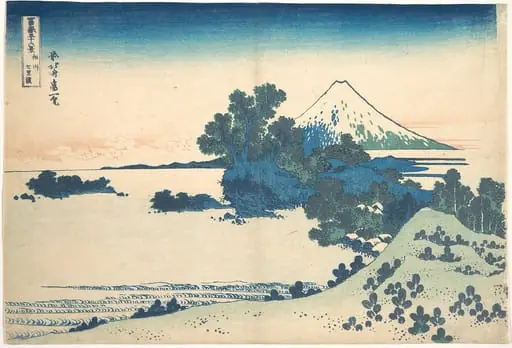 冨嶽三十六景 相州七里浜|Shichirigahama in Sagami Province (Sōshū Shichirigahama), from the series Thirty-six Views of Mount Fuji (Fugaku sanjūrokkei)
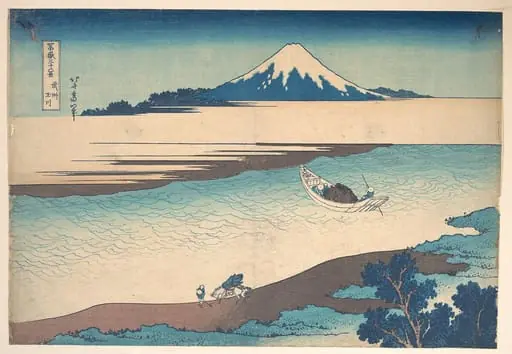 冨嶽三十六景 武州玉川|Fuji—The Tama River, Musashi Province, from the series Thirty-six Views of Mount Fuji (Fugaku sanjūrokkei)
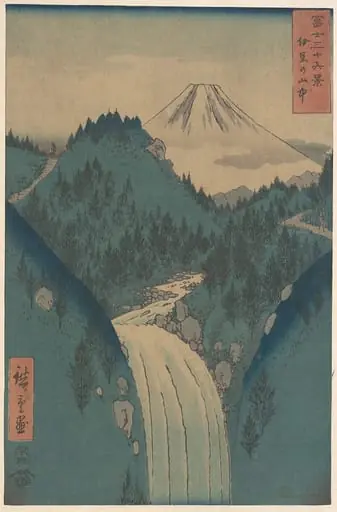 富士三十六景 伊豆の山中|View of Fuji san from the Mountains in the Province of Izu (Izu no Sanchu), from the series Thirty-six Views of Mount Fuji (Fugaku sanjūrokkei)