Artwork
百人一首 うはかゑとき 赤染衛門|Poem by Akazome Emon, from the series One Hundred Poems Explained by the Nurse (Hyakunin isshu uba ga etoki)
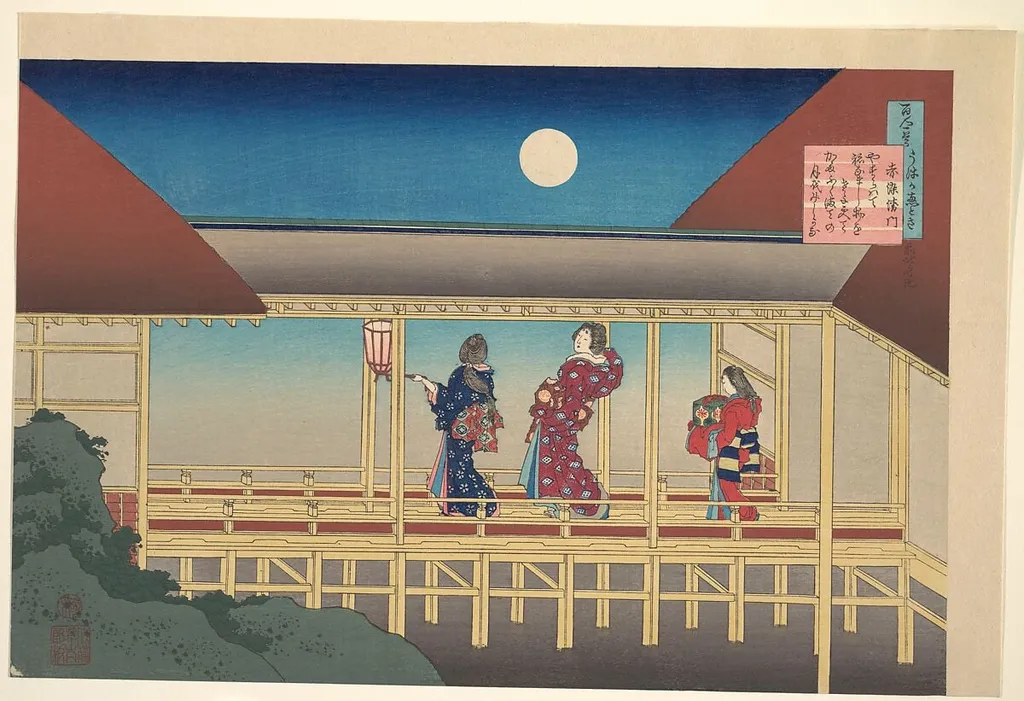
百人一首 うはかゑとき 赤染衛門|Poem by Akazome Emon, from the series One Hundred Poems Explained by the Nurse (Hyakunin isshu uba ga etoki) is an ink print by the Japonisme artist Katsushika Hokusai. It is held in the collection of the Metropolitan Museum of Art.
About this work
Overview
This woodblock print, created in 1921 by the Japanese artist Katsushika Hokusai, illustrates a poem by the Heian‑period poet Akazome Emon. It belongs to the series known as One Hundred Poems Explained by the Nurse, a visual commentary on the classic Hyakunin Isshu anthology. The work is part of the collection of the Metropolitan Museum of Art.
Subject & Meaning
The scene depicts three women in richly patterned garments standing on a night‑time bridge. Their presence evokes the lyrical tone of Akazome Emon’s poem, which reflects on fleeting moments and the passage of time, themes often associated with moonlit settings in classical Japanese poetry.
Technique & Style
Executed in ink and color on paper, the print employs Hokusai’s characteristic use of bold hues—predominantly red, blue, and gold—against a deep blue sky. The composition balances detailed textile patterns with the simplicity of the bridge’s railings, while a paper lantern provides a subtle illumination that defines form through delicate shading.
History & Provenance
Although the series was originally published in the early 19th century, this particular impression dates from 1921, reflecting a later reissue of Hokusai’s designs. The print entered the Metropolitan Museum of Art’s holdings through acquisition in the mid‑20th century, where it remains on view as part of the museum’s Asian art collection.
Context
The Hyakunin Isshu, a compilation of one hundred poems by a hundred poets, was a popular subject for visual interpretation during the Edo period. Hokusai’s series translates the literary content into a visual narrative, aligning each poem with a scene that captures its emotional resonance, a practice common among ukiyo‑e artists.
Artist & collection

Artist
Katsushika Hokusai spent his life in Edo, now Tokyo, where he drew and carved prints for a living.

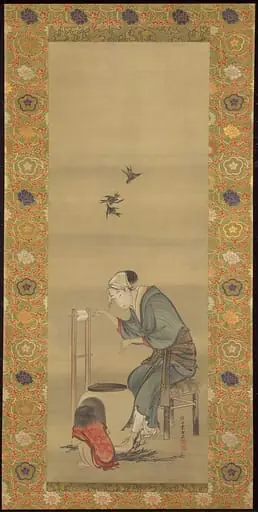
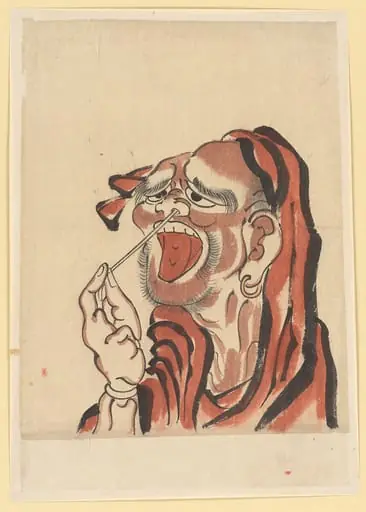
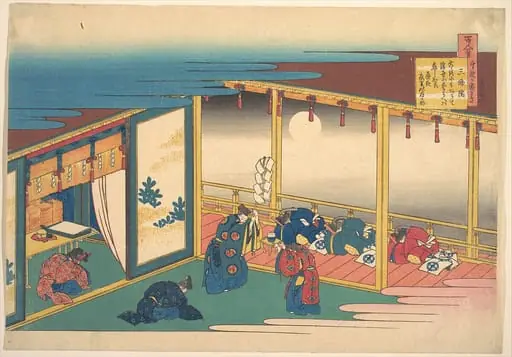 百人一首 うばがゑとき 三条院|Poem by Sanjō-in, from the series One Hundred Poems Explained by the Nurse (Hyakunin isshu uba ga etoki)
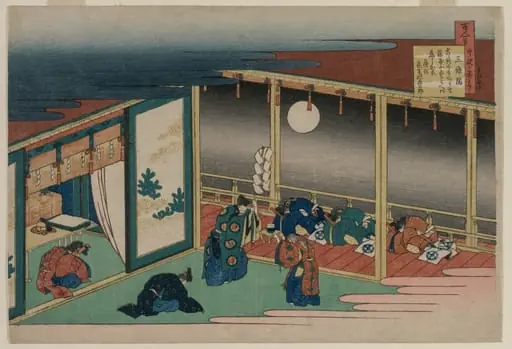 Poem by Emperor Sanjo, from the series One Hundred Poems by One Hundred Poets Explained by an Old Nurse
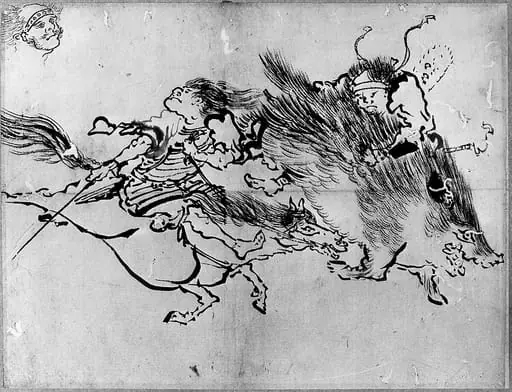
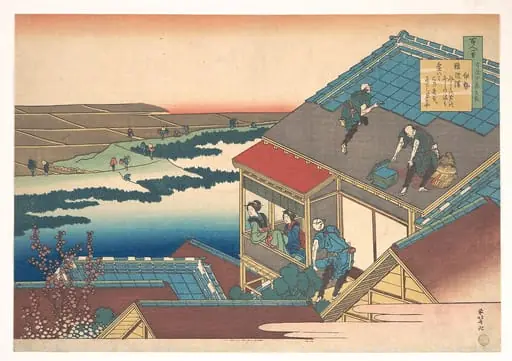 百人一首 うばがゑとき 伊勢|Poem by Ise, from the series One Hundred Poems Explained by the Nurse (Hyakunin isshu uba ga etoki)
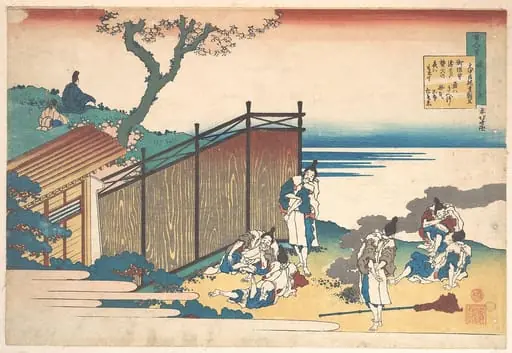 百人一首 姥か恵と起 大中臣能宣朝臣|Poem by Ōnakatomi no Yoshinobu Ason, from the series One Hundred Poems Explained by the Nurse (Hyakunin isshu uba ga etoki)
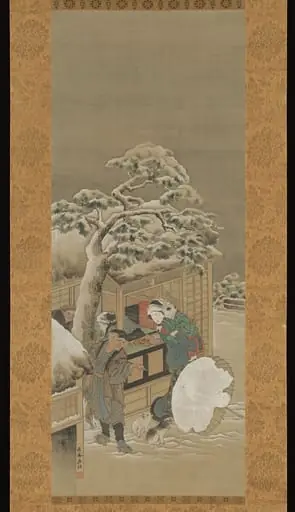
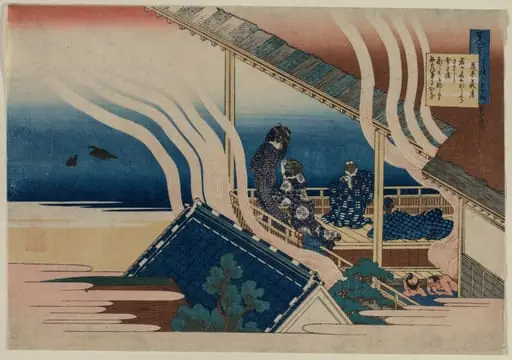 Poem by Fujiwara no Yoshitaka, from the series One Hundred Poems by One Hundred Poets Explained by an Old Nurse
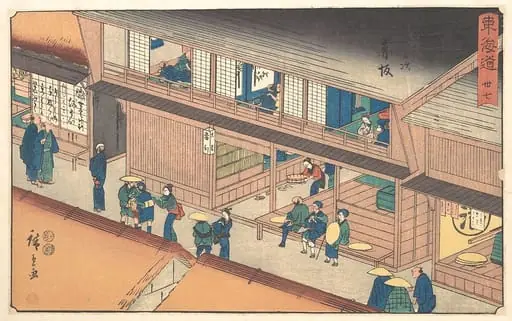 東海道五十三次 赤阪|Akasaka