Artwork
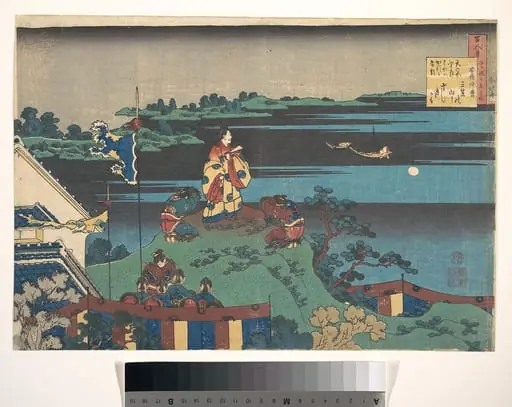
百人一首 乳母か縁説 在原業平|Poem by Ariwara no Narihira, from the series One Hundred Poems Explained by the Nurse (Hyakunin isshu uba ga etoki)
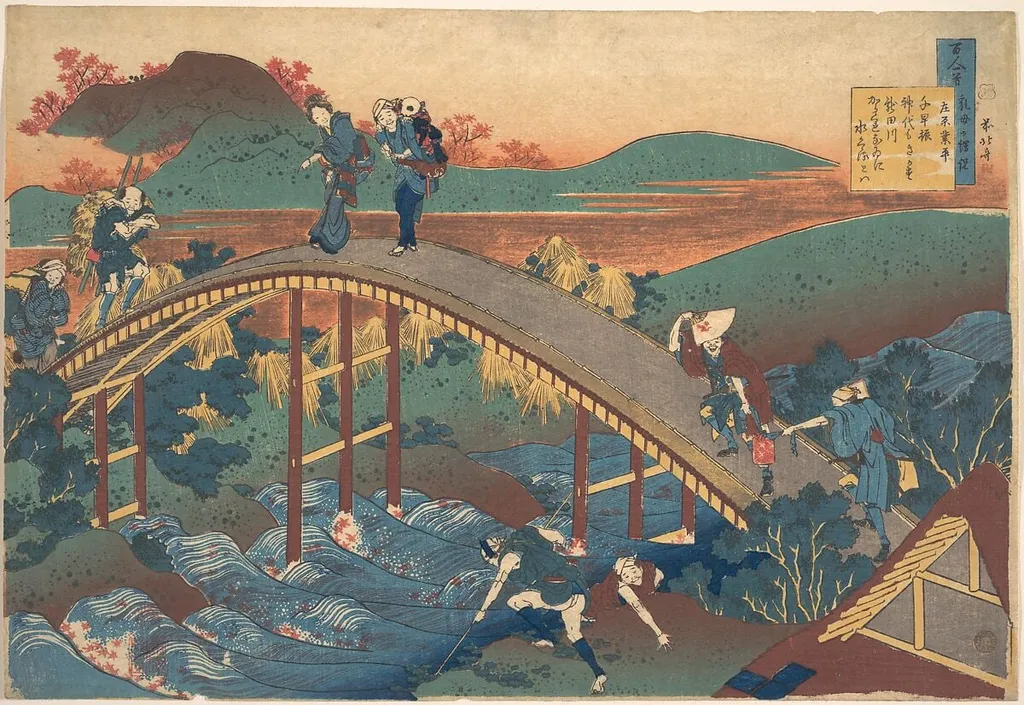
百人一首 乳母か縁説 在原業平|Poem by Ariwara no Narihira, from the series One Hundred Poems Explained by the Nurse (Hyakunin isshu uba ga etoki) is an ink print by the Japonisme artist Katsushika Hokusai. It dates from 1839 and is held in the collection of the Metropolitan Museum of Art.
About this work
Overview
Hokusai’s composition teems with figures engaged in routine activities, reflecting the series’ aim to ground poetic tradition in observable life.
This woodblock print is part of Katsushika Hokusai’s 1839 series One Hundred Poems Explained by the Nurse, which pairs classical waka poetry with everyday scenes. The image captures a moment on a bustling river bridge, rendered in ink and color on paper. Hokusai’s composition teems with figures engaged in routine activities, reflecting the series’ aim to ground poetic tradition in observable life. The Metropolitan Museum of Art holds this example among its Japanese print collection.
Subject & Meaning
The scene illustrates a verse by Ariwara no Narihira, one of the poets in the Hyakunin isshu anthology. A woman in a red skirt assists a person who has fallen into the water beneath the bridge, suggesting a narrative of compassion amid daily chaos. The inclusion of the poem’s theme—often tied to impermanence or human connection—transforms the ordinary into a quiet moral moment, aligning visual detail with literary resonance.
Technique & Style
Hokusai employs fine linear detail and layered washes to convey texture and depth. Cross-hatching defines folds of clothing and the structure of the bridge, while muted blues, greens, and browns create a subdued autumnal palette. The crowded composition, with figures of varying scale and orientation, demonstrates his skill in organizing complex spatial relationships without clutter. The print’s precision reflects ukiyo-e conventions refined through decades of woodblock craftsmanship.
History & Provenance
Produced in 1839 during Hokusai’s late career, this print was part of a commercially successful series commissioned to make classical poetry accessible to a broader public. The publisher likely intended it as an educational tool, blending literacy with visual culture. It entered the Metropolitan Museum of Art’s collection through established acquisition channels in the 20th century, preserving its role as a cultural artifact of Edo-period printmaking.
Context
The Hyakunin isshu anthology, compiled in the 13th century, remained a staple of Japanese education and leisure. By the 19th century, illustrated versions like Hokusai’s were popular among townspeople seeking cultural refinement. The nurse narrator, a fictional guide, frames each poem with relatable domestic scenes, bridging aristocratic verse and urban life. This print reflects a broader trend of democratizing classical literature through accessible visual media.
Legacy
Hokusai’s series contributed to the enduring popularity of the Hyakunin isshu in modern Japan, influencing later illustrators and educators. Its integration of poetry and genre scenes set a precedent for visual storytelling in print culture. While not as widely recognized as his landscapes, this work exemplifies his versatility and deep engagement with literary tradition, securing its place in the history of Japanese printmaking.
Artist & collection

Artist
Katsushika Hokusai spent his life in Edo, now Tokyo, where he drew and carved prints for a living.

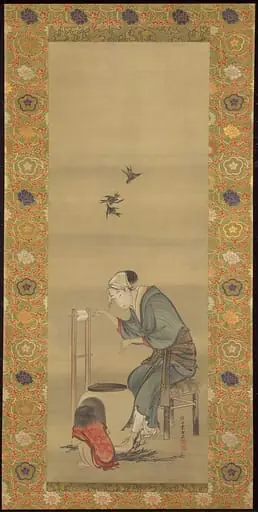
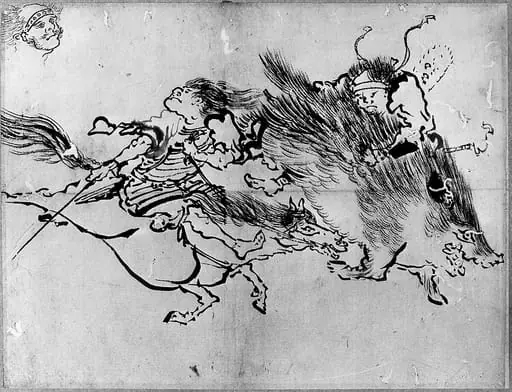
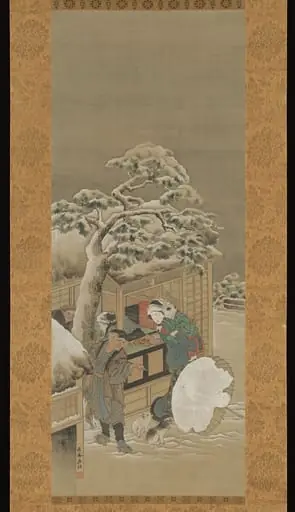
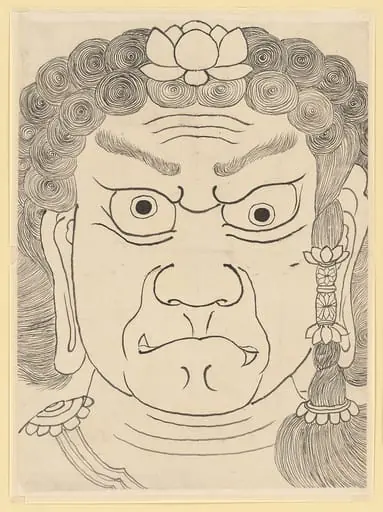
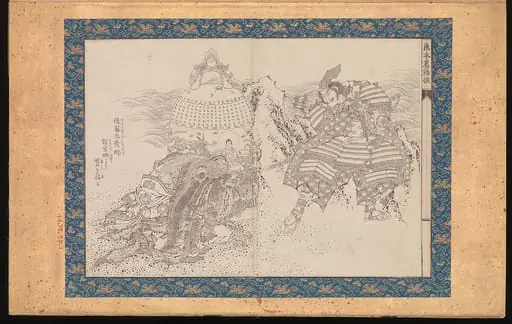
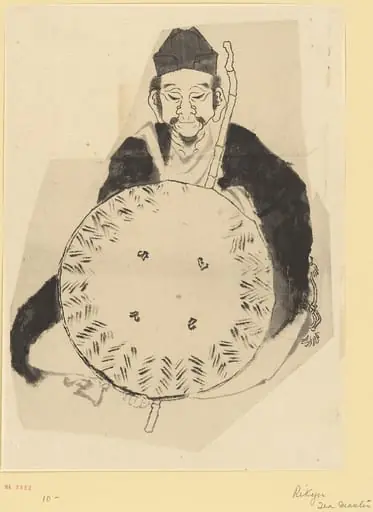
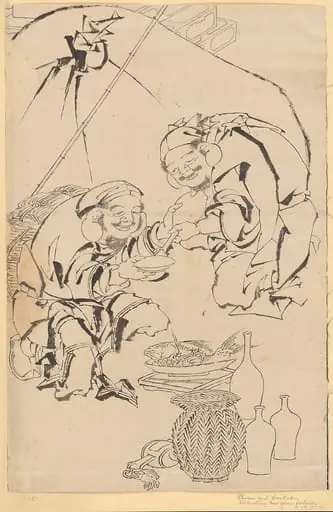
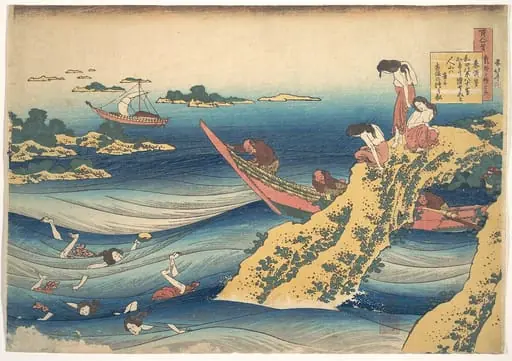 百人一首 乳母か絵とき 参議篁|Poem by Sangi no Takamura (Ono no Takamura), from the series One Hundred Poems Explained by the Nurse (Hyakunin isshu uba ga etoki)
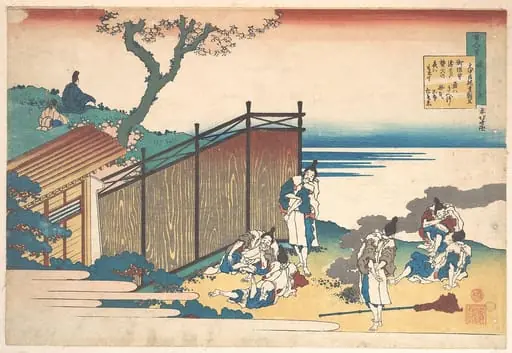 百人一首 姥か恵と起 大中臣能宣朝臣|Poem by Ōnakatomi no Yoshinobu Ason, from the series One Hundred Poems Explained by the Nurse (Hyakunin isshu uba ga etoki)
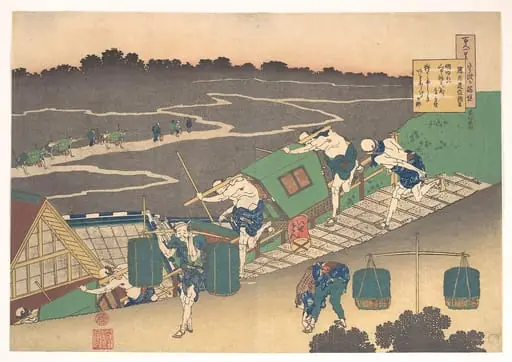 百人一首 宇波か縁説 藤原道信朝臣|Poem by Fujiwara no Michinobu Ason, from the series One Hundred Poems Explained by the Nurse (Hyakunin isshu uba ga etoki)
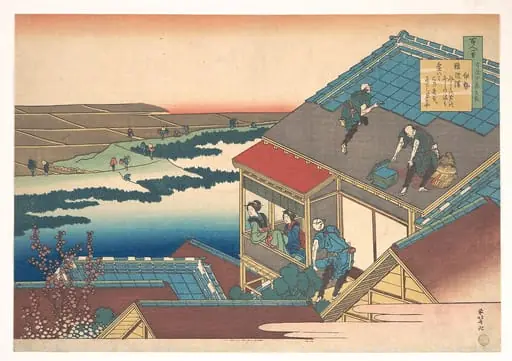 百人一首 うばがゑとき 伊勢|Poem by Ise, from the series One Hundred Poems Explained by the Nurse (Hyakunin isshu uba ga etoki)
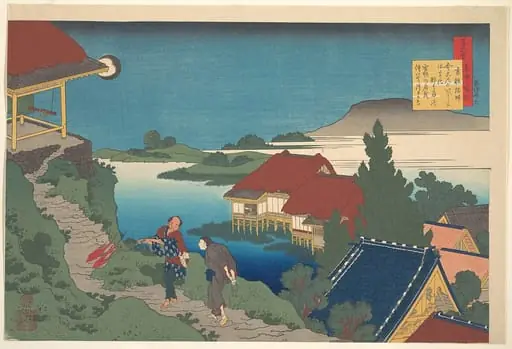 百人一首 乳母か縁説 素胜法師|Poem by Sōsei Hōshi, from the series One Hundred Poems Explained by the Nurse (Hyakunin isshu uba ga etoki)
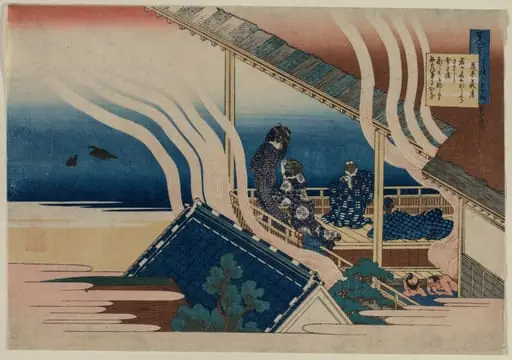 Poem by Fujiwara no Yoshitaka, from the series One Hundred Poems by One Hundred Poets Explained by an Old Nurse
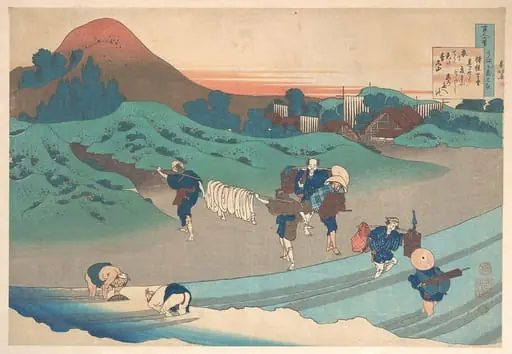 百人一首 うはかゑとき 持統天皇|Poem by Jitō Tenno (Empress Jitō), from the series One Hundred Poems Explained by the Nurse (Hyakunin isshu uba ga etoki)
 百人一首 宇波かゑとき 安部仲麿|Poem by Abe no Nakamaro, from the series One Hundred Poems Explained by the Nurse (Hyakunin isshu uba ga etoki)