Artwork
百人一首 うはかゑとき 文屋朝康|Poem by Funya no Asayasu, from the series One Hundred Poems Explained by a Nurse (Hyakunin isshu ubaga etoki)
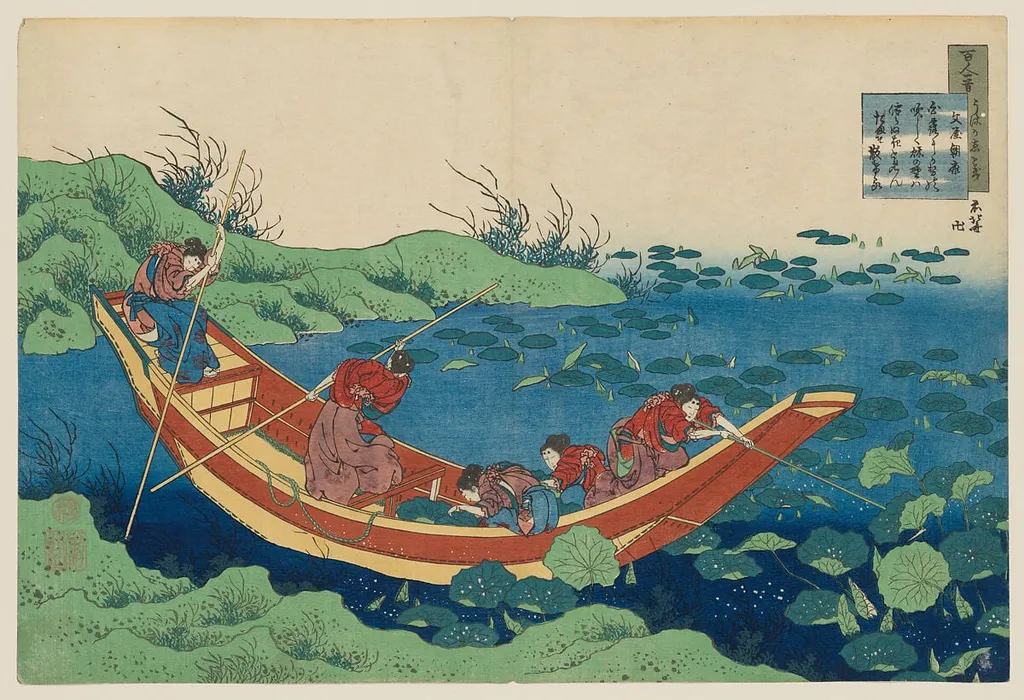
百人一首 うはかゑとき 文屋朝康|Poem by Funya no Asayasu, from the series One Hundred Poems Explained by a Nurse (Hyakunin isshu ubaga etoki) is an ink print by the Japonisme artist Katsushika Hokusai. It dates from 1804 and is held in the collection of the Metropolitan Museum of Art.
About this work
Overview
Rendered in ink and color on paper, the image balances simplicity with quiet detail, reflecting the serene tone of the poem it accompanies.
This woodblock print is part of Katsushika Hokusai’s series 'One Hundred Poems Explained by a Nurse,' produced in 1804. It illustrates a poem by Funya no Asayasu, one of the classical waka included in the Hyakunin isshu anthology. The composition features a slender boat gliding across a still pond, surrounded by lotus leaves and gentle hills. Rendered in ink and color on paper, the image balances simplicity with quiet detail, reflecting the serene tone of the poem it accompanies.
Subject & Meaning
The scene depicts a group of six individuals in a boat, one holding a scroll, suggesting a moment of poetic recitation or instruction. The nurse, as implied by the series title, may be guiding listeners through the poem’s meaning. The tranquil setting—calm water, lush vegetation, and distant hills—mirrors the poem’s theme of fleeting beauty and quiet contemplation, aligning visual calm with the introspective nature of classical Japanese verse.
Technique & Style
Hokusai employed traditional ukiyo-e woodblock techniques, using flat areas of color—predominantly red, green, and blue—with minimal shading. Lines are clean and precise, defining the boat, leaves, and hills with economical strokes. The composition emphasizes horizontal space, guiding the eye along the water’s surface. The lack of dramatic perspective and the focus on surface patterns reflect the decorative sensibility of early 19th-century printmaking in Japan.
History & Provenance
Created in 1804, this print belongs to a series commissioned to make classical poetry accessible to a broader audience through visual storytelling. It was likely distributed as a printed booklet or single sheet. The Metropolitan Museum of Art holds an example of this print, acquired as part of its broader collection of Japanese prints. Its survival in good condition reflects its popularity and the durability of the woodblock medium.
Context
The Hyakunin isshu anthology, compiled in the 13th century, remained culturally significant into the Edo period. Hokusai’s series reimagined each poem with a contemporary scene, blending literary tradition with popular visual culture. The nurse as narrator was a familiar trope in Edo-period pedagogy, offering a relatable lens for interpreting classical texts. This print exemplifies the era’s interest in merging education with aesthetic pleasure.
Legacy
Hokusai’s 'One Hundred Poems Explained by a Nurse' series contributed to the democratization of classical poetry in Edo Japan, making literary culture visible in everyday prints. While less celebrated than his later landscapes, this work reveals his early mastery of narrative composition and his ability to translate textual emotion into visual form. It remains a key example of how art and literature intersected in popular media of the time.
Artist & collection

Artist
Katsushika Hokusai spent his life in Edo, now Tokyo, where he drew and carved prints for a living.

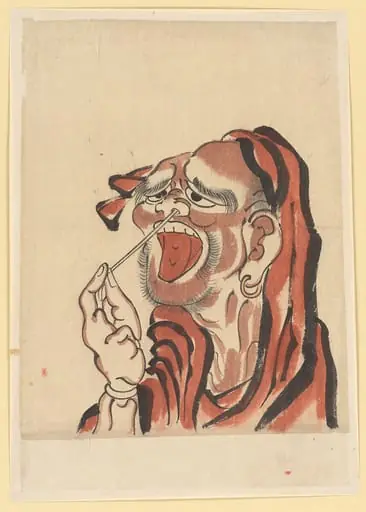
 Untitled
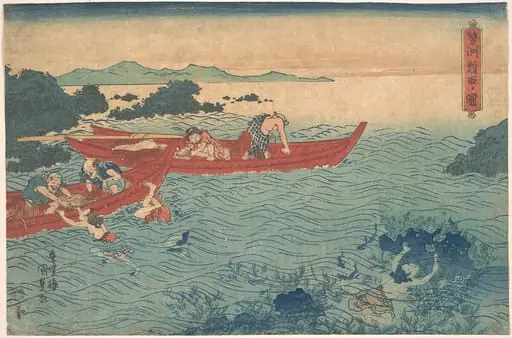
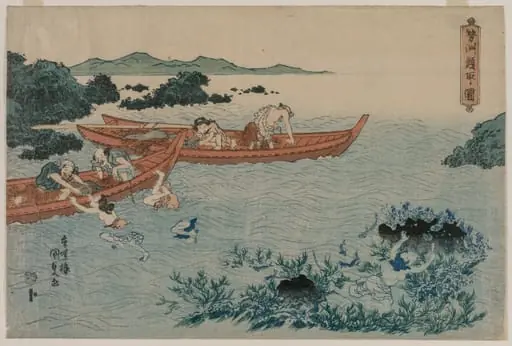 Abalone Divers off the Coast of Ise, from an Untitled Landscape Series
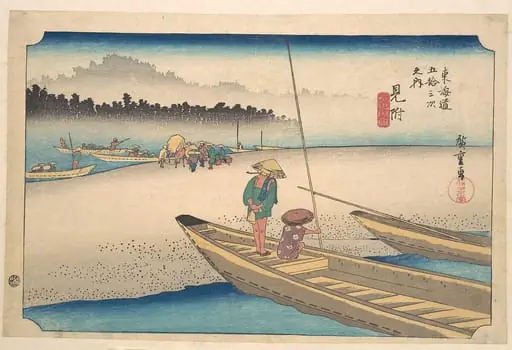 東海道五十三次 見附 天竜川|Mitsukei Tenryugawa
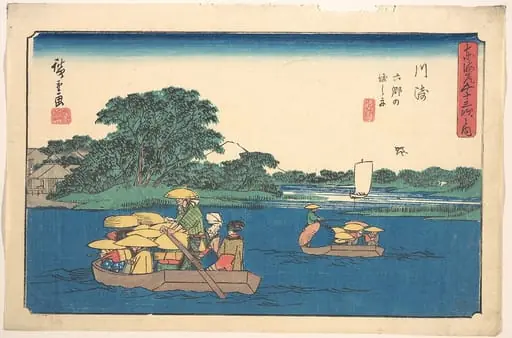 東海道五十三次之内 川崎 六郷の渡し舟|Kawasaki
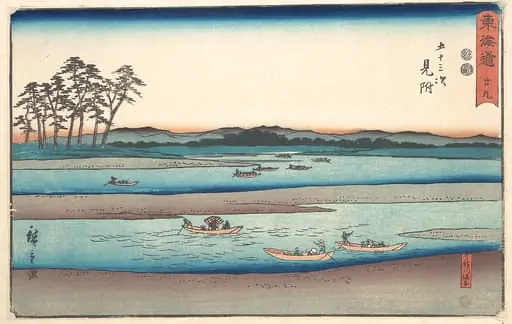 東海道五十三次 見附 天竜川渡舟|Mitsuke
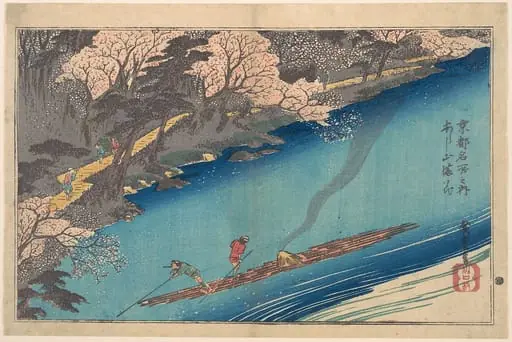 Arashiyama|京都名所之内 あらし山満花|Full Blossom at Arashiyama on the Oi River
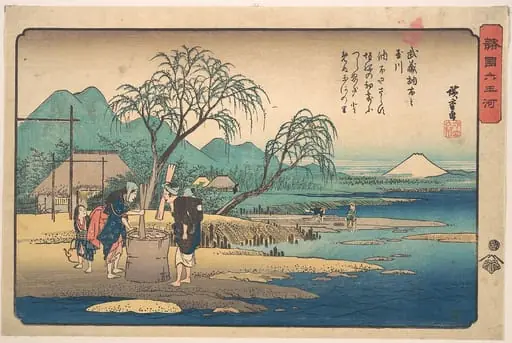 諸国六玉河 武蔵 調布の玉川|Musashi: Chōfu no Tamagawa
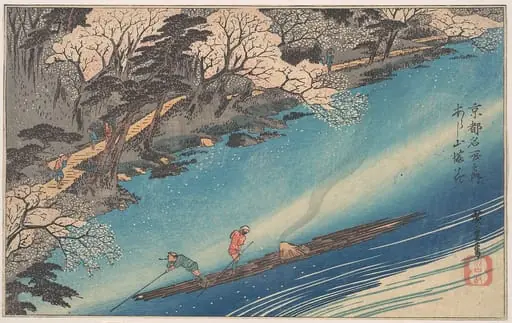 京都名所之内 あらし山満花|Arashiyama Manka