Artwork
Arashiyama|京都名所之内 あらし山満花|Full Blossom at Arashiyama on the Oi River
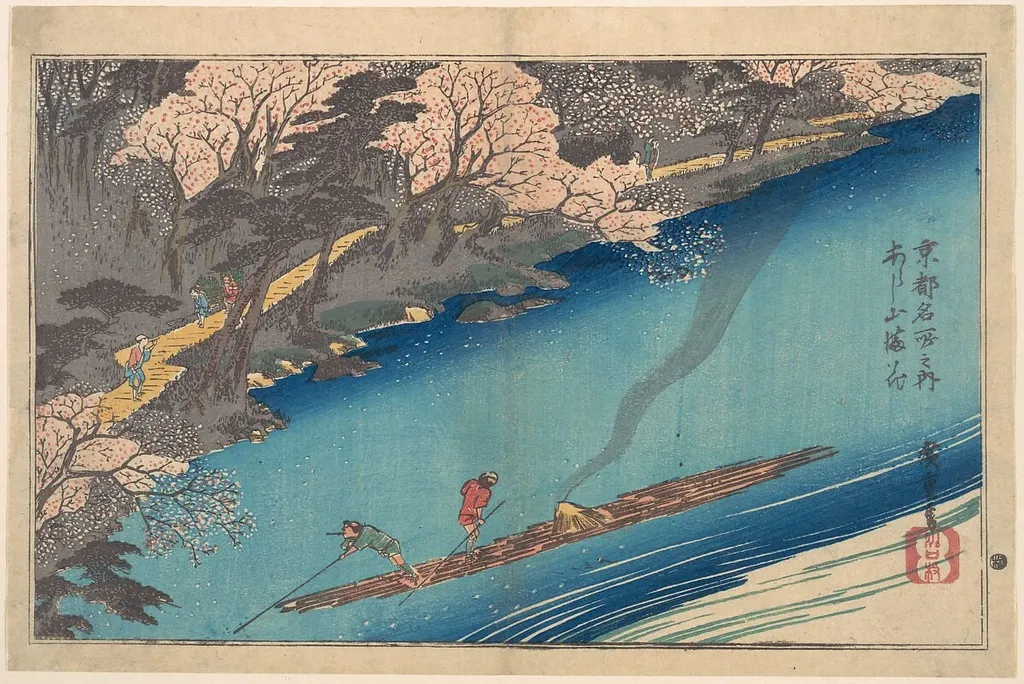
Arashiyama|京都名所之内 あらし山満花|Full Blossom at Arashiyama on the Oi River is an ink print by the Romanticist artist Utagawa Hiroshige. It dates from 1828 and is held in the collection of the Metropolitan Museum of Art.
About this work
Overview
Utagawa Hiroshige’s 1828 woodblock print captures a spring scene along the Oi River in Arashiyama, a well‑known district west of Kyoto.
Utagawa Hiroshige’s 1828 woodblock print captures a spring scene along the Oi River in Arashiyama, a well‑known district west of Kyoto. The composition centers on a narrow raft bearing three figures drifting on bright‑blue water, while pink cherry blossoms line the banks and a winding path disappears among the trees. A distant bridge and low buildings are hinted through the foliage, creating a tranquil landscape view.
Subject & Meaning
The image presents the seasonal spectacle of full‑bloom sakura, a motif that signals renewal and the fleeting nature of beauty in Japanese culture. By placing modest travelers on the raft against an expansive natural backdrop, Hiroshige emphasizes humanity’s smallness within the larger rhythm of the landscape, inviting contemplation of the momentary harmony between people and nature.
Technique & Style
Executed in the ukiyo‑e woodblock method, the print relies on flat areas of color and simplified forms to convey atmosphere. Ink outlines define the river, trees, and figures, while layered pigments provide the vivid blues of water and the soft pinks of blossoms. The restrained use of line and the absence of intricate shading create a clear, serene visual language characteristic of Hiroshige’s landscape series.
History & Provenance
Created as part of Hiroshige’s extensive series of scenic views, the print entered the collection of The Metropolitan Museum of Art, where it is catalogued among the museum’s Japanese prints. Its acquisition reflects the 19th‑century European interest in Japanese woodblock prints, which later influenced Western art movements.
Context
While ukiyo‑e traditionally depicted urban life, Hiroshige’s focus on natural sites like Arashiyama marks a shift toward celebrating Japan’s picturesque locales. The Oi River, famed for its cherry‑blossom viewing, was a popular subject for travelers and artists alike, and this work contributes to the visual record of that cultural pilgrimage during the Edo period.
Artist & collection
Artist
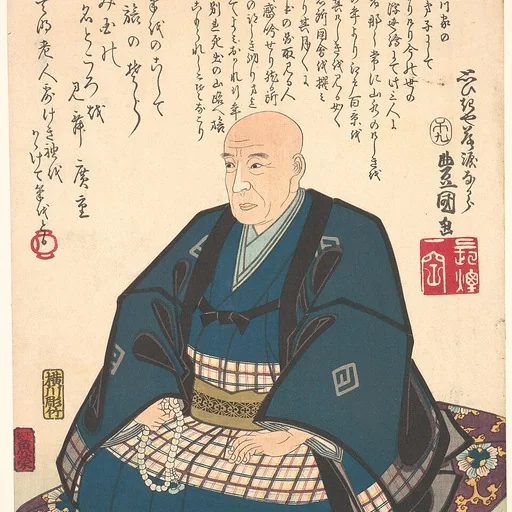
Utagawa Hiroshige (歌川 広重) or Andō Hiroshige (安藤 広重), born Andō Tokutarō (安藤 徳太郎; 1797 – 12 October 1858), was a Japanese ukiyo-e artist, considered the last great master of that tradition.

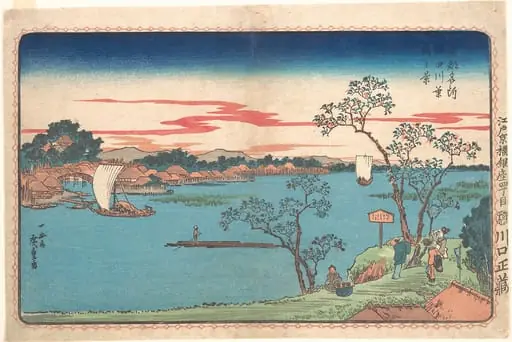 Sumidagawa, hazakura no kei|東都名所 隅田川葉桜之景|A View of Cherry Trees in Leaf along the Sumida River
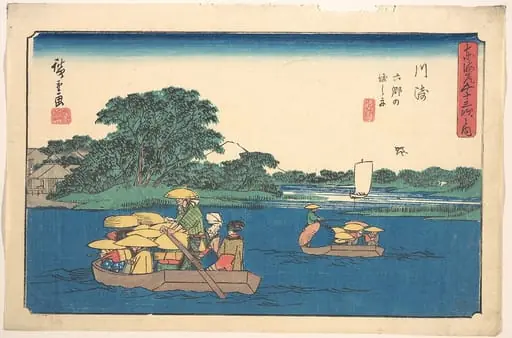 東海道五十三次之内 川崎 六郷の渡し舟|Kawasaki
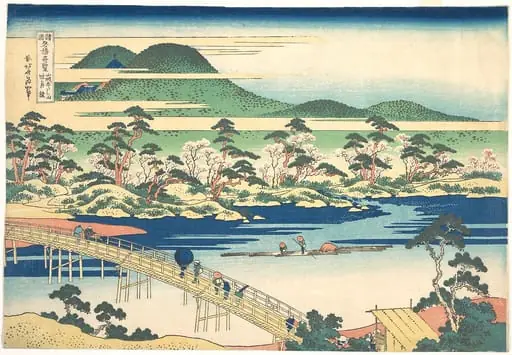 諸國名橋奇覧 山城あらし山吐月橋 |Togetsu Bridge at Arashiyama in Yamashiro, from the series Remarkable Views of Bridges in Various Provinces (Shokoku meikyō kiran)
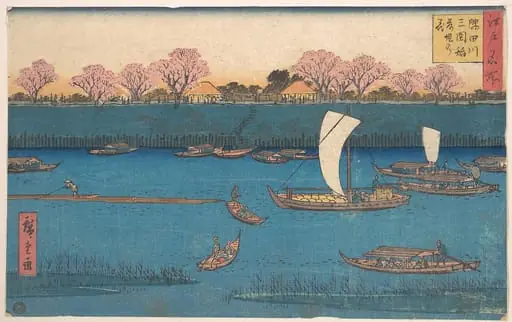 Untitled
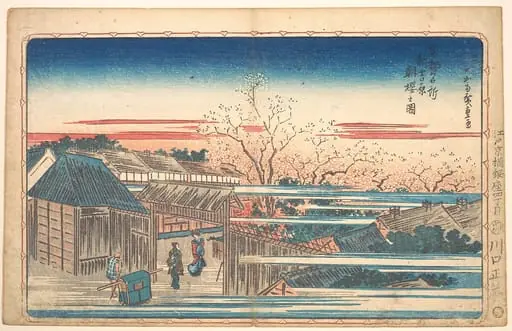 東都名所 新吉原朝桜之図|Morning Cherries at Yoshiwara
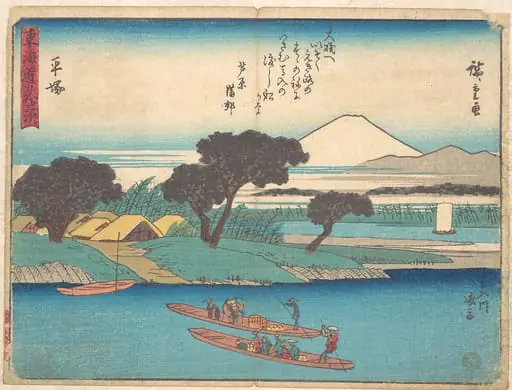 東海道五十三次 平塚|Hiratsuka
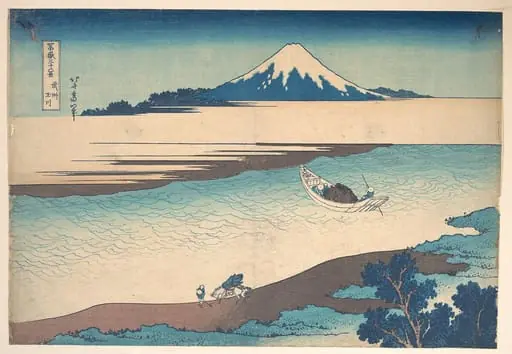 冨嶽三十六景 武州玉川|Fuji—The Tama River, Musashi Province, from the series Thirty-six Views of Mount Fuji (Fugaku sanjūrokkei)
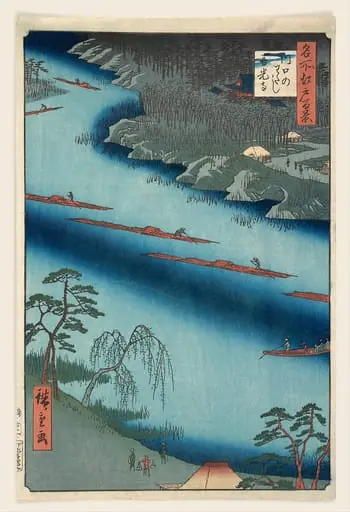 名所江戸百景 川口のわたし善光寺|Kawaguchi