Artwork
冨嶽三十六景 本所立川|Tatekawa in Honjō (Honjō Tatekawa), from the series Thirty-six Views of Mount Fuji (Fugaku sanjūrokkei)
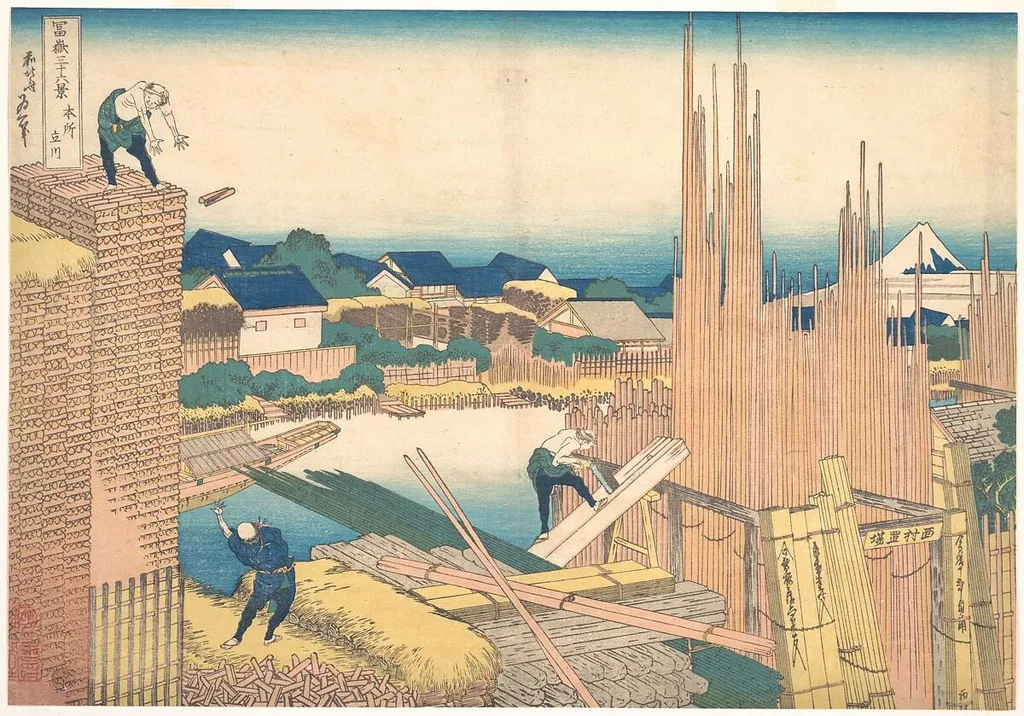
冨嶽三十六景 本所立川|Tatekawa in Honjō (Honjō Tatekawa), from the series Thirty-six Views of Mount Fuji (Fugaku sanjūrokkei) is an ink print by the Japonisme artist Katsushika Hokusai. It dates from 1831 and is held in the collection of the Metropolitan Museum of Art.
About this work
Overview
Katsushika Hokusai’s woodblock print titled “Tatekawa in Honjō,” part of his Thirty‑six Views of Mount Fuji series, dates to around 1831. Executed in ink and color on paper, the image captures a bustling riverside setting where laborers are engaged in the reconstruction of a house. The work is part of the collection of the Metropolitan Museum of Art.
Subject & Meaning
The scene portrays a group of workers scattered along a riverbank, each occupied with a different task: one climbs a ladder, another leans over a wall with tools, and a third stands on a roof, possibly repairing tiles. Small dwellings, trees, and a distant, faint outline of Mount Fuji complete the urban landscape, suggesting a moment of communal effort within a thriving settlement.
Technique & Style
Hokusai employs the traditional ukiyo‑e woodblock method, using layered inks and pigments to balance muted background tones with the vivid details of the laborers’ activities. Fine line work defines the figures and architectural elements, while subtle cross‑hatching creates texture on surfaces such as wood beams and roof tiles, giving depth to the bustling composition.
History & Provenance
Created in the early 1830s, the print was produced during the late Edo period, a time when Hokusai was prolific in depicting everyday life alongside iconic landscapes. The work entered the collection of the Metropolitan Museum of Art, where it remains on display as part of the museum’s holdings of Japanese prints.
Context
“Tatekawa in Honjō” belongs to the Thirty‑six Views of Mount Fuji, a series that juxtaposes the sacred mountain with varied scenes of Japanese life. By placing a routine construction scene against the subtle presence of Fuji, Hokusai underscores the integration of the natural and the urban, reflecting the broader cultural landscape of early nineteenth‑century Japan.
Artist & collection

Artist
Katsushika Hokusai spent his life in Edo, now Tokyo, where he drew and carved prints for a living.

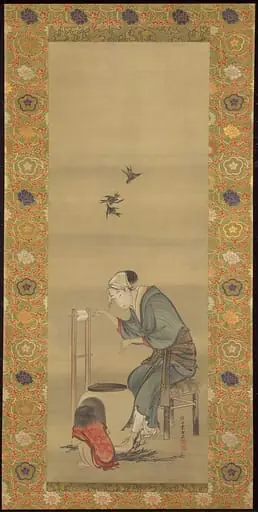
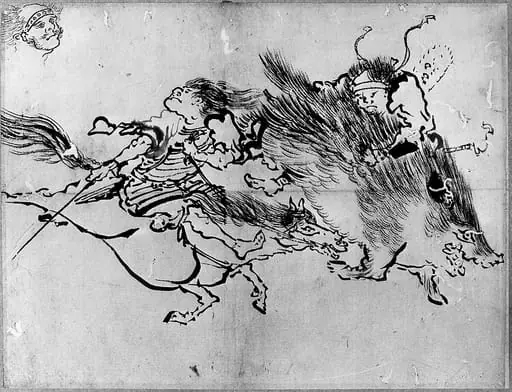
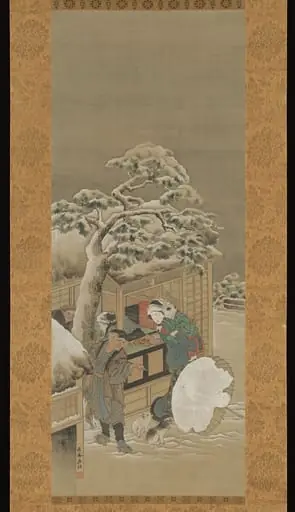
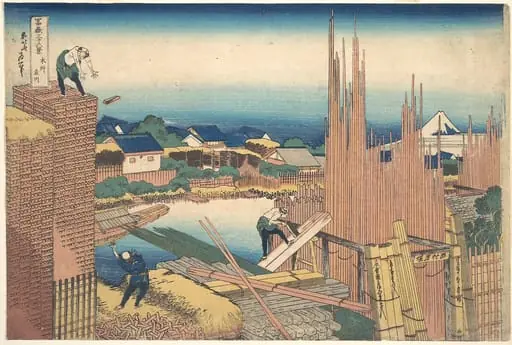 冨嶽三十六景 本所立川|Tatekawa in Honjō (Honjō Tatekawa), from the series Thirty-six Views of Mount Fuji (Fugaku sanjūrokkei)
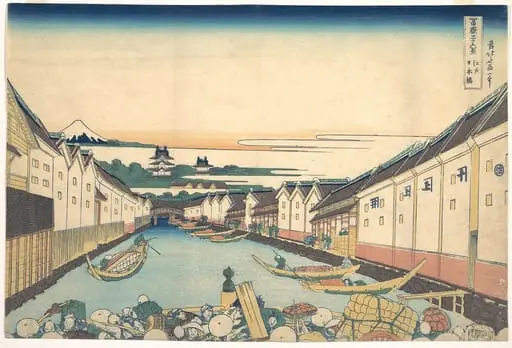 冨嶽三十六景 江戸日本橋|Nihonbashi in Edo (Edo Nihonbashi), from the series Thirty-six Views of Mount Fuji (Fugaku sanjūrokkei)
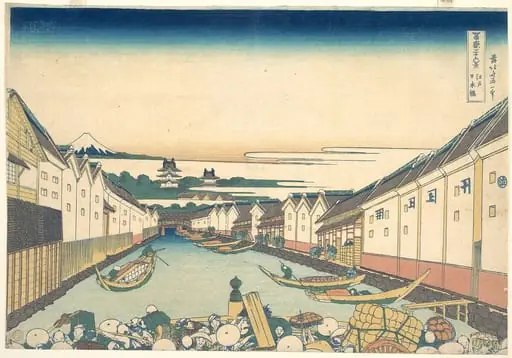 冨嶽三十六景 江戸日本橋|Nihonbashi in Edo (Edo Nihonbashi), from the series Thirty-six Views of Mount Fuji (Fugaku sanjūrokkei)
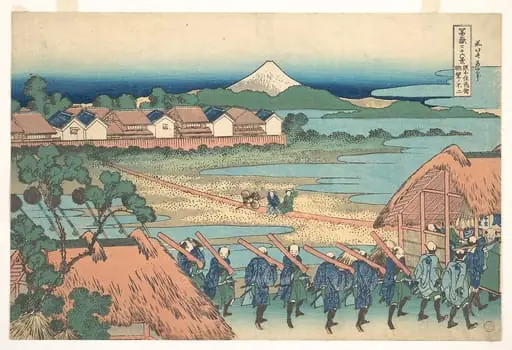 冨嶽三十六景 従千住花街眺望の不二|Fuji Seen in the Distance from Senju Pleasure Quarter (Senju kagai yori chōbō no Fuji), from the series Thirty-six Views of Mount Fuji (Fugaku sanjūrokkei)
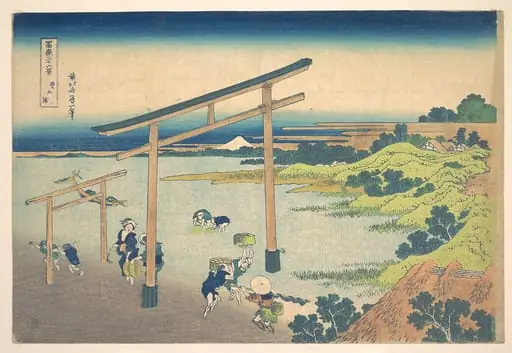 冨嶽三十六景 登戸浦|Noboto Bay (Noboto no ura), from the series Thirty-six Views of Mount Fuji (Fugaku sanjūrokkei)
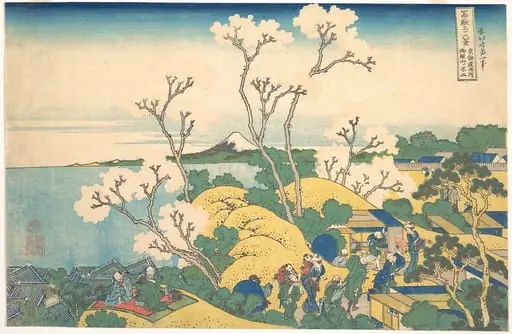 冨嶽三十六景 東海道品川御殿山の不二|Fuji from Gotenyama at Shinagawa on the Tōkaidō (Tōkaidō Shinagawa Gotenyama no Fuji), from the series Thirty-six Views of Mount Fuji (Fugaku sanjūrokkei)
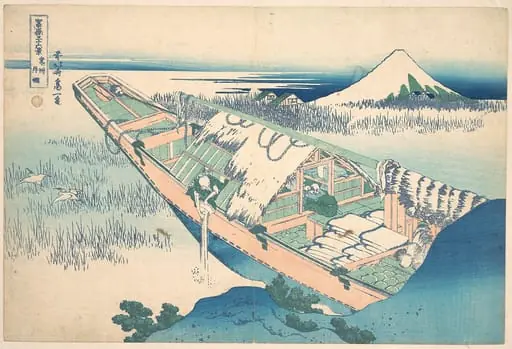 冨嶽三十六景 常州牛掘|Ushibori in Hitachi Province (Jōshū Ushibori), from the series Thirty-six Views of Mount Fuji (Fugaku sanjūrokkei)
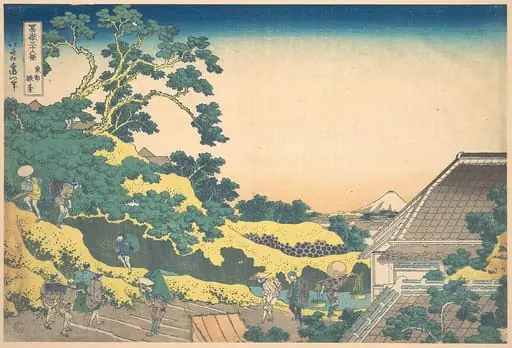 冨嶽三十六景 東都駿台|Surugadai in Edo (Tōto Sundai), from the series Thirty-six Views of Mount Fuji (Fugaku sanjūrokkei)
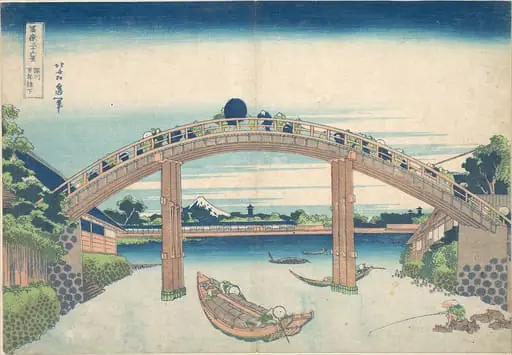 冨嶽三十六景 深川万年橋下|Under the Mannen Bridge at Fukagawa (Fukagawa Mannenbashi shita), from the series Thirty-six Views of Mount Fuji (Fugaku sanjūrokkei)