Artwork
Untitled
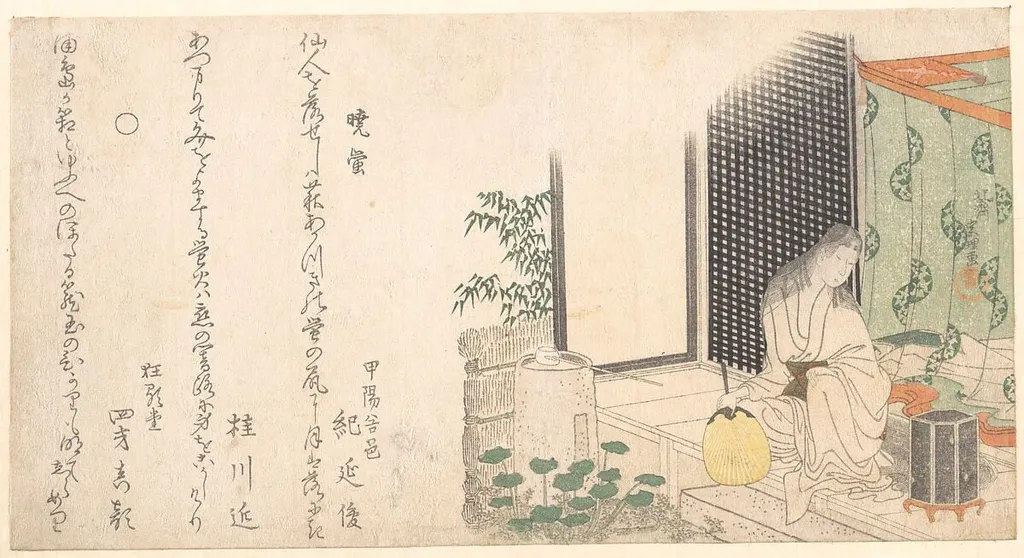
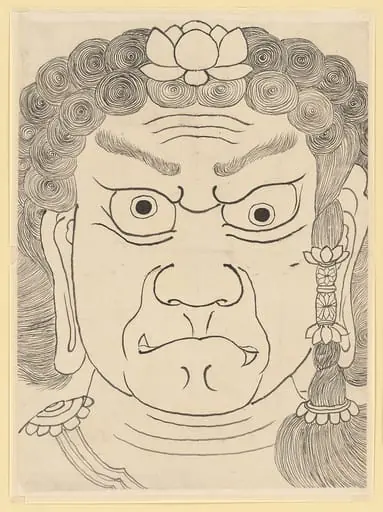
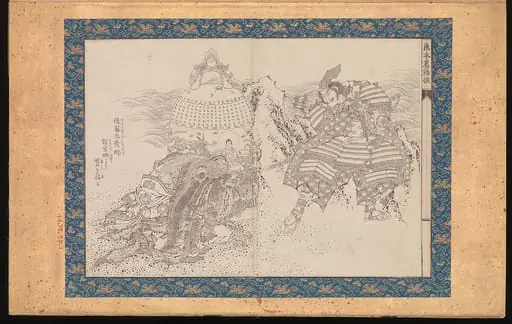
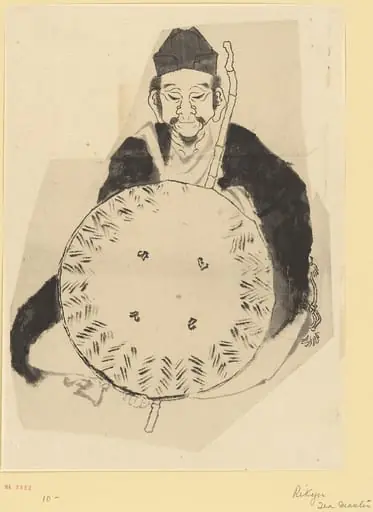
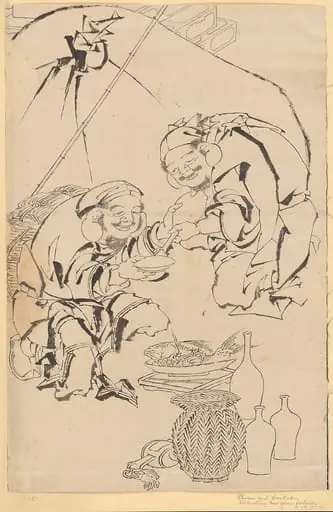
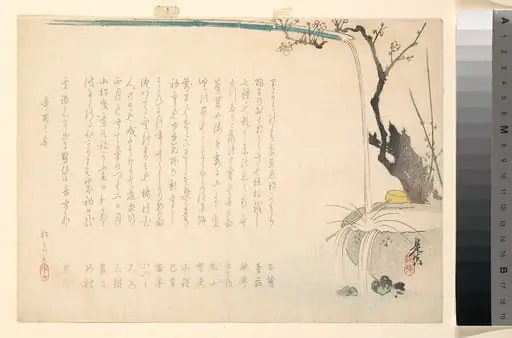
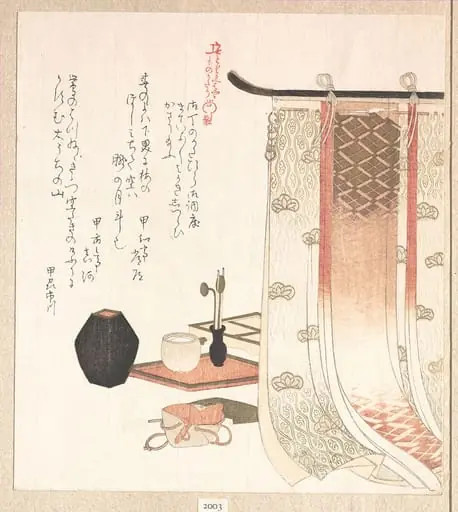
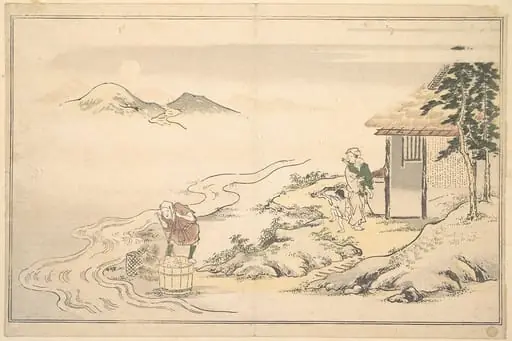
Untitled is an ink print by the Japonisme artist Katsushika Hokusai. It dates from 1800 and is held in the collection of the Metropolitan Museum of Art. This woodblock print, dated around 1800, is one of many surimono produced in early 19th-century Japan.
About this work
Overview
Created by Katsushika Hokusai, it features ink and subtle color on paper, emphasizing quiet intimacy over dramatic action.
This woodblock print, dated around 1800, is one of many surimono produced in early 19th-century Japan. Created by Katsushika Hokusai, it features ink and subtle color on paper, emphasizing quiet intimacy over dramatic action. The work is part of The Metropolitan Museum of Art’s print collection, where it represents the refined aesthetic of private commissions made for literary or seasonal occasions.
Subject & Meaning
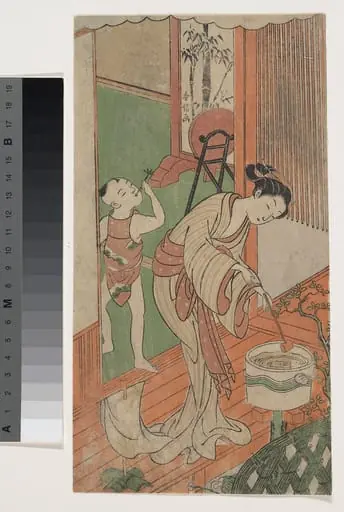
The scene depicts a woman seated with her back turned, engaged in a moment of stillness beside a window. A yellow gourd and a small chest nearby suggest domestic life, while the garden visible through the bamboo screen implies a connection between interior solitude and the natural world. The composition invites contemplation, reflecting themes of quietude and seasonal awareness common in Edo-period visual culture.
Technique & Style
Hokusai employed fine, controlled lines and layered cross-hatching to model form and suggest light. The folds of the woman’s robe, the texture of the bamboo screen, and the delicate rendering of foliage demonstrate a mastery of tonal gradation. Color is restrained, applied with precision to enhance rather than dominate, characteristic of surimono’s emphasis on subtlety and craftsmanship over broad visual impact.
History & Provenance
Produced as a surimono—a privately commissioned print often circulated among poetry circles—the work likely originated in a small, elite context rather than mass production. Its survival and eventual acquisition by The Metropolitan Museum of Art reflect its preservation as an example of Hokusai’s lesser-known, intimate works, distinct from his more widely recognized landscapes.
Context
Surimono prints like this one were typically produced for special occasions, such as New Year’s or poetic gatherings, and often featured calligraphy alongside imagery. Unlike commercial ukiyo-e, they prioritized artistic refinement and were printed in limited quantities. Hokusai’s involvement here underscores his versatility across genres, from popular prints to exclusive, finely crafted works for discerning patrons.
Legacy
Though not as publicly celebrated as his later landscapes, this print contributes to understanding Hokusai’s range and the sophistication of Edo-period print culture. Its emphasis on quiet observation and technical precision influenced later generations of artists interested in domestic intimacy and the expressive potential of line and tone within the woodblock medium.
Artist & collection

Artist
Katsushika Hokusai spent his life in Edo, now Tokyo, where he drew and carved prints for a living.

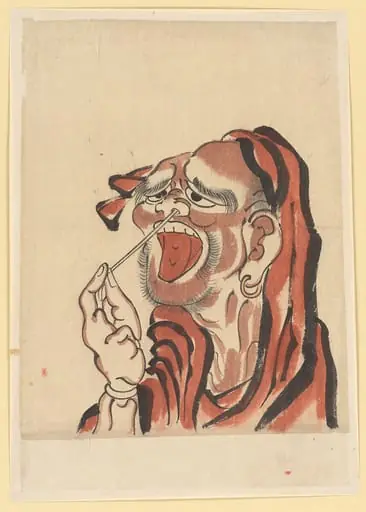
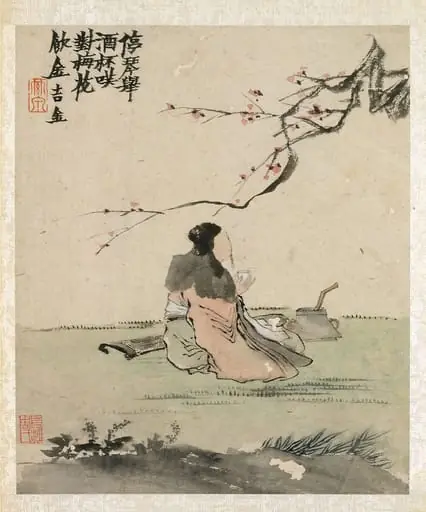 Untitled
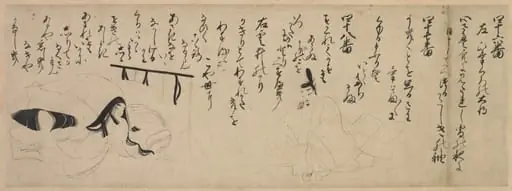 Section of an Illustrated Tale of Genji Poetry Contest
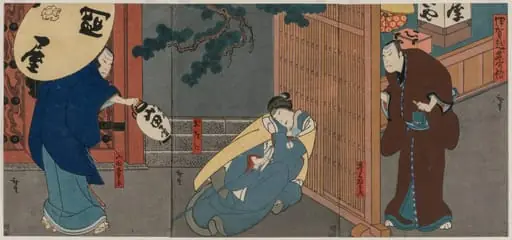 A Tale of Valor at Iga Pass
 Untitled
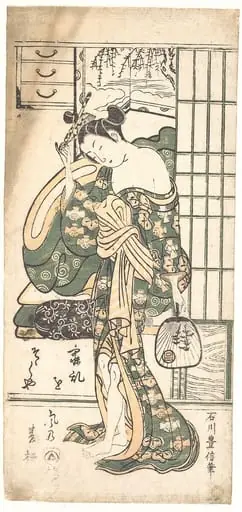 Untitled
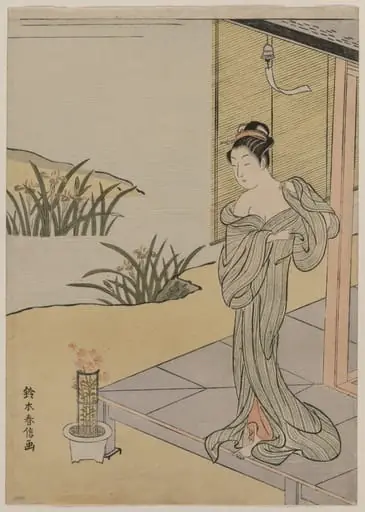 Young Woman Looking at a Pot of Pinks
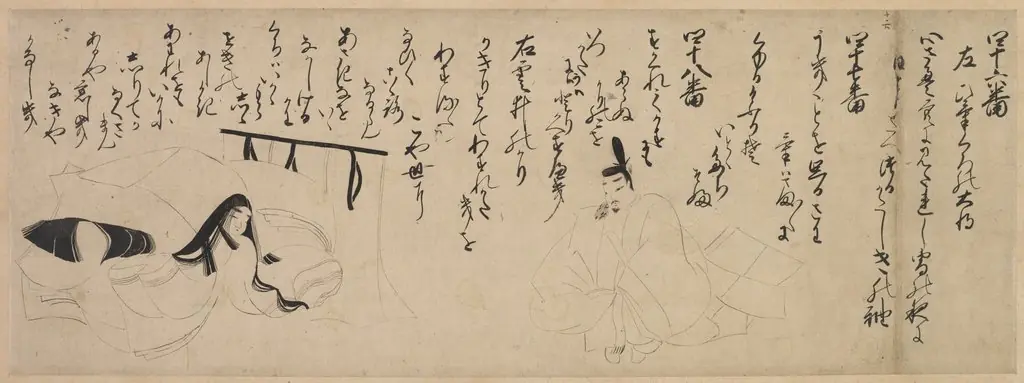 Section of an Illustrated Tale of Genji Poetry Contest
 Untitled
 風外慧薫筆 指月布袋図|Hotei Pointing at the Moon
 遊女と詩人|Courtesan with Client before a Tokonoma Alcove
 Untitled
 狂月坊|The Full Moon at the Time of the Imo Harvest