Artwork
H. C. Carles
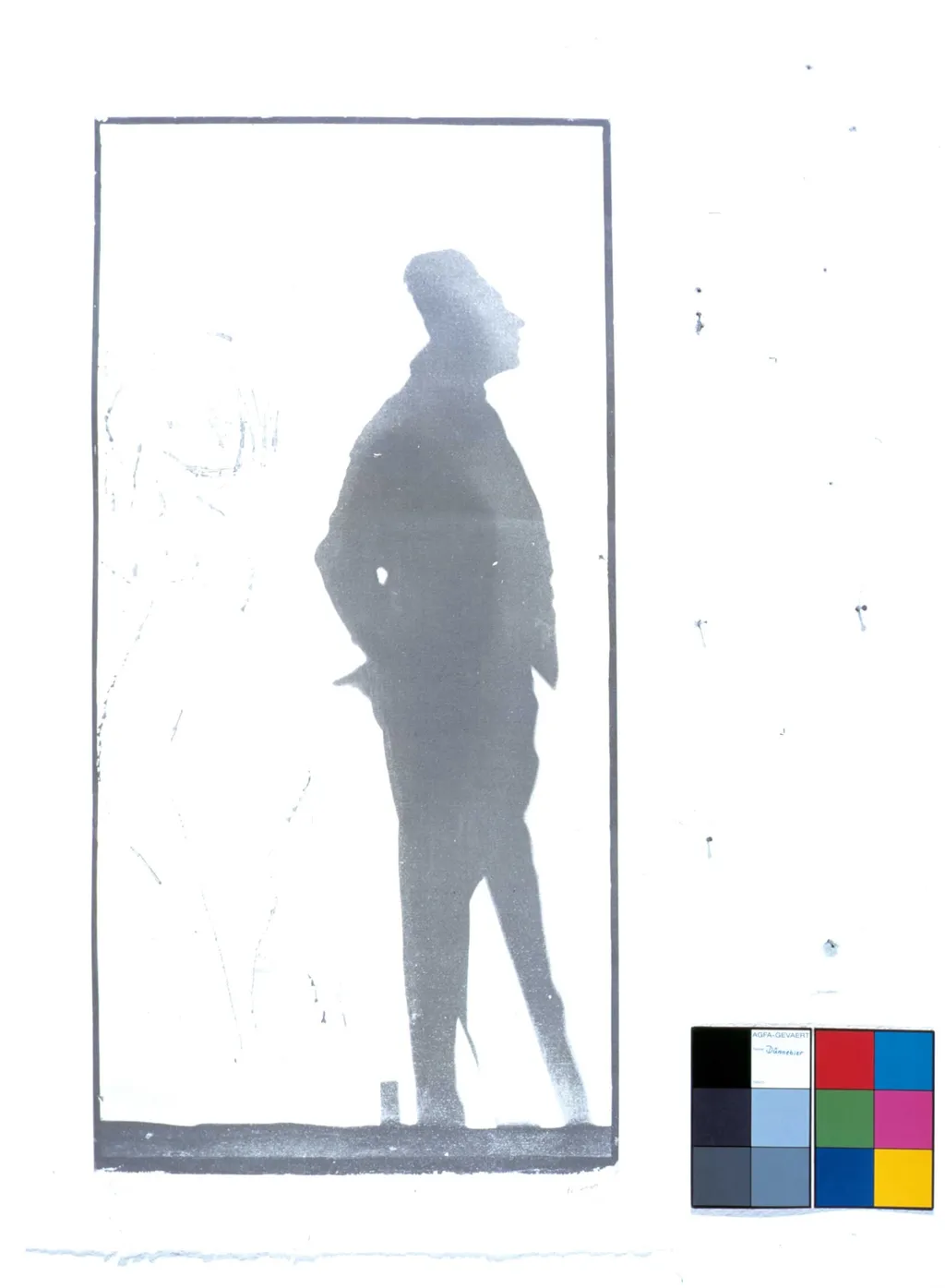
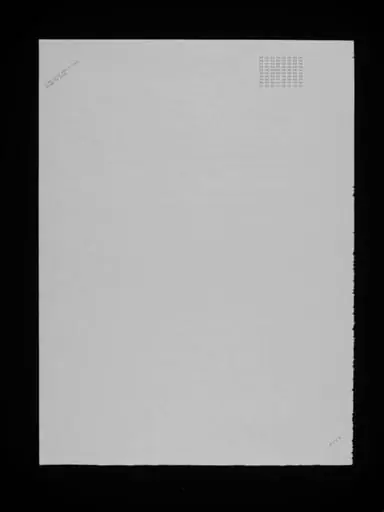
H. C. Carles is a print by Nikos Kessanlis. It dates from 1979 and is held in the collection of the Metropolitan Organisation of Museums of Visual Arts of Thessaloniki – MOMus.
About this work
Kessanlis did this by shining light on human figures drawn on transparent fabric.
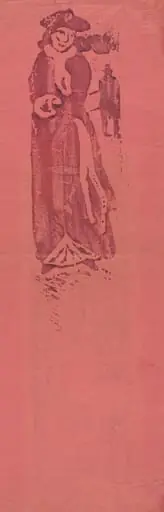
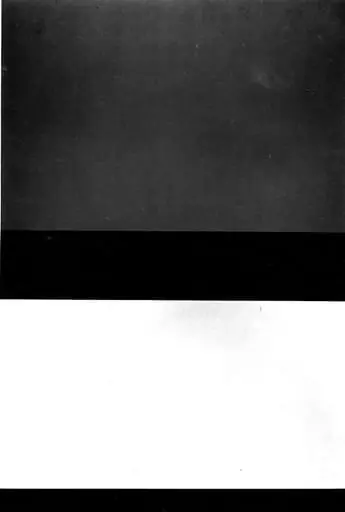
This print shows dark, wavy shapes against a lighter background. They look like shadows of people drawn on a cloth. The work mixes painting with photography in a clever way.
Kessanlis did this by shining light on human figures drawn on transparent fabric. He then photographed their moving shadows. It’s not just art—it’s a moment in time caught in a new style.
Try searching for more on Kessanlis, Nikos (1930-2004).
Overview
Nikos Kessanlis, active between 1963 and 1976, shifted from traditional painting to explore photographic processes as his primary medium. His work during this period involved capturing the transient shadows of figures drawn on translucent fabric, using controlled lighting and camera exposure to translate movement into static images. This approach marked a deliberate departure from brushwork, embracing the mechanical and temporal qualities of photography to redefine artistic expression.
Subject & Meaning
The subjects of Kessanlis’s photographs are abstracted human forms, rendered not as direct representations but as ephemeral silhouettes cast by drawn figures on transparent material. These shadowed outlines suggest motion, presence, and absence simultaneously, evoking the impermanence of bodily existence. The work invites contemplation on the boundary between the physical and the projected, the tangible and the intangible, without narrative or symbolic intent.
Technique & Style
Kessanlis constructed his images by drawing human forms on semi-transparent cloth, then illuminating them from behind while photographing the resulting shadows under dynamic lighting. The figures, often blurred or distorted by movement, were captured in single exposures, merging the spontaneity of performance with the precision of photographic recording. The resulting compositions emphasize tonal contrast and fluid contours, blending the gestural qualities of drawing with the indexical nature of the photographic image.
History & Provenance
This body of work emerged during a period of experimental engagement with new media in postwar Greek art. Kessanlis’s photographic investigations were developed independently, without formal institutional support, and remained largely outside mainstream art circuits of the time. The specific provenance of this print is undocumented, but it belongs to a limited series produced between 1963 and 1976, reflecting the artist’s personal exploration rather than commercial production.
Context
Kessanlis’s practice coincided with broader international interest in process-based and conceptual art, though his methods remained distinctively personal. While contemporaries in Europe and America experimented with photograms or performance documentation, Kessanlis focused on the interplay of drawn form and shadow, rooted in theatrical traditions and the materiality of light. His work reflects a quiet, introspective response to the technological shifts in visual culture during the 1960s and 70s.
Legacy
Kessanlis’s photographic experiments are now recognized as an early and unique fusion of drawing, performance, and photography in Greek art. Though not widely exhibited during his lifetime, his work has gained scholarly attention for its innovative use of shadow and transparency. His approach anticipates later explorations of the body in photographic media, offering a restrained, poetic alternative to more overtly political or conceptual trends of the era.
Artist & collection
Museum
Metropolitan Organisation of Museums of Visual Arts of Thessaloniki – MOMus
Continue through works from the same source collection.