Artwork
Untitled
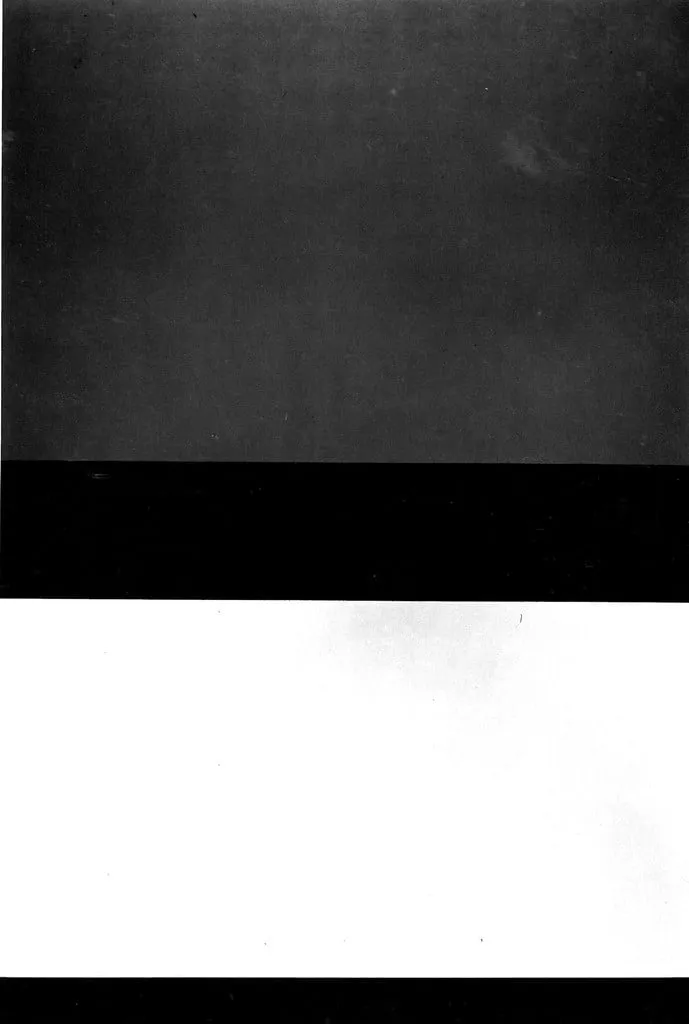
Untitled is a paint painting by the Abstract Expressionist artist Nassos Daphnis. It dates from 1958 and is held in the collection of the Museum of Modern Art.
About this work
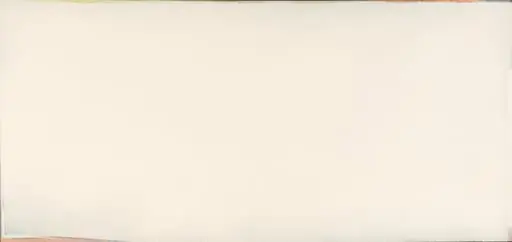
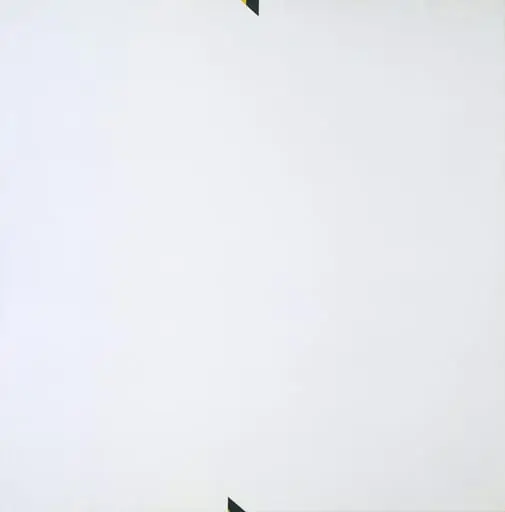
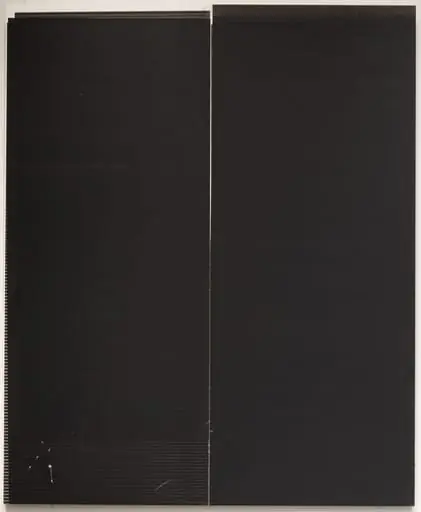
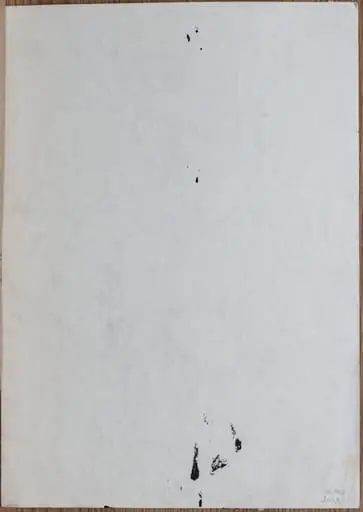
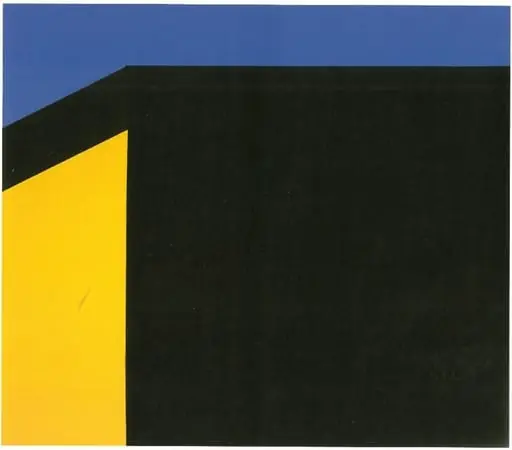
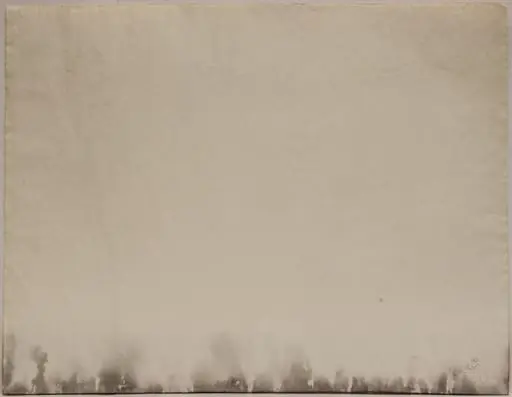
This painting is split into two halves. The top is a dark, flat gray with no shapes or details—just a smooth, even tone. The bottom half is pure white, just as plain and unbroken.
The whole thing feels quiet and empty, like a pause. The artist used synthetic polymer paint, which was new in 1958.
If you like simple, bold ideas in art, check out The Museum of Modern Art.
Overview
The work’s minimal structure and restrained palette reflect a deliberate departure from the emotional intensity of earlier abstract expressionism.
Created in 1958, this untitled painting by Nassos Daphnis is executed in synthetic polymer paint on canvas, a relatively new medium at the time. It belongs to The Museum of Modern Art’s collection and exemplifies the artist’s move toward reductive abstraction. The work’s minimal structure and restrained palette reflect a deliberate departure from the emotional intensity of earlier abstract expressionism.
Subject & Meaning
The painting presents no figurative or symbolic elements. Instead, it divides the canvas into two uniform fields: a top band of dark gray and a bottom band of white. This stark division invites contemplation of space, balance, and silence. The absence of form or gesture suggests an interest in purity and stillness, aligning with emerging tendencies toward minimalism in postwar American art.
Technique & Style
Daphnis employed synthetic polymer paint, valued for its fast drying time and matte finish, to achieve smooth, even surfaces without brushwork or texture. The edges between the two color fields are precise, suggesting the use of masking or careful application. The style rejects expressive brushstrokes, favoring geometric clarity and visual calm, marking a shift from gestural abstraction toward structural simplicity.
History & Provenance
Painted in 1958, the work entered The Museum of Modern Art’s collection shortly after its creation. Daphnis, who had emigrated from Greece to the United States in the 1930s, was active in New York’s avant-garde circles during this period. His transition from more complex compositions to this reductive format coincided with broader artistic shifts in the late 1950s, positioning this piece as an early example of minimal tendencies in painting.
Context
In the late 1950s, artists across the United States began exploring stripped-down forms and industrial materials, reacting against the dynamism of abstract expressionism. Daphnis’s work aligns with contemporaries like Robert Ryman and Ad Reinhardt, who also pursued austerity and neutrality. The use of synthetic polymer paint reflects a broader interest in modern materials, signaling a technological shift in artistic practice.
Legacy
This painting anticipates the formal concerns of minimalism that would dominate the 1960s. Daphnis’s commitment to geometric order and material honesty influenced later artists seeking to eliminate personal expression from their work. Though less widely known than some of his peers, his early experiments with reduction helped pave the way for a quieter, more contemplative strain of American abstraction.
Artist & collection
Artist
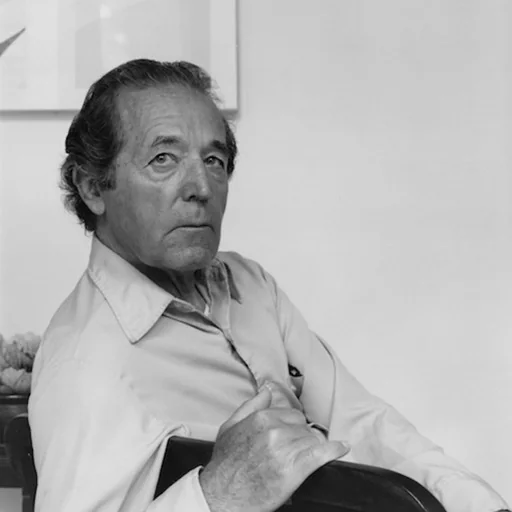
Nassos Daphnis (July 23, 1914 – November 23, 2010) was a Greek-born American abstract painter, sculptor and tree peony breeder.