Artwork
Sombori Eszter
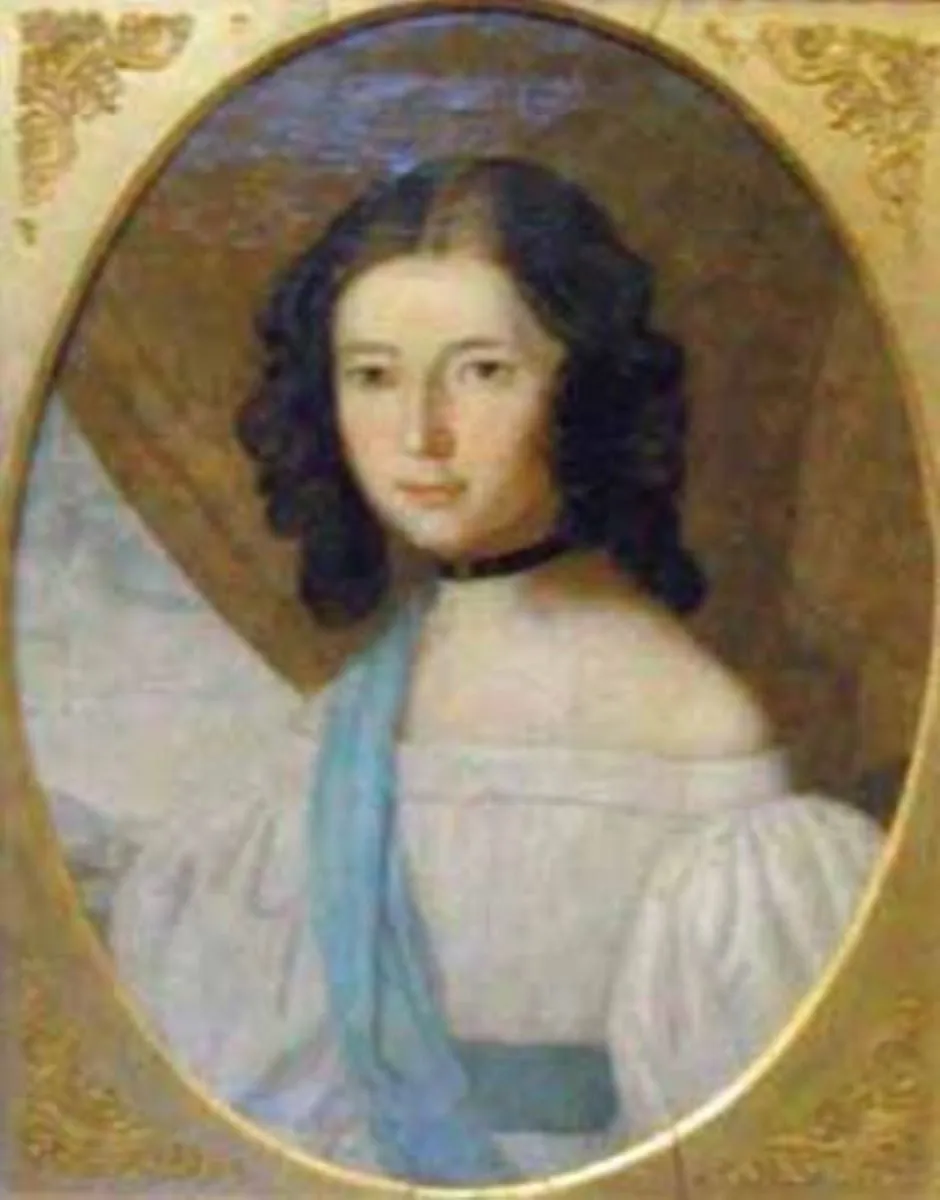
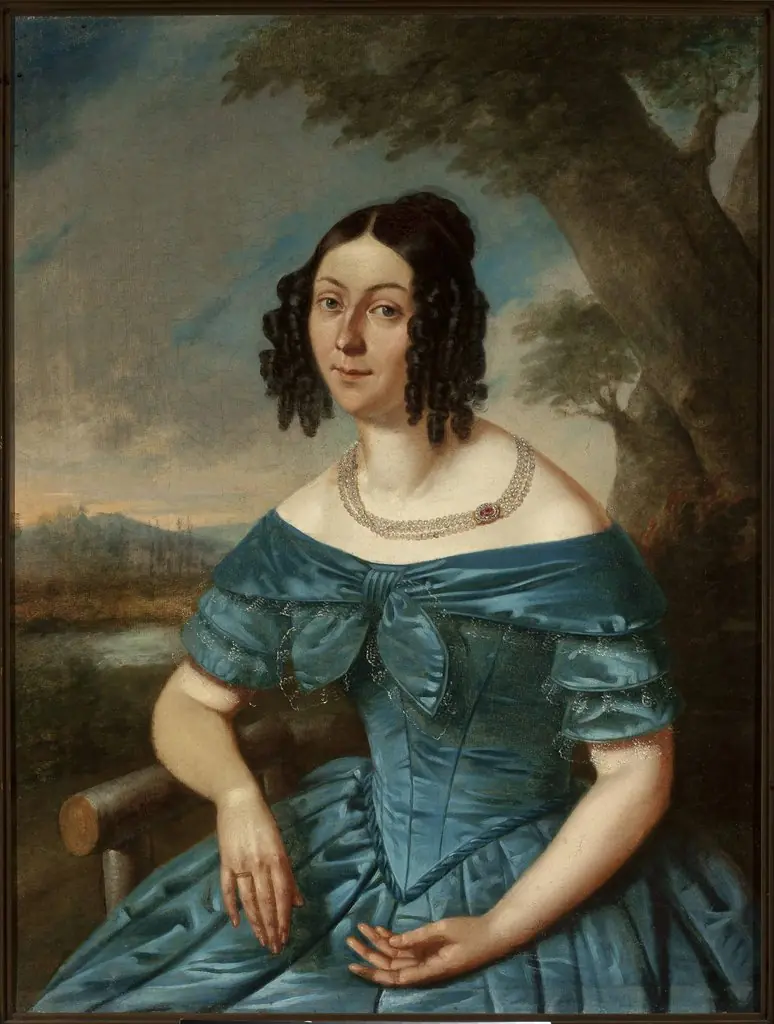
Sombori Eszter is an unspecified painting by the Biedermeier artist Simó Ferenc de Kissolymossy. It dates from 1832 and is held in the collection of the Museum of Art Cluj-Napoca.
About this work
Overview
Painted in 1832 by Simó Ferenc de Kissolymossy, this portrait depicts Sombori Eszter, a woman from the Hungarian countryside.
Painted in 1832 by Simó Ferenc de Kissolymossy, this portrait depicts Sombori Eszter, a woman from the Hungarian countryside. Executed in oil on canvas, the work is part of the Museum of Ethnography’s collection, where it serves as a record of regional portraiture from the early 19th century. Its intimate scale and restrained composition reflect a focus on individual presence rather than grandeur.
Subject & Meaning
Sombori Eszter is portrayed with stillness and quiet dignity, her gaze directed slightly away, suggesting introspection. Her plain attire and unadorned features indicate a non-elite social standing, yet the careful rendering of her face conveys individuality and inner life. The absence of symbolic objects or setting shifts emphasis entirely to her person, inviting contemplation of identity beyond status or role.
Technique & Style
The artist employs chiaroscuro to model the face with soft gradations of light, creating a luminous, rounded effect against the dark background. The dress is rendered in muted tones, with subtle highlights on the collar and cuffs to suggest fabric texture. The circular framing draws attention inward, isolating the figure and enhancing the sense of intimacy. Brushwork remains restrained, prioritizing clarity over ornamentation.
History & Provenance
The painting entered the Museum of Ethnography’s holdings in the late 19th or early 20th century, likely as part of a broader effort to document regional Hungarian life. Its origin as a private commission is unconfirmed, but its preservation suggests it was valued for its representation of local character. No significant alterations or restorations are documented in public records.
Context
Created during a period of rising national consciousness in Hungary, the portrait aligns with emerging interest in depicting ordinary people as subjects of cultural significance. While academic portraiture favored aristocratic sitters, this work reflects a quieter, folk-oriented tradition—part of a shift toward ethnographic documentation that valued authenticity over idealization.
Legacy
The portrait remains a quiet example of early Hungarian regional portraiture, valued for its unembellished realism and emotional restraint. It contributes to scholarly understanding of how non-elite individuals were visually represented before widespread photography. Its endurance in the museum’s collection underscores its role as a historical witness to everyday life in 19th-century Hungary.
Artist & collection
Artist
Ferenc de Kissolymossy spent his life in the small town of Sombor, where he painted local shopkeepers, farmers, and the occasional dignitary with the same steady gaze.
 Portret de femeie în alb
 Portret de femeie
 Portrait of a woman
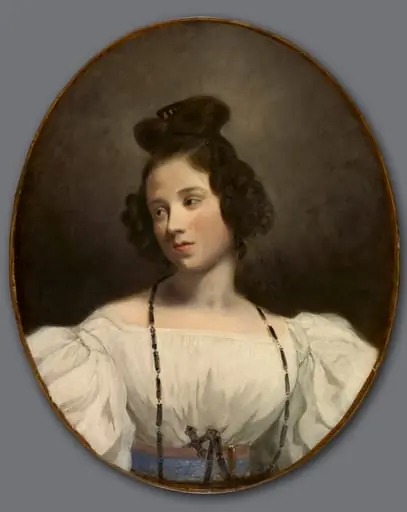 Mlle. Alexandrine-Julie de la Boutraye
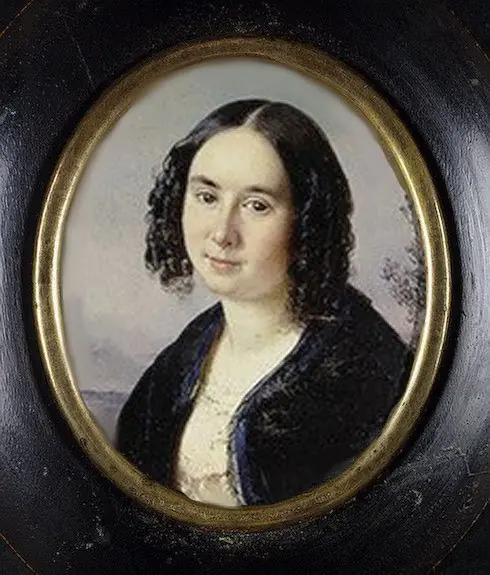 Portrait of Yelena Volkova
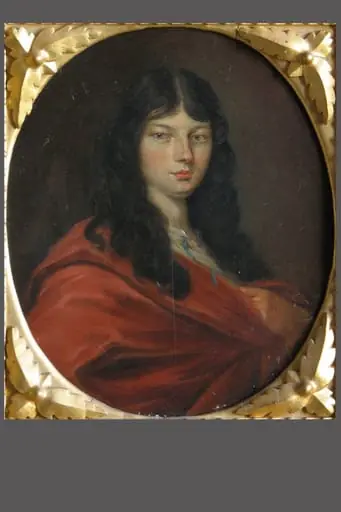 Portretul unui tânăr
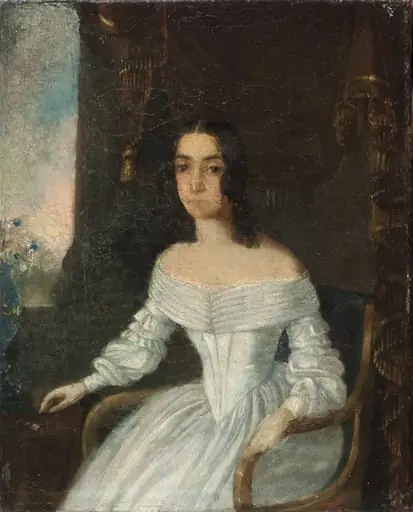 Portretul Elenei Manu (?)
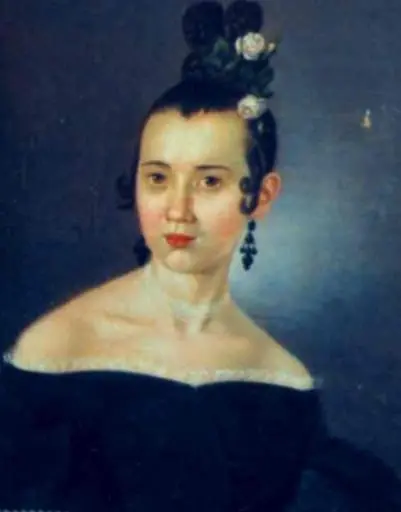 Elisabeta Hasdeu
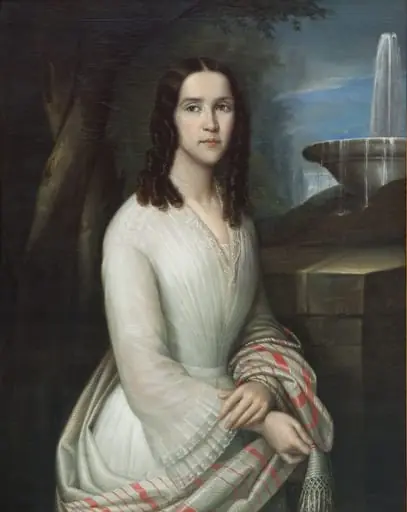 Sofia Kretzulescu-Iacovenco
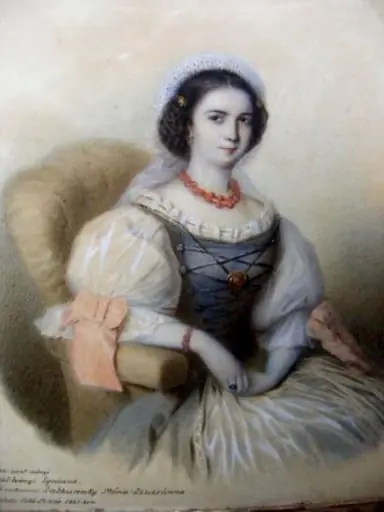 Szentiványi Ignácné
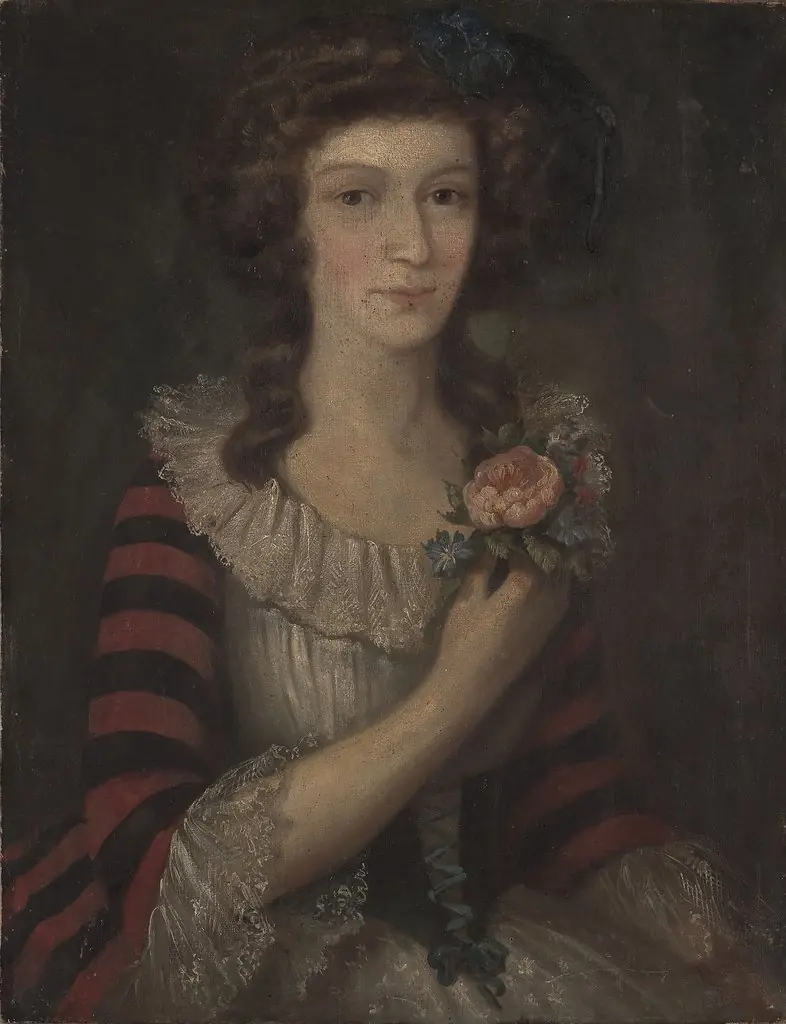 Portrait of Wiktoria Madalińska née Skotnicka (1762–1808), wife of general Józef Antoni Madaliński
 Portrait of a lady in a blue dress