Artwork
Queen of Hearts (Herzdame)
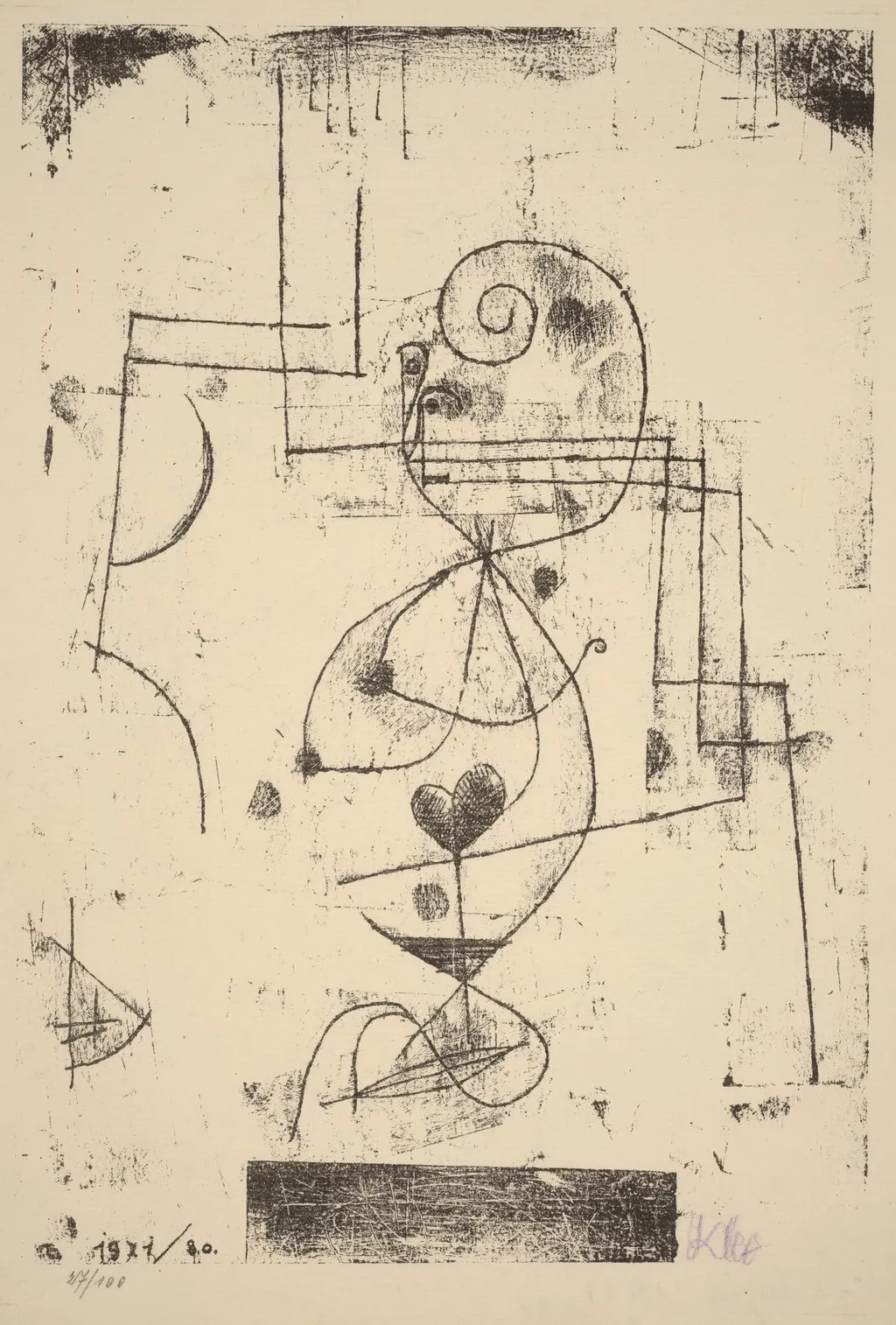
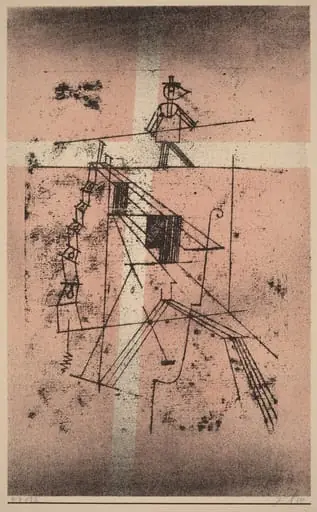
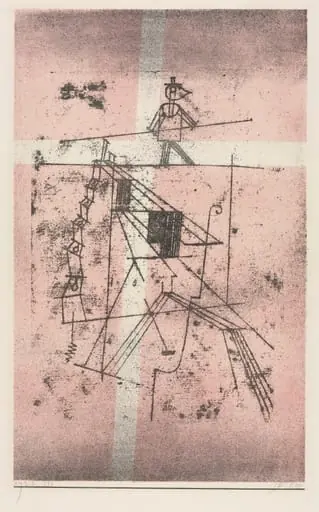
Queen of Hearts (Herzdame) is an ink print by Paul Klee. It dates from 1921 and is held in the collection of the National Gallery of Art.
About this work
If you like this painting, you might also want to check out the work of Paul Klee, the artist who created it.
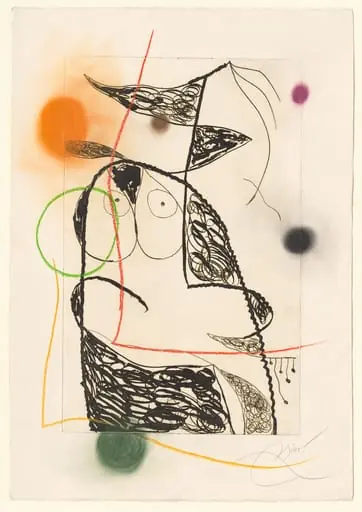
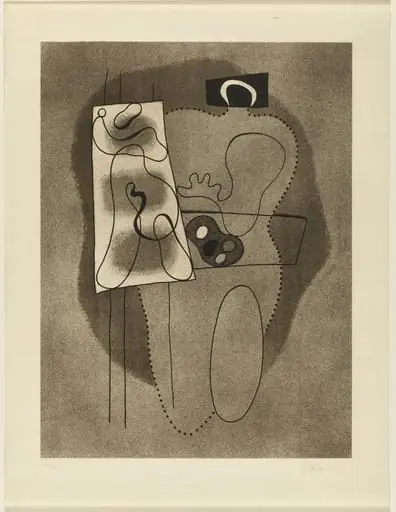
This painting is a lithograph, created in 1921. It's titled "Queen of Hearts (Herzdame)" and is held at the National Gallery of Art, Washington. The image is abstract, with a mix of lines, shapes, and symbols. There's a heart shape in the center, surrounded by swirling lines and geometric patterns. The overall effect is playful and whimsical.
The painting has a sense of movement and energy, with the lines and shapes seeming to dance across the page. The use of a limited color palette adds to the sense of simplicity and elegance.
If you like this painting, you might also want to check out the work of Paul Klee, the artist who created it.
Overview
Paul Klee produced *Queen of Hearts (Herzdame)* in 1921 as a lithograph, part of his broader exploration of graphic techniques during his time at the Bauhaus. The work belongs to a period when Klee synthesized abstract forms with symbolic elements, reflecting his interest in music, language, and visual rhythm. It is held in the collection of the National Gallery of Art in Washington, D.C., and exemplifies his method of distilling complex ideas into minimalist compositions.
Subject & Meaning
The title references the playing card, but the image resists literal interpretation. A central heart shape anchors the composition, surrounded by fragmented lines and geometric motifs that suggest movement, sound, or coded signs. Klee avoids narrative, instead inviting viewers to experience the piece as a visual poem—evoking emotion through rhythm and form rather than storytelling. The figure, if present, is dissolved into abstract notation.
Technique & Style
Klee employed lithography to achieve fine, controlled lines and subtle tonal shifts. His use of a restrained palette—predominantly black, gray, and muted tones—enhances the graphic clarity of intersecting shapes. The composition balances spontaneity with precision: swirling curves contrast with rigid angles, creating tension between order and chaos. This interplay reflects his belief in art as a dynamic equilibrium of opposing forces.
History & Provenance
Created during Klee’s tenure at the Bauhaus, the lithograph emerged from a fertile period of artistic experimentation and pedagogical innovation. It entered the National Gallery of Art’s collection through established acquisition channels, likely as part of a broader effort to document early 20th-century German modernism. Its preservation reflects its significance within Klee’s graphic oeuvre and the institutional recognition of his contributions to printmaking.
Context
In early 1920s Germany, artists were redefining representation amid political and cultural upheaval. Klee’s work responded to movements like Expressionism and Cubism without adhering to their dogmas. His approach was deeply personal, informed by his studies of color, music, and childlike symbolism. *Queen of Hearts* aligns with contemporaneous experiments in abstraction but stands apart through its lyrical restraint and intellectual playfulness.
Legacy
The lithograph contributes to Klee’s enduring influence on postwar abstraction and conceptual art. His integration of symbolic systems into visual form inspired later generations of artists working with signs, codes, and non-representational structures. While not widely exhibited as a standalone icon, *Queen of Hearts* remains a key example of his ability to transform simple elements into resonant, open-ended visual experiences.
Own this work as a print
Artist & collection
Artist
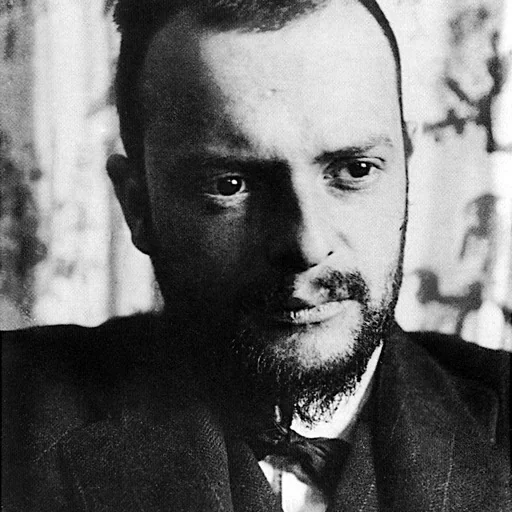
Paul Klee (German: ; 18 December 1879 – 29 June 1940) was a Swiss-born German artist.