Artwork
The Shrimp Fisherman
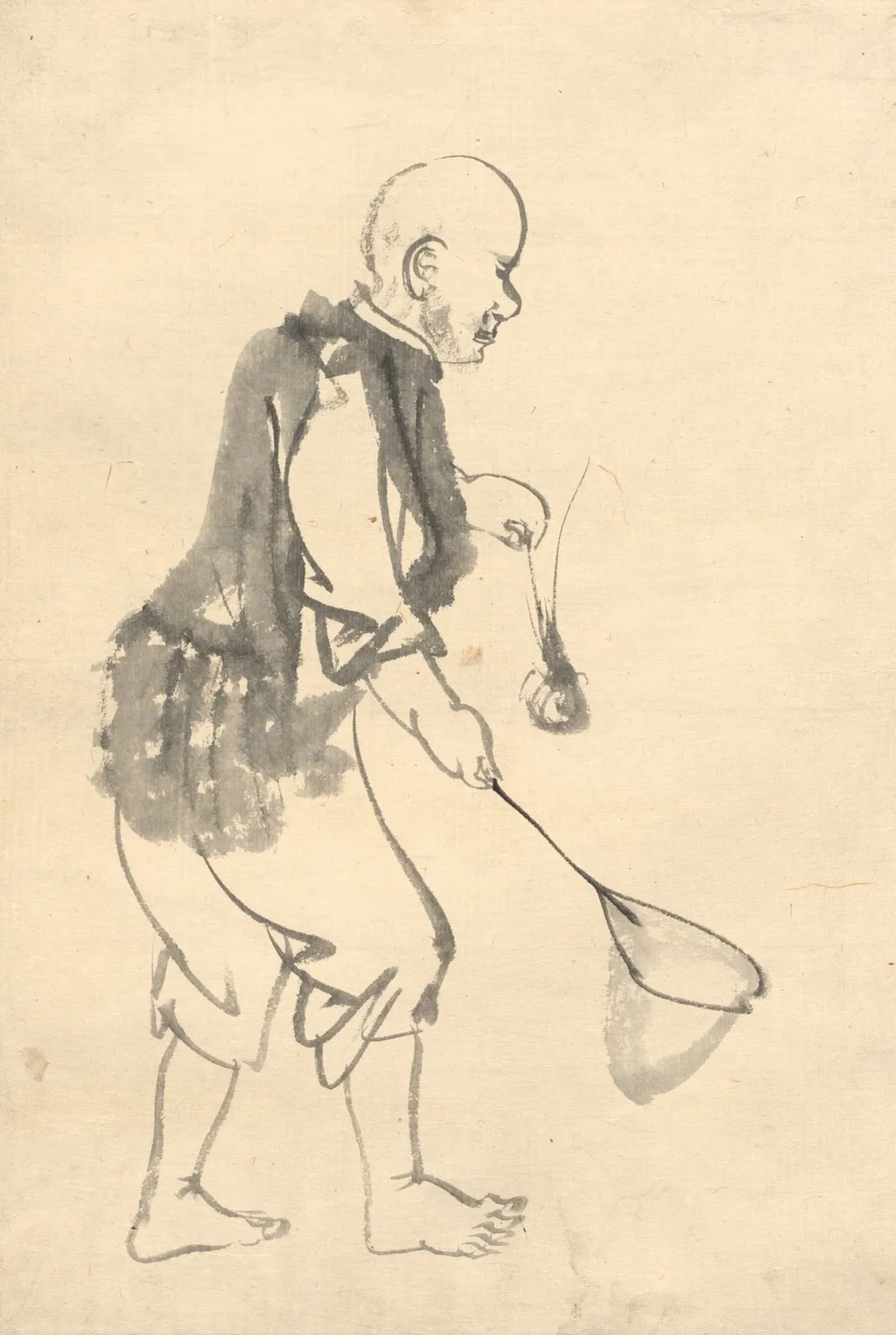
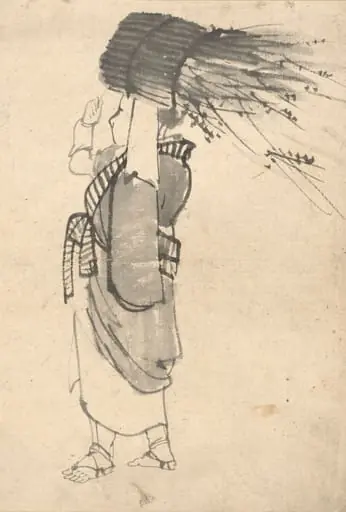
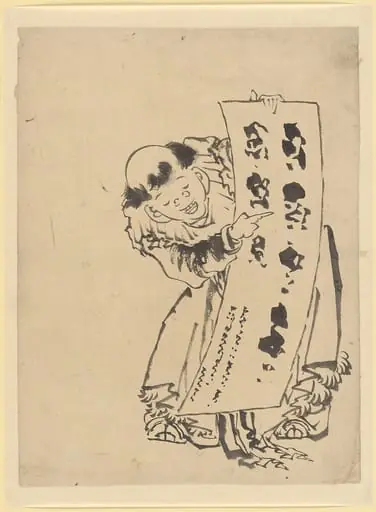
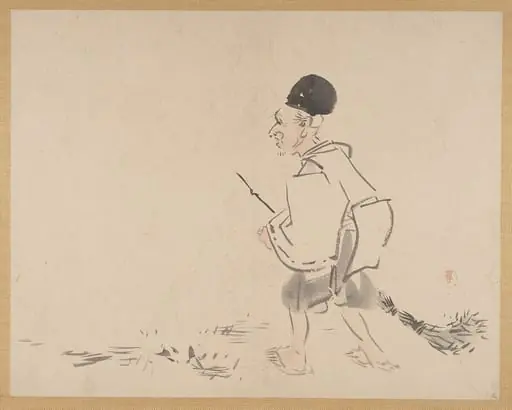
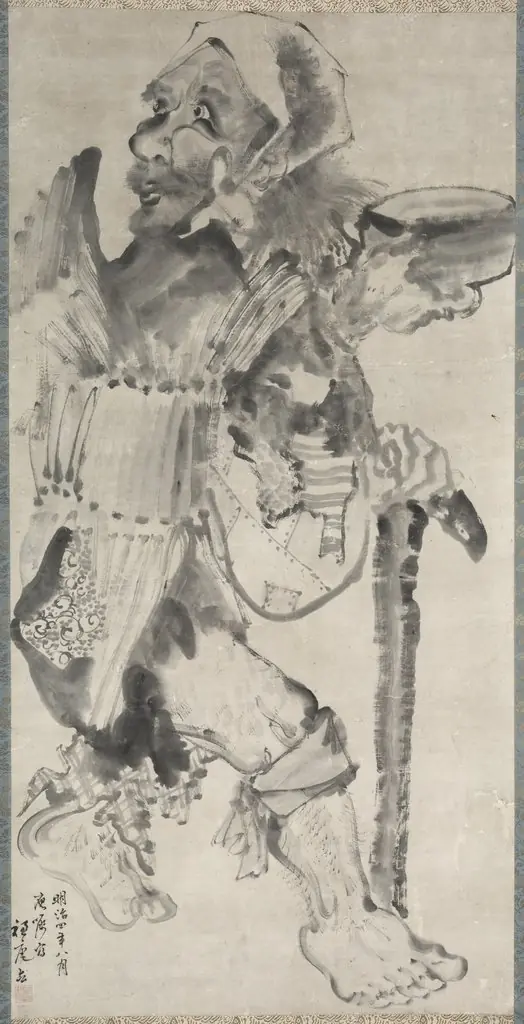
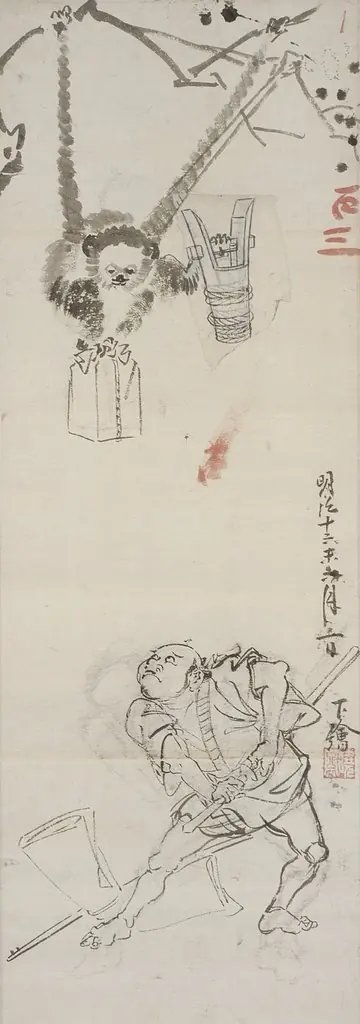
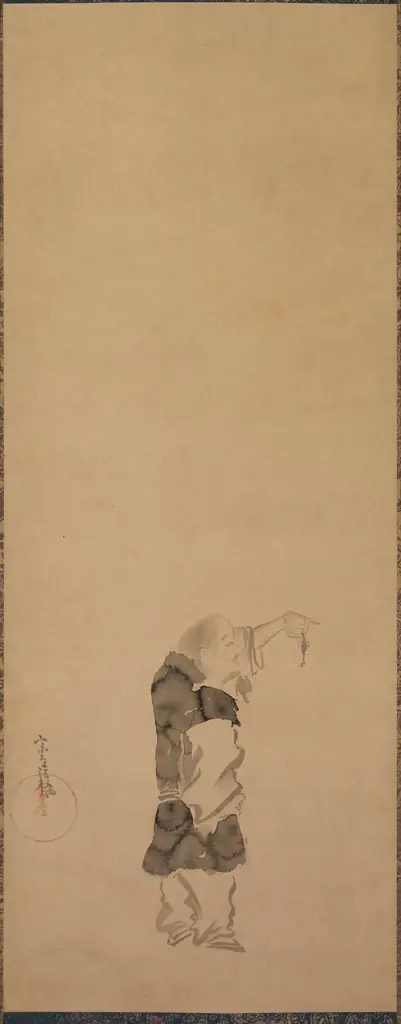
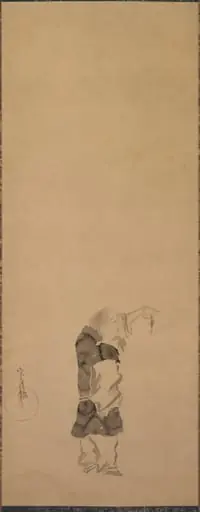
The Shrimp Fisherman is a drawing by the Impressionist artist Kōno Bairei. It dates from 1888 and is held in the collection of the Cleveland Museum of Art.
About this work
Overview
The Shrimp Fisherman is a drawing created by Kōno Bairei, a Kyoto-based artist of the Maruyama-Shijo school, around 1888 during Japan’s Meiji period. It showcases Bairei’s blend of traditional techniques with contemporary, everyday subjects.
Subject & Meaning
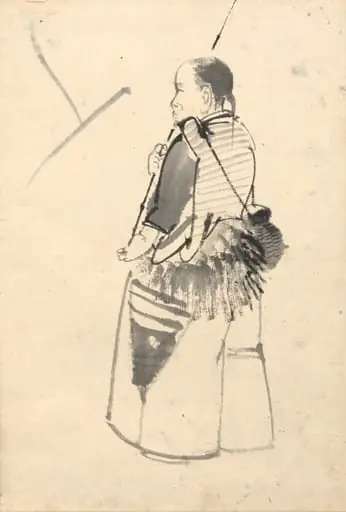
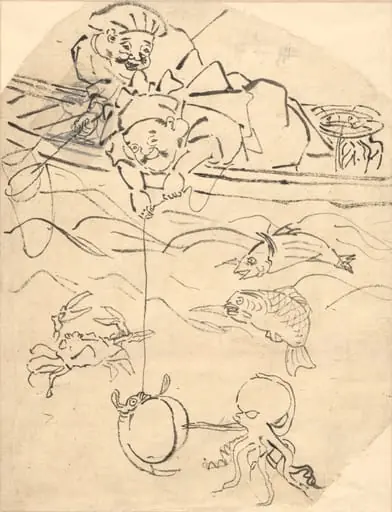
The drawing portrays a common, everyday scene: a barefoot shrimp fisherman intently at work, using a net and carrying a basket. The focus on an ordinary worker reflects Bairei’s interest in depicting mundane life.
Technique & Style
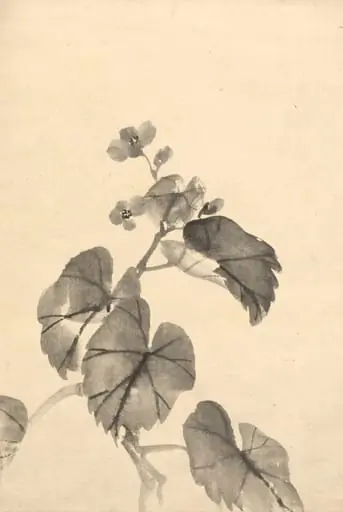
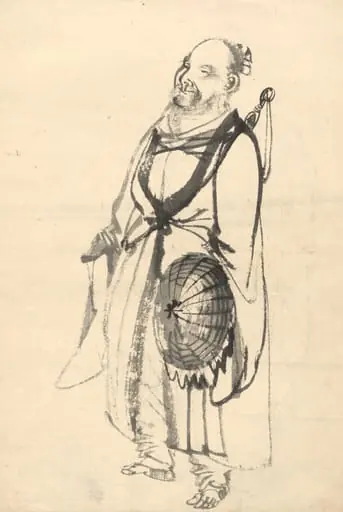
Executed in a loose, quick manner, the drawing features soft shading and lacks fine details, exemplifying Bairei’s refined yet naturalistic approach, influenced by Realism’s emphasis on truthful representation.
History & Provenance
Created circa 1888, the work is characteristic of Bairei’s output during the Meiji period, though specific provenance details (ownership history) are not provided.
Context
The Shrimp Fisherman sits within the broader context of Meiji-era art, which saw the fusion of traditional Japanese techniques with Western influences, such as Realism. Bairei’s work, particularly his kacho-e (bird-and-flower prints), was known for this blend.
Legacy
While The Shrimp Fisherman itself is not highlighted as a singularly pivotal work, it contributes to Bairei’s legacy of documenting ordinary life in Meiji Japan, reflecting the era’s artistic shift towards realism and everyday subjects.
Artist & collection
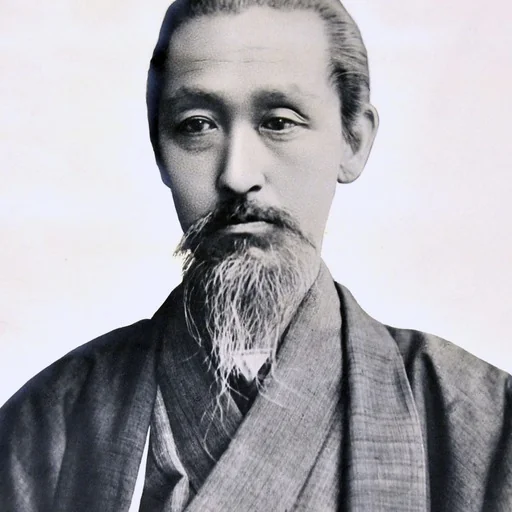
Artist
Kōno Bairei (幸野 楳嶺; March 3, 1844 – February 20, 1895) was a Japanese painter, book illustrator, and art teacher.