Artwork
Negro
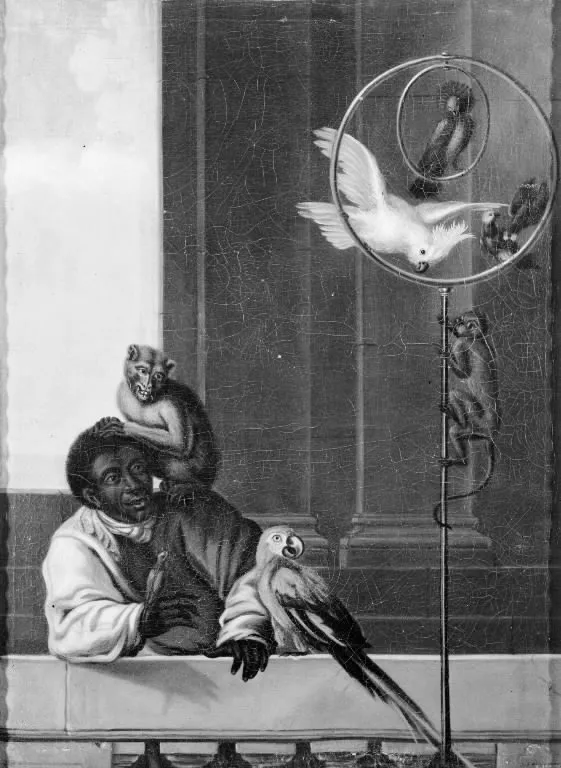
Negro is an oil painting by the Barbizon school artist Konrad Sparre. It dates from 1719 and is held in the collection of the Statens Museum for Kunst.
About this work
Overview
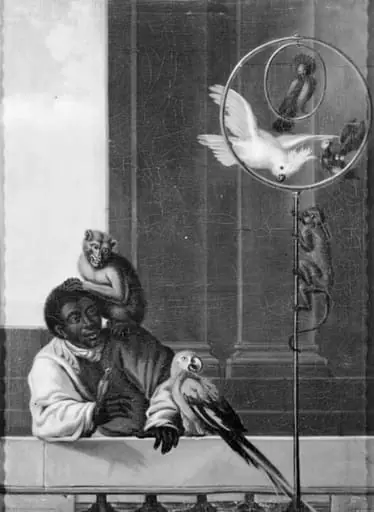
Konrad Sparre’s 1719 oil painting titled Negro portrays a seated figure of African descent in a white shirt, surrounded by a small menagerie.
Konrad Sparre’s 1719 oil painting titled Negro portrays a seated figure of African descent in a white shirt, surrounded by a small menagerie. The composition includes a monkey perched on the man’s shoulder, a parrot on the bench, and a suspended cage holding two birds. Set before a wall and a column, the work conveys a tranquil domestic scene and is part of the collection of the Statens Museum for Kunst.
Subject & Meaning
The central figure, a dark‑skinned man, is rendered with a neutral expression, suggesting a moment of quiet observation rather than narrative drama. The inclusion of exotic animals—monkey, parrot, and caged birds—reflects contemporary European fascination with the ‘exotic’ and may allude to themes of curiosity, trade, or the juxtaposition of humanity and nature within a cultivated interior.
Technique & Style
Executed in oil on canvas, Sparre employs a restrained palette of muted earth tones contrasted with the vivid plumage of the parrot and birds. The brushwork is smooth, emphasizing the polished surfaces of clothing and furnishings, while the animals receive finer detailing, highlighting texture and feather. The balanced arrangement and clear spatial recession create a calm, orderly atmosphere typical of early‑18th‑century portraiture.
History & Provenance
Created in 1719, the painting entered the holdings of Denmark’s national gallery, the Statens Museum for Kunst, where it remains on display. Documentation traces its acquisition to the museum’s early 20th‑century collection efforts, though earlier ownership records are scarce, suggesting it may have circulated among private collectors before entering public custody.
Context
The work emerges from a period when European artists frequently depicted individuals of African origin alongside exotic fauna, reflecting both the expansion of global trade routes and the era’s curiosity about foreign cultures. Sparre’s composition aligns with contemporary genre scenes that blend portraiture with still‑life elements, offering insight into the social attitudes and aesthetic preferences of the early Enlightenment.
Artist & collection
Artist
Konrad Sparre spent his life behind the scenes in Copenhagen’s royal workshops, stitching costumes and painting props no one ever saw.

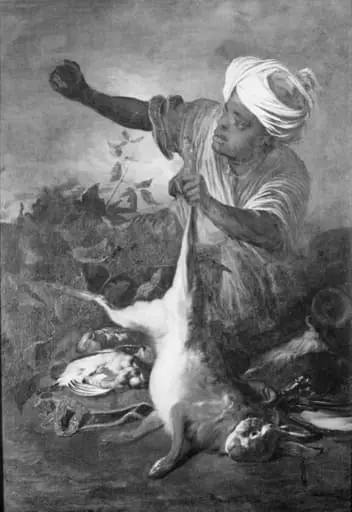 An african with Hunting Trophies
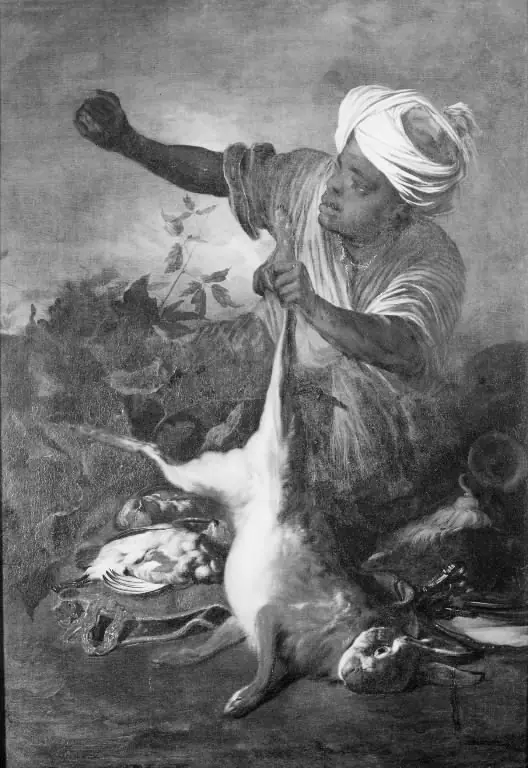 Black with Hunting Trophies
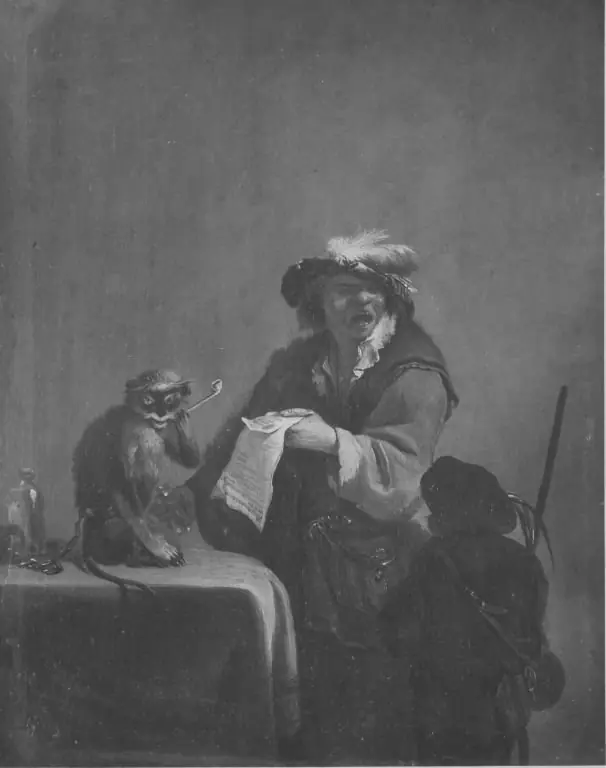 Der Marktschreier
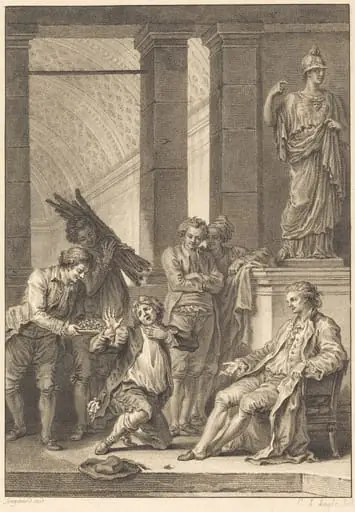 Le paysan
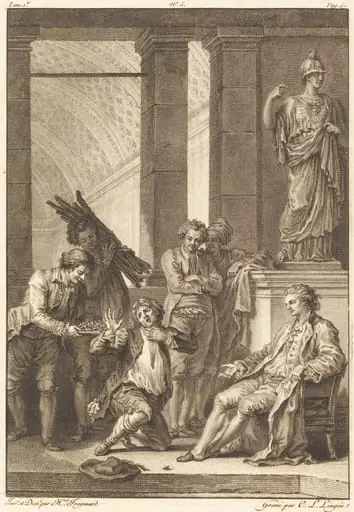 Le paysan
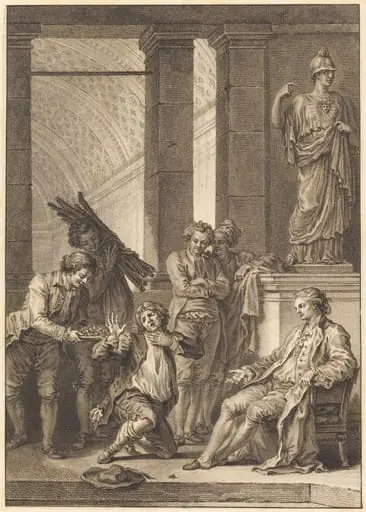 Le paysan
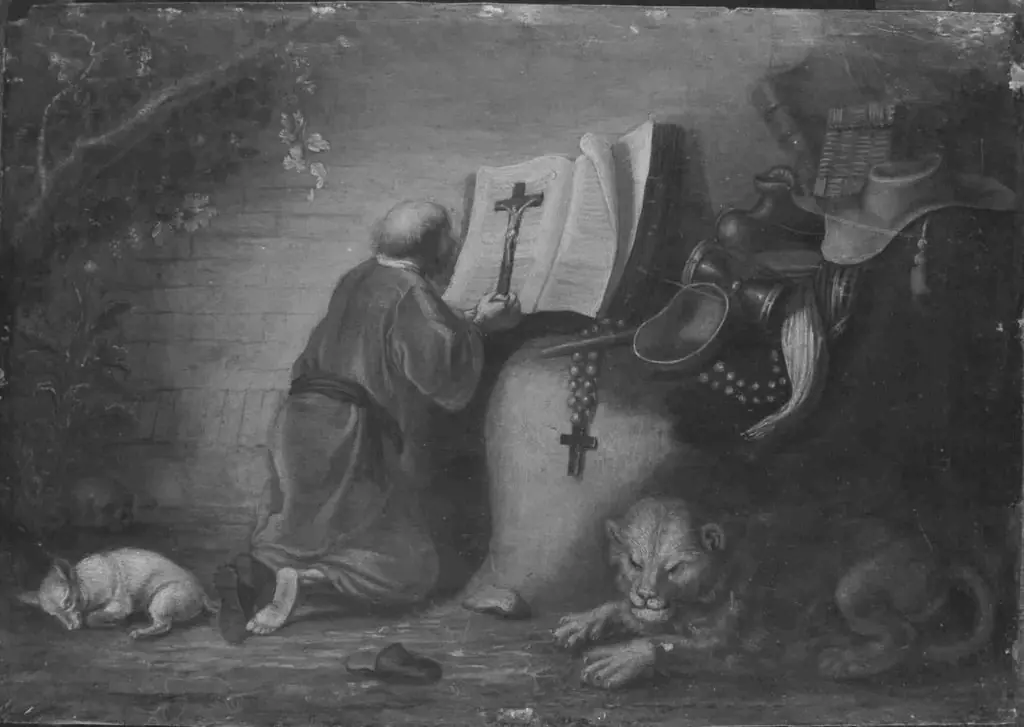 Hl. Hieronymus (Nachahmer)
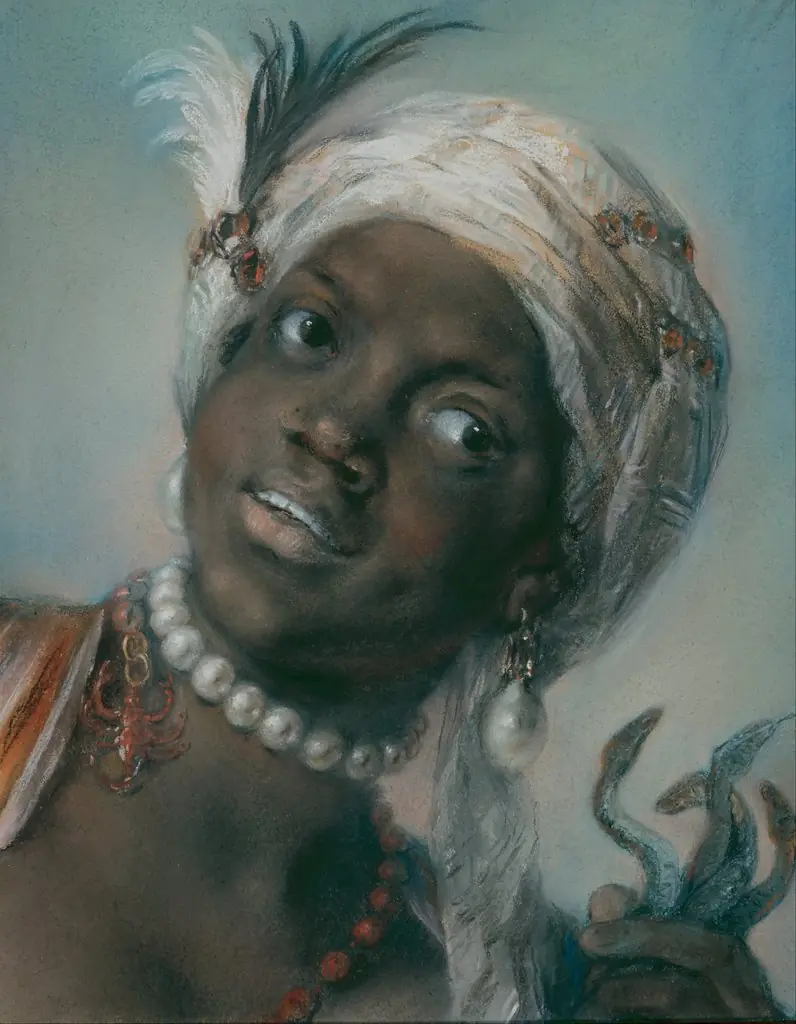 Africa
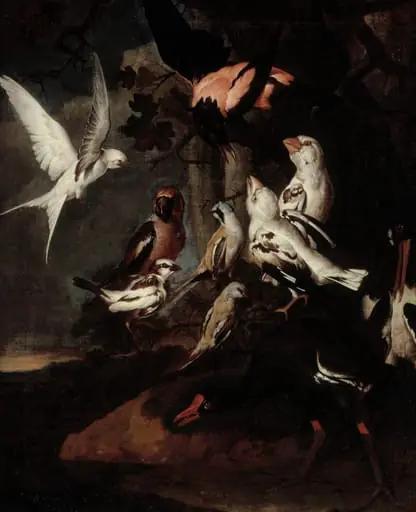 Eksoottisia lintuja
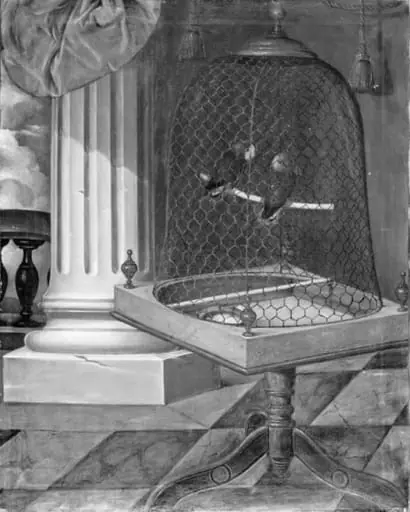 På et bord står et fuglebur med kongens våben, hvori der er et par selskabsfugle
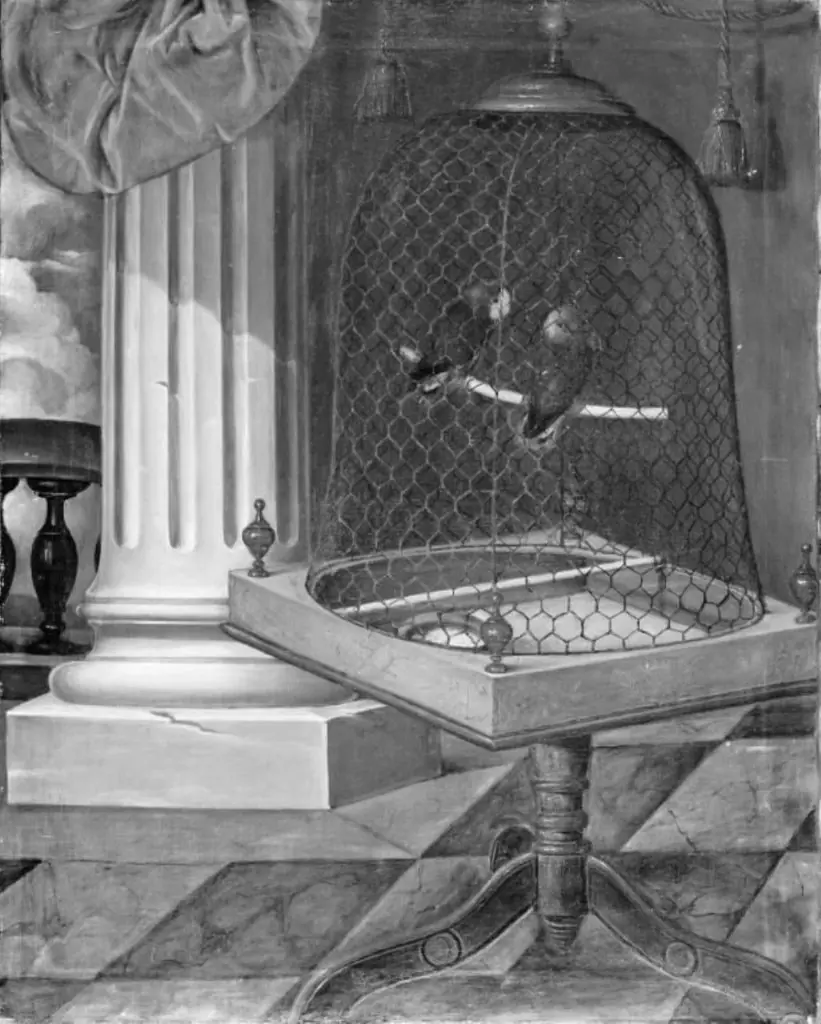 På et bord står et fuglebur med kongens våben, hvori der er et par selskabsfugle
 An african