Artwork
Palingenesis
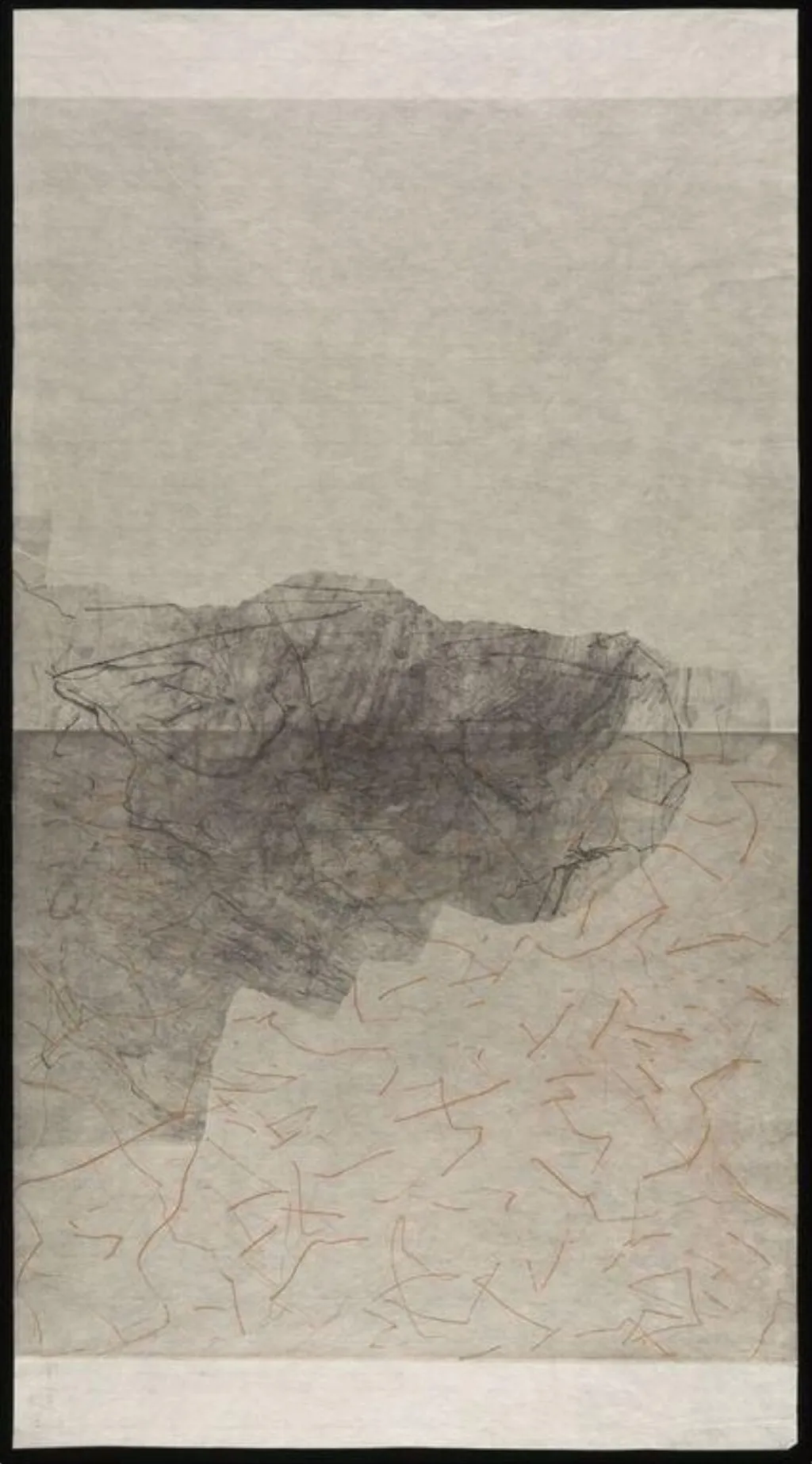
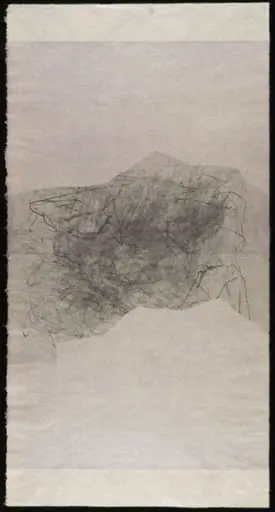
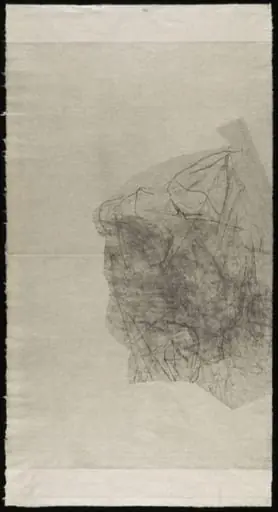
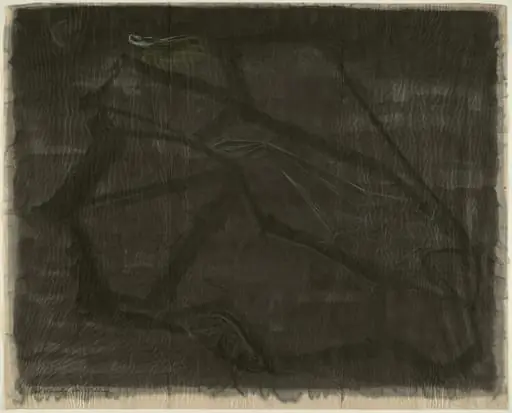
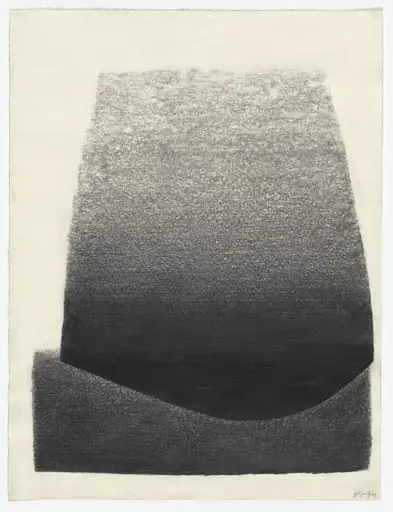
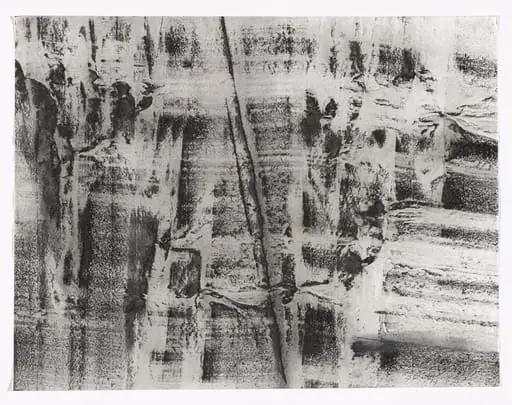
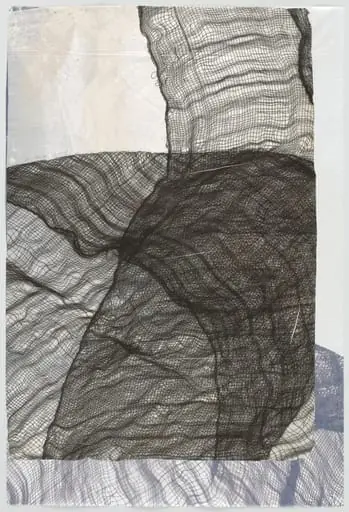
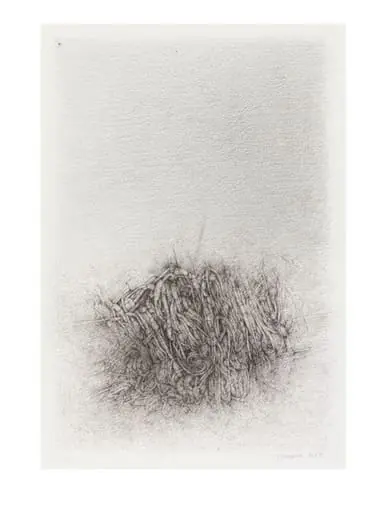
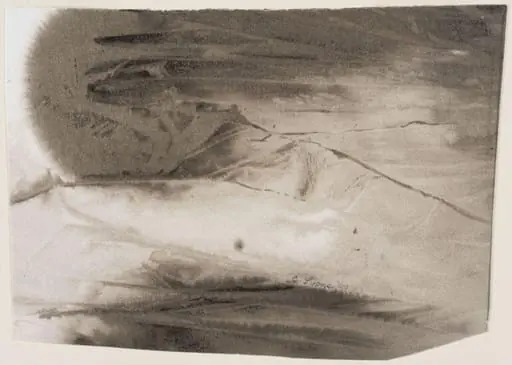
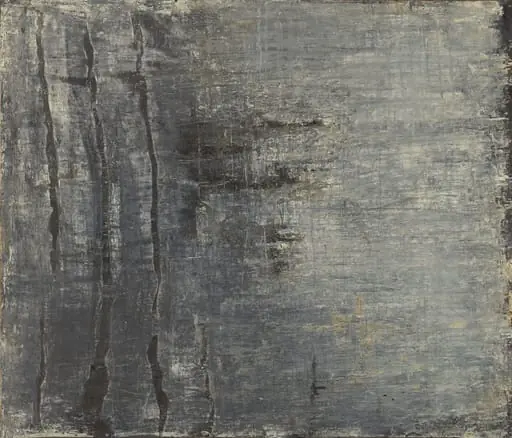
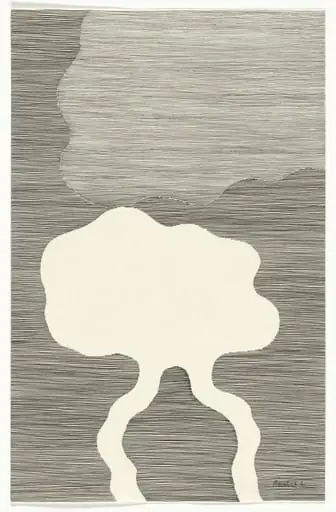
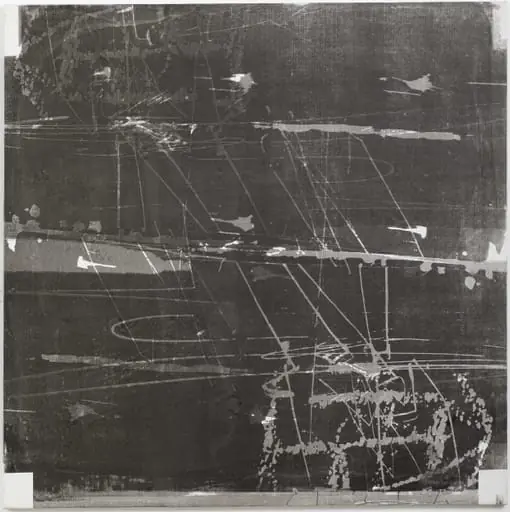
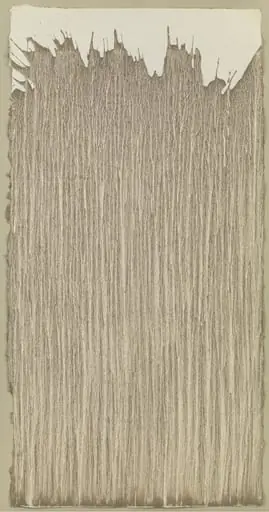
Palingenesis is a print by Kumi Korf. It dates from 2001 and is held in the collection of the Victoria and Albert Museum.
About this work
She uses a bone folder—a tool from bookbinding—to scratch soft-ground etching plates.
Kumi Korf’s print *Palingenesis* is a 2001 abstract work on Japanese paper. She uses a bone folder—a tool from bookbinding—to scratch soft-ground etching plates. The prints look simple at first but hint at older art.
Korf grew up in Japan and now lives in the USA. She made several *Palingenesis* prints after studying lectures about cave paintings. The name means “rebirth,” tying to her idea of images as a survival tool.
Look up the Victoria and Albert Museum for more of her prints.
Overview
Kumi Korf, raised in Japan and based in the United States, creates prints and artist’s books that bridge cultural traditions. Since 1998, she has employed a bone folder—a traditional bookbinding tool—to incise soft-ground etching plates. Her series Palingenesis, produced on Japanese paper, explores abstraction through tactile mark-making, drawing from both Western critical theory and East Asian aesthetic principles.
Subject & Meaning
The title Palingenesis, meaning 'rebirth,' reflects Korf’s engagement with the idea that image-making is fundamental to human survival and evolution. Inspired by Herbert Read’s writings on Altamira cave art, she views drawing not as decoration but as an ancestral act of cognition. The works suggest primal origins, evoking early human attempts to record experience, while remaining formally abstract and open to interpretation.
Technique & Style
Korf uses the bone folder’s dual edges to produce varied lines—fine scratches and broad, smudged strokes—on soft-ground etching plates. The resulting prints are gestural and unpolished, echoing the spontaneity of automatic drawing. Her approach merges the physicality of calligraphy with the structural rhythm of Japanese scroll painting, creating compositions that feel both immediate and deeply rooted in tradition.
History & Provenance
The Palingenesis series was initiated in 1998 and expanded through the early 2000s, with the 2001 prints being among the most recognized. Korf developed the technique independently, adapting a utilitarian tool for artistic expression. These works have been collected by institutions including the Victoria and Albert Museum, where examples of her broader print practice are held in their permanent collection.
Context
Korf’s work emerges at the intersection of postwar American abstraction and Japanese visual culture. Her use of the bone folder reflects a broader interest in repurposing everyday tools, while her references to cave art align with late 20th-century inquiries into the origins of visual language. The series resists narrative, instead inviting contemplation of image-making as a universal, pre-linguistic act.
Legacy
Palingenesis contributes to a lineage of artists who explore materiality and ritual in printmaking. Korf’s method has influenced contemporary practitioners interested in non-traditional tools and cross-cultural aesthetics. Her work underscores the continuity between ancient image-making and modern abstraction, positioning the hand-made mark as a quiet but persistent form of cultural memory.
Artist & collection
Artist
Japanese-born Kumi Korf made layered prints that play with memory and regeneration.