Artwork
Design for a document for presentation to a mayor of Karlsbad
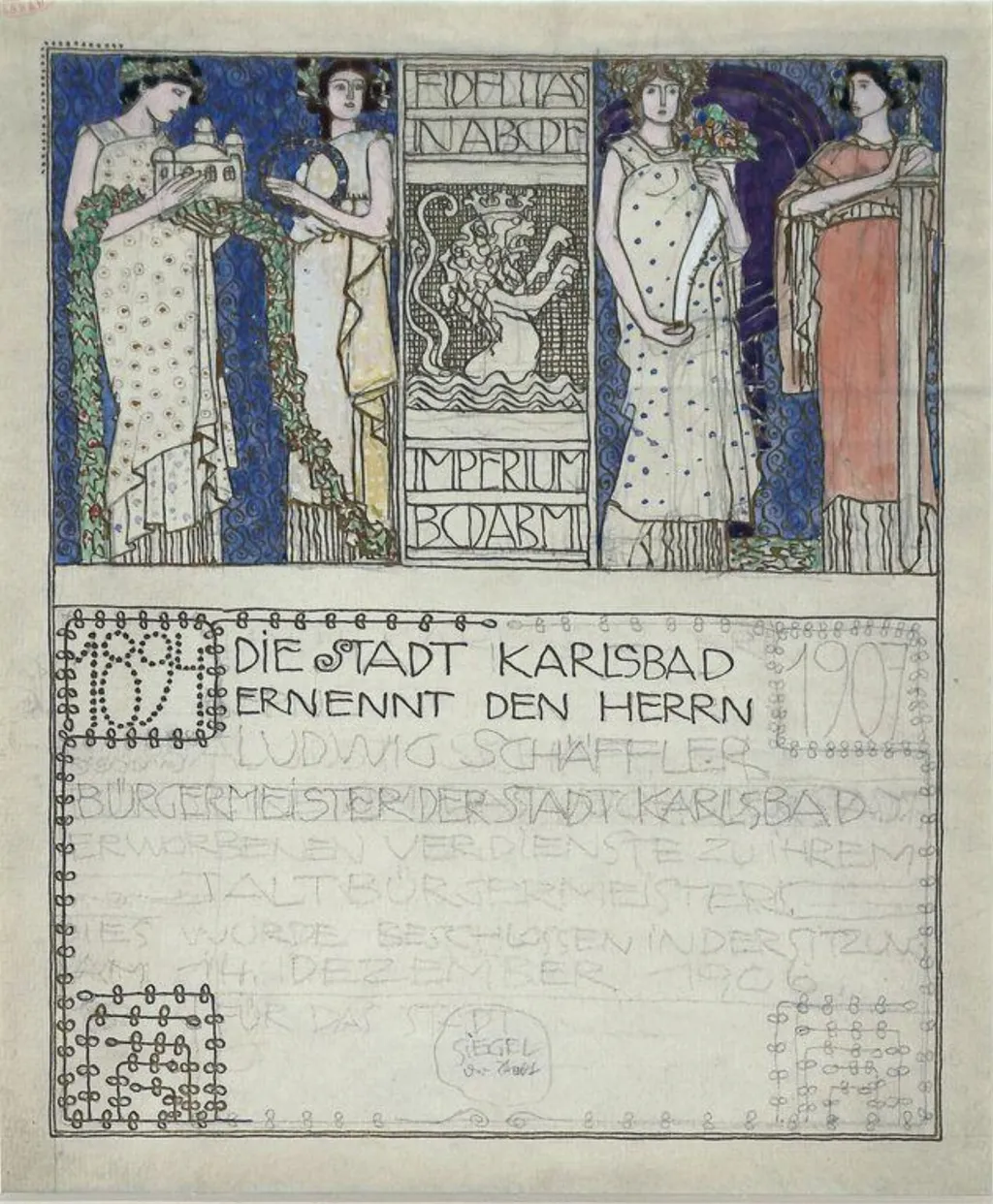
Design for a document for presentation to a mayor of Karlsbad is a watercolor work on paper by the Art Nouveau artist Bertold Löffler. It dates from 1907 and is held in the collection of the Victoria and Albert Museum.
About this work
Overview
It features four upright female figures arranged in a row, each holding symbolic objects and dressed in vivid, flowing garments.
Created in 1907 by Bertold Löffler, this watercolour was designed as a formal presentation document for the mayor of Karlsbad. It features four upright female figures arranged in a row, each holding symbolic objects and dressed in vivid, flowing garments. The composition resembles an official certificate, framed by decorative elements and Latin inscriptions, suggesting ceremonial or civic significance rather than purely artistic intent.
Subject & Meaning
The four figures likely represent allegorical virtues or civic ideals, common in early 20th-century official imagery. Their stylized postures and symbolic attributes—such as a book and flowers—suggest knowledge, dignity, and renewal. The mounted rider in the background panel may allude to local history or authority. Latin text reinforces the document’s formal tone, aligning the presentation with traditions of civic heraldry and institutional gravitas.
Technique & Style
Löffler employed transparent watercolour with bold, flat outlines to create a graphic, almost heraldic effect. The figures are rendered with minimal modeling, emphasizing silhouette over naturalism. Bright hues of blue, white, and pink contrast against a restrained background, enhancing the decorative quality. The overall aesthetic draws from medieval illuminated manuscripts and Jugendstil design, blending historical reference with early modern sensibility.
History & Provenance
The work was commissioned as part of a civic presentation in Karlsbad, a spa town then known for its cultural prestige. Its survival suggests it was preserved within municipal archives or private collections connected to local governance. It entered the Victoria and Albert Museum’s collection through documented acquisition, likely as part of a broader effort to preserve design artifacts tied to European civic life in the early 1900s.
Context
In early 20th-century Central Europe, towns like Karlsbad used ceremonial documents to reinforce civic identity and cultural continuity. Löffler’s design reflects the era’s interest in reviving historical motifs for modern institutions, blending Art Nouveau elegance with medieval symbolism. Similar works were produced for mayors, universities, and guilds, serving as visual affirmations of tradition amid rapid industrial change.
Legacy
Though not widely exhibited, the piece remains a representative example of regional civic design from the Austro-Hungarian periphery. It illustrates how local authorities commissioned art to convey authority and cultural refinement. Its preservation in the Victoria and Albert Museum underscores its value as a material artifact of public ritual and design practice beyond fine art traditions.
Artist & collection
Artist
Bertold Löffler spent his life making things look official—diplomas, city seals, even the mayor’s letterhead—with a quiet, precise hand.

 A Greek Play
 Study for a Lunette
 Vows of Jan Kazimierz
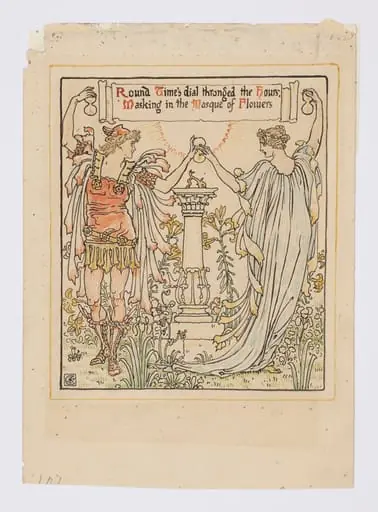 Queen Summer, or the Tourney of the Lily and the Rose
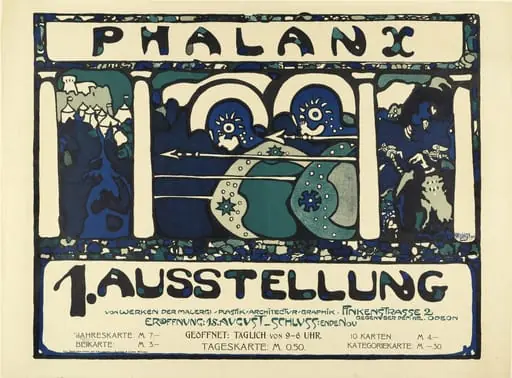 Untitled
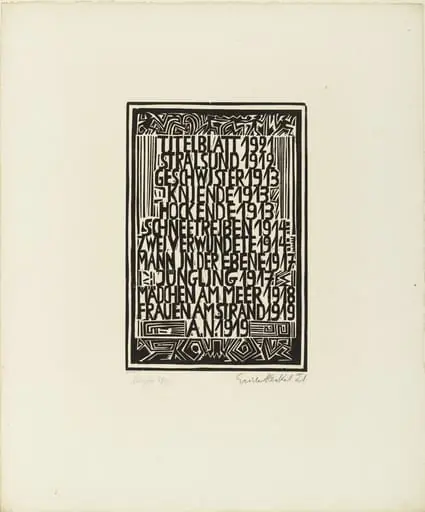 Untitled
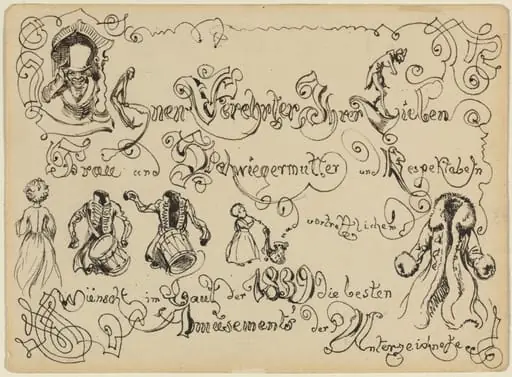 A New Year's Greeting
 Study of frescos by Raphael on the ceiling of the Stanze della Segnatura in the Vatican Palace
 Ornament
 Udkast til freskerne i Viborg Domkirke. Koret
 En plus
 Documents Decoratifs: Plate 38