Artwork
Study for "Christ Appearing to Mary"
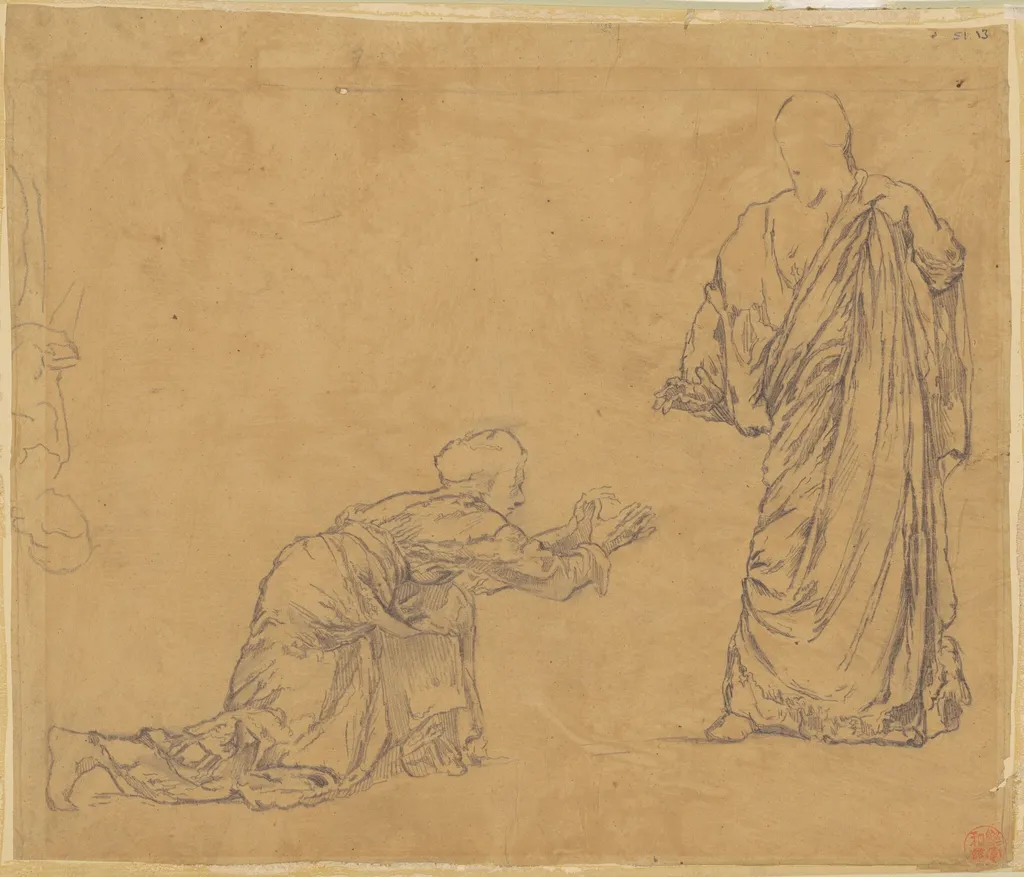
Study for "Christ Appearing to Mary" is a graphite drawing by the Impressionist artist John La Farge. It dates from 1878 and is held in the collection of the National Gallery of Art.
About this work
Overview
This graphite drawing on tracing paper, mounted to board, serves as a preparatory study for a larger work, 'Christ Appearing to Mary', dated to 1878.
Subject & Meaning
The subject matter revolves around a pivotal Christian narrative, where Christ appears to Mary after his resurrection, implying the drawing explores themes of faith, revelation, and possibly the emotional depth of the encounter.
Technique & Style
Executed in graphite on tracing paper, the piece showcases La Farge's drafting skills. The use of tracing paper may indicate an emphasis on line work and transparency in the creative process.
History & Provenance
Created in 1878 by John La Farge, specific details about its commission, exhibition history, or current ownership are not provided in the available information.
Context
Part of the late 19th-century artistic landscape, this study reflects the ongoing interest in religious themes among artists of the time, potentially influenced by or contributing to the broader movements in European and American art.
Legacy
As a study, its primary legacy lies in its relationship to the final painting 'Christ Appearing to Mary', contributing to the understanding of La Farge's creative process and artistic decisions.
Artist & collection

Artist
John La Farge (March 31, 1835 – November 14, 1910) was an American artist whose career spanned illustration, murals, interior design, painting, and popular books on his Asian travels and other art-related topics.

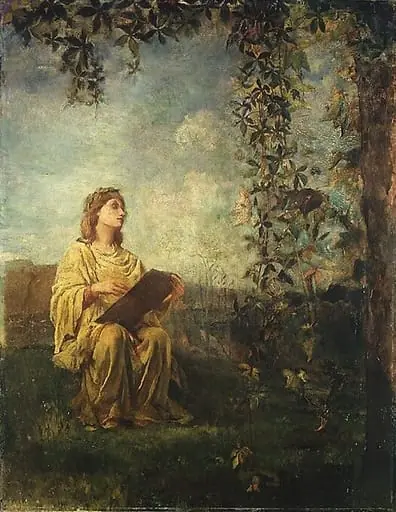 The Muse of Painting
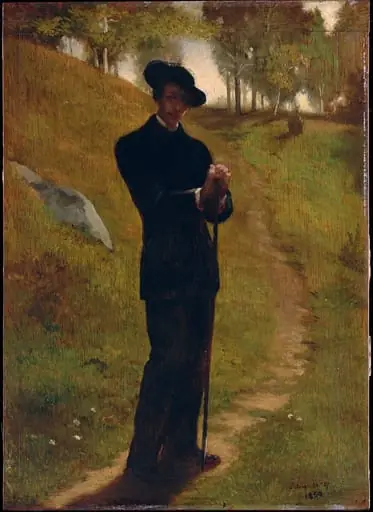 Portrait of the Painter
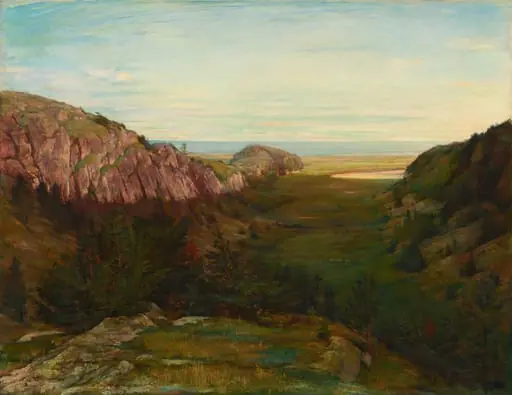 The Last Valley - Paradise Rocks
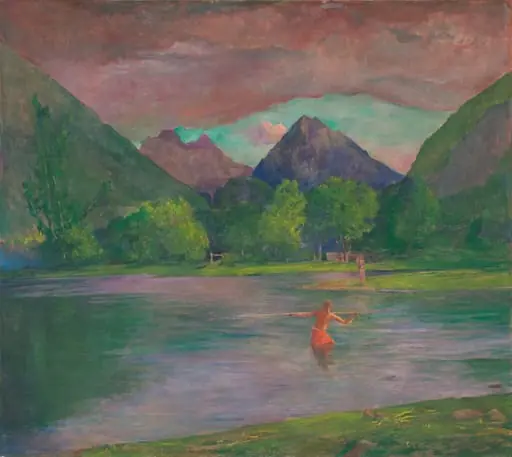 The Entrance to the Tautira River, Tahiti. Fisherman Spearing a Fish
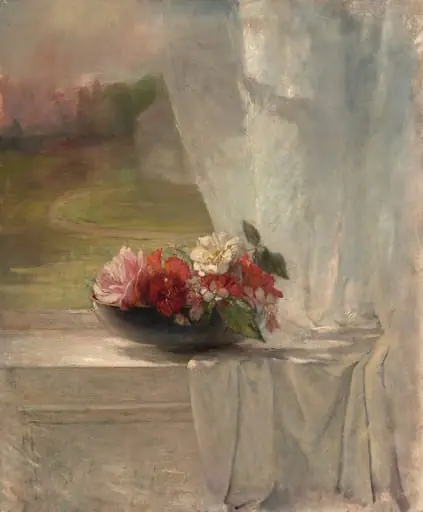 Flowers on a Window Ledge
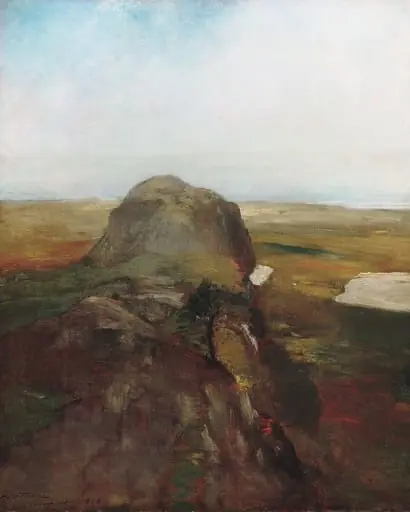 Autumn Study, View over Hanging Rock, Newport, R.I.
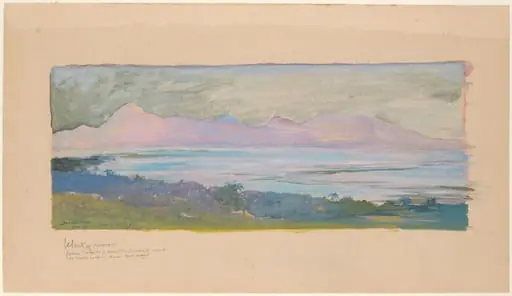 The Island of Moorea Looking across the Strait from Tahiti, January 1891
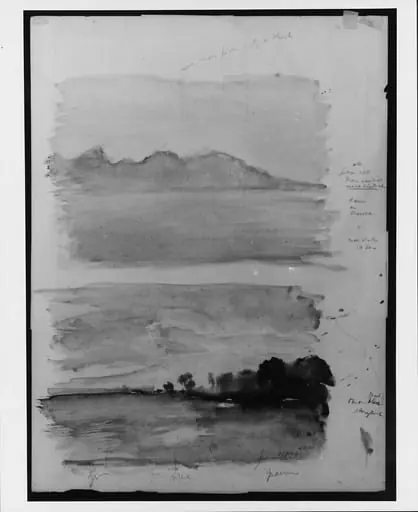 Double Study of Dawn, Moorea Seen across the Water, Tahiti
![Three Figures [verso], by Mather Brown](https://artifactworldgallery.com/img/mather-brown--three-figures-verso--d67cc3e7c0d36b3b-w320.webp) Three Figures [verso]
Three Figures [verso]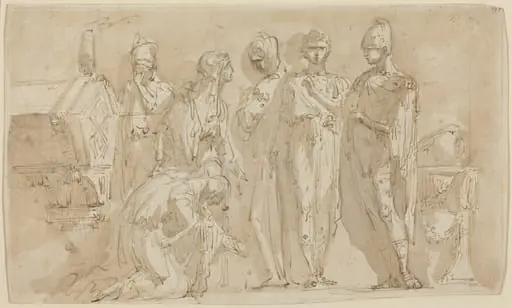 Coriolanus before the Women of Rome
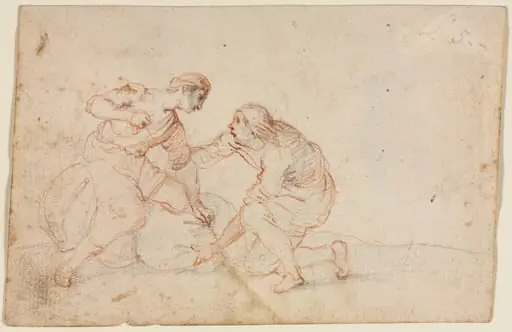 Two Men Tying a Bundle (recto)
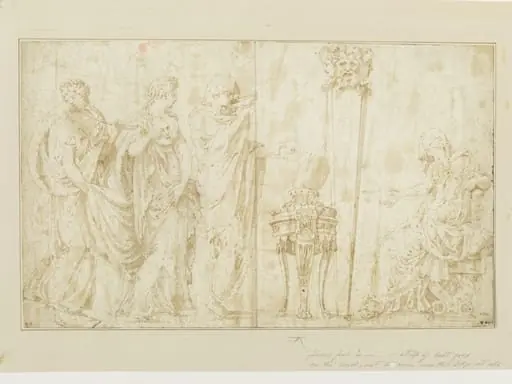 A sacrifice
![Mucius Scaevola [recto], by John Hamilton Mortimer](https://artifactworldgallery.com/img/john-hamilton-mortimer--mucius-scaevola-recto--0de678fa443f7962-w320.webp) Mucius Scaevola [recto]
Mucius Scaevola [recto]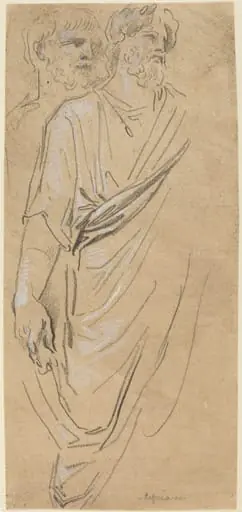 Studies of a Classical Figure
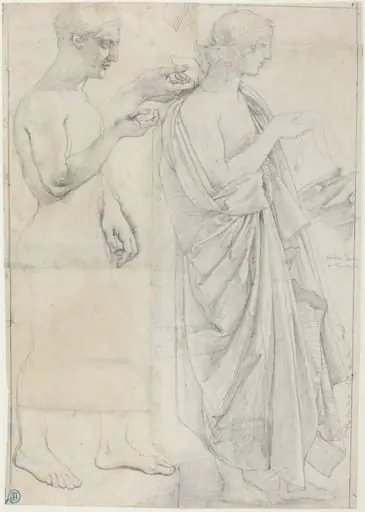 Two Studies of Virgil
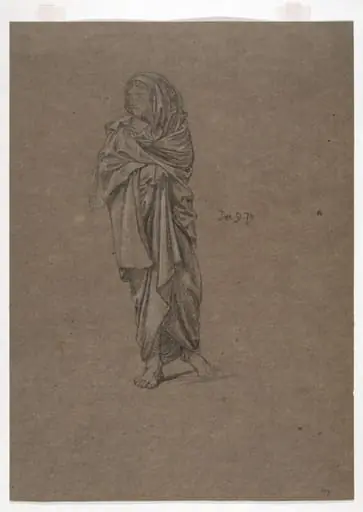 December
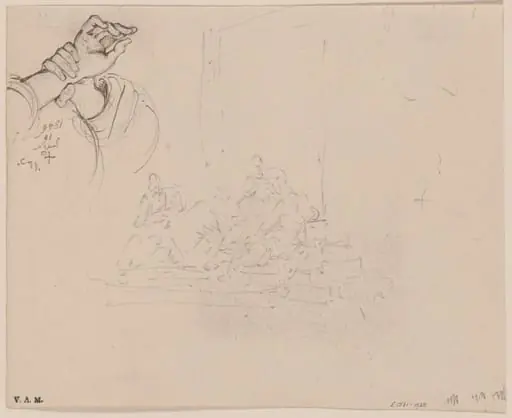 Clasped hands, and a sketch of Chinese figures
![The Adoration of the Magi [recto], by Donato Creti](https://artifactworldgallery.com/img/donato-creti--the-adoration-of-the-magi-recto--2cfd5d76b55e821e-w320.webp) The Adoration of the Magi [recto]
The Adoration of the Magi [recto]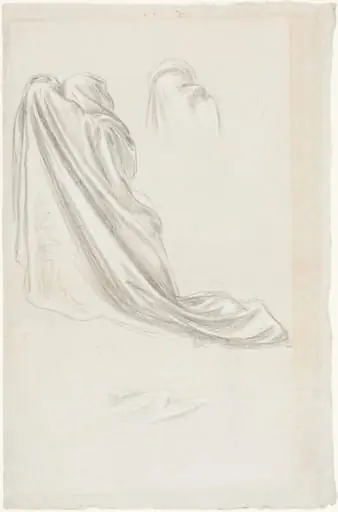 Study for "The Wise and Foolish Virgins"
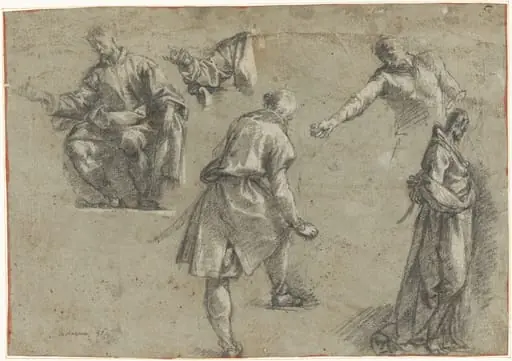 Studies for Christ Before Caiaphas