Artwork
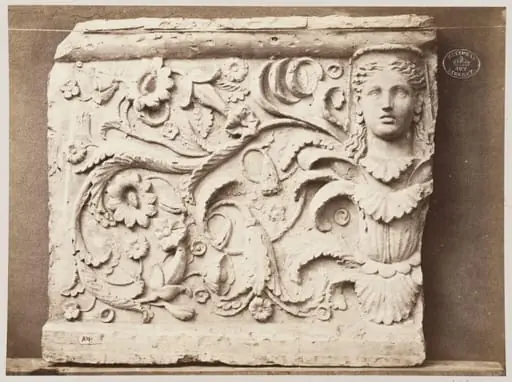
Bas-relief of a portion of a frieze with a thymiaterion and two temple slave females carrying baskets in terra cotta
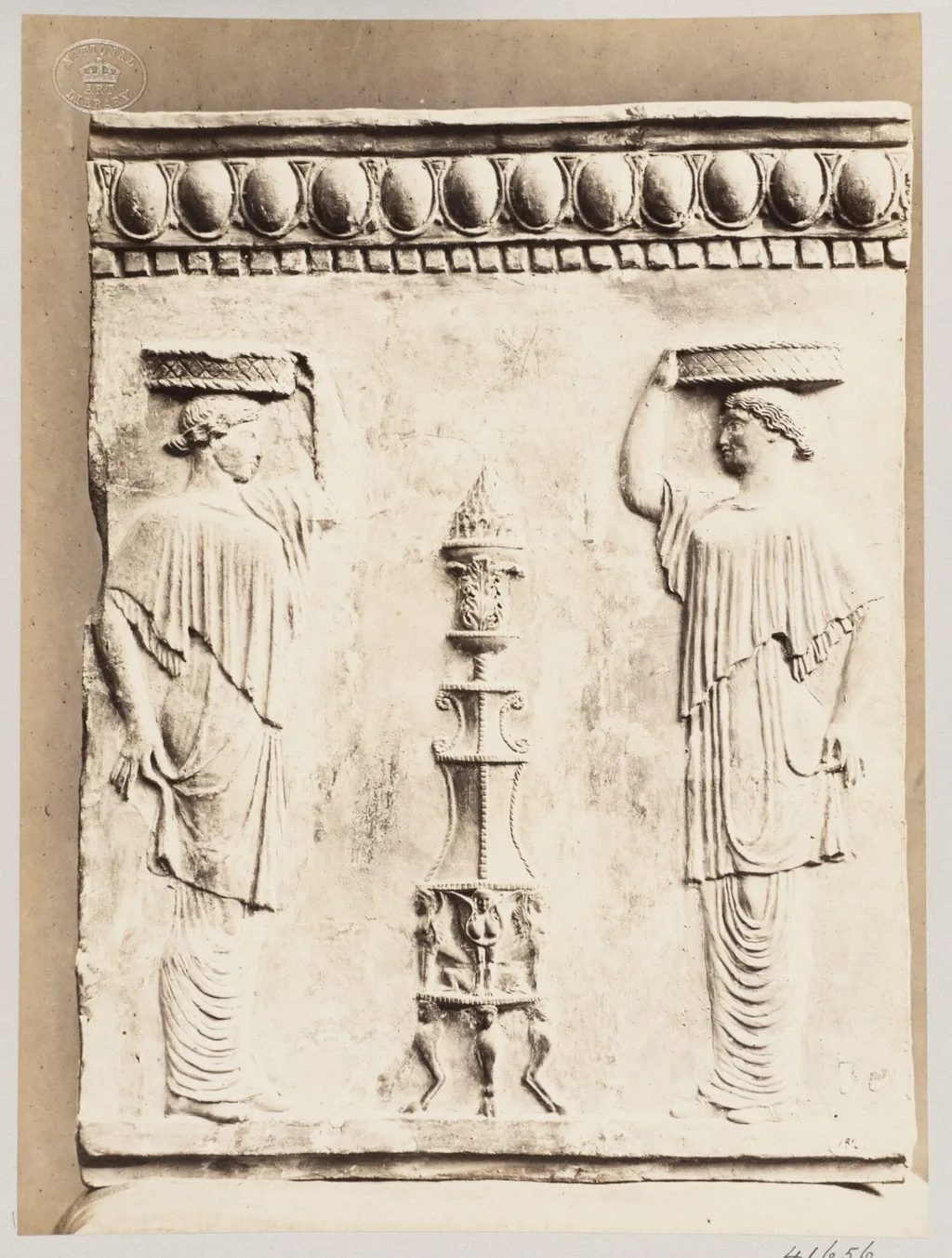
Bas-relief of a portion of a frieze with a thymiaterion and two temple slave females carrying baskets in terra cotta is a photographic photography by the Impressionist artist Louise Laffon. It dates from 1864 and is held in the collection of the Victoria and Albert Museum.
About this work
It shows part of a frieze with a thymiaterion and two temple slave females carrying baskets.
This is a terra cotta bas-relief photo from 1863-1864 by Louise Laffon. It shows part of a frieze with a thymiaterion and two temple slave females carrying baskets. The photo is part of the V&A’s historic collection.
The V&A started collecting photos in 1852 and was the first museum to exhibit them. Henry Cole saw photography’s value for artists and students early on.
Look up the Victoria and Albert Museum next.
Overview
This 1863‑64 photograph, taken by French photographer Louise Laffon, records a fragment of a terra‑cotta bas‑relief. The relief depicts a segment of a decorative frieze that includes a thymiaterion—a ritual incense burner—and two female temple attendants bearing baskets. The image forms part of the Victoria and Albert Museum’s early photographic holdings, illustrating the museum’s historic engagement with photography as a documentary medium.
Subject & Meaning
The carved scene presents a ritual context: the thymiaterion suggests a ceremonial offering, while the two attendant figures, identified as temple slaves, carry baskets that likely contain offerings or ritual implements. Their depiction reflects the ancient practice of involving subordinate figures in sacred rites, offering insight into the social hierarchy and religious customs represented in the original sculptural program.
Technique & Style
Laffon employed the mid‑nineteenth‑century wet‑plate collodion process, capturing the relief’s low relief surface with sharp tonal contrast. The photograph emphasizes the shallow depth of the bas‑relief, rendering the incised details of the thymiaterion and the figures’ drapery. The composition isolates a portion of the larger frieze, focusing the viewer’s attention on the ritual objects and attendant figures.
History & Provenance
The image entered the V&A’s collection shortly after its creation, when the museum purchased a batch of 500 photographs from Laffon in 1864 through the agent Monsieur E. Cappe. These works documented objects from the Campana Collection, then housed in the Musée Napoléon III (now the Louvre). The photograph has remained in the museum’s archives, exemplifying its early commitment to photographic documentation.
Context
The V&A began acquiring photographs in 1852 and was the first British museum to exhibit them in 1858, guided by founding director Henry Cole’s belief in photography’s educational value. Female photographers such as Laffon and Isabel Agnes Cowper contributed significantly to this mission, providing visual resources for artists, students, and museum staff during a period when photographic reproduction was emerging as a scholarly tool.
Artist & collection
Artist
Louise Laffon (1828–1885), was a French photographer and painter. She was one of the first female professional photographers in France. She had a studio in Paris between 1859 and 1876.

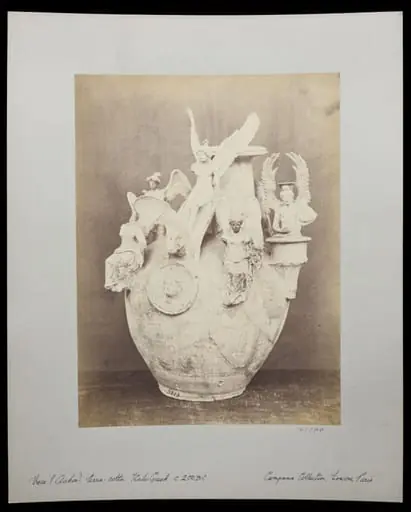 Perfume Burner in terra cotta
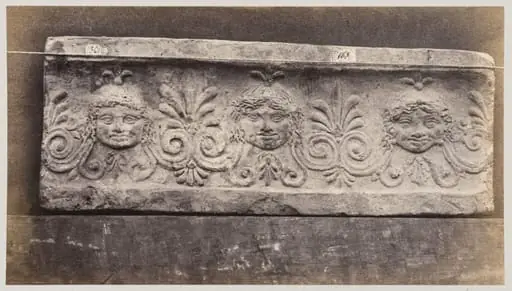 Three masques of gorgons in terra cotta
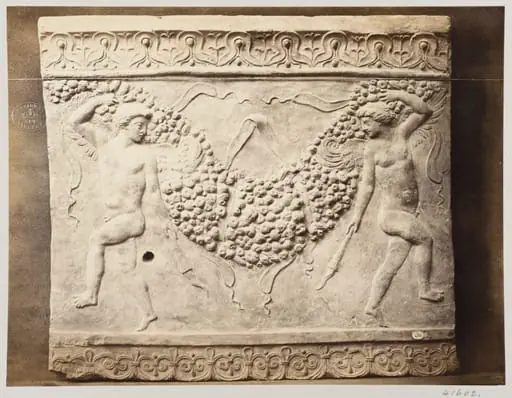 Bas-relief of portion of frieze of dancing figures with torches bearing festoon of fruit in terra cotta
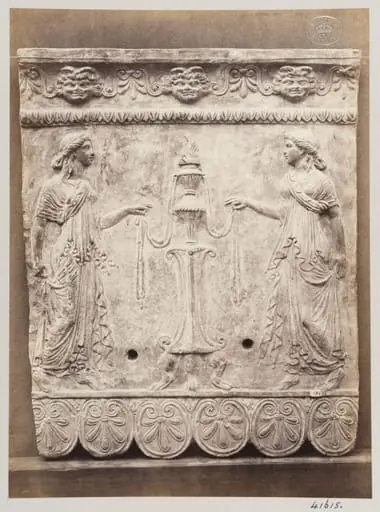 Bas-relief portion of a frieze of two draped females and an altar in terra cotta
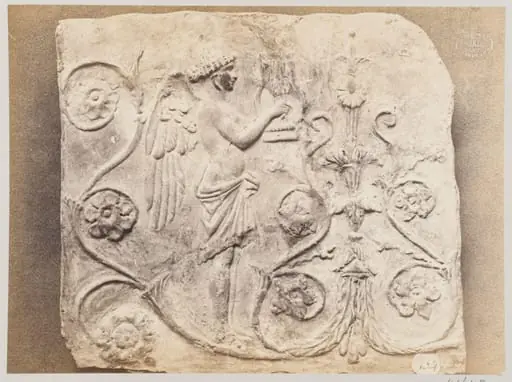 Bas-relief of a geni and a lyre in terra cotta
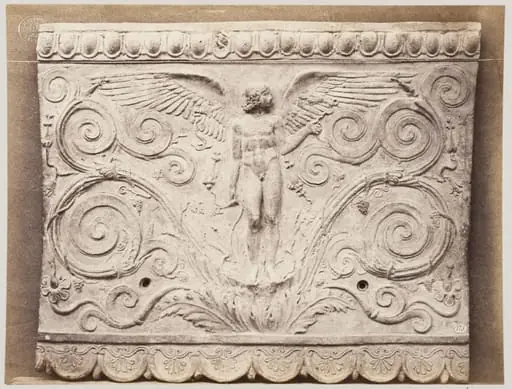 Bas-relief of a portion of frieze of Eros with scrollwork in terra cotta
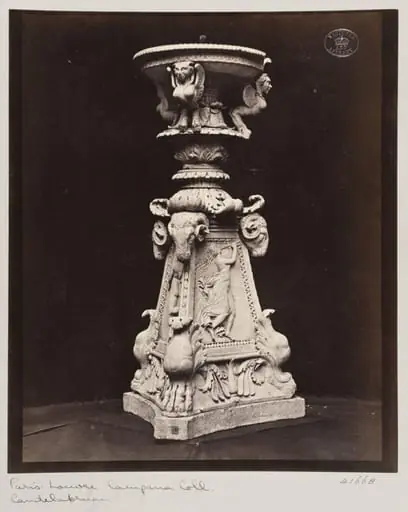 Marble sculptured fountain
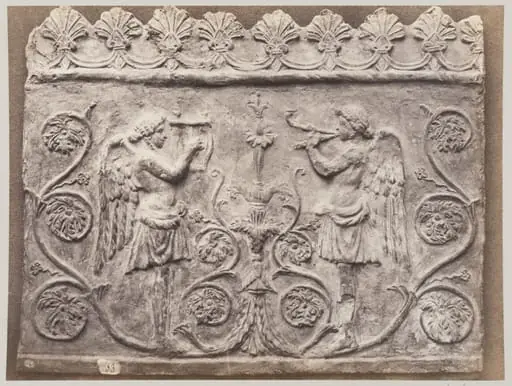 Bas-relief portion of frieze of Genii with double flutes and lyre
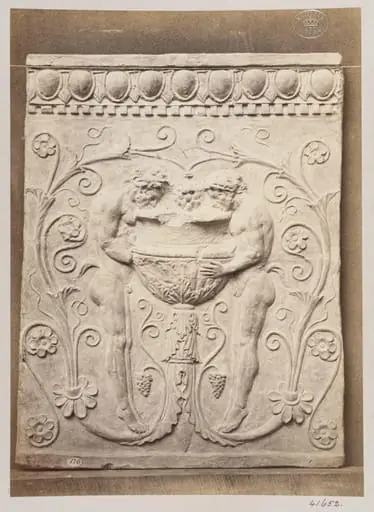 Bas-relief of a portion of a frieze showing two satyrs and a vessel in terra cotta
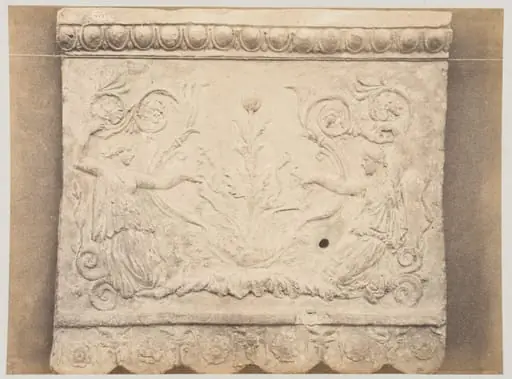 Bas-relief portion of frieze of nymphs with scrollwork in terra cotta
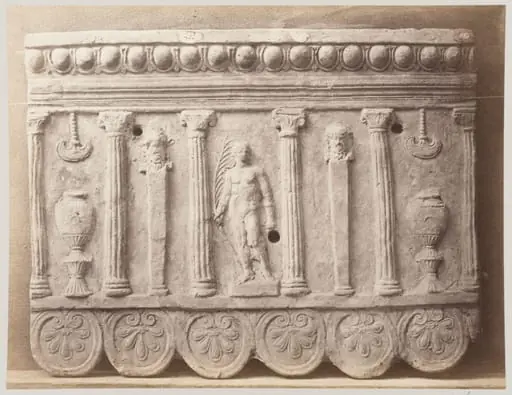 Bas-relief portion of a frieze of Cestiphore conqueror in terra cotta
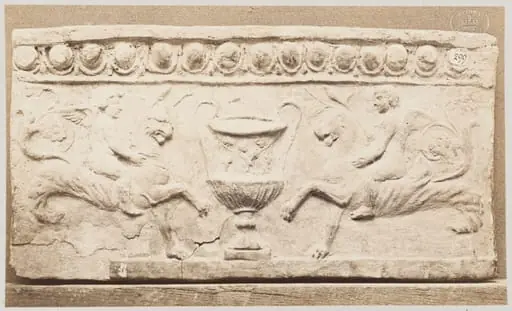 Bas-relief of a large vessel with handles and two bacanallian genies in terra cotta
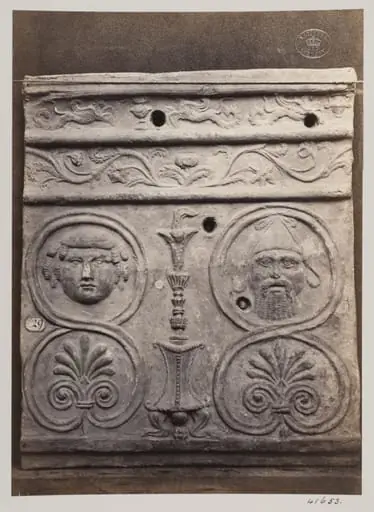 Bas-relief of a portion of a frieze of a thymiaterion and bacanallian masks in terra cotta
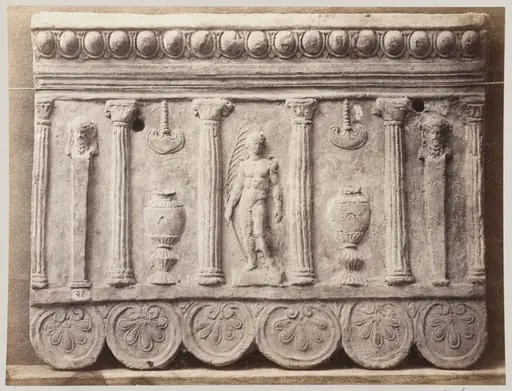 Bas-relief portion of a frieze of Hercules the conqueror in terra cotta
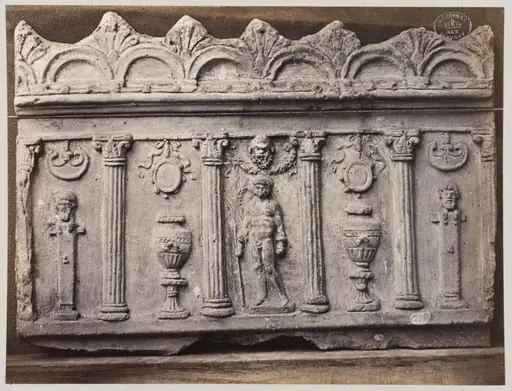 Bas-relief of a figure with bust, vessels and columns in terra cotta
 Bas-relief portion of frieze of female head and foliage ornament in terra cotta