Artwork
Marble bust of the Emperor Nerva
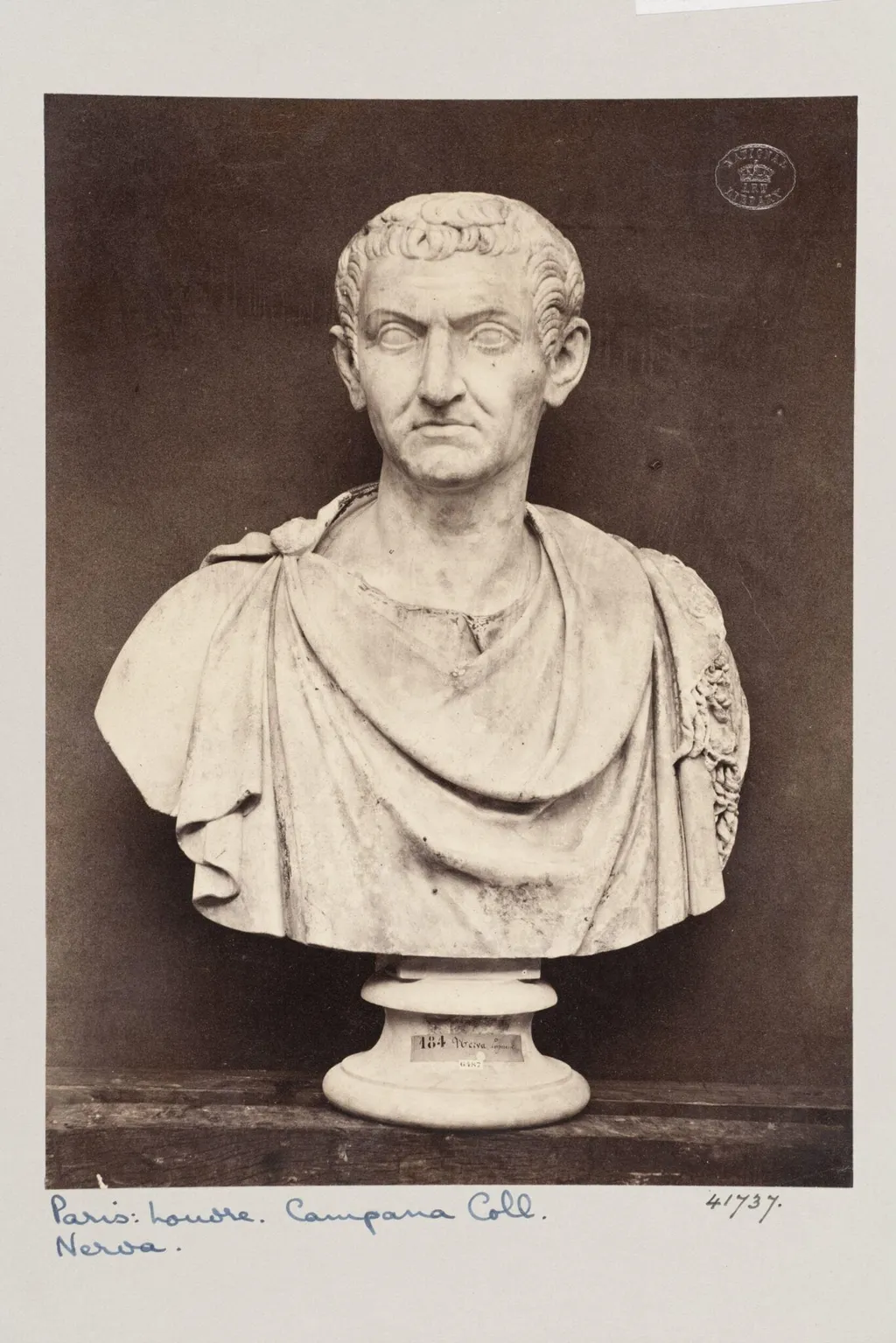
Marble bust of the Emperor Nerva is a photographic photography by the Impressionist artist Louise Laffon. It dates from 1864 and is held in the collection of the Victoria and Albert Museum.
About this work
Overview
It was not taken as fine art but as a documentary record, intended for educational use within the museum’s collection of visual resources.
This photograph is a reproduction of a marble bust of Emperor Nerva, acquired by the Victoria and Albert Museum in 1864 as part of a larger acquisition of 500 images. The photograph was produced by Louise Laffon, a French photographer and early female practitioner in the field. It was not taken as fine art but as a documentary record, intended for educational use within the museum’s collection of visual resources.
Subject & Meaning
The bust depicts Nerva, the Roman emperor who ruled from 96 to 98 CE and was known for his reforms and relative stability after the turbulent reign of Domitian. The photograph preserves the sculptural details of the marble portrait—its austere expression, receding hairline, and classical drapery—offering a faithful visual reference for study. Its purpose was not to glorify the emperor but to serve as an archival tool for students and curators.
Technique & Style
Laffon’s photograph was made using the albumen print process, common in mid-19th-century photographic reproduction. The image captures fine surface textures of the marble with clarity, using controlled lighting to emphasize form and depth. The composition is straightforward, centered and unadorned, reflecting its utilitarian function within the museum’s educational program rather than any aesthetic ambition.
History & Provenance
The photograph was purchased by the V&A in 1864 through Monsieur E. Cappe, an agent acting on behalf of the museum. It originated from Laffon’s series documenting objects from the Campana Collection at the Musée Napoléon III in Paris. These images were among the first photographs acquired by the V&A specifically for scholarly use, and Laffon’s contribution marked one of the earliest institutional recognitions of a female photographer’s work in Britain.
Context
At the time, the V&A was pioneering the use of photography as an educational resource, supplementing casts and drawings. Under Henry Cole’s leadership, the museum sought to build a comprehensive visual archive accessible to artists and designers. Laffon’s photographs were part of a broader international network of image exchange, linking British institutions with continental collections and practitioners, including women whose roles were rarely acknowledged.
Legacy
Laffon’s work contributed to the institutionalization of photography as a tool for art historical study. Her photographs, though once overlooked, represent an early example of professional female involvement in museum documentation. The acquisition of her images helped establish the V&A’s photographic collection as a vital resource, laying groundwork for future scholarly use of photographic archives in art education.
Artist & collection
Artist
Louise Laffon (1828–1885), was a French photographer and painter. She was one of the first female professional photographers in France. She had a studio in Paris between 1859 and 1876.

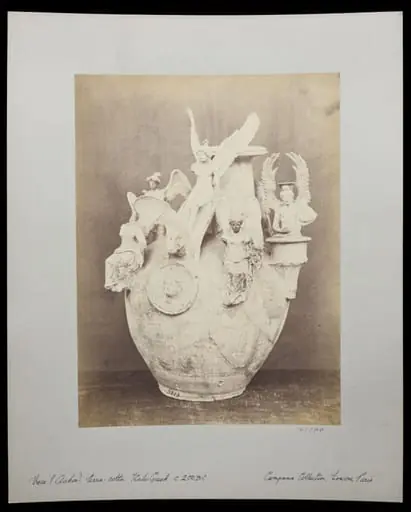 Perfume Burner in terra cotta
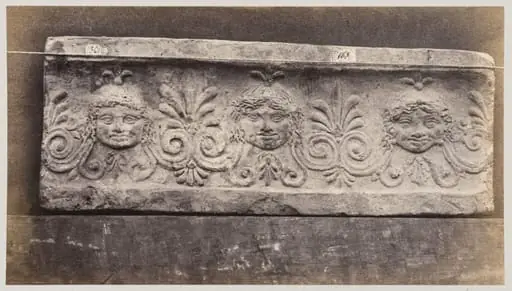 Three masques of gorgons in terra cotta
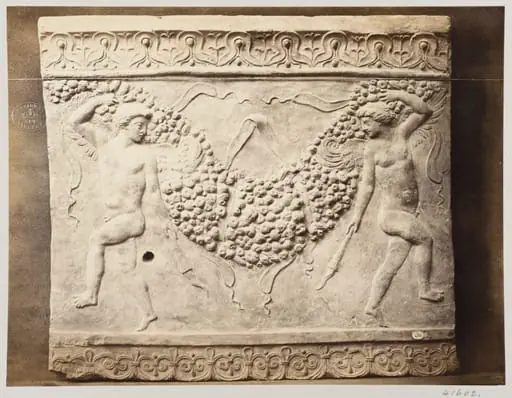 Bas-relief of portion of frieze of dancing figures with torches bearing festoon of fruit in terra cotta
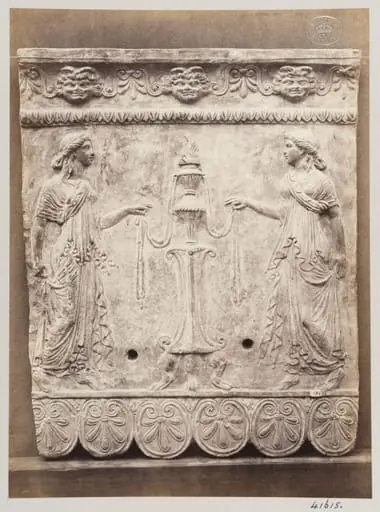 Bas-relief portion of a frieze of two draped females and an altar in terra cotta
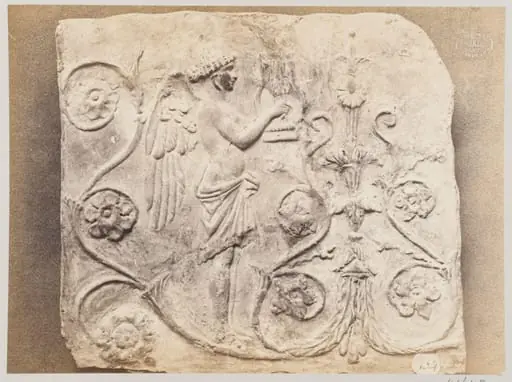 Bas-relief of a geni and a lyre in terra cotta
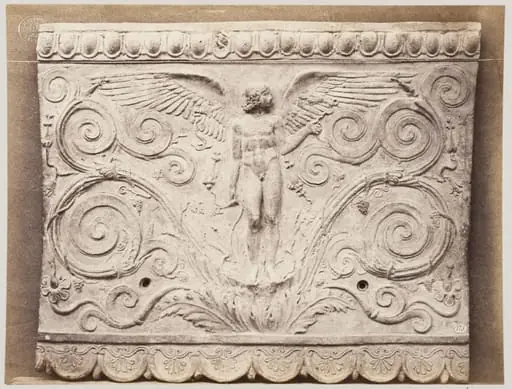 Bas-relief of a portion of frieze of Eros with scrollwork in terra cotta
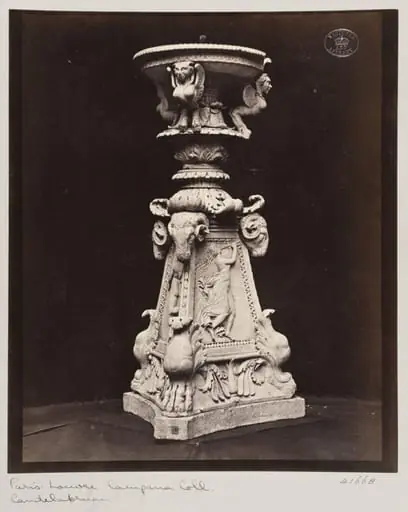 Marble sculptured fountain
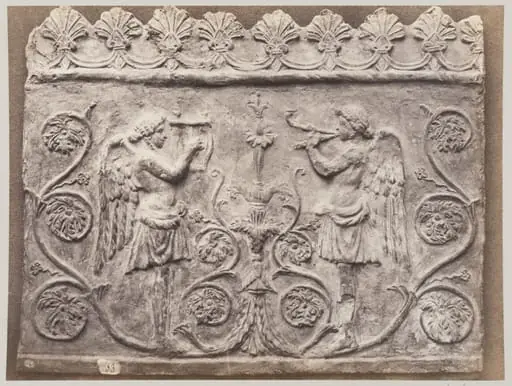 Bas-relief portion of frieze of Genii with double flutes and lyre
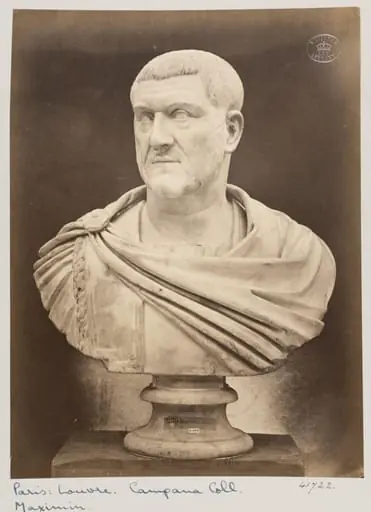 Marble bust of the Emperor Maximian
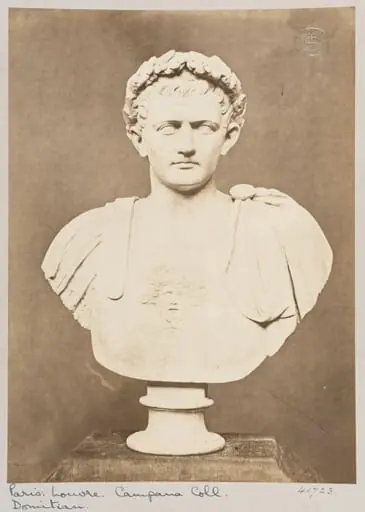 Marble bust of the Emperor Domitian
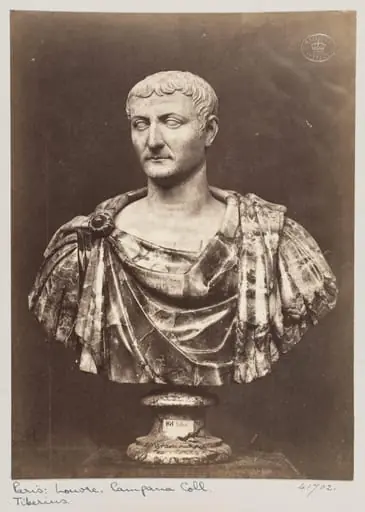 Marble bust of the Emperor Tiberius
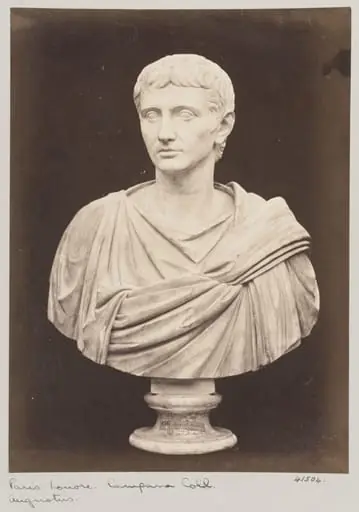 Marble Bust of the Emperor Augustus
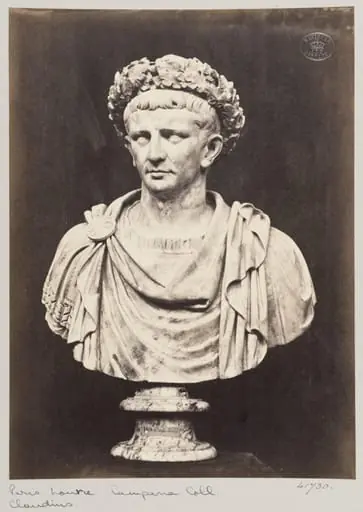 Marble bust of the Emperor Claudius
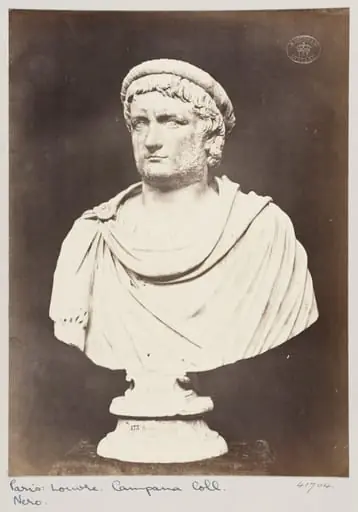 Marble bust of the Emperor Nero
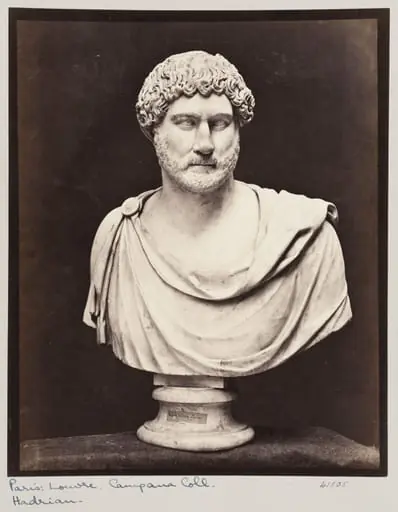 Marble Bust of the Emperor Adrian
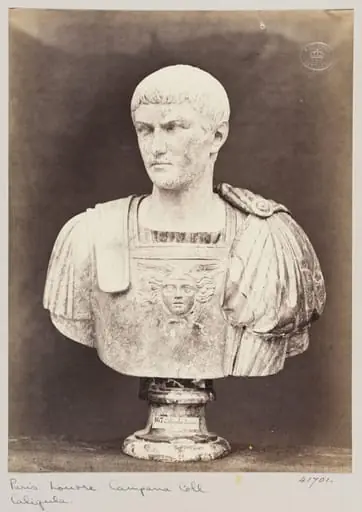 Marble bust of the Emperor of Caligula
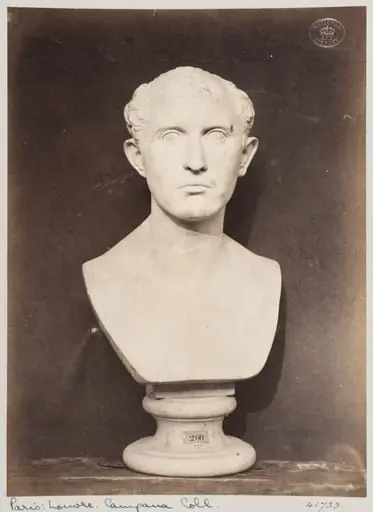 Marble bust of unnamed male
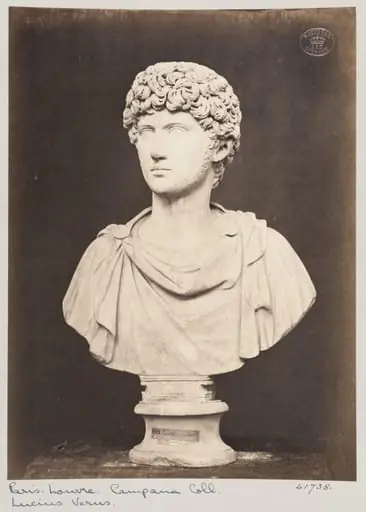 Marble bust of Lucius Verus
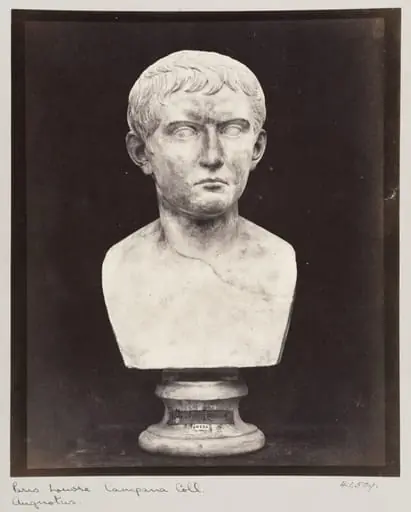 Marble Bust of the Emperor Octavius Augustus
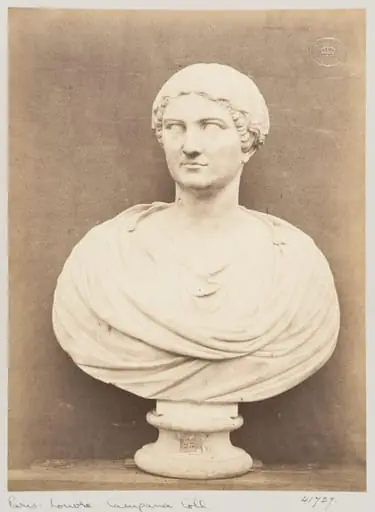 Marble bust of unnamed female