Artwork
Marble bust of Virgil
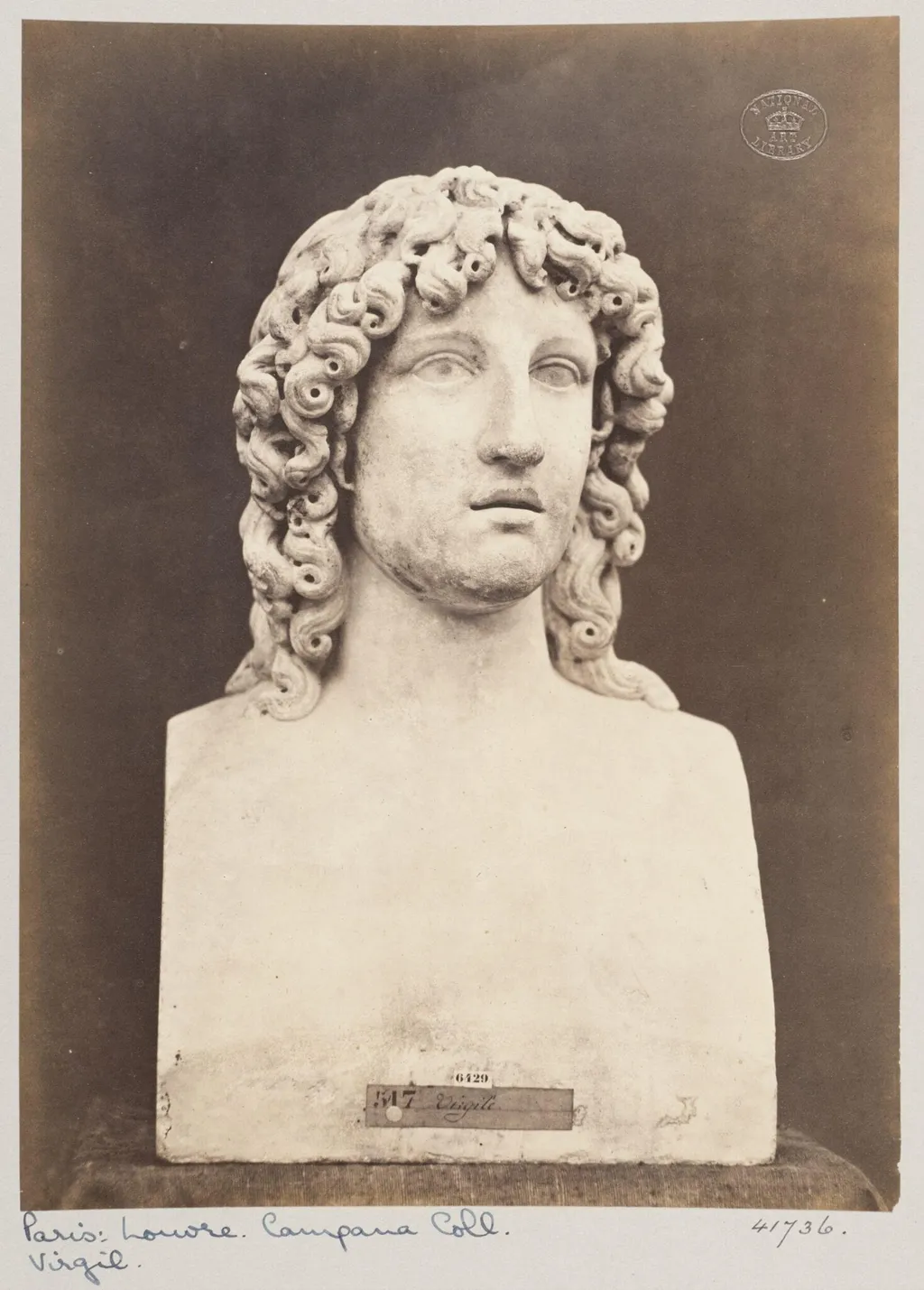
Marble bust of Virgil is a photographic photography by the Impressionist artist Louise Laffon. It dates from 1864 and is held in the collection of the Victoria and Albert Museum. This photograph, taken between 1863 and 1864, captures a marble bust of the Roman poet Virgil.
About this work
This is a photograph from 1863-1864 called *Marble bust of Virgil*. It was made by Louise Laffon, a French photographer working in a time when museums were just starting to collect photos.
The Victoria and Albert Museum began collecting photos in 1852. Back then, they saw photography as a way to help artists and students learn.
Look up the Victoria and Albert Museum next.
Overview
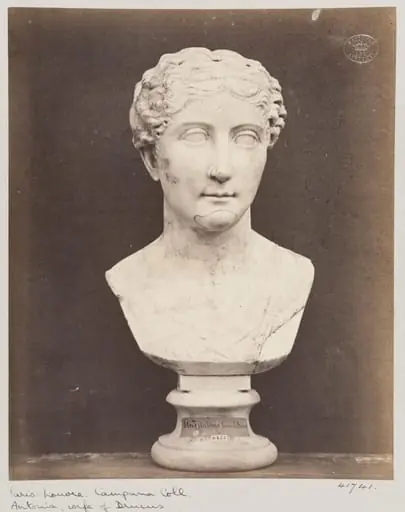
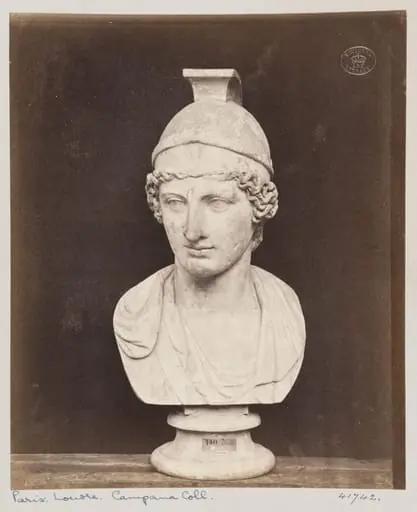
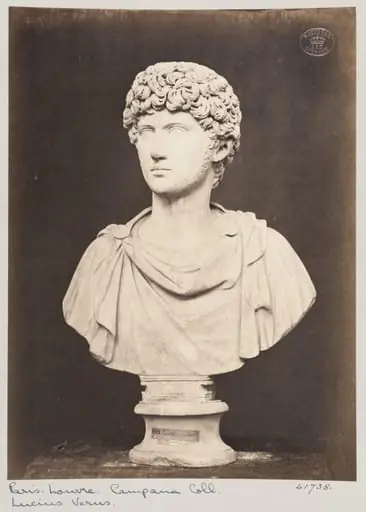
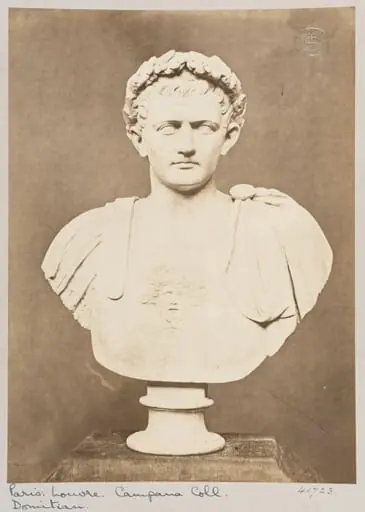
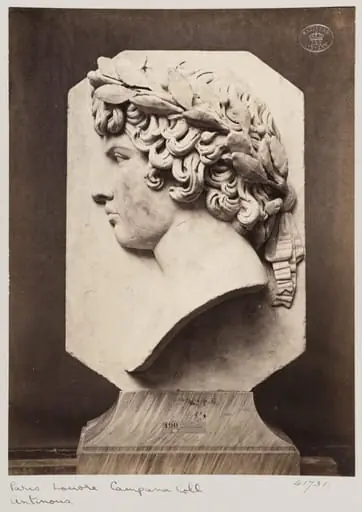
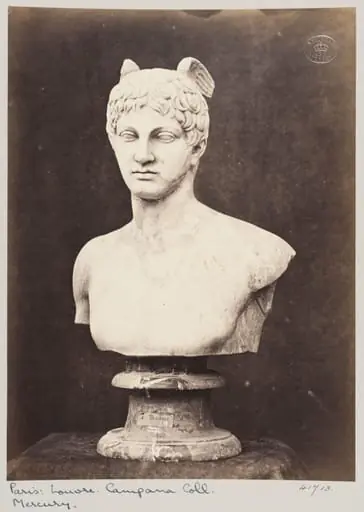
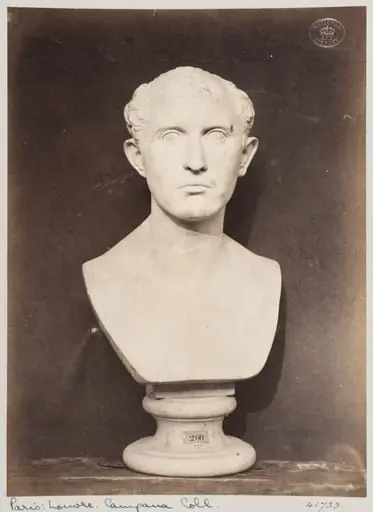
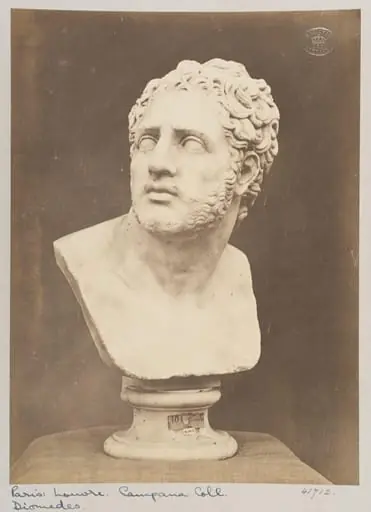
The image belongs to a larger series documenting antiquities from the Campana Collection, purchased by the V&A through a Parisian agent in 1864.
This photograph, taken between 1863 and 1864, captures a marble bust of the Roman poet Virgil. It was produced by Louise Laffon, a French photographer whose work was acquired by the Victoria and Albert Museum as part of its early commitment to building a photographic archive for educational use. The image belongs to a larger series documenting antiquities from the Campana Collection, purchased by the V&A through a Parisian agent in 1864.
Subject & Meaning
The subject is a classical Roman bust of Virgil, author of the Aeneid, revered in Western literary tradition. The photograph does not interpret the bust symbolically but serves as a documentary record, preserving its form and detail for study. Its inclusion in the museum’s collection reflects the institutional emphasis on visual resources for art education, prioritizing accuracy over artistic expression.
Technique & Style
Laffon employed the wet collodion process, common in mid-19th-century photographic practice, to produce a sharp, tonally nuanced image. The composition is straightforward, with the bust centered and lit to emphasize sculptural volume and surface texture. No embellishments or staging are present, aligning with the photograph’s utilitarian purpose within an academic context.
History & Provenance
The photograph was part of a set of 500 images Laffon made of the Campana Collection in Paris, which was later dispersed. In 1864, the V&A acquired these through E. Cappe, an agent in Paris. Laffon, one of the earliest recognized female photographers in France, contributed to the museum’s growing visual archive, which was then housed within the National Art Library and used by staff and students alike.
Context
At the time, the V&A was pioneering the use of photography in museums, viewing it as a tool to expand access to artworks beyond physical presence. While male photographers dominated the field, Laffon’s involvement highlights the quiet but significant role women played in institutional photographic work. Her images supported scholarly study at a time when direct access to continental antiquities was limited for British students.
Legacy
Laffon’s photographs, including this one, remain part of the V&A’s historical archive, representing early efforts to systematize visual documentation in art education. Though her name was long overlooked, her work exemplifies the collaborative, international networks that underpinned museum collections in the 19th century. These images continue to serve as primary records of artifacts now dispersed or altered.
Artist & collection
Artist
Louise Laffon (1828–1885), was a French photographer and painter. She was one of the first female professional photographers in France. She had a studio in Paris between 1859 and 1876.

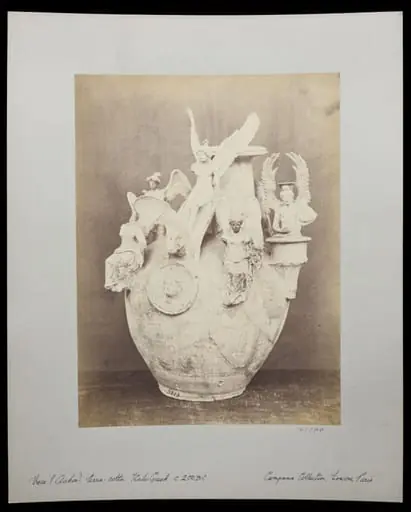 Perfume Burner in terra cotta
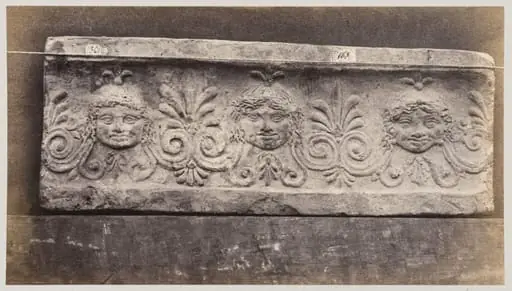 Three masques of gorgons in terra cotta
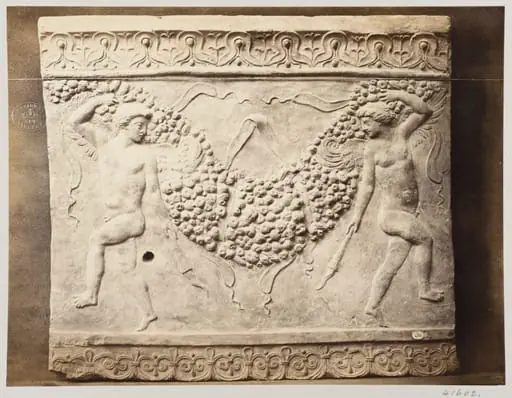 Bas-relief of portion of frieze of dancing figures with torches bearing festoon of fruit in terra cotta
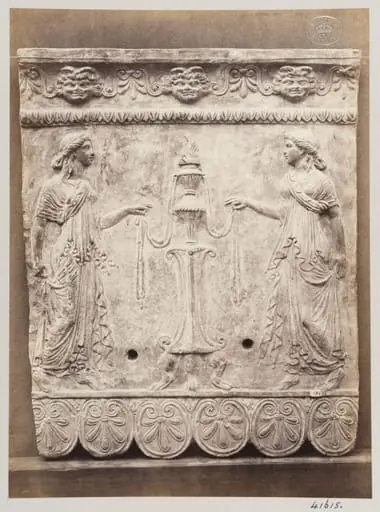 Bas-relief portion of a frieze of two draped females and an altar in terra cotta
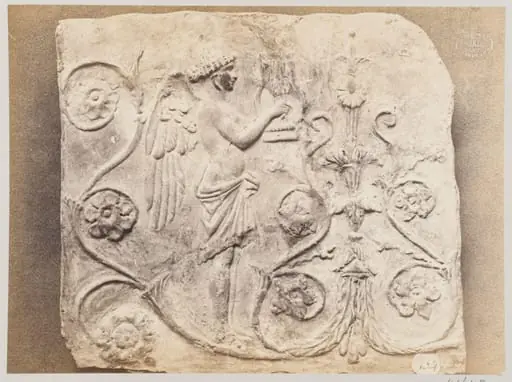 Bas-relief of a geni and a lyre in terra cotta
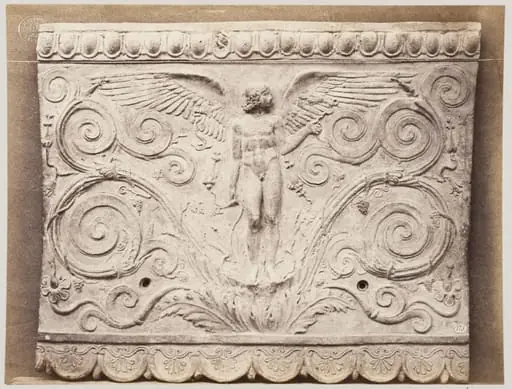 Bas-relief of a portion of frieze of Eros with scrollwork in terra cotta
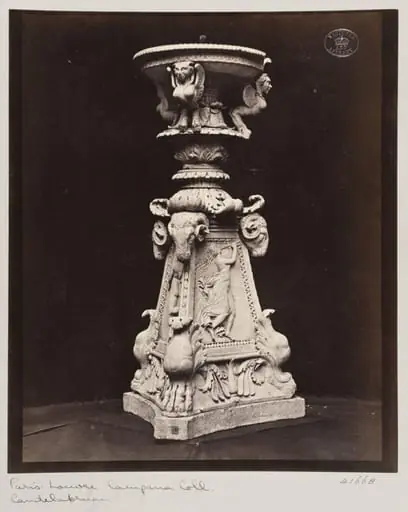 Marble sculptured fountain
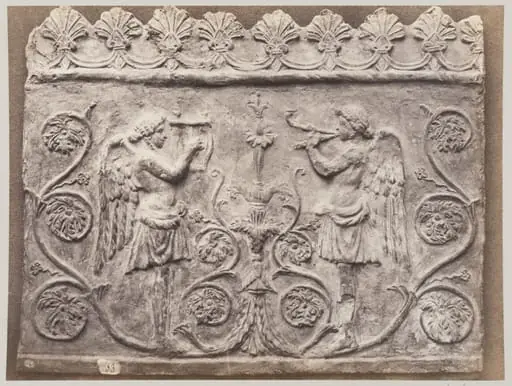 Bas-relief portion of frieze of Genii with double flutes and lyre